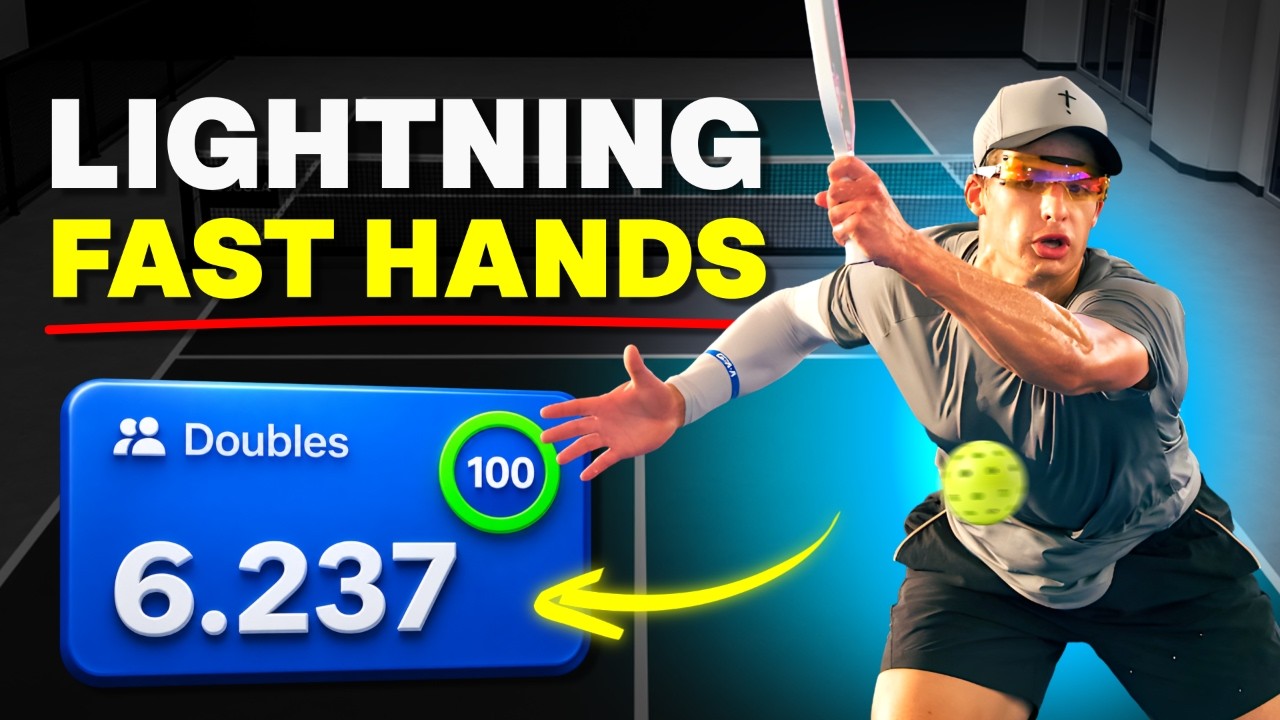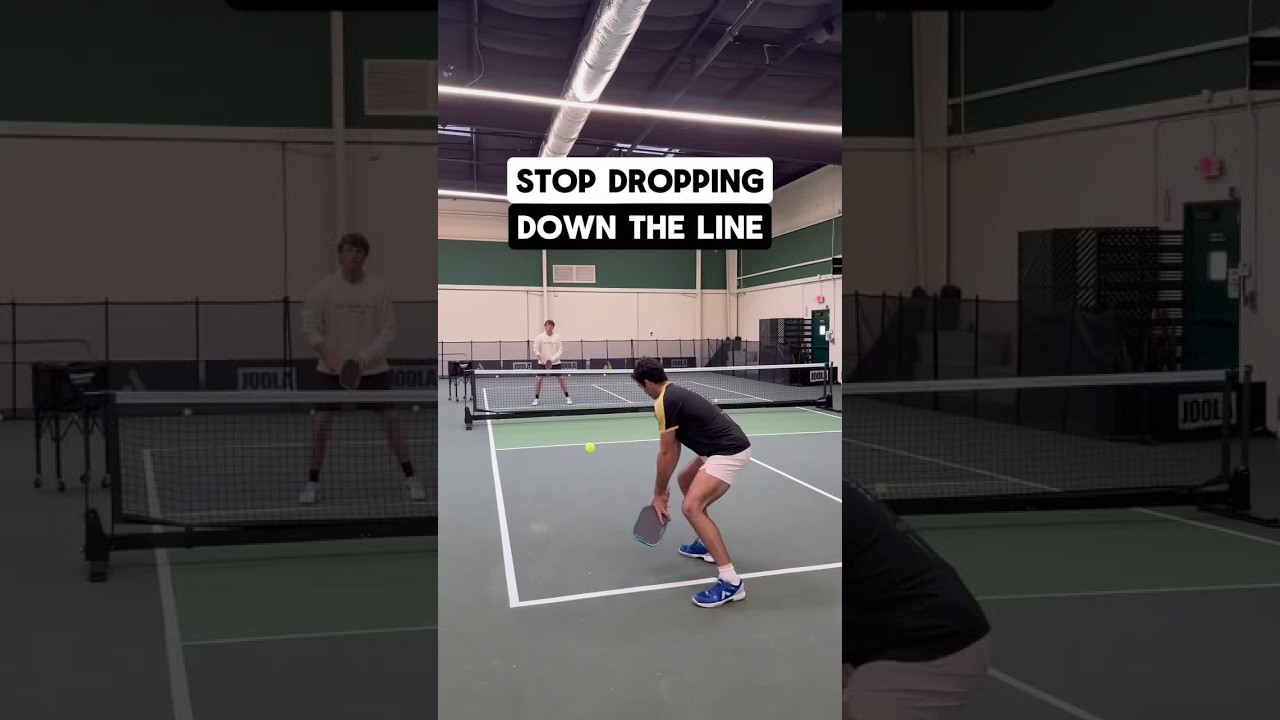


Pickleball speed up defense gets easier when you replace guessing with pattern reps, tucked elbows, and a sharper focus on the ball. Here are six fixes from a pro lesson with a 4.1 player.
Your pickleball speed up defense probably breaks down the same way every time: your opponent winds up, you pick a direction, and you guess wrong about half the time.
That is not defense. That is a coin flip.
This lesson comes from Zane Navratil Pickleball on YouTube, where a 4.1 player named Liu Jiang asked for help anticipating counters and staying in extended hands battles.
Here is what Zane taught him, and how you can steal it.
Love pickleball? Then you'll love our free newsletter. We send the latest news, tips, and highlights for free each week.
Why Do You Keep Guessing on Speed Ups?
You guess because you have not seen enough of the same ball, and because you are trying to read something that can be disguised.
Paddle angle is the easiest thing for an opponent to hide. Pace and the ball itself are much harder to fake.
The fixes below attack the problem from three sides: pattern recognition, positioning, and visual focus.
What Is Anticipation in Pickleball?
Anticipation is your brain predicting where the ball is going before the opponent finishes the swing, based on patterns you have seen before.
It is not psychic. It is stored experience, and you can only store it by seeing the same ball hundreds of times.
That stored experience is the entire foundation of pickleball speed up defense. Which is why the first fix is also the simplest.
1. Run the Dead Dink Speed Up Drill
The best way to build anticipation is to see the same speed up over and over, so start with a feed drill built for exactly that.
One player feeds an easy-ish dead dink. The other player speeds it up to any spot, and you play the point out from there.
Keep the first few rounds cooperative at around 30% pace, then ramp up.
This gives you a huge number of reps in a row, which is the raw material for real pickleball speed up defense.
Today’s reality, according to Zane, is that roughly 80% of speed ups go straight ahead and about 20% go cross court.
That is a useful baseline for where your brain should lean.
If you want more structured dinking work to pair with this, try these dinking drill sessions.
 The Dink Media Team
2. Know What to Do When You Get Chicken Winged
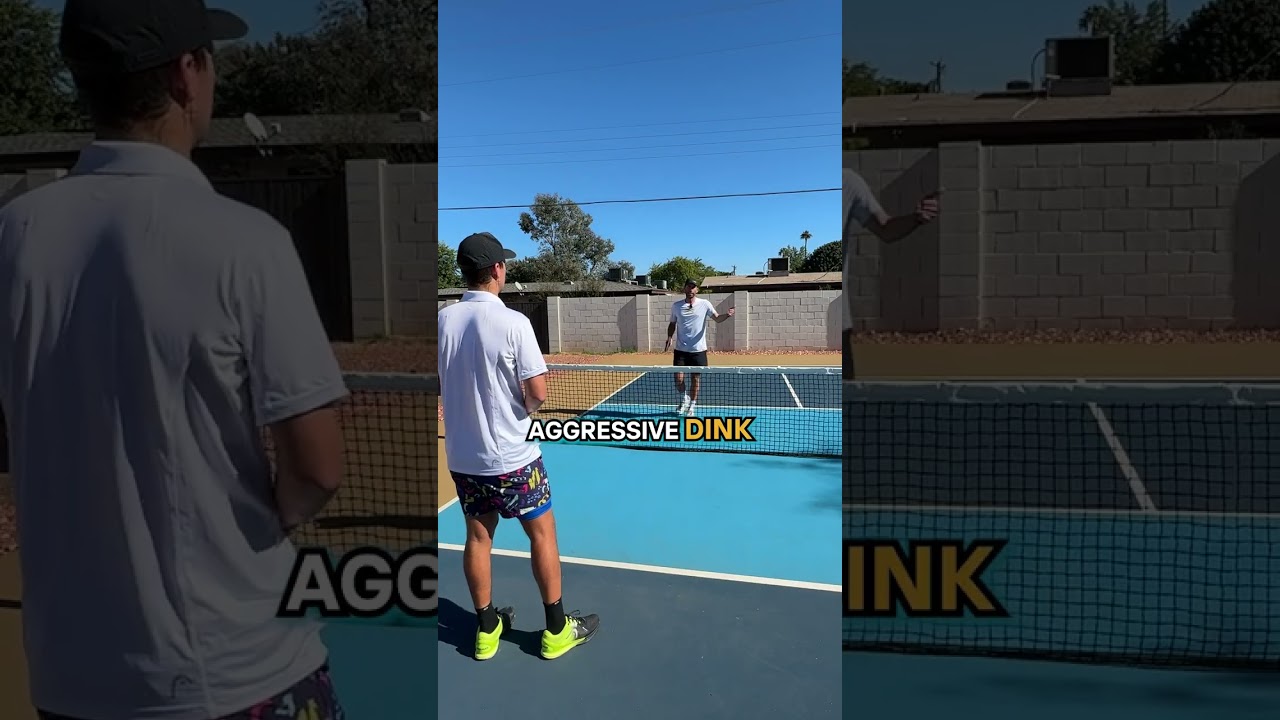
When a speed up jams your right shoulder, pull the ball cross court instead of trying to redirect it back at your opponent.
Jiang kept trying to counter back toward the person who hit it, and the ball kept popping up.
Fighting around the paddle on that side makes it nearly impossible to get pace on the ball.
Instead, slide your body with the ball and punch it to the cross court corner, with your paddle pulling slightly across as you extend.
- Keep your body behind the ball, not just your arm.
- Pull the paddle slightly across as you punch out.
- Send the ball cross court, not back at the hitter.
- Start the slide as early as you can once you see the contact.
Think of this as a last resort tool, not the plan.
The chicken wing is where pickleball speed up defense falls apart, and if you read the ball perfectly you will not be in it at all.
This works on the left side of the court because you can pull the ball naturally. On the other side, you have to get up and around it, which is a different problem.
For that side, check out these forehand speed up patterns for right side players.
 The Dink Media Team
3. Tuck Your Elbows to Stop Sitting So Backhand Heavy
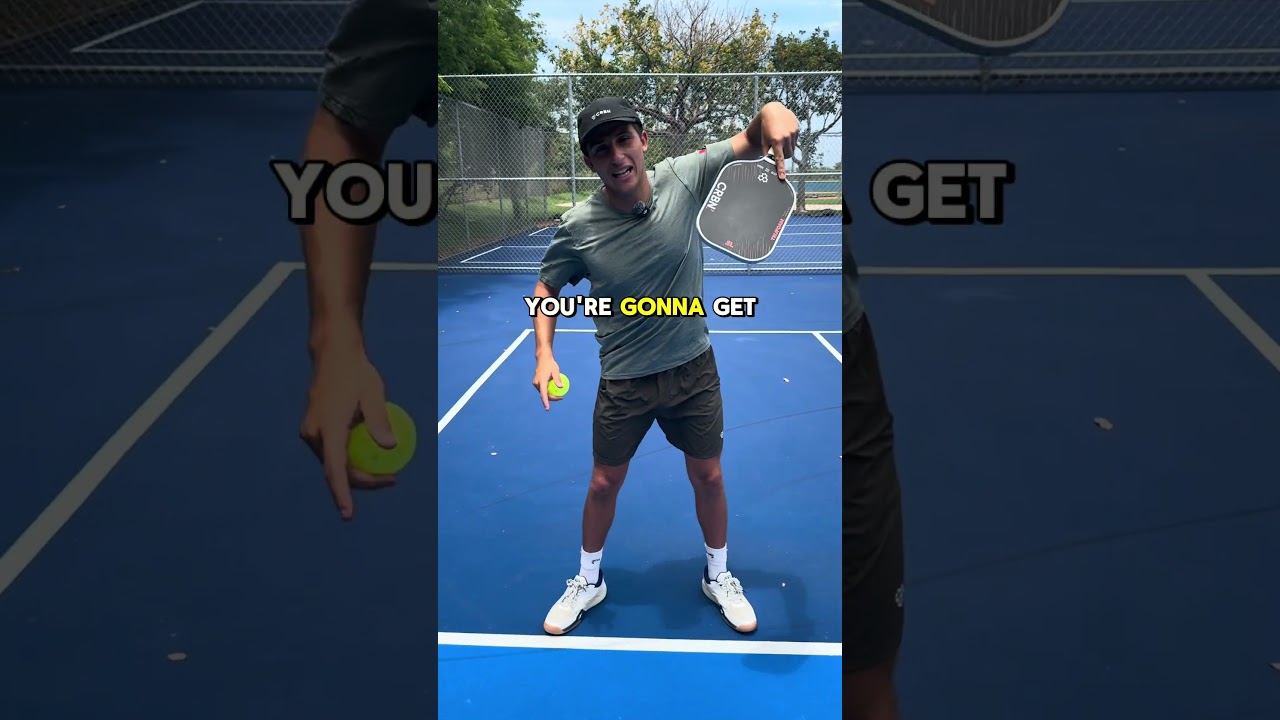
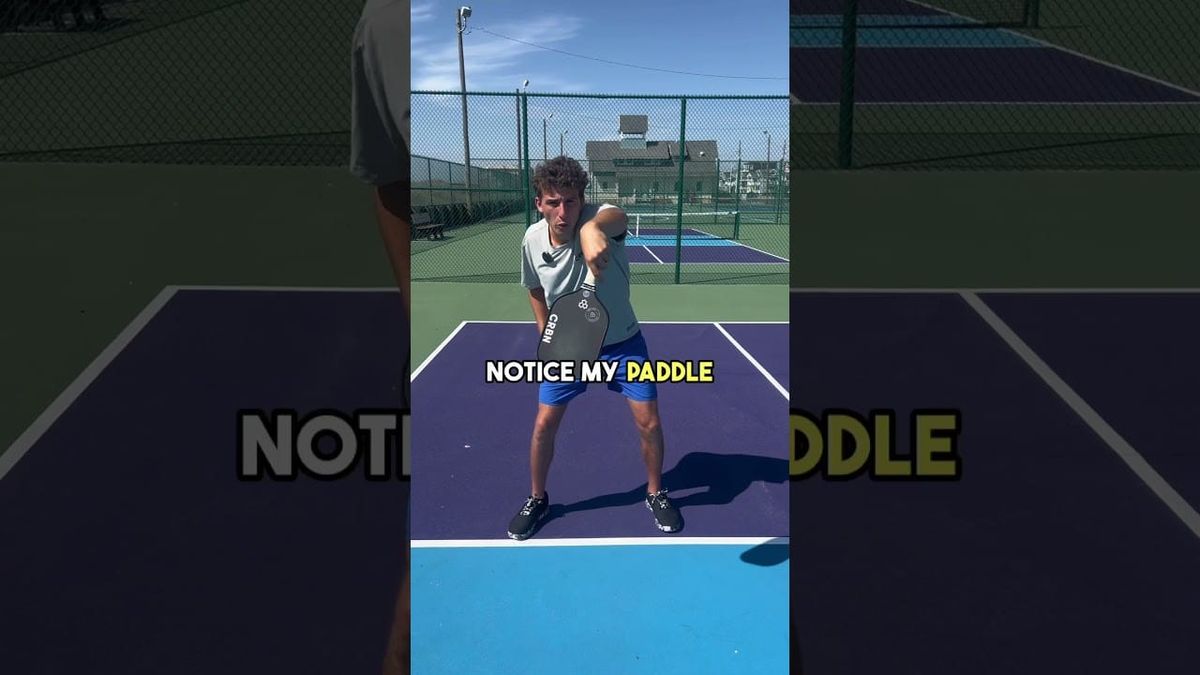
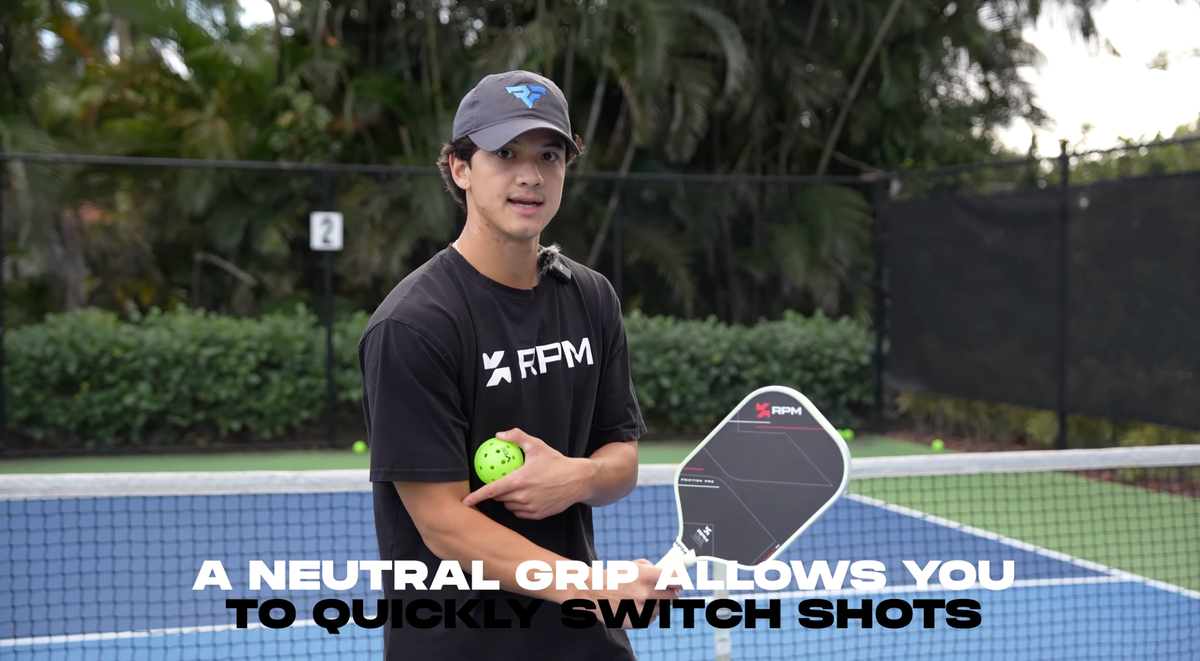
Bringing your elbows back to your sides forces a neutral paddle position, which makes the switch to forehand almost automatic.
Many pros started with a tennis-style ready position, paddle up and out in front.
The newer approach pulls the elbows back so everything goes forward at contact, instead of pulling back first and then swinging.
Here is the key detail: with your elbows at your sides, it is nearly impossible to sit in a heavy backhand position.
Your paddle naturally drifts to a neutral spot around 11 o’clock.
Jiang felt this right away. He said it felt unnatural and tight at first, but he was animating his arms less and getting to the forehand faster.
A good training cue: tap your elbows to your ribs between every shot.
Top players hold them an inch or two in front of the body, but the tap gives you tactile feedback while you learn.
 The Dink Media Team
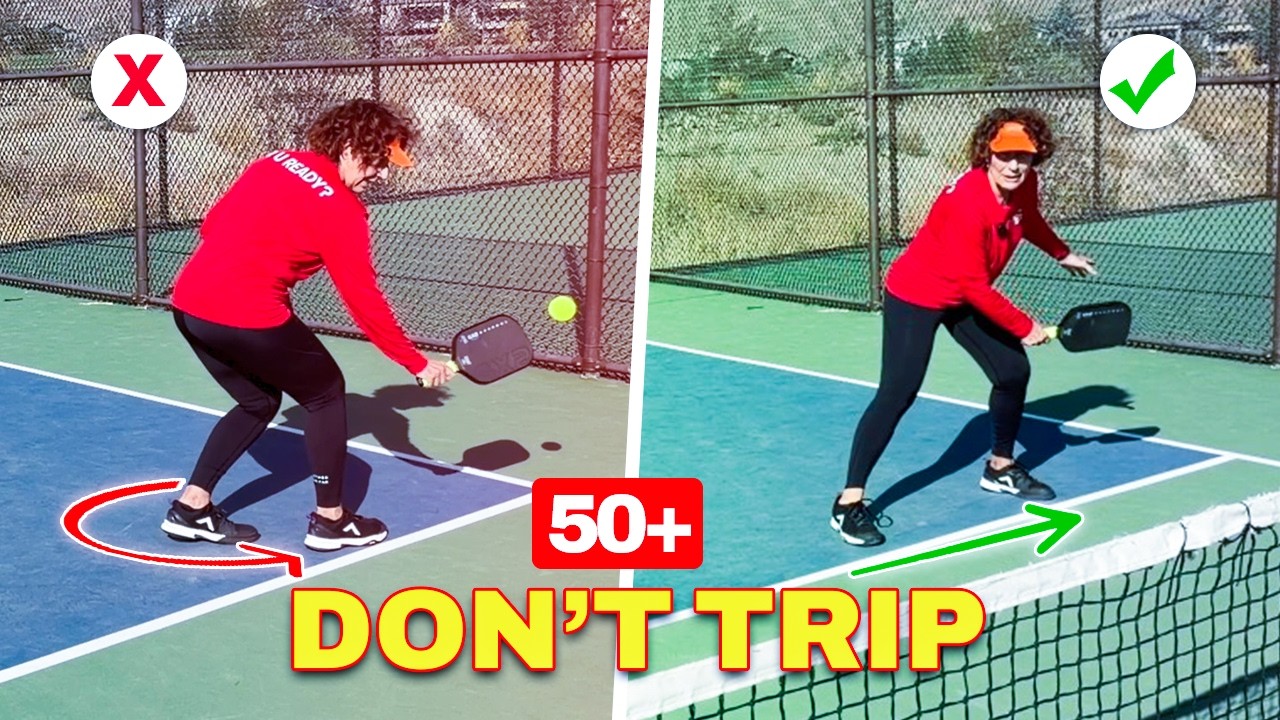
4. Extend on the Hit, Then Return to Ready
Do not keep your elbows glued in while you hit. Return to the tucked position after every shot.
On the forehand, staying compact is fine. On the backhand, you still want to extend and punch out.
The reset matters more than the contact. Hit, extend, and then come right back to elbows at your sides.
If hands battles are your weak spot, this breakdown of hands battle habits pairs well with this drill.
 The Dink Media Team
5. Stop Training Yourself to Hit Back at the Hitter
Cooperative hands battles teach you a bad habit: hitting every ball back to the person in front of you.
Even at the pro level, practice rallies encourage this. You are trying to keep the point alive, so you send the ball right back where it came from.
In a real point, that is often the wrong shot. If you catch your opponent in the chicken wing, pull the ball the other way. If they catch you, do the same.
Jiang admitted he had never thought about applying this in a stroke. That is exactly how cooperative practice hides the right answer.
 The Dink Media Team
6. Give Your Eyes a Specific Job
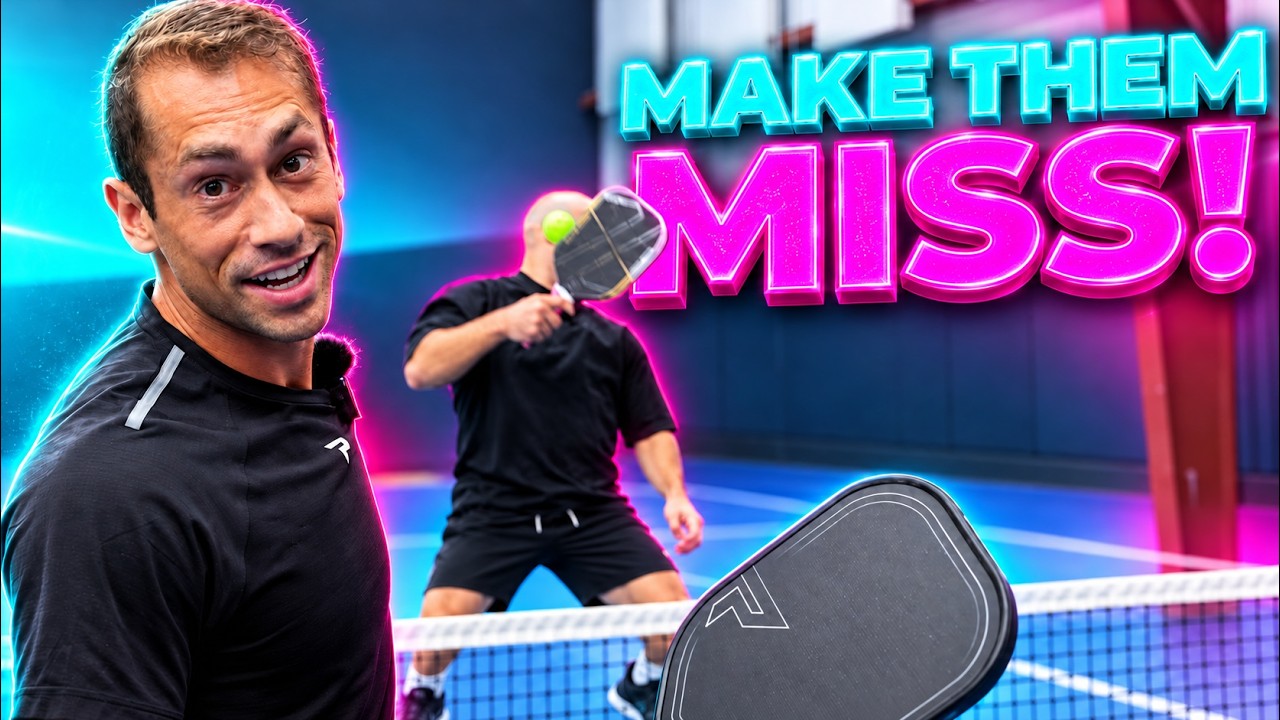
"Watch the ball" is useless advice until you give your eyes a specific target, so look for the logo or a hole on the ball.
When Jiang asked how to stop guessing, Zane explained that reading the paddle fails once opponents learn to disguise it.
Pace is harder to hide, but even then the last-second difference between down the line and cross court is tiny.
So the goal of pickleball speed up defense is to react, not guess.
And the best way to react is to track the ball itself, because the ball doesn’t lie even when the paddle does.
Try this on your next dink session:
- As soon as you see a speed up coming, find a hole or the logo on the ball.
- Keep your eyes locked on that single spot through contact.
- Notice how the ball seems to get bigger and slower.
Jiang tried it and said his concentration level jumped immediately. It forced him to focus harder instead of drifting into guesswork.
For a deeper look at this concept, read 5 ways to hit cleaner pickleball shots by watching the ball.
Be honest with yourself: this will not feel automatic at first. It comes in and out, even for pros, so you have to stay conscious about it.
 The Dink Media Team
Bonus: The Third Shot Drip From the Same Lesson
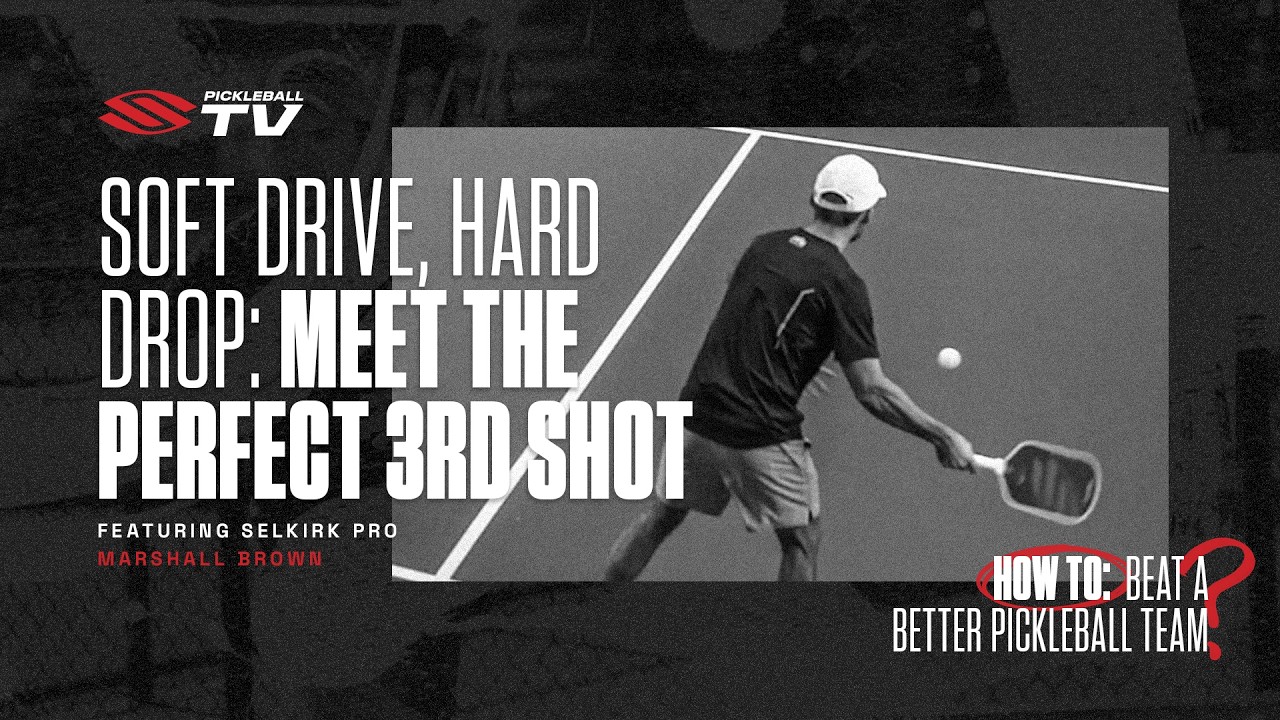
The lesson also covered the hybrid third shot, or drip, which sits between a drop and a drive in pace.
Think of your drive as 100% pace, your drop as 25%, and the drip as roughly 50% to 60%.
The trick is staying compact: set up like a drop, then accelerate like a drive.
Keep the backswing small, think of it like an off-bounce speed up, and aim for a target three or four feet behind the kitchen.
Practice it with a 30, 60, 90 pace drill that cycles through drop, hybrid, and drive.
The drip works best when opponents are still in transition. If they are already set at the kitchen, you are usually better off hitting a 30 or a 90, not a 60.
Get the full breakdown in this guide to hitting the pickleball drip. You can also see how it fits into a bigger plan with 5 third shot drip keys.
 The Dink Media Team
How Do You Put It All Together?
Start with the reps, then layer in the positioning and visual focus.
Run the dead dink drill until the patterns feel familiar.
Tuck your elbows between shots, track a specific spot on the ball, and keep the chicken wing counter in your back pocket for emergencies.
For a broader look at this skill, here are 7 pickleball speed up patterns from a pro lesson and a full guide to kitchen strategy.
If your counters keep popping up, these block fixes and punch volley keys are worth a look.
And if your ready position needs more work, start with this tempo fix.
Frequently Asked Questions
How do you defend a pickleball speed up?
Stay in a compact ready position with elbows tucked, track a specific spot on the ball, and react instead of guessing. Counter with a controlled block or punch, and aim cross court when jammed.
Where do most pickleball speed ups go?
According to Zane, about 80% of speed ups go straight ahead and roughly 20% go cross court. Cross court speed ups are more common than they used to be, but straight ahead is still the main pattern.
What is the chicken wing in pickleball?
The chicken wing is when a ball is hit at your dominant shoulder, forcing your elbow up and out. It is awkward to handle because you cannot easily get pace back toward the hitter.
Why do I keep popping up my counters at the kitchen?
Often you are trying to redirect the ball back at your opponent while jammed. Pull it cross court instead, and keep your elbows tucked so your paddle stays neutral and in front of you.
What is a pickleball drip shot?
The drip is a hybrid third shot hit at about 50% to 60% of your max pace, between a drop and a drive. It works best when opponents are still moving in from the transition zone.

Love Pickleball? Join 100k+ readers for free weekly tips, news & gear deals.
Subscribe to The Dink