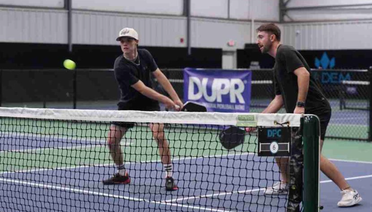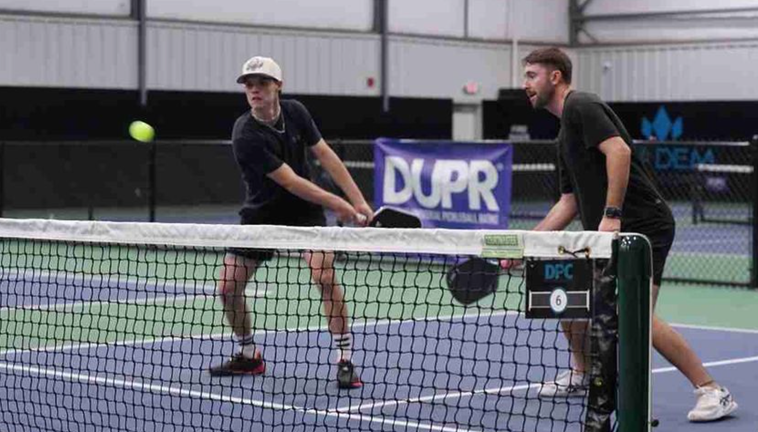

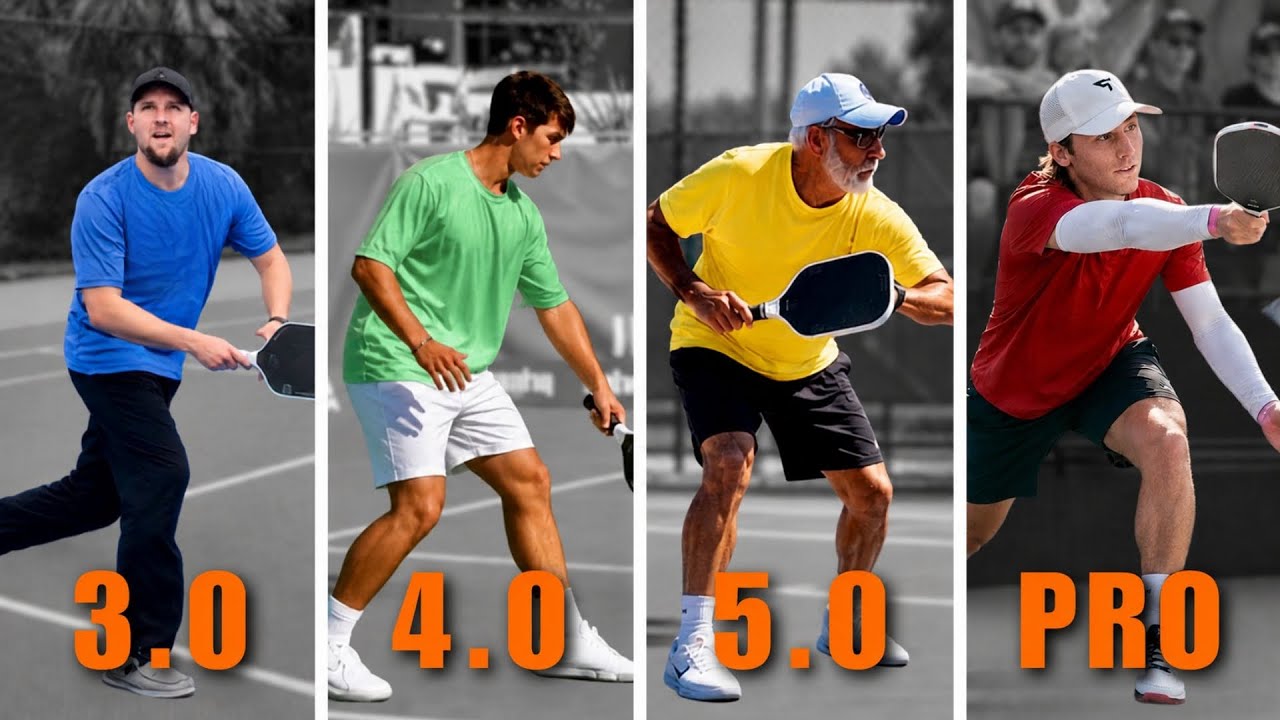
Every pickleball skill level from 3.0 to pro has specific markers that separate it from the next. Here is exactly what each DUPR rating means and what it takes to move up.
Your pickleball skill level is one of the most misunderstood numbers in the sport.
Players throw around ratings like 3.5 or 4.0 constantly, but most people cannot tell you what those numbers actually represent on the court.
The rating system exists for a reason.
It is supposed to tell you and everyone else exactly what kind of player you are, what shots you can execute consistently, and how much strategy is behind your game.
This breakdown comes from Curt In Motion on YouTube, who walks through every level from true beginner all the way up to professional and explains what each rating is supposed to mean versus what it has become in practice.
Here is what you actually need to know.
Love pickleball? Then you'll love our free newsletter. We send the latest news, tips, and highlights for free each week.
Where Do These Ratings Actually Come From?
All of these numbers come from DUPR, which stands for Dynamic Universal Pickleball Rating System.
It is the most widely accepted rating system in the sport right now.
DUPR calculates your rating based on your match results. The more games you log, the more accurate your number becomes.
That last part matters more than most players realize. If you are not logging games, your DUPR does not reflect your actual pickleball skill level.
What Does a 3.0 Pickleball Rating Actually Mean?
3.0 is the true beginner level. At this stage, you are still learning the rules, hitting the ball out regularly, and not playing with any real strategy.
The goal at 3.0 is simple: make contact with the ball and get it back over the net. Spin, placement, and shot selection are not part of the picture yet.
Here is the honest reality though.
Because DUPR requires logged games to generate a rating, players who are actually 4.0 or higher can enter a 3.0 bracket if they have no data on record.
This is a known issue in the pickleball community, and it happens frequently enough that true beginners get completely overwhelmed.
If you are new to the sport, check out these pickleball tips for beginners before you register for your first tournament.
The 4.0 Level Is Where Pickleball Gets Competitive
This is the real turning point. 4.0 players have moved beyond survival mode and started playing with purpose.
At this level you are keeping the ball in bounds more often, you can sustain longer rallies, and you have a real game plan behind your shots.
The difference between a 3.0 and a 4.0 comes down to two things primarily:
- Consistent drives that stay in bounds, with fewer unforced errors
- Third shot drops that land in the kitchen without bouncing up attackably high
If your drops keep popping up and giving opponents easy put-aways, that is one of the main reasons you are stuck below 4.0.
Understanding why your fourth shot pop-up keeps happening can fast-track your progress here.
4.0 players can still make mistakes. But they are no longer losing points from basic execution errors every few shots.
 The Dink Media Team
What Separates a 4.0 From a 4.5?
The 4.5 is the bridge between solid recreational player and elite amateur.
At this pickleball skill level, you are refining everything that worked at 4.0 and adding sharper shot execution on top of it.
Your drops have very little margin for error now. Your drives need topspin to keep them in bounds consistently.
One of the biggest gaps in this range is the reset.
Players who cannot neutralize a hard ball and slow the point down will struggle to hold 4.5, so read through why your pickleball reset fails and the three keys to getting to 5.0 before your next session.
 The Dink Media Team
What Does a 5.0 Player Look Like on the Court?
5.0 is the ceiling for recreational players.
If someone at your local park is a 5.0, they are the best player you are going to see outside of a professional setting.
Here is what makes a 5.0 so hard to beat:
- They almost never miss shots from unforced errors
- They generate real power and heavy spin on demand
- They can place the ball exactly where they want it, even under pressure
- They have already mastered the reset and can slow down any rally
- Their footwork puts them in position before the ball arrives
At 5.0, the game becomes about forcing your opponent into mistakes rather than making your own.
These players are not guessing on the court. They are executing a plan on almost every single point.
If you want to understand what 5.0 players see that others do not, this breakdown from Tanner Tomassi is worth your time.
 The Dink Media Team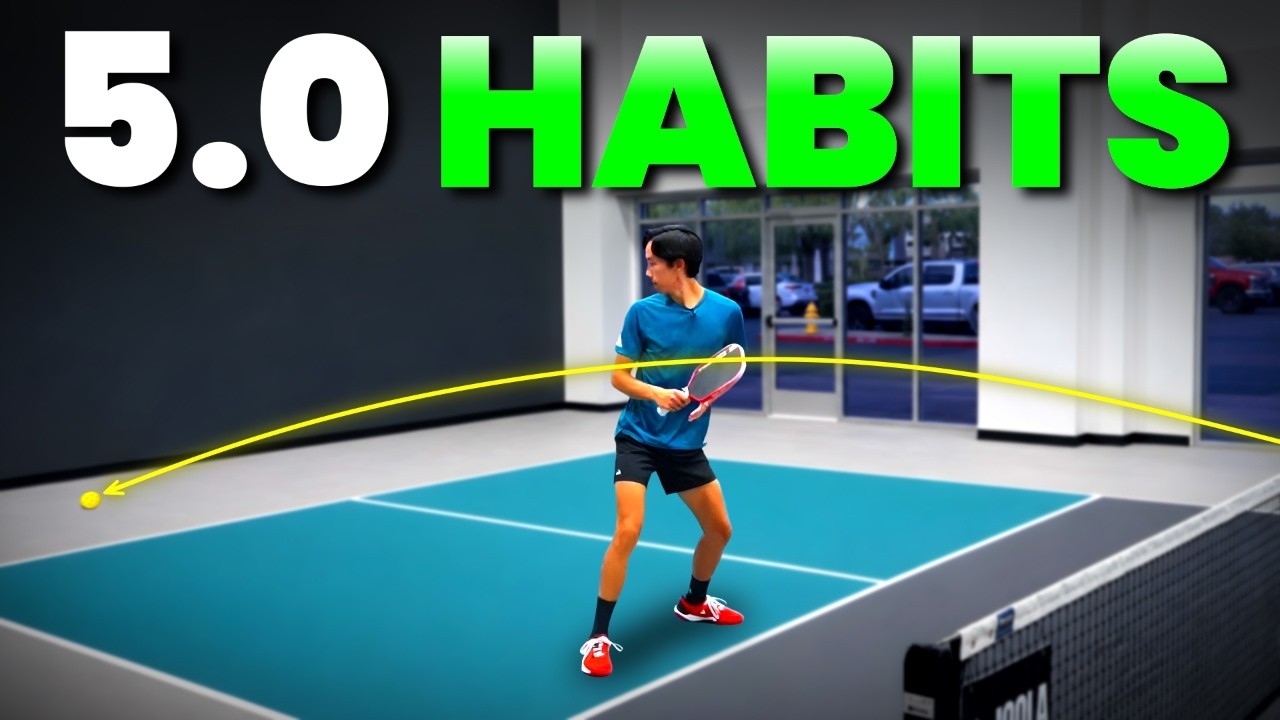
How Do You Actually Move From One Level to the Next?
The path from 3.0 to 4.0 is mostly about eliminating unforced errors. You do not need to hit incredible shots. You need to stop giving away free points.
This is a different challenge entirely.
Consistency is assumed, so now you need shot precision, topspin control on drives, and the ability to reset under real pressure.
For players making that climb, these four drills built specifically for that transition and the 12 drills you need for your best season yet are the place to start drilling with purpose.
The most overlooked factor at every pickleball skill level is footwork. Getting to the ball early changes everything about how your shots come out.
These three footwork drills will make the game feel noticeably slower within a few sessions.
 The Dink Media Team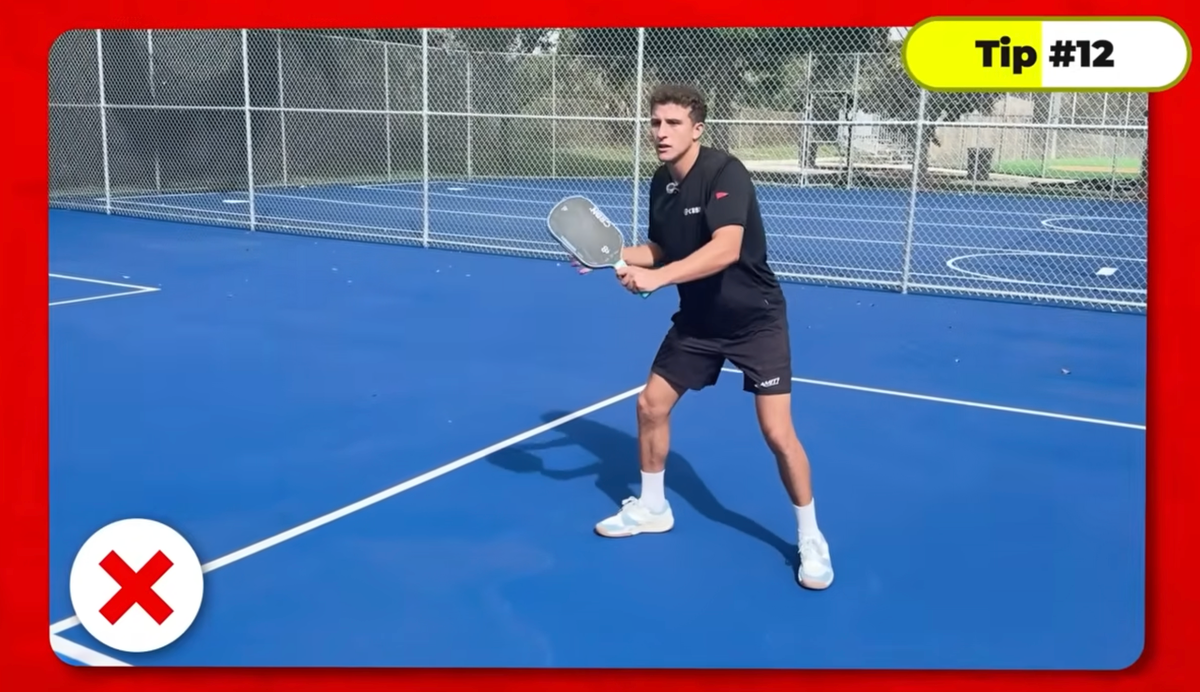
What About the Pro Level? How Far Above 5.0 Is It?
Professional players carry DUPR ratings from 6.0 up to 7-something.
That gap between a 5.0 and a pro is roughly as large as the gap between a 5.0 and a 3.0.
That is not an exaggeration. The difference is that dramatic.
Pros train for hours every single day, follow strict diets, and work with trainers to find small edges. Their spin is heavier than recreational players can generate.
Their power is greater. And unlike most recreational players, they can control exactly where the ball goes even when fully stretched out and under pressure.
The thing that truly separates pros from every other pickleball skill level is recovery. When a pro gets put in a bad position, they get out of it cleanly.
A 5.0 might escape a tough spot once in a while.
Pros do it on almost every rally, which is why players like Anna Leigh Waters and Ben Johns have built entire reputations around never being truly out of a point.
For a closer look at how elite strategy works, here are the four strategies pros use every single game that most recreational players never think about.
 The Dink Media Team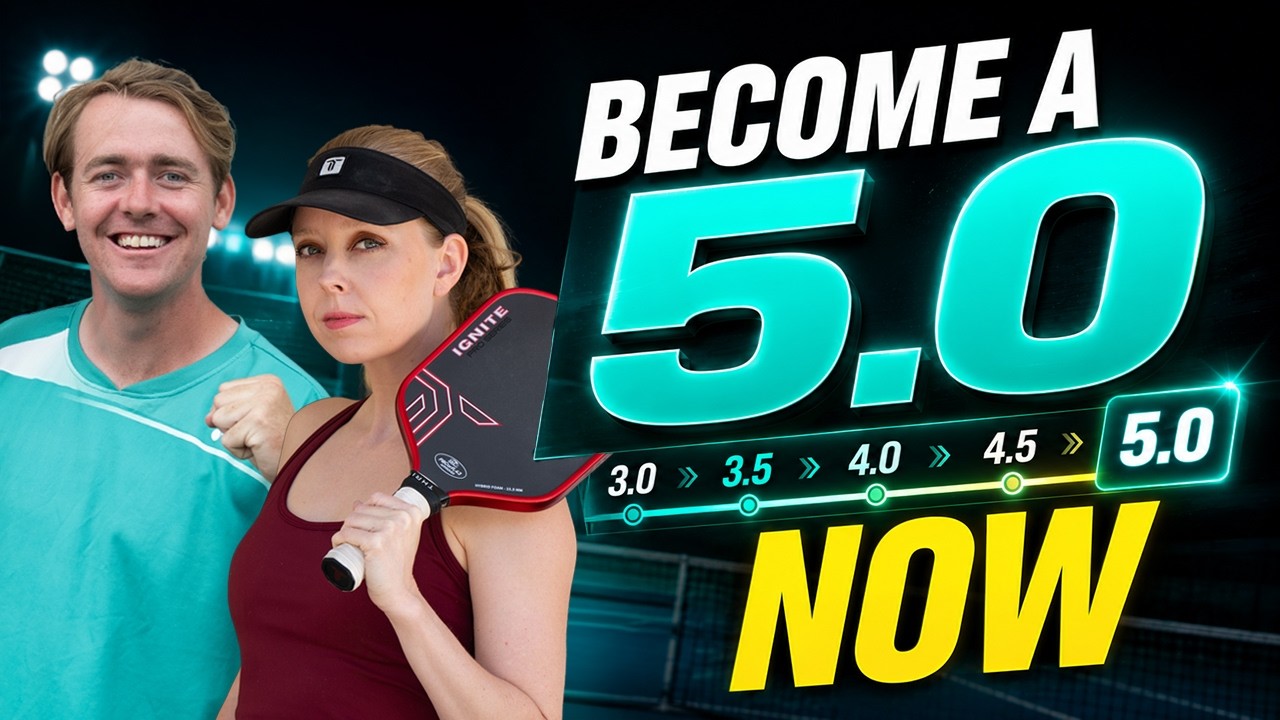
Should You Put Too Much Weight on Your DUPR Rating?
Honestly, no. Your DUPR is only as accurate as the data behind it.
If you play mostly recreational games without logging results, or you had a rough tournament weekend where nerves affected your play, your number will not tell the full story.
Plenty of players are legitimately stronger than their rating suggests, and some are weaker.
Use your rating as a general guide, not a fixed identity.
Focus on drilling consistently and learning the right skill order for improvement instead of obsessing over a single number.
If you are not sure whether you are ready to move up a pickleball skill level, these five signs will tell you more clearly than any rating system can.
The rating is a useful tool. It is not the whole picture.
 The Dink Media Team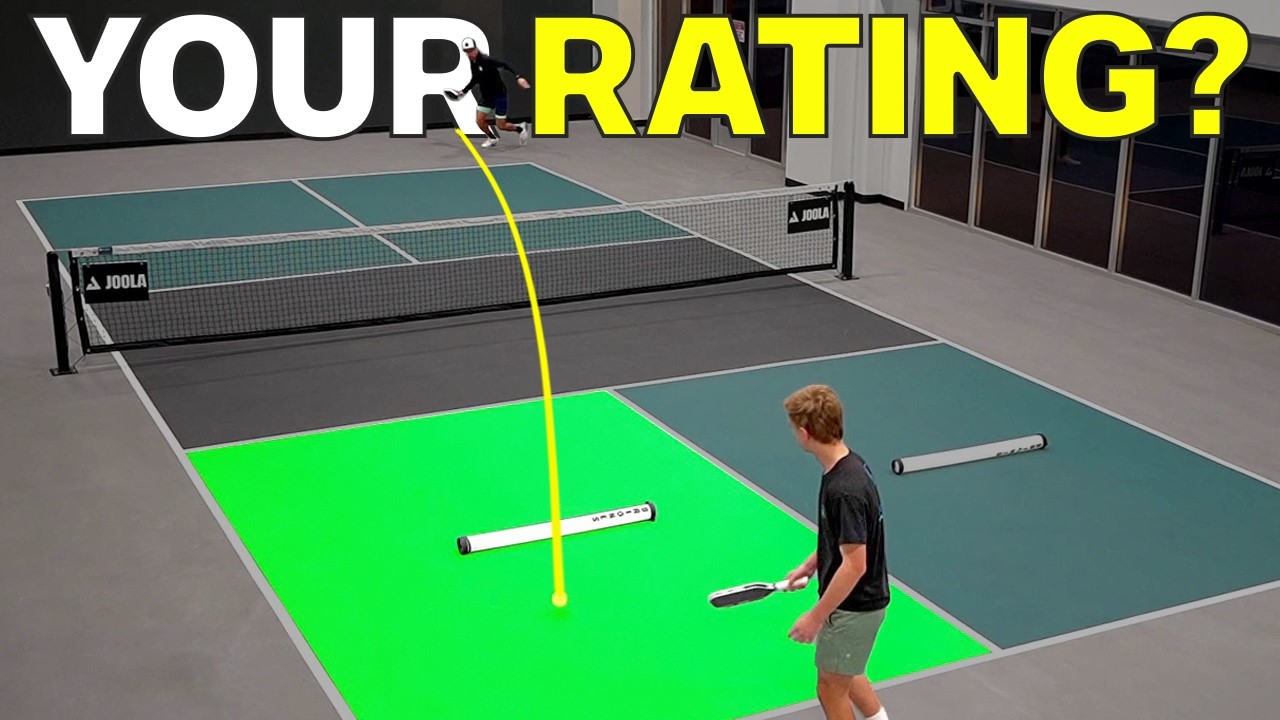
What Level Should You Be Playing At Right Now?
The honest answer: the level where you are actually being challenged. Playing down just to win tournaments is not going to make you better.
Playing up a level in open play is one of the fastest ways to improve. Find courts where you are losing some of the time, because that is where your game grows.
Here is how to identify the right level for open play without guessing.
Every pickleball skill level has something to work on. Even 5.0 players have gaps.
The players who improve fastest are the ones who are honest about where those gaps are and go after them directly in practice.
Frequently Asked Questions
What is the DUPR rating system in pickleball?
DUPR stands for Dynamic Universal Pickleball Rating System and is the most widely used rating system in pickleball. It generates a number based on your match results, with ratings ranging from around 2.0 for complete beginners up to 7-something for the best professionals. The more games you log, the more accurate your DUPR becomes.
What is the difference between a 3.0 and a 4.0 pickleball player?
A 3.0 player is still in survival mode, just trying to keep the ball in play with no real strategy behind their shots. A 4.0 player has become more consistent, can sustain longer rallies, and is starting to execute drops and drives with some intention. The jump from 3.0 to 4.0 is mostly about eliminating easy unforced errors.
What does a 5.0 pickleball player look like?
A 5.0 is the top of recreational play, meaning they almost never miss shots from unforced errors and can generate real power and spin on demand. They can place the ball precisely even under pressure and reset hard balls cleanly. If you see a 5.0 at your local courts, they are the best player in that facility.
How accurate is your DUPR pickleball rating?
Your DUPR is only as accurate as the match data behind it. If you have not logged many games, or if tournament nerves affected recent results, your number may not reflect your actual skill level. Use it as a general reference point rather than a definitive measurement of your ability.
What is the gap between a 5.0 and a professional pickleball player?
The gap between a 5.0 and a pro is roughly as large as the gap between a 5.0 and a 3.0 player. Pro players carry DUPR ratings from 6.0 up to 7-something and train for hours daily with strict discipline around diet, strength, and recovery. The biggest difference is that pros can recover from bad positions and execute precise shots under full pressure, consistently.
Love Pickleball? Join 100k+ readers for free weekly tips, news & gear deals.
Subscribe to The Dink