Most players spend months on pickleball tournament preparation and then blow it the week before. Here's the exact pro plan to fix that.
Solid pickleball tournament preparation does not start the morning of the event. It starts weeks out, and most players are getting it completely wrong.
You've put in the hours at your local courts. You feel good about your game. Then tournament day arrives and you play tight, feel heavy, and wonder what happened.
The problem is almost never your skill. It's everything you did (and didn't do) in the days leading up to the first match.
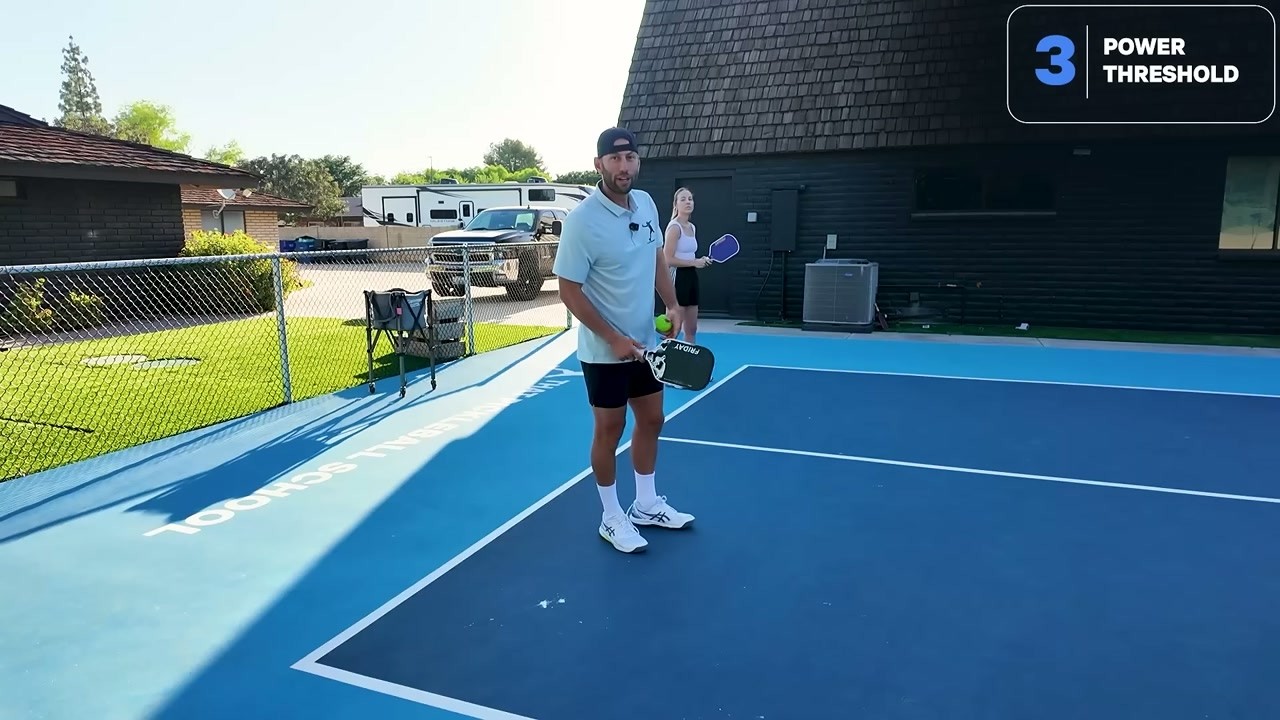
This breakdown comes straight from Zane Navratil on YouTube, where Zane walks through his exact week-by-week prep routine built over 13 years of competitive play and multiple MLP, PPA, and APP championships. Here is what actually works.
Love pickleball? Then you'll love our free newsletter. We send the latest news, tips, and highlights for free each week.
Start One Month Out, Not One Week Out
Most players think tournament prep is a last-minute thing. It isn't. The work that actually moves the needle begins a full month before competition day.
The first thing to handle in your pickleball tournament preparation is partner practice.
The more reps you get with your specific partner before the tournament, the better your communication, positioning, and chemistry will be under pressure.
 Zoey Weil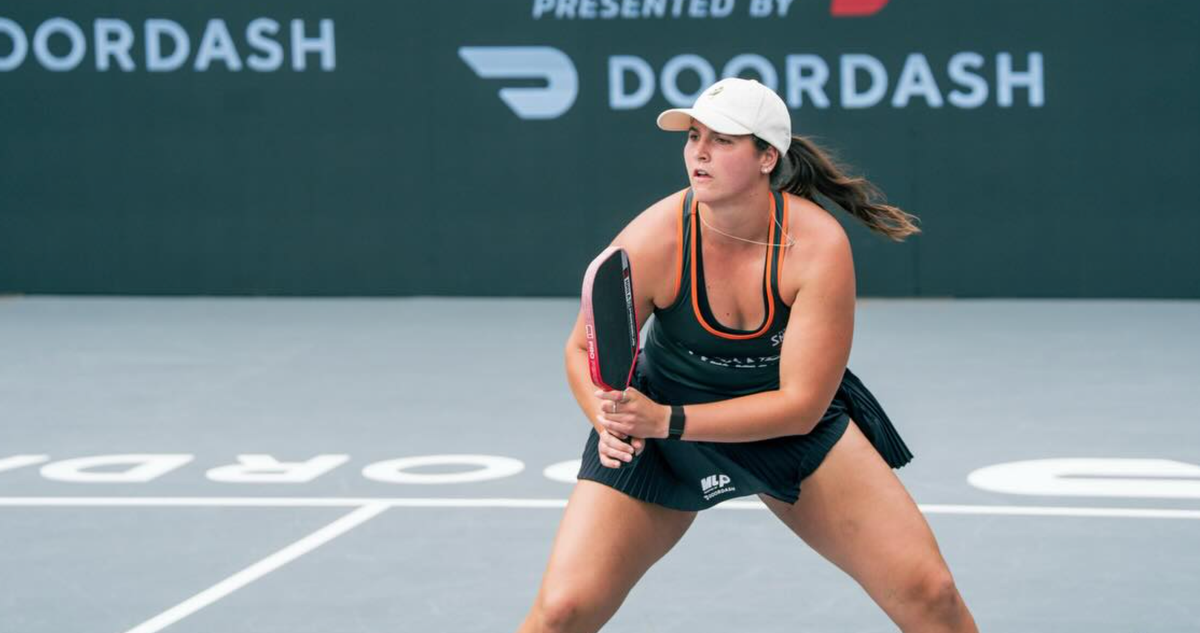
Before one MLP season, the Chicago Slice flew the entire team to Austin just to get practice time together.
That kind of investment reflects how seriously top teams take this step.
The second thing to nail down immediately is logistics. Book your flights for the morning before the tournament starts, not the night before. Get lodging close to the venue.
Coordinate all of this with your partner early, so there is zero scrambling when the week arrives.
For the three weeks after that, build a steady rhythm of play. Focus on no more than one weakness at a time.
If you try to overhaul your game in this window, you will arrive at the tournament mid-change and nothing will feel reliable.
Drill for 30 to 45 minutes, then play for 90 minutes to two hours.
Zane's ratio is roughly 2:1 play to drilling, and he finds serious diminishing returns past two and a half hours in a single session.
Are You Actually Practicing to Win, or Just Playing Casually?
This is one of the most overlooked parts of pickleball tournament preparation.
Going a full month playing casual recreational games with no pressure, then trying to flip a switch for a competitive tournament, is a recipe for nerves and tight play.
You need to simulate match energy before the event.
Zane does this through what he calls carrots and sticks: he bikes seven miles for every game lost in a session.
Others put a small amount of money on games.
The method matters less than the outcome. You need to feel real pressure before you walk onto a tournament court.
Check out this resource on pickleball tournament tips that stop unforced errors to layer this kind of competitive mindset into your prep from the start.
The Week Before: Where Most Players Self-Destruct
The week of the tournament is arguably the most important stretch of your entire prep cycle.
Here is how to structure it if the tournament starts on a Saturday.
The Day-by-Day Pickleball Tournament Preparation Blueprint
- Sunday: Light cardio or sauna, followed by a stretching and mobility session. Get the body warm and loose, not worked out. Ben Johns uses hot yoga.
- This is about physical readiness, not fitness gains.
- Monday: A focused drill session of 90 minutes to two hours. Hit every stroke, find your rhythm, and make any last adjustments. Do not add new shots this week.
- Tuesday: Intense recreational play, but keep it to two hours maximum. Train yourself to be sharp from the very first point, not after a few games to warm up.
- Wednesday: Full rest day. Light cardio and stretching only. This is the last true recovery day before competition.
- Thursday: One more short, intense session. If you can get your partner on the court, do it.
The key word throughout this week is quality over quantity.
Playing six hours a day and showing up mentally and physically drained is one of the most common mistakes Zane sees from amateur players.
 The Dink Media Team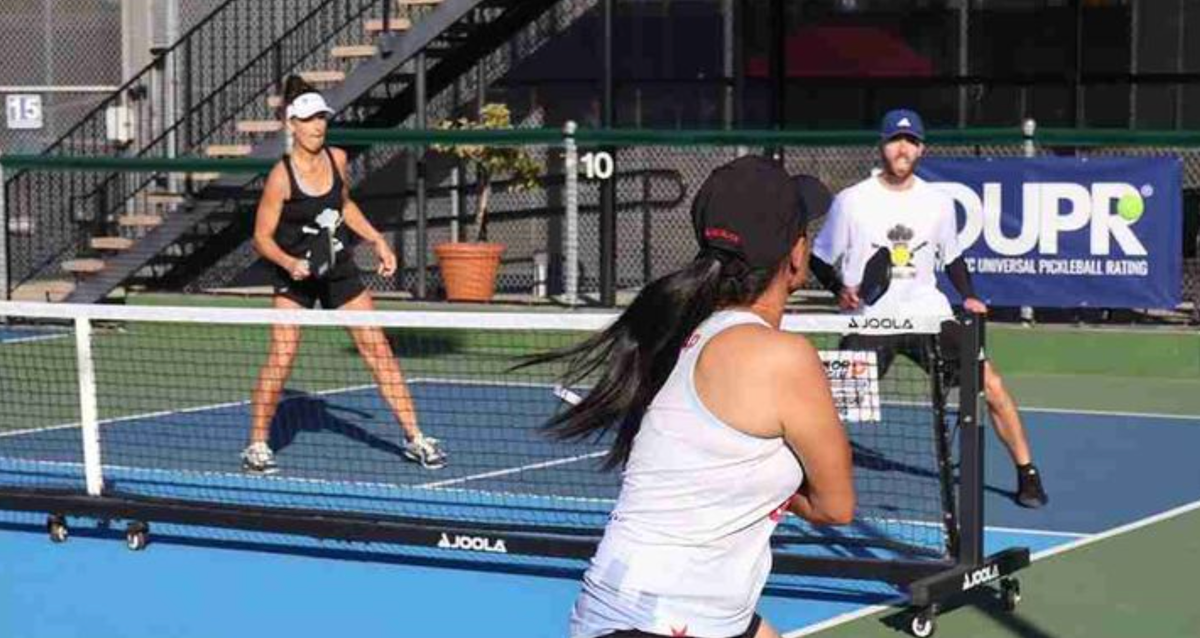
Why Hydration Is a Performance Skill, Not an Afterthought
Improper hydration hurts your power output, speed, reaction time, hand-eye coordination, and endurance.
All of those things matter enormously in pickleball. And no, drinking a big glass of water the morning of the tournament does not fix it.
Proper hydration starts several days before the event, and it means water with electrolytes, not plain water alone.
Research on hydration and athletic performance suggests that getting electrolytes into your system consistently in the days leading up to competition can make a measurable difference in how you feel and perform on the court.
Waiting until tournament morning to hydrate is one of the most damaging pickleball tournament preparation mistakes on the list.
Start early and be consistent about it.
 The Dink Media Team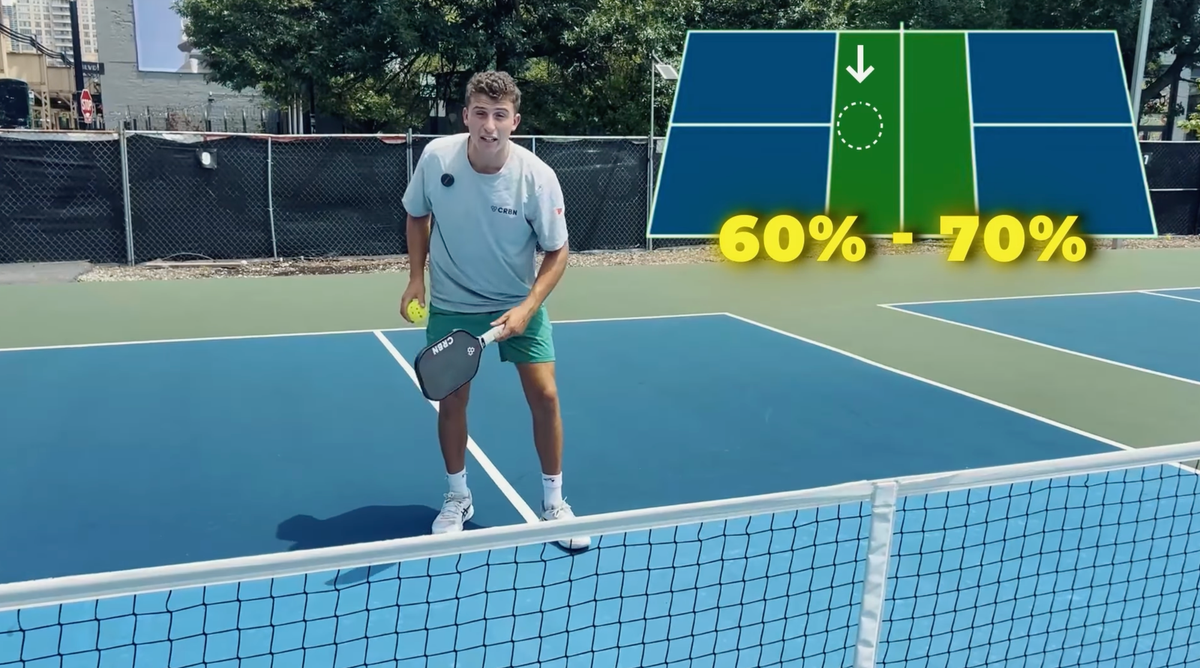
What Should You Do the Day Before the Tournament?
The day before is usually a travel day, but treat it as a performance day. Travel in the morning so you have time to adjust to the new courts and conditions.
Courts and outdoor environments vary significantly from venue to venue, even a few miles apart.
Once you arrive, run a full dynamic warm-up before you ever pick up your paddle.
Anna Leigh Waters never skipped this step during her entire time as Zane's teammate.
After the warm-up, hit for about 30 minutes to find rhythm, then play three to four intense games.
Cap the total session at about two hours so you're not burning out before the tournament even begins.
That evening, review your potential first-round matchups with your partner. Here are the four strategic questions worth working through together:
- Where are you returning to? Factor in who drops better and who is dangerous when poaching.
- What is your third shot strategy? Drop or drive, and does one opponent have a strength you want to avoid? If not, default to hitting the third shot toward the player still transitioning in.
- Who handles the transition zone better? Consider both moving forward and defending from the baseline. Know who resets more reliably when things go sideways.
- What is your kitchen strategy? Define a perfect point pattern and identify what you want to avoid. For example, avoiding a specific opponent's backhand roll off the bounce.
Understanding how to beat different pickleball player types before you ever step on court gives you a massive mental edge in this planning phase.
 The Dink Media Team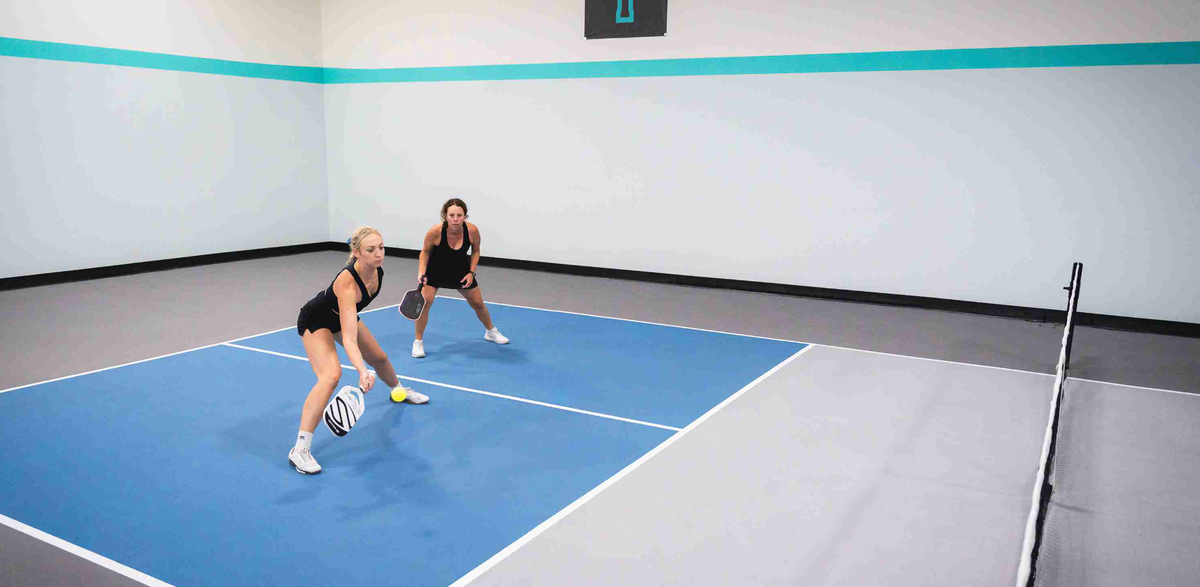
What to Bring: The Pickleball Tournament Preparation Bag Checklist
After the strategy session, eat a large and familiar meal.
This is not the night to try a new restaurant or a different cuisine.
Pack your bag using a physical checklist so you are not lying awake at 2am wondering if you forgot something.
A solid bag checklist includes:
- Two to three paddles with fresh overgrips
- Your own water bottle plus electrolyte packets
- A portable charger (tournament days are long)
- Multiple sets of clothes (change after every match)
- Towels, anti-inflammatories, and snacks
- Hat and sunglasses if you are playing outdoors
Once the bag is packed, go to sleep. Maintain your normal sleep schedule rather than forcing an early bedtime.
Lying in bed anxious and frustrated because you cannot sleep is worse than simply resting quietly.
 The Dink Media Team
Morning of the Tournament: The Final 90 Minutes
The very first thing you do when you wake up is hydrate with electrolytes. Do not wait until you get to the venue.
For breakfast, eat as much as you can without feeling stuffed. Most pros, including Zane, prefer to play on a nearly empty stomach.
A heavy meal before competition leaves you feeling slow and weighed down.
Arrive at the venue at least two hours before your first match. There is always something that goes wrong.
Paddle testing, finding warm-up courts, gear issues: leave yourself enough buffer to handle it without stress.
Managing nerves effectively starts with giving yourself enough time so that nothing feels rushed.
 The Dink Media Team
How to Warm Up Before Pickleball Tournament Play
About 90 minutes before match time, begin your warm-up sequence: 10 minutes of dynamic movement, 20 minutes of on-court hitting, and then 20 to 30 minutes of games at full match speed.
Execute your planned strategy during warm-up, even if the opponents you are warming up against do not match who you will face.
You are training your habits, not just your strokes.
Stop hitting about 30 minutes before match time. Change into fresh clothes, find a quiet spot, and lock in mentally. Embrace the nerves.
They mean you care. Your opponents feel the exact same way, and the player who has prepared properly will have a real edge once the ball starts moving.
For a deeper look at simple pickleball strategy that wins more matches, pair that mental preparation with a clear tactical framework so you walk on court knowing exactly what you are trying to do.
Between matches, get out of the sun, change clothes, eat a small amount even if you are not hungry, and do your dynamic warm-up again before every single match.
Your body stiffens up between games faster than you think.
If you want to improve your ability to read opponents mid-tournament, understanding third shot drop placement fixes and when to drop versus drive will give you better answers in real time.
And if you want to build more pressure during those intense pre-tournament games, learning the warm-up routine pros never skip will set the tone from your very first drill rep.
Also worth adding to your prep: the drills a PPA pro still uses every practice session and how to master impulse control during competition.
The preparation is the win. Everything after that is execution.
Frequently Asked Questions
How far in advance should I start preparing for a pickleball tournament?
Start your pickleball tournament preparation at least one month out. Use the first three weeks to build consistent practice habits and simulate competitive pressure, then shift to a structured week-of routine starting seven days before the event.
How much should I play the week of a pickleball tournament?
Keep sessions short and intense rather than long and casual. Two hours of focused play beats six hours of casual rallying every time. Your goal is to arrive at the tournament feeling sharp and fresh, not worn out.
When should I start hydrating before a pickleball tournament?
Begin consistent hydration with electrolytes at least two to three days before the tournament. Drinking water the morning of is not enough. Electrolyte intake in the days prior directly improves power, reaction time, and endurance on the court.
Should I try new shots or fix technique the week before a tournament?
No. The week of the tournament is not the time to change anything. New techniques break down under pressure.
Focus on executing what you already know well and getting into a strong rhythm.
What is the best warm-up routine before a pickleball tournament match?
Run 10 minutes of dynamic movement before you touch a paddle, then 20 minutes of on-court hitting, followed by 20 to 30 minutes of games at full match speed. Stop hitting roughly 30 minutes before match time and find a quiet spot to mentally prepare.

Love Pickleball? Join 100k+ readers for free weekly tips, news & gear deals.
Subscribe to The Dink