4 Rules That Help the Weaker Player Win More Pickleball Games
Being the weaker player pickleball doesn't have to mean handing opponents free points. These four rules give you a plan that wins games without relying on raw talent.
Being the weaker pickleball player puts you in a tough situation, but it's not hopeless. It just means you need a smarter plan than the people across the net.
Most players in this spot make the same mistake.
They try to match the stronger players shot for shot, get pulled into chaos they can't control, and end up making the errors that cost the match.
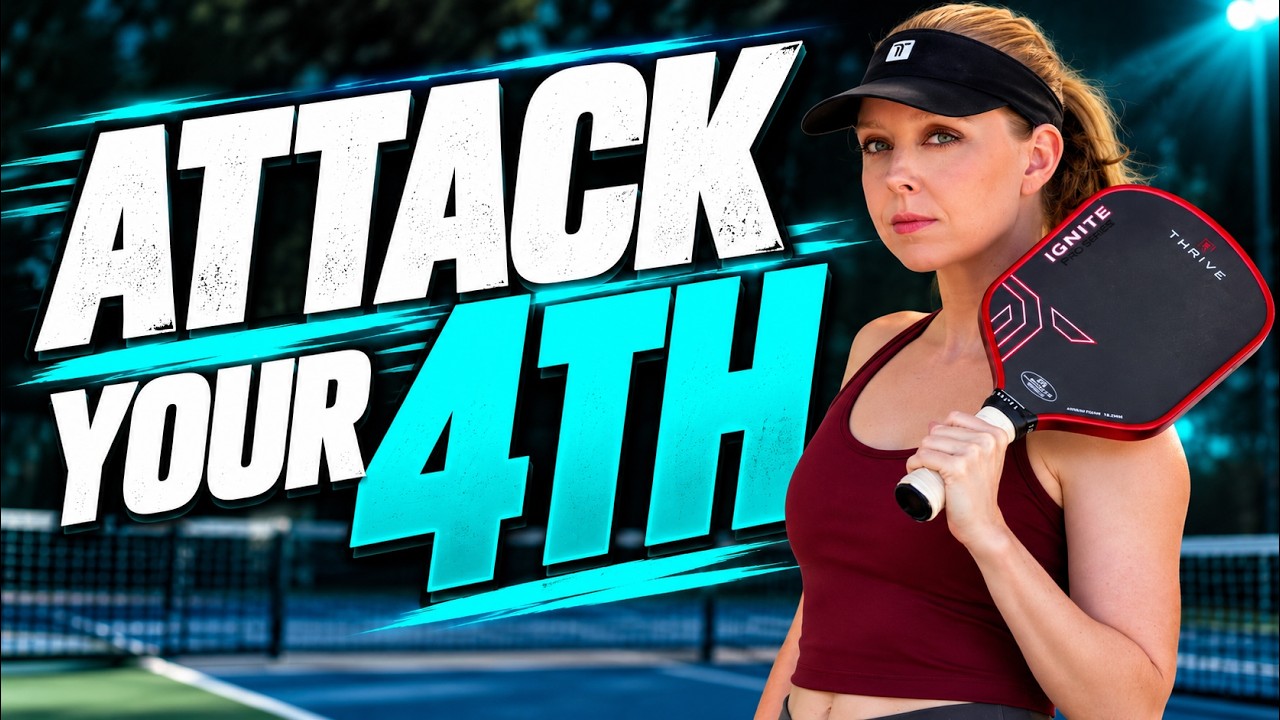
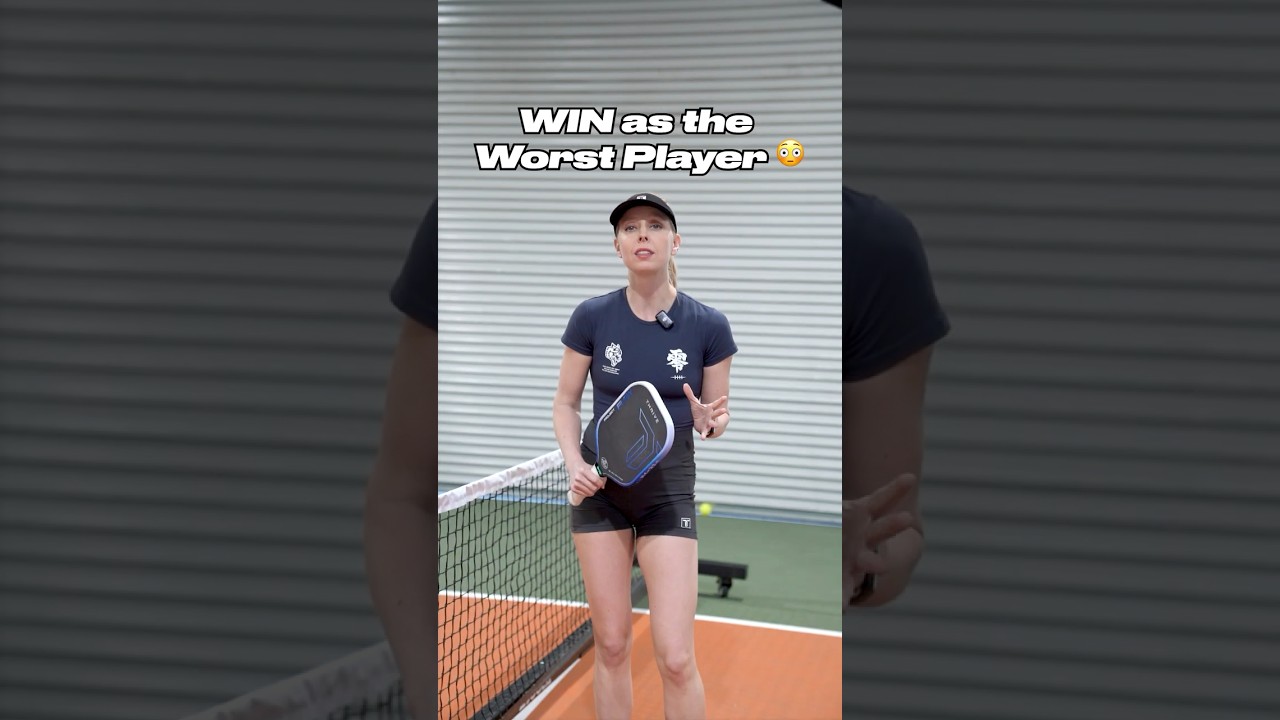
These four rules come from Cori Elliott on YouTube, who breaks down exactly how to compete and win when you are outgunned on the court.
Whether you are playing with a weaker partner or you are the weaker partner, this is the framework that changes everything.
Love pickleball? Then you'll love our free newsletter. We send the latest news, tips, and highlights for free each week.
The Real Goal Is Control, Not Winning Rallies
Here is the mindset shift that makes everything else work. Your goal is not to win rallies. Your goal is to control them.
Winning a rally means finishing a point with a great shot.
Controlling a rally means keeping the ball in places that make your opponents uncomfortable, patient, and prone to error.
Those are two very different games. One requires talent. The other requires discipline.
When you stop chasing winners and start managing where the ball goes, you become a much harder player to beat.
The stronger players on the other side of the net are expecting you to crack first. Your job is to make sure they crack instead.
This is not passive pickleball.
It is calculated pickleball, and it is exactly how the quieter player in a foursome often walks off the court with more wins than anyone expects.
Rule 1: Never Speed Up First
The first rule is simple and non-negotiable. Do not initiate the speed-up.
When you are the weaker player, you do not have the fast-hands margin to win a firefight at the kitchen.
If you speed the ball up and the stronger player is ready, you are handing them exactly the situation they thrive in.
Make them start the chaos. Let them be the ones who decide to escalate the pace.
 Zoey Weil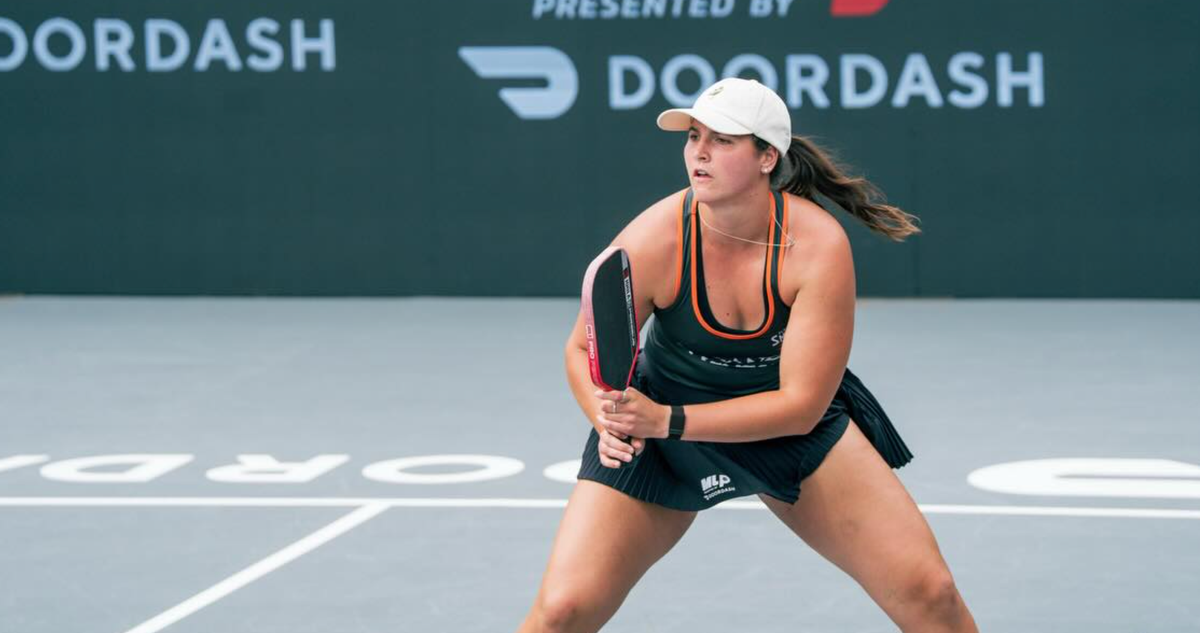
When they do, your job is to block and reset, not to counter-attack with the same energy.
The reason this works is pressure. When you keep feeding neutral, low, controlled balls, the stronger player gets antsy. They want to speed up.
They want to attack. And when they finally do, they are often the ones forcing a shot that isn't quite there yet.
Understanding why your speed-up keeps getting attacked is critical context here. The stronger player is waiting for that ball.
Do not give it to them on your terms. Make them earn the opportunity.
What Does "High Percentage" Actually Mean?
Before getting into targets and shot selection, it helps to define one term clearly.
High percentage shots are shots that land in the court the vast majority of the time, put your opponent in a difficult position, and do not require perfect execution to be effective.
Low percentage shots are flashy, require a narrow margin for error, and often produce the same result as an unforced error when they miss.
For the weaker player, the math strongly favors high percentage every single time.
 The Dink Media Team
Rule 2: Aim at the Weaker Opponent 80% of the Time
Every level of pickleball has an identifiable weaker player on the other side of the net. Your job is to find that player fast and make them the primary target.
Eighty percent of your shots should be directed at the opponent who is least likely to hurt you with the next ball.
This is not poor sportsmanship. This is basic doubles strategy that pros use at every level of the game.
Knowing how to find your opponent's weak spot is a skill you can develop quickly.
Watch the first few rallies carefully. Who moves slower? Who pops balls up? Who looks uncomfortable on the backhand side? That is your target.
Once you identify the weaker player, run the ball through them relentlessly. Keep them engaged in the rally. Force them to make decisions under pressure.
Over time, they will give you the error or the ball you can put away.
 The Dink Media Team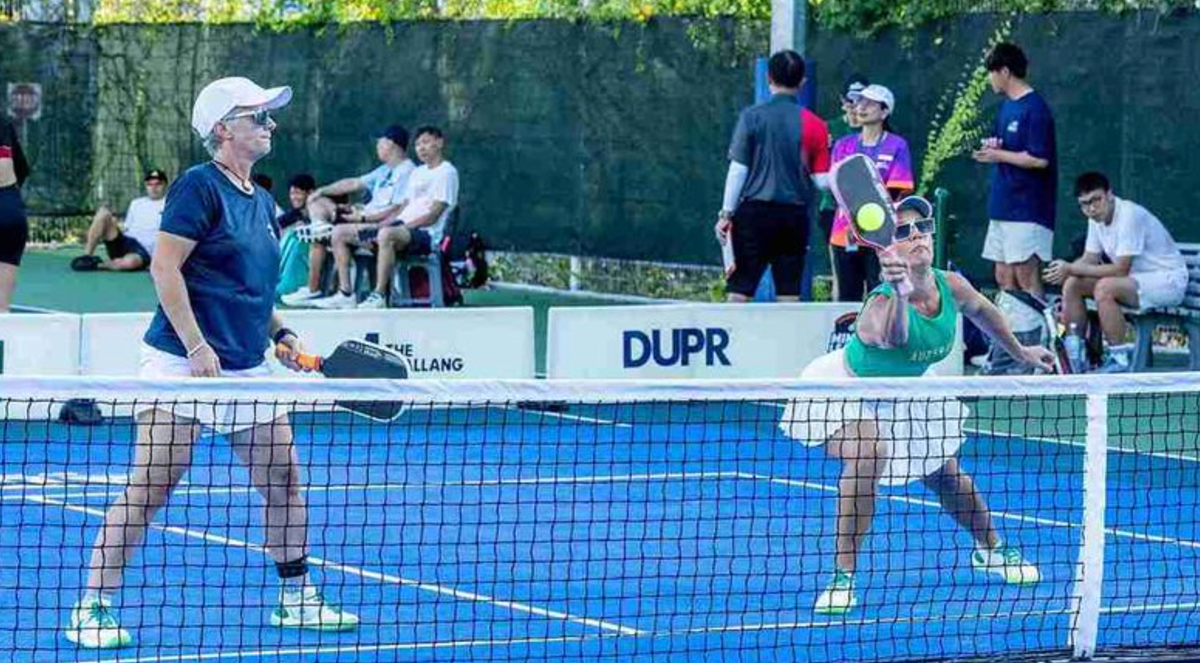
Rule 3: Play High Percentage Targets Every Time
This rule comes down to three specific targets you should be hitting over and over again.
- Deep middle: Splitting two opponents causes communication breakdowns and forces awkward shots from both players.
- Backhand feet: This is one of the hardest balls to handle cleanly in the game, especially under pressure.
- Neutral dinks: Cross-court, low, and soft. These reset the rally and give you time to recover position.
The deep middle is especially powerful because it creates hesitation.
When a ball goes between two players, there is always a split second of "yours or mine?" That hesitation leads to late swings, mishits, and errors.
The backhand at the feet is a target that even strong players struggle with. A soft shot right at the feet requires a very specific skill set to handle cleanly.
Most players at the recreational level do not have it fully dialed in.
Neutral dinks keep you in the rally without giving your opponent anything to attack.
If you want to understand why staying low and consistent matters, look at what kitchen line specialists like Tyra Black do during extended dink exchanges.
They never give you a ball that sits up.
Study that approach and copy it.
 The Dink Media Team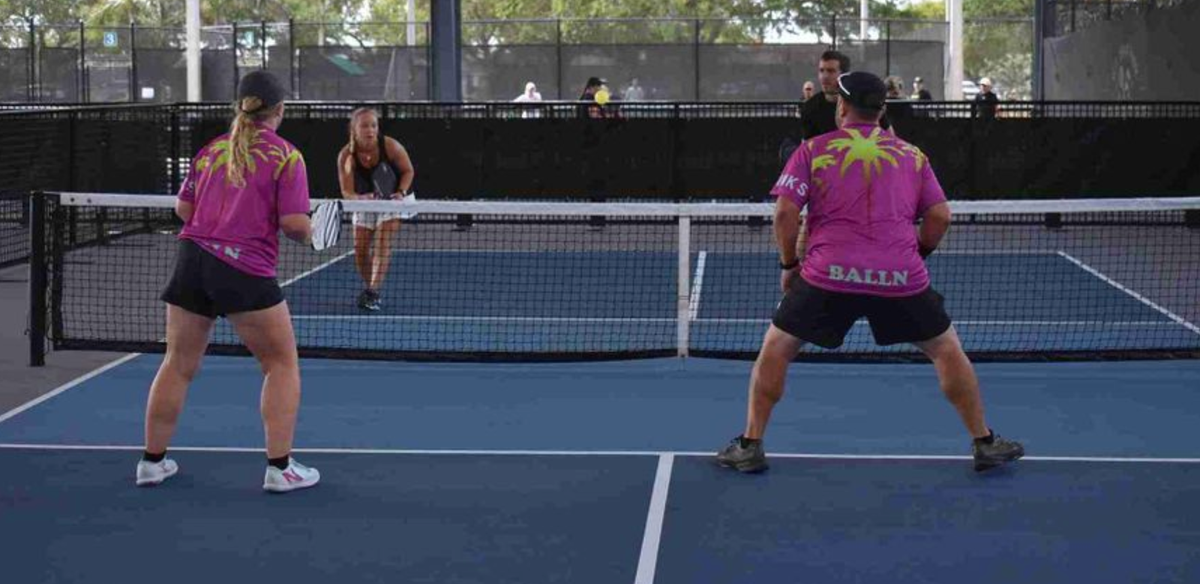
Is Consistency Really More Valuable Than Power?
Yes, and the math proves it. If a player hits two winners and seven errors in a game, they have contributed a net loss of five points to their team.
A player who hits zero winners and zero errors contributes zero net points lost.
The consistent player wins that comparison every single time.
This is not a minor edge. In a game to eleven, five free points is a massive deficit to dig out of. Consistency is not a consolation prize for players without power.
It is a genuine competitive weapon.
 The Dink Media Team
Rule 4: Be Consistent, Not Creative
This is the rule that most recreational players resist the hardest. Stop trying to do too much.
The hero ball mentality, where you go for the around-the-post, the erne, or the sharp angle winner at a critical moment, is the single biggest reason weaker players lose matches they should have stayed competitive in.
Two winners and seven mistakes is a losing trade every single time.
Avoiding unforced errors in pickleball is something coaches talk about constantly, but few players actually commit to it during match play.
The urge to go for something spectacular is powerful, especially when you feel behind or frustrated.
 Andrei Daescu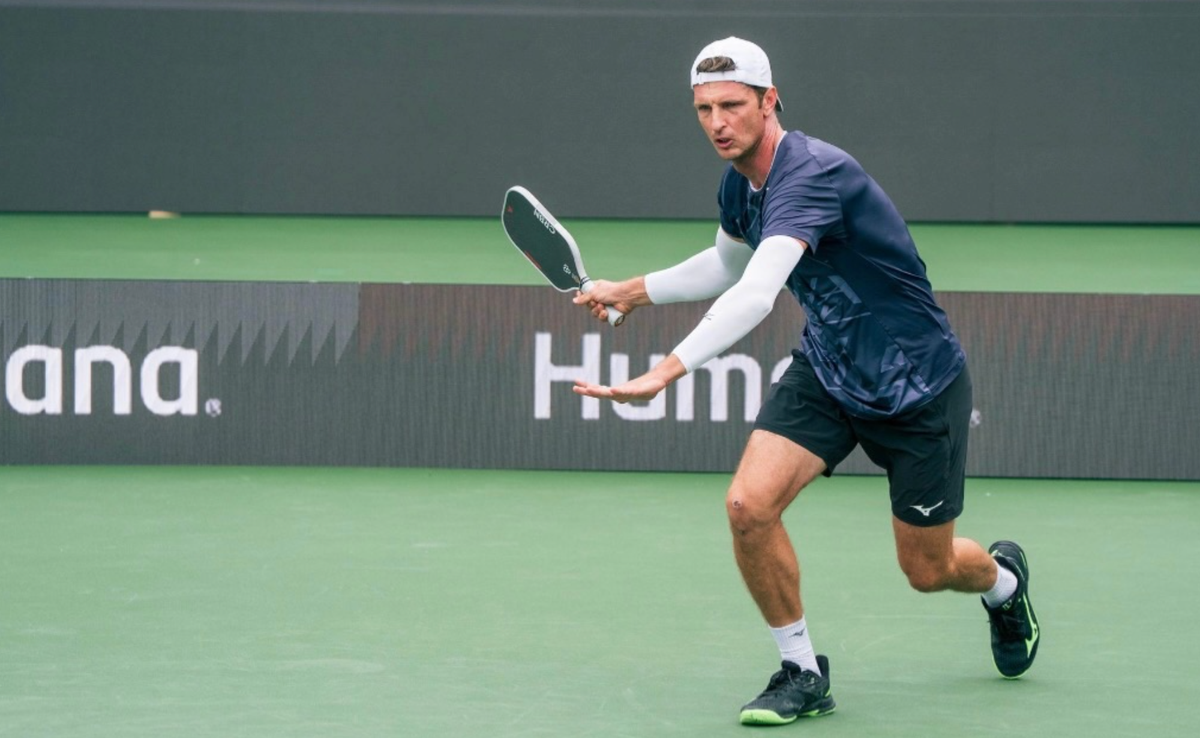
Train yourself to resist that urge. The quiet player with zero errors is far more dangerous than anyone in the game expects.
They do not beat themselves. They force the other team to solve the problem, and often the other team cannot do it consistently enough to pull away.
There is also a partnership dynamic at play here. If you are the weaker partner, your job is not to carry the team with highlights. Your job is to not be a liability.
Playing doubles with a beginner partner or being the beginner in that pairing requires the same discipline: keep it clean, hit your targets, and let the match come to you.
Consistency also requires knowing how to stop overhitting. Power is not the problem on its own.
Uncontrolled power is. The moment you start chasing pace instead of placement, you are playing a game the stronger player has already won.
 The Dink Media Team
How to Put These Four Rules Into One Coherent Game Plan
The four rules work together as a system, not as individual tricks you pull out one at a time.
- Let the strong player start the chaos. Stay patient at the kitchen and resist speeding up first.
- Identify the weaker opponent within the first few rallies and direct 80% of your shots toward them.
- Keep your target selection simple: deep middle, backhand feet, and neutral cross-court dinks.
- Count your errors, not your winners. The player with fewer unforced errors almost always wins.
This approach requires real mental discipline.
Understanding impulse control in pickleball is genuinely one of the hardest skills to develop because it goes against every instinct you have when a juicy ball floats up in front of you.
When you feel the urge to swing big, come back to the plan. Control the rally. Pick the right target. Do not give free points away.
The stronger players across the net are counting on you to make their job easy. They expect you to panic, go for too much, or give up position.
When you refuse to do any of those things, you become a genuinely difficult puzzle to solve.
And difficult puzzles lose games for the team that is supposed to win.
If you want to build on this framework, working on pickleball defense mastery is the natural next step.
Pairing that with a consistent dinking game gives you a foundation that holds up at almost any level you face.
You do not need to be the best player on the court to walk off with a win.
You just need to be the one who makes the fewest mistakes and puts the ball in the right places. That is a game anyone can play.
Frequently Asked Questions
How do you win pickleball when you are less skilled than your opponents?
The weaker player pickleball strategy that works best is built on three things: avoiding unforced errors, targeting the weaker opponent 80% of the time, and refusing to speed up first. Skill gaps matter far less when one team is giving away free points and the other is not.
What does it mean to control a rally in pickleball?
Controlling a rally means directing the ball to specific high-percentage targets, like the deep middle or backhand feet, rather than trying to end the point with a winner. A player who controls rallies keeps the ball in play, forces opponents into uncomfortable positions, and lets errors happen naturally on the other side.
Should the weaker doubles player speed up the ball?
No. The weaker player should almost never initiate a speed-up. When you escalate the pace, you give the stronger player exactly the fast-hands exchange they are built to win.
Let them start the chaos and focus on blocking and resetting when they do.
What are the best shot targets for a weaker pickleball player?
The three most reliable targets are the deep middle, the backhand at the feet, and neutral cross-court dinks. These shots are repeatable, put opponents in difficult positions, and do not require perfect execution to be effective.
How do you stop making so many unforced errors in pickleball?
Start by removing the hero shots from your game entirely during match play. Choose a target before every rally and commit to hitting that target with control rather than power. Tracking your errors per game, rather than your winners, gives you honest feedback on where the leaks are.

Love Pickleball? Join 100k+ readers for free weekly tips, news & gear deals.
Subscribe to The Dink