
Why YouTube Alone Won't Fix Your Pickleball Game (And What Will)
YouTube is a great starting point for pickleball coaching, but it can't see what's going wrong in your specific game. Here's the middle ground that actually gets you unstuck.
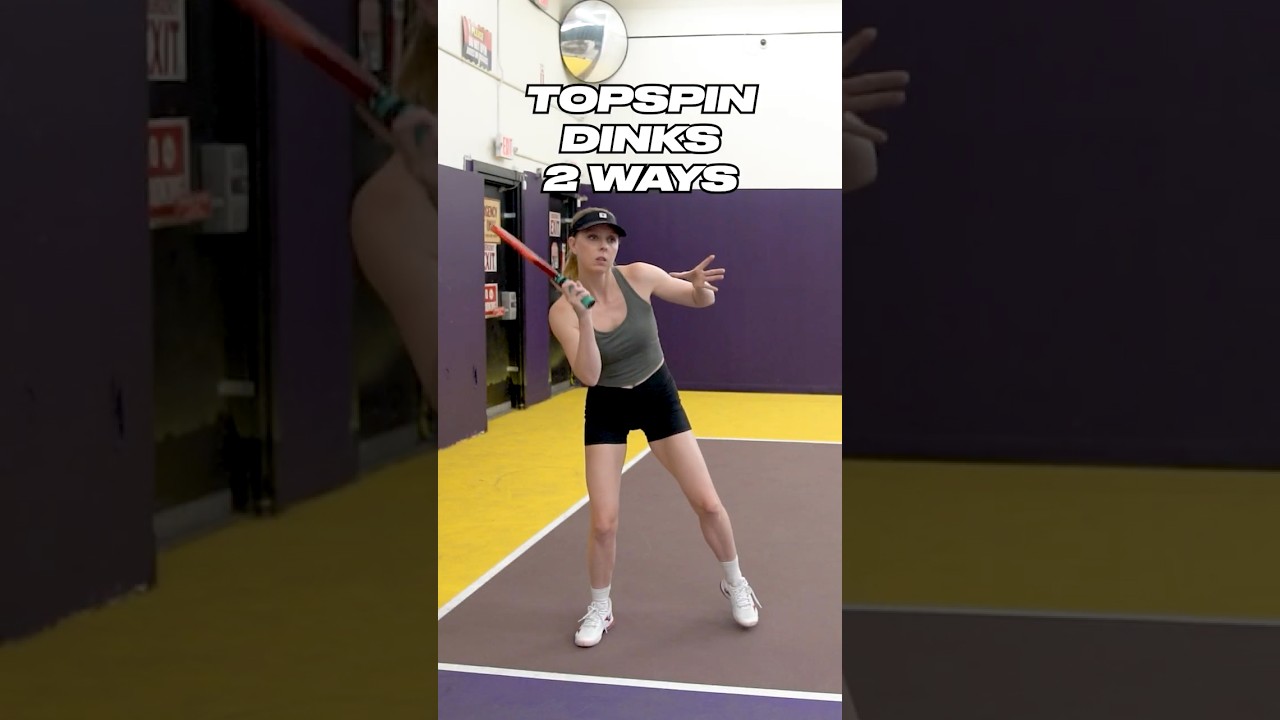
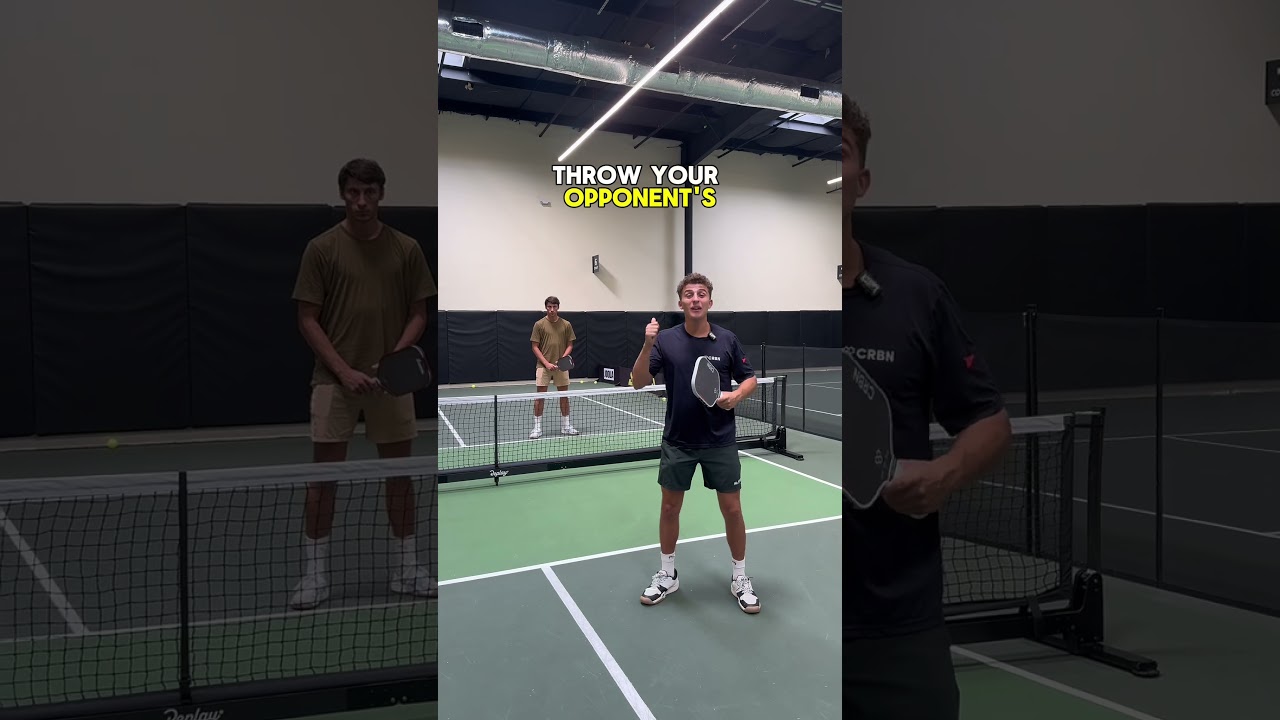
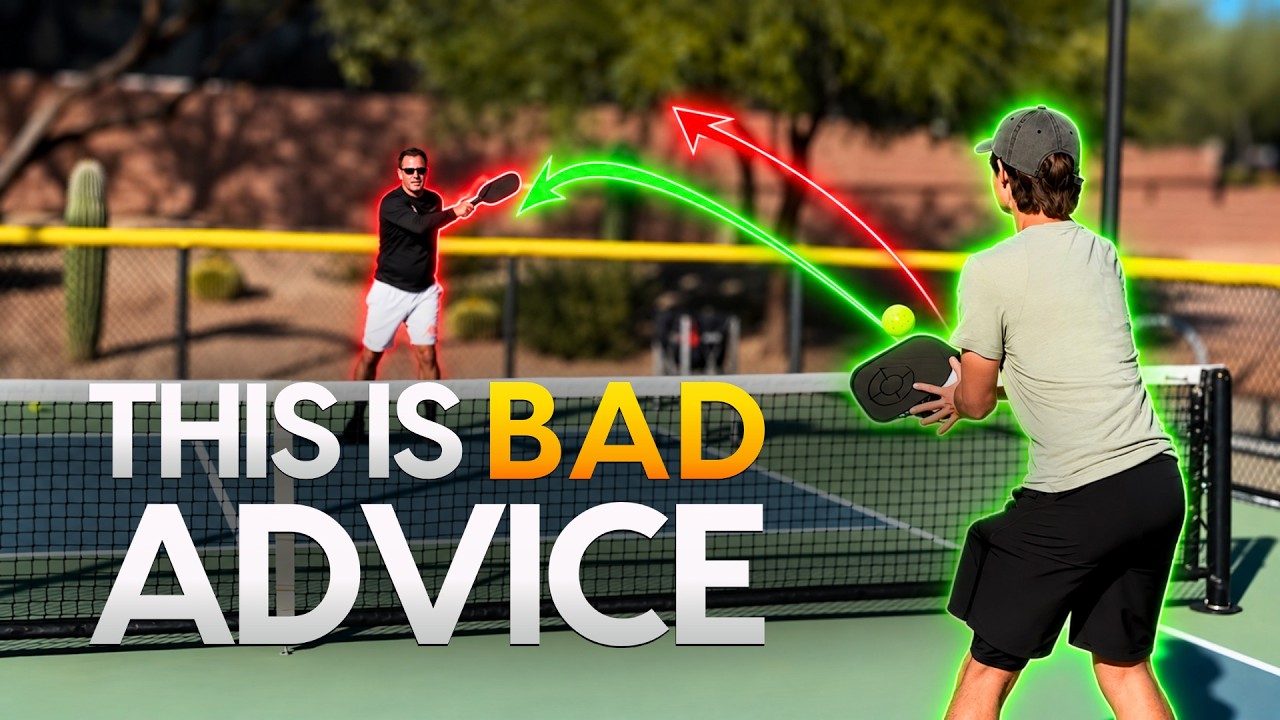
Pickleball coaching is everywhere on YouTube, and if you've spent any time watching instructional videos, you've probably improved because of them.
But at some point, you hit a wall. You watch the video, you understand the concept, you go out and try it, and something still feels off.
You don't know if you're doing it right, and nobody is there to tell you.
That gap between watching and actually knowing is exactly what this article is about.
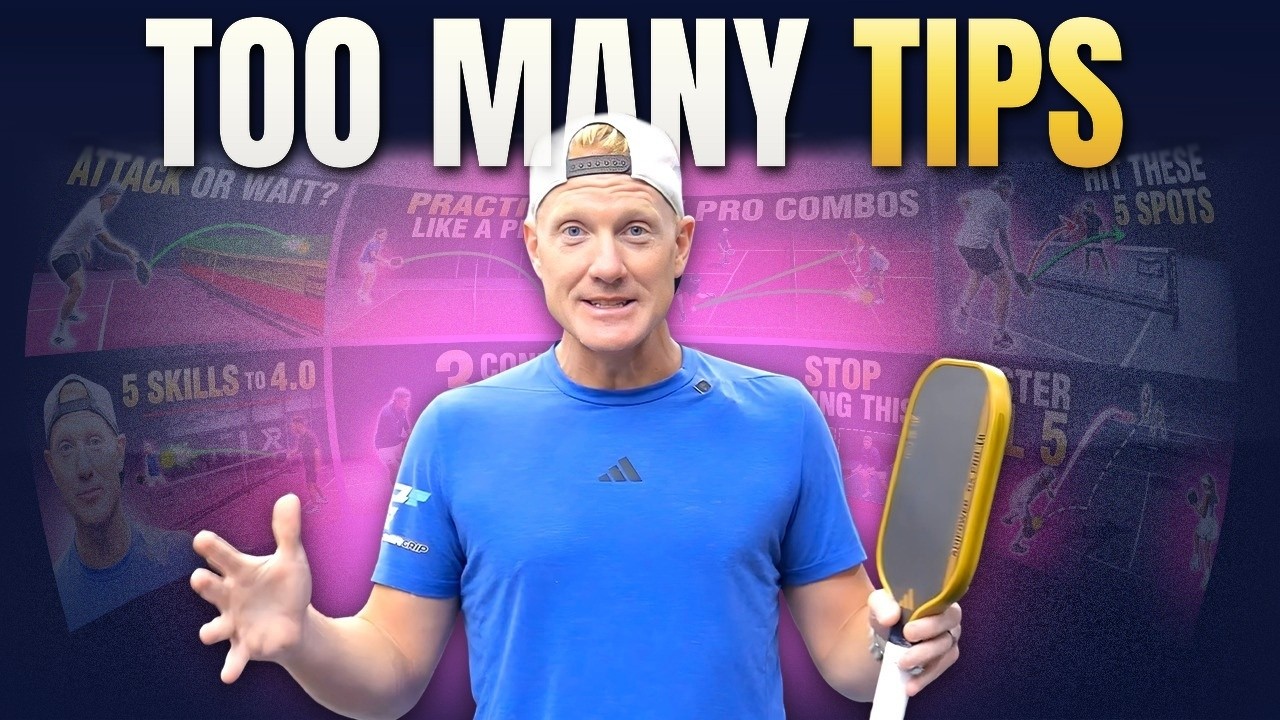
This breakdown is inspired by John Cincola on YouTube, who laid out the core problem with free content and explained the feedback loop that actually moves your game forward.
Love pickleball? Then you'll love our free newsletter. We send the latest news, tips, and highlights for free each week.
The Real Problem With Learning Pickleball From YouTube
YouTube is free and there is an enormous amount of content out there. That's genuinely useful, especially when you're starting out or picking up a new concept.
But free content has a hard limitation: it's built for the average player, not for you specifically.
When a coach films a video about the third shot drop, they're addressing the most common mistakes they see across thousands of players.
They can't see your footwork. They can't see your paddle angle. They can't tell you whether what you're doing is actually wrong or just slightly off.
That's not a knock on YouTube creators. It's just the structural limitation of one-way content.
You watch, you try, and then you guess about whether you're on the right track.
The guessing is where most players stall out.
Why Private Lessons Work (And Why Most Players Don't Take Them)
Private lessons solve the guessing problem completely. A coach watches your game, identifies exactly what's broken, and tells you specifically what to fix.
That feedback loop is powerful. Instead of wondering if your reset is the issue, a coach confirms it, explains why, and gives you a drill to correct it.
You leave with a clear picture of what's happening in your game.
The obvious downside is cost. Private lessons from a qualified coach add up quickly, and not every player has access to a good one in their area.
Many recreational players are stuck choosing between free YouTube content and an expensive option that may not even be locally available.
There's also a consistency problem. You take a lesson, get great feedback, go practice for two weeks, and then come back with new questions.
Without ongoing access to that coach, you're back to guessing between sessions.
If you're trying to get better faster, check out what PPA pros use in their own practice sessions to see what real repetition looks like at the highest level.
What Does a Feedback Loop Actually Look Like?
A feedback loop in pickleball coaching is a repeating cycle with three stages: learn something new, go practice it, then get answers when you run into problems.
Most players only complete the first two steps. They watch a video, they practice, and then they stop.
When the question comes up, "Am I doing this right?", there's nobody to answer it.
That unanswered question becomes a roadblock. And roadblocks are exactly what keep players stuck at the same rating for months or years.
Here's how a real feedback loop should work:
- Learn a concept from a video, article, or lesson.
- Practice it deliberately with a specific goal in mind, not just playing games and hoping it shows up.
- Identify what's blocking you during or after that practice session.
- Get your question answered by someone who knows your game or can at least watch your footage.
- Apply the fix and repeat the cycle with the next concept.
Without step four, the loop breaks.
Most YouTube-only players are stuck in an incomplete loop, practicing without knowing whether their practice is building good habits or reinforcing bad ones.
If you're not sure whether your drilling is actually translating to better play, read this piece on why your drilling might not be working.
 The Dink Media Team
What Should You Actually Be Practicing?
This is where most self-coached players make a critical mistake. They practice what they enjoy, not what they need.
If your forehand dink is already solid, spending forty minutes cross-court dinking with your partner feels productive.
But if your reset is broken, that same forty minutes does almost nothing to move your rating.
Practicing with purpose means identifying the specific part of your game that is costing you the most points, and then targeting that in every session until it's fixed.
Here's a simple way to figure out where to focus:
- After every session, ask yourself: what shot did I mishit the most?
- Watch your own match footage if you can record it, even on a phone.
- Count how many unforced errors came from the same situation repeatedly.
- Notice the moments when you felt uncomfortable and couldn't execute.
That list tells you exactly what to practice. The shot you avoid is usually the shot you most need to work on.
For players still struggling to get to the kitchen consistently, this stat about kitchen arrival percentage will give you a concrete benchmark to chase.
 The Dink Media Team
Why Are So Many Players Stuck at the Same Level?
It almost always comes back to the same two problems: practicing without purpose, and practicing without feedback.
You can hit the courts five days a week and still not improve if you don't know what to fix.
Repetition without correction just reinforces whatever you're already doing, good or bad.
The players who break through to the next level aren't necessarily more athletic.
They're more intentional. They know what they're working on, they have a way to check whether it's working, and they adjust quickly when it isn't.
If you feel like you've been stuck at 4.0 and can't figure out why, this breakdown on why players stay stuck is worth a read. The patterns are almost universal.
There's also a mental side to this. Many players unconsciously protect themselves from acknowledging weaknesses in their game.
If you never get feedback, you never have to confront what's actually broken.
The result is years of playing without real improvement.
 The Dink Media Team
How Do You Get Real Feedback Without a Private Coach?
The good news is that private lessons aren't the only path to useful feedback anymore.
Here are a few practical ways to start getting answers without booking a session:
- Record yourself from a tripod or have a partner film your rallies. Watch it back and look for the same mistake appearing repeatedly.
- Ask more experienced players at your club to watch one specific shot and give you one piece of feedback.
- Use structured Q&A formats like coaching memberships or online communities where a coach can respond to your specific question each week.
- Track your errors during practice with a simple tally, which shot missed, which situation, which part of the court.
None of these replace an in-person coach watching your game live. But they're dramatically better than practicing in total silence and hoping you improve.
For players who want to get more reps in without court time, there are also solid at-home drills you can do without a court.
 The Dink Media Team
What Makes a Coaching Structure Worth It?
Whether you're looking at a membership, a clinic, or a private lesson, the thing that makes any coaching structure worth your money is access to feedback.
Content alone is not coaching. Drills alone are not coaching.
Coaching is the moment when someone looks at your specific situation and tells you what to change.
The best structures combine all three elements: something new to learn, a way to practice it with intention, and a mechanism to get your questions answered so nothing stays a roadblock for long.
If you're serious about improving, start by honestly evaluating whether your current approach includes all three of those pieces.
Most players will find that step three is completely missing.
For players who want to understand what real signs of readiness look like before moving up a skill level, these five indicators are worth checking against your current game.
 The Dink Media Team
Building Your Own Feedback System Starting Now
You don't need to wait for the perfect coaching situation to start getting better feedback on your game.
You can build a basic system right now with what you already have.
Start by recording one session per week. Watch it back and write down the three shots that hurt you most.
Pick one of those three and make it your entire focus for the next two weeks of practice.
Then find one person, a partner, a more experienced player, or an online coach, who can look at that specific shot and tell you if you're heading in the right direction.
That's the loop. Learn, practice, identify the roadblock, get the answer, repeat. The loop doesn't need to be expensive.
It just needs to be complete.
If you're looking for a way to track whether your work is actually paying off, this guide on tracking your progress without obsessing over it gives you a practical framework.
And if you want to see what habits separate the best players from everyone else, this breakdown of 5.0 player habits makes it very clear what the top of the game actually looks like.
The players who improve fastest aren't the ones with the most natural talent. They're the ones with the most complete feedback loop.
Frequently Asked Questions
Is YouTube enough to get better at pickleball?
YouTube is a useful starting point for pickleball coaching, but it has a clear ceiling. It can teach you concepts, but it cannot see your specific mistakes or tell you whether your practice is building the right habits. At some point, you need feedback on your actual game to keep improving.
How often should I take private pickleball lessons?
Even one lesson per month can be valuable if you use the time between sessions to practice with a specific focus. The lesson identifies what to fix, and your practice sessions are where the real work happens. Monthly feedback is far better than none at all.
What is a feedback loop in pickleball?
A feedback loop is the cycle of learning a new concept, practicing it deliberately, and then getting an answer when you hit a roadblock. Without the third step, the loop is incomplete and improvement slows down significantly. Most self-taught players skip the feedback step entirely.
How do I know what to practice in pickleball?
Track which shots are costing you the most points during actual play, not which shots feel fun to practice. The mistakes you repeat most often under pressure are your highest-priority targets. Recording your sessions and watching the footage back is one of the fastest ways to spot those patterns.
Can I get good at pickleball without a coach?
Yes, but it takes longer and requires you to be honest about your weaknesses. Players who improve without a coach tend to actively seek feedback from more experienced players, record their sessions, and practice with very specific goals. Random court time without feedback rarely produces consistent improvement.
Love Pickleball? Join 100k+ readers for free weekly tips, news & gear deals.
Subscribe to The Dink