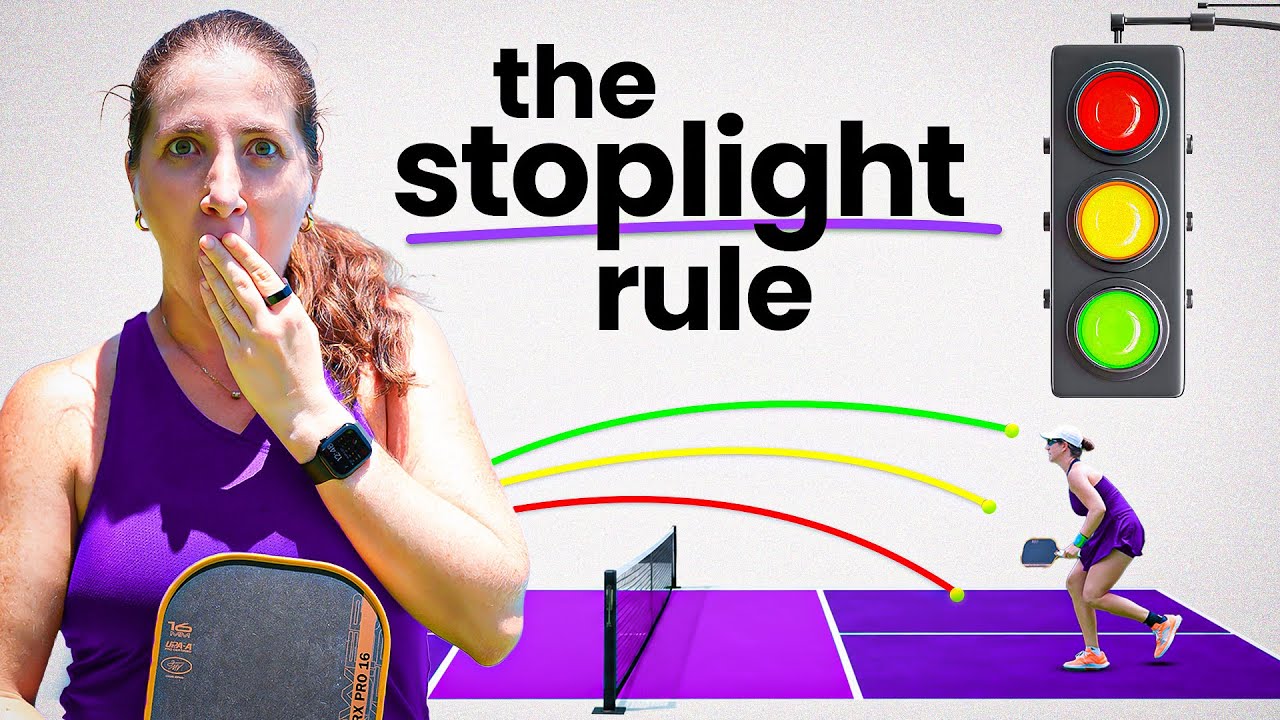
Why You Keep Attacking From Too Low (And How the Stoplight Rule Fixes It)
Pickleball shot selection doesn't have to be a guessing game. The stoplight rule gives you a clear framework for when to attack and when to hold back.
Bad pickleball shot selection at the wrong ball height is one of the most common reasons recreational players lose points they should be winning.
You see a ball coming toward you, something fires in your brain, and you swing as hard as you can from your shoelaces.
The ball goes into the net or flies long. Your opponent barely had to move.
This article breaks down the stoplight rule, a simple three-zone framework that tells you exactly when to attack, when to think twice, and when holding back is costing you free points.
The concept comes from Mari Humberg Pickleball on YouTube, and it is one of the clearest explanations of attack decision-making you will find anywhere.
Love pickleball? Then you'll love our free newsletter. We send the latest news, tips, and highlights for free each week.
What Is the Stoplight Rule in Pickleball?
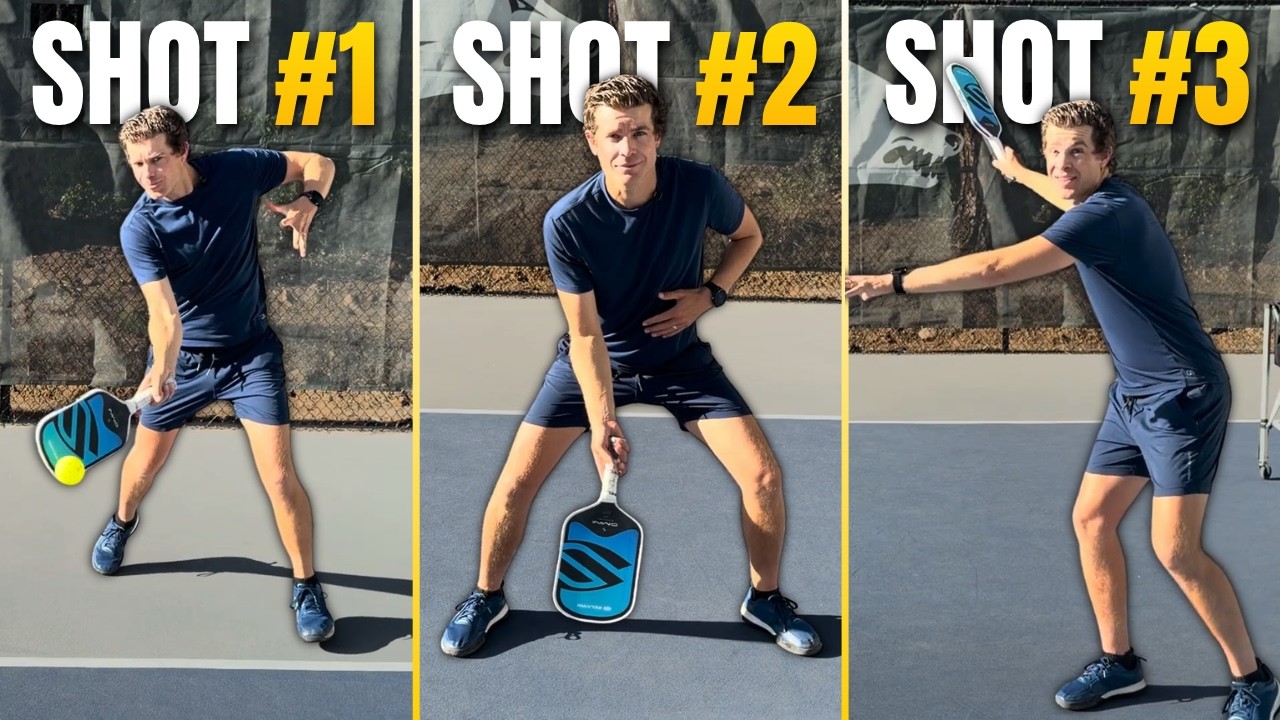
The stoplight rule divides your body into three vertical zones: red, yellow, and green. Each zone tells you how to respond to a ball based on where you contact it.
It is not about pace or power. It is about contact height relative to your body, whether the ball is coming off the bounce or out of the air.
The rule gives you a repeatable decision filter so you stop guessing in the middle of a rally. Once you internalize it, your shot selection becomes automatic.
Red Zone: Stop. Do Not Attack This Ball.
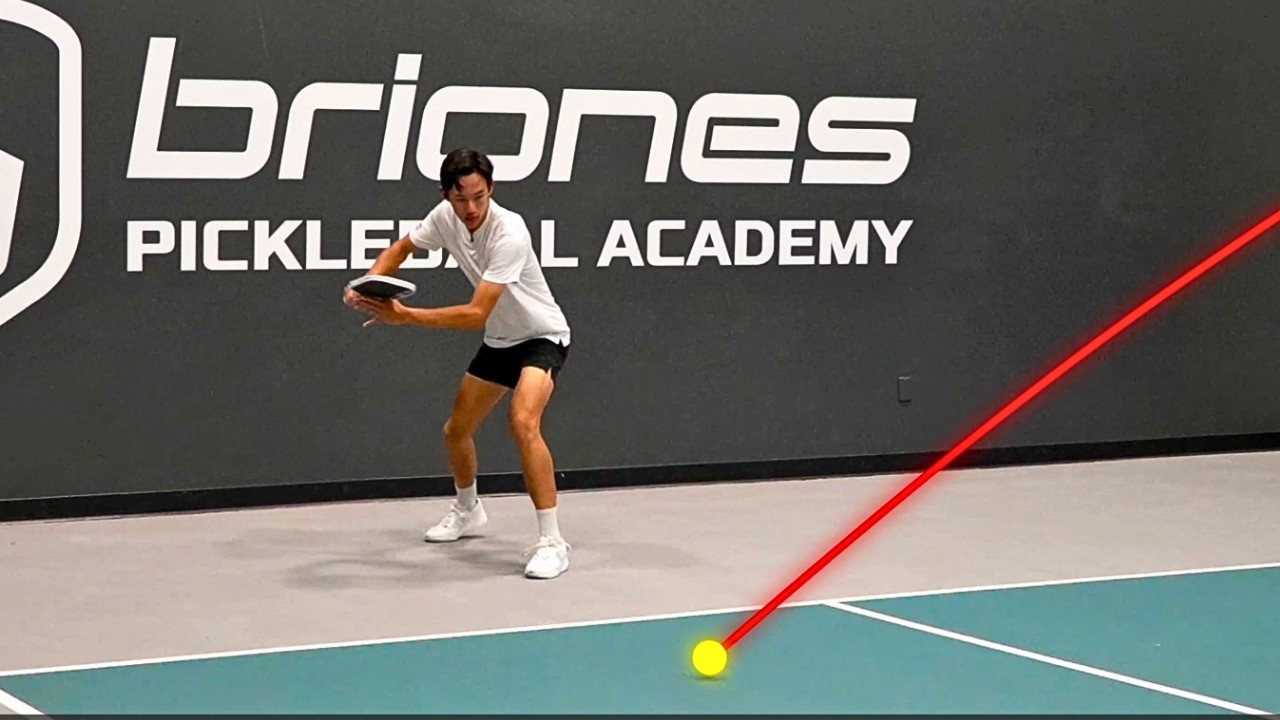
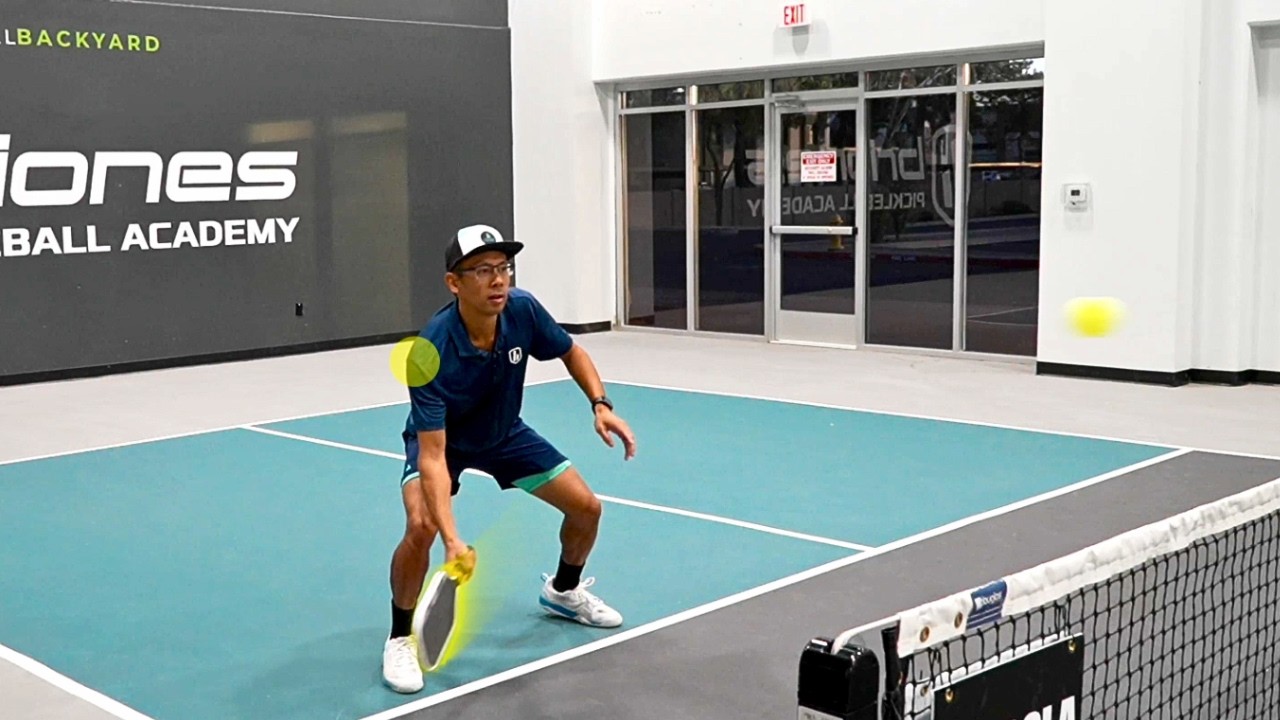
Anything below your knees is a red zone ball. That applies off the bounce or when you reach into the kitchen to volley it out of the air.
This is a high-risk, low-reward situation.
The physics are working against you: the ball is below the net, your paddle has to lift aggressively, and your margin for error collapses.
Most red zone attacks either find the net or float up as a gift for your opponent. You are essentially doing their work for them.
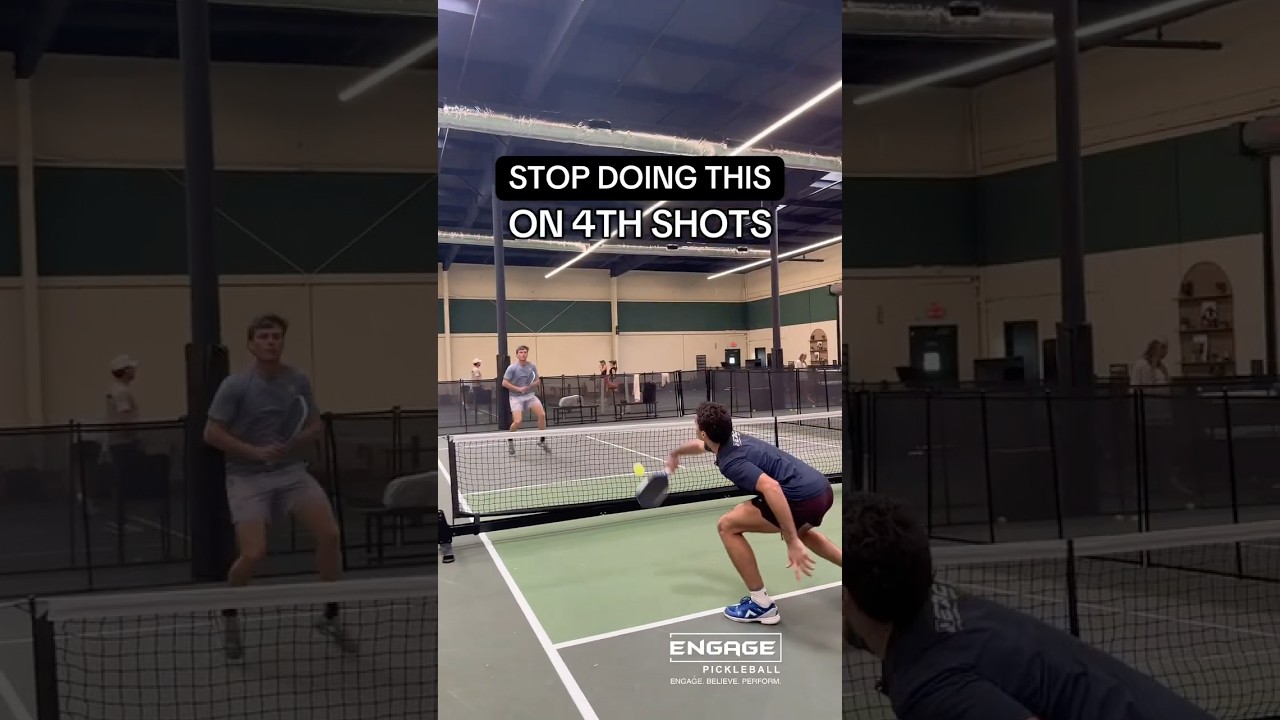
A lot of players have watched top competitors swing from their shoelaces and think that is the move.
It is not. Even skilled players who do it know they are making a low-percentage choice.
The fact that someone gets away with it occasionally does not make it smart pickleball strategy.
If you are regularly attacking from below your knees, you are the problem. The ball is not unlucky. Your decision is wrong.
Want to understand more about why these low attacks fail?
This breakdown of shot height targets explains what happens to your angle and trajectory when you contact the ball that low, and why popping the ball up is the usual result.
Yellow Zone: Maybe. But Ask Yourself Three Questions First.
The yellow zone covers the range between your knees and your hips.
This is the maybe zone, and it requires a split-second checklist before you decide to attack.
Work through these three questions before you swing:
- Am I well balanced? If you are off-balance, reaching, or still moving your feet, the answer is no. Put the ball back in play.
- Am I well positioned? Jammed, caught wide, or out of your hitting zone means you are not ready. Reset instead.
- Are my opponents in perfect position and ready to counter? If both opponents are set and waiting, attacking a yellow zone ball is low-percentage. If one of them is out of position, that changes things.
Pass all three and you have a green light inside the yellow zone. Fail any of them and treat it like red.
Yellow zone attacks work. They are situational, not automatic, and understanding the height rules that govern smart attacking helps you make the call faster in live rallies.
Here's the catch. Indecision in the yellow zone is almost as costly as a wrong decision, because a late swing gives you the worst of both options.
 Eric Roddy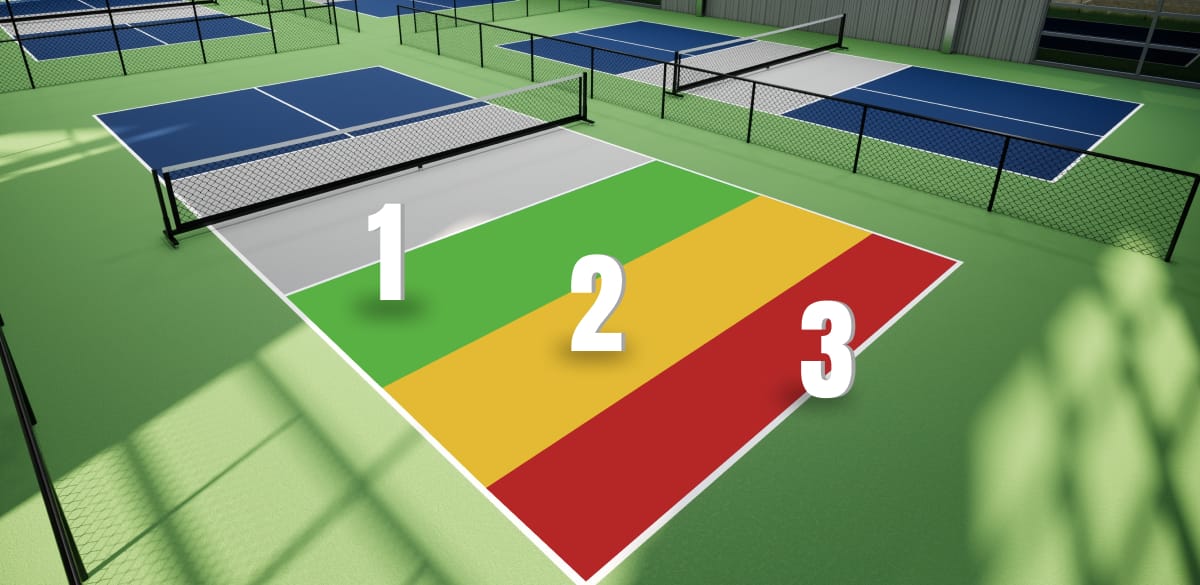
Green Zone: You Have to Attack This Ball.
Anything above your hip is a green zone ball, and you need to be attacking it every single time.
If your hip sits just above net height, any ball coming in at that level or higher is a ball you have an angle on.
You can drive it down, you can redirect it, you can put pace on it. The geometry is in your favor.
Missing a green zone ball is not bad luck. It is a missed opportunity, plain and simple.
Aggressiveness in the green zone does not always mean maximum power. It means taking control of the point.
That could be a hard drive, a sharp angle, or a well-placed ball directly at an opponent's body.
Targeting the body is one of the most effective ways to use a green zone attack.
The key is that you are not passive. You are making something happen.
 The Dink Media Team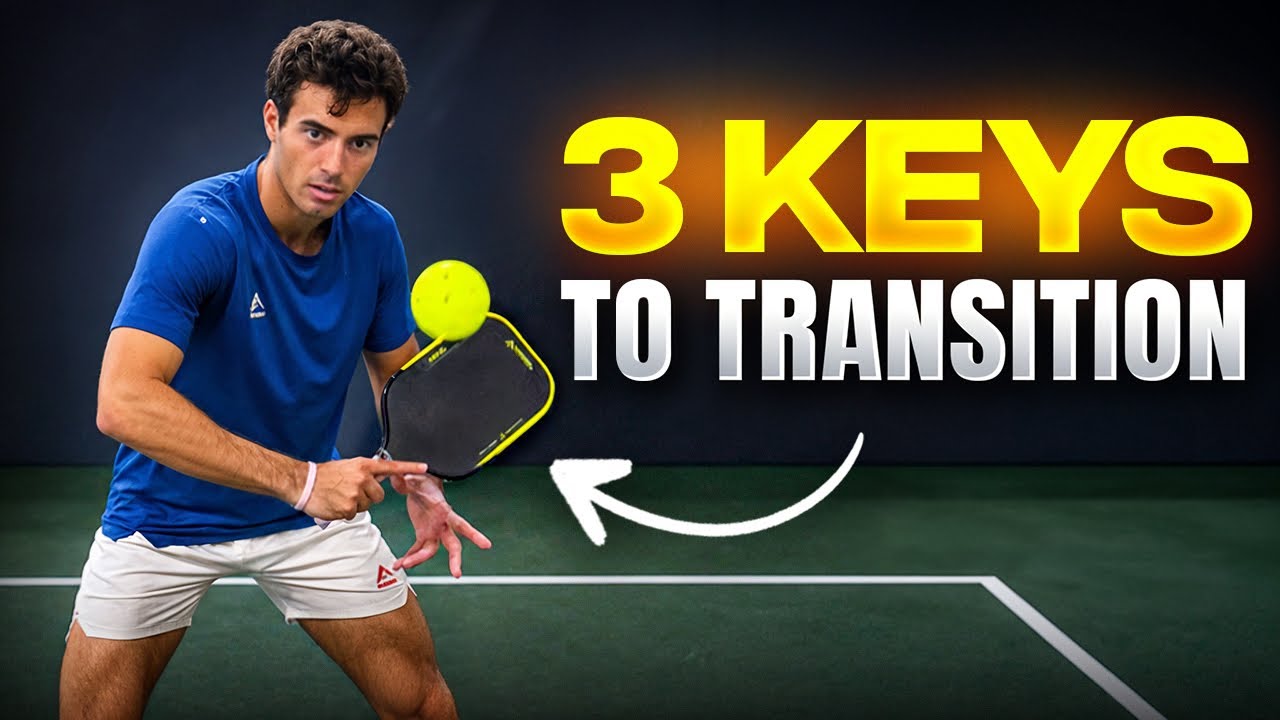
How Do You Train Yourself to Recognize the Zones?
One of the best drills for this is also one of the simplest: put your paddle down and catch the ball instead of hitting it.
Have a partner feed you balls at various heights.
Your only job is to catch each ball at the highest point you can reach it. Where your hand catches the ball tells you exactly which zone you are in.
Here is what you will notice:
- If you catch it below your knees, you would have been in red zone. No attack.
- If you catch it between your knees and hips with clean footwork, you are in yellow zone. Run your checklist.
- If you catch it at or above your hip with a natural swing motion, that is green zone. Attack every time.
The catching drill removes the temptation to just swing and forces your brain to process height first.
After a few reps, you start reading ball height before the ball even reaches you.
This kind of deliberate practice is exactly what separates players who improve quickly from players who plateau.
A smarter practice plan built around focused reps like this will accelerate your development faster than just playing more games.
 The Dink Media Team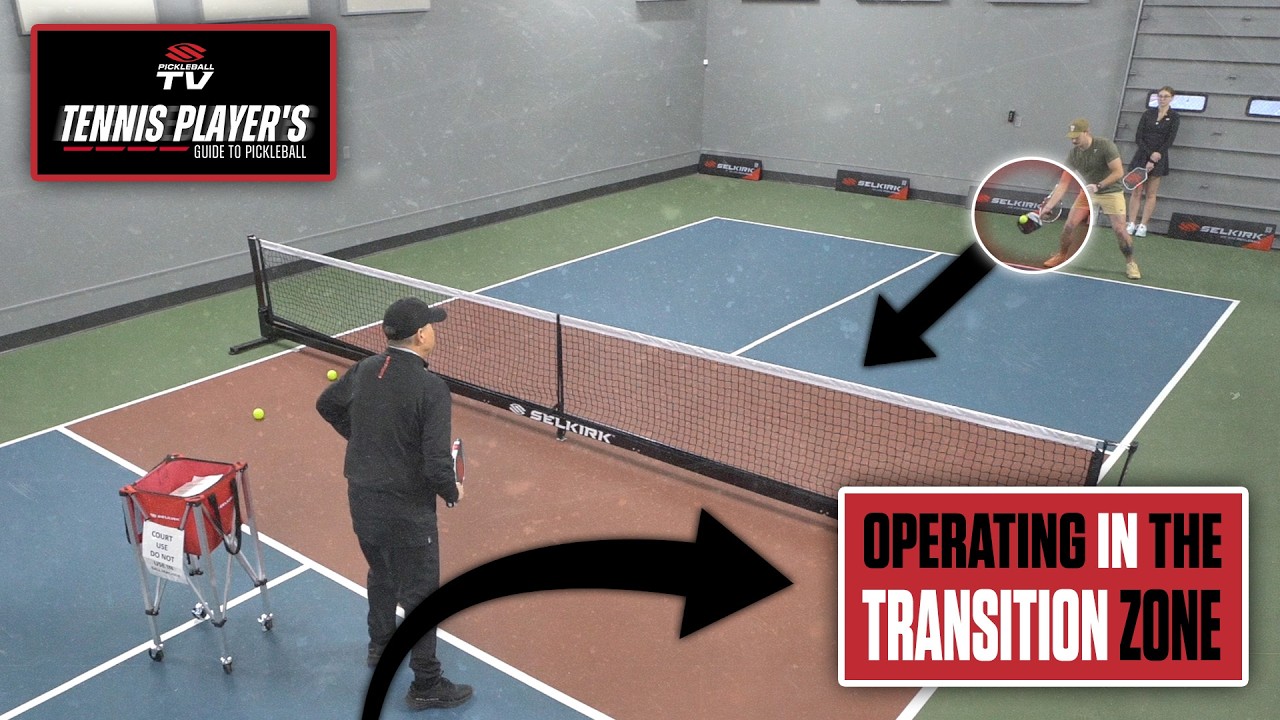
Why Do So Many Players Ignore This and Attack Anyway?
The honest answer is that attacking feels productive. It feels like you are doing something.
Resetting a red zone ball, pushing it back soft and neutral, feels passive. It feels like giving up. But that feeling is wrong. Patience is a weapon, not a weakness.
When you attack from too low and pop the ball up, you have handed your opponent a green zone ball. Now they get the easy counter. You created it.
Several of the most common pickleball misconceptions trace back to the idea that more aggression equals better results.
It does not. Aggression at the right height wins. Aggression at the wrong height loses.
The stoplight rule is really a framework for controlling your own ego during a rally. The ball below your knees is not an invitation. It is a test of your discipline.
 The Dink Media Team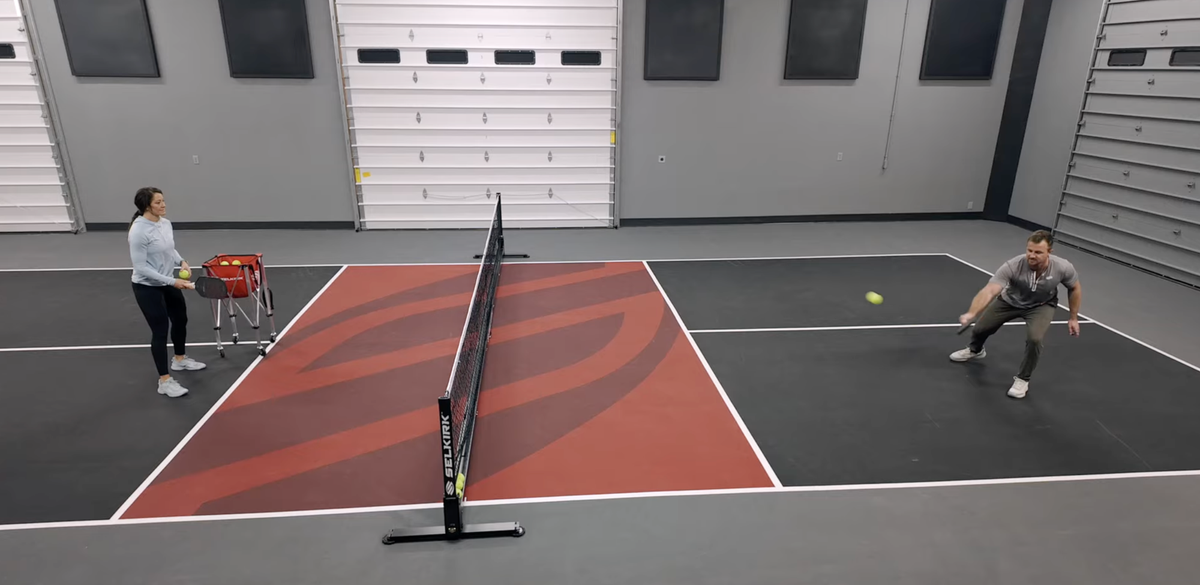
What About When You Are in the Transition Zone?
The stoplight rule applies everywhere on the court, but it becomes especially important in the transition zone, the area between the baseline and the kitchen line.
When you are moving forward and a ball catches you mid-court, your first instinct might be to speed it up.
Check the zone first. If the ball is below your knees while you are still moving, that is a red zone ball that also has the complication of bad positioning.
That is two reasons not to attack.
Mastering the transition zone means resetting balls that come in below your preferred contact height while you are still moving forward.
It is one of the hardest skills to build and one of the most valuable, and these two escape tactics plus a reliable midcourt forehand reset will get you there faster.
Players who can absorb pace and reset from the transition zone without panicking are far harder to beat than players who try to attack everything and give up easy counters.
 The Dink Media Team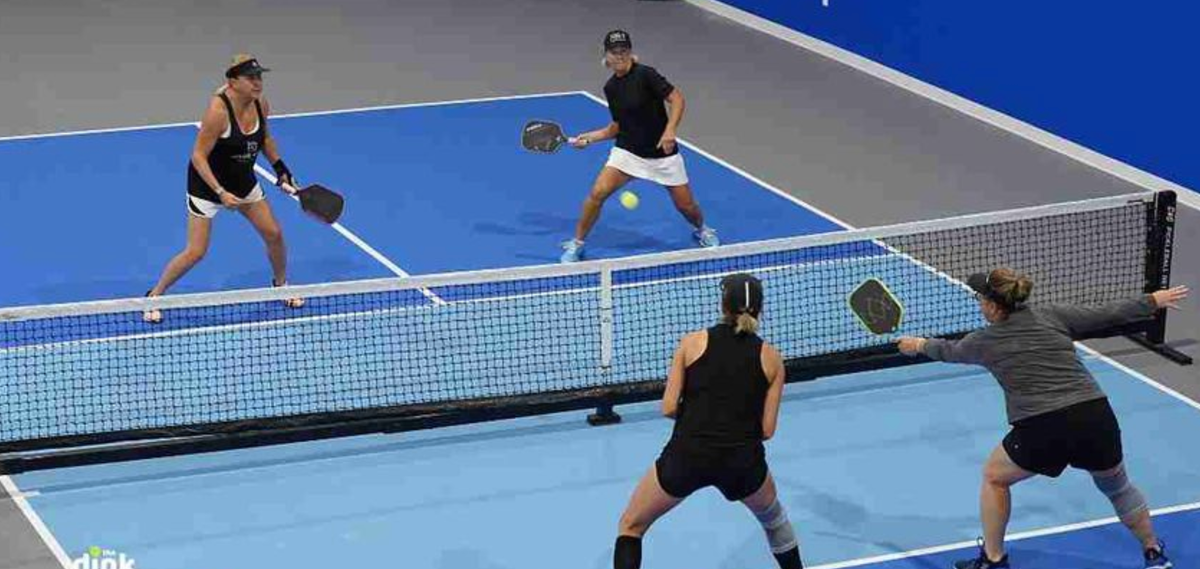
Put the Stoplight Rule Into Your Pickleball Shot Selection Today
You do not need to overhaul your game. You need one mental trigger.
Before you swing, ask: what color is this ball? Red means reset. Yellow means run the checklist. Green means attack with intent.
That single question, practiced enough, sharpens your pickleball shot selection faster than almost anything else you can work on.
Learning to recognize your court position pairs perfectly with the stoplight framework.
The goal is not to attack less. The goal is to attack smart.
Every ball above your hip is an opportunity wasted if you pass on it. Every ball below your knees is a trap if you take it.
Most of the stubborn habits costing players points around the 4.0 level come back to the same problem: attacking at the wrong time from the wrong height. Fix the zone awareness and a lot of those habits fix themselves.
The stoplight rule is not complicated. It just replaces a gut reaction with a smart one.
Frequently Asked Questions
What is the stoplight rule in pickleball?
The stoplight rule divides your body into three zones based on contact height: red (below the knees), yellow (knees to hips), and green (above the hips). Each zone tells you whether to attack, evaluate, or hold back. It is a decision-making framework for pickleball shot selection during live rallies.
When should you never attack in pickleball?
You should avoid attacking any ball you contact below your knees. Whether off the bounce or out of the air, that contact height forces you to lift the ball over the net with minimal margin, which leads to errors or easy counters for your opponent.
How do you know when a ball is attackable in pickleball?
Any ball at or above your hip is consistently attackable and should be attacked. Balls between your knees and hips can be attacked if you are balanced, well positioned, and your opponents are not set to counter. Balls below your knees should almost always be reset.
What does it mean to reset in pickleball?
Resetting means returning the ball softly and neutrally back into play rather than attacking it. It is used when the ball contact height, your balance, or your positioning makes an attack a low-percentage choice. A reset gives you time to recover position and wait for a better opportunity.
How can I improve my pickleball shot selection quickly?
The catching drill is one of the fastest ways to train height awareness. Put your paddle down, have a partner feed balls at different heights, and catch each one at its peak. Where your hand catches the ball reveals the zone you are in and builds the habit of reading height before reacting.

Love Pickleball? Join 100k+ readers for free weekly tips, news & gear deals.
Subscribe to The Dink