

The pickleball poach is one of the most misunderstood shots in the sport. Mastering poaching pickleball starts with understanding what it actually is and, more importantly, what it is not.
The pickleball poach is one of the most misunderstood shots in the sport.
Most players think it's random aggression—a reckless dash across the court that leaves your partner exposed and your team vulnerable.
But the best poachers in pickleball aren't gambling. They're reading patterns, positioning correctly, and taking over at the perfect moment.
Love pickleball? Then you'll love our free newsletter. We send the latest news, tips, and highlights for free each week.
According to APP pro Richard Livornese, a leading voice in pickleball strategy, the difference between an effective poach and a costly mistake comes down to three core elements:
- Identifying the right ball
- Understanding court positioning
- Executing with precision
"The positioning and movement behind great poaches can completely change a match," Richard explains in his breakdown of this essential net skill.
What Exactly Is a Pickleball Poach?
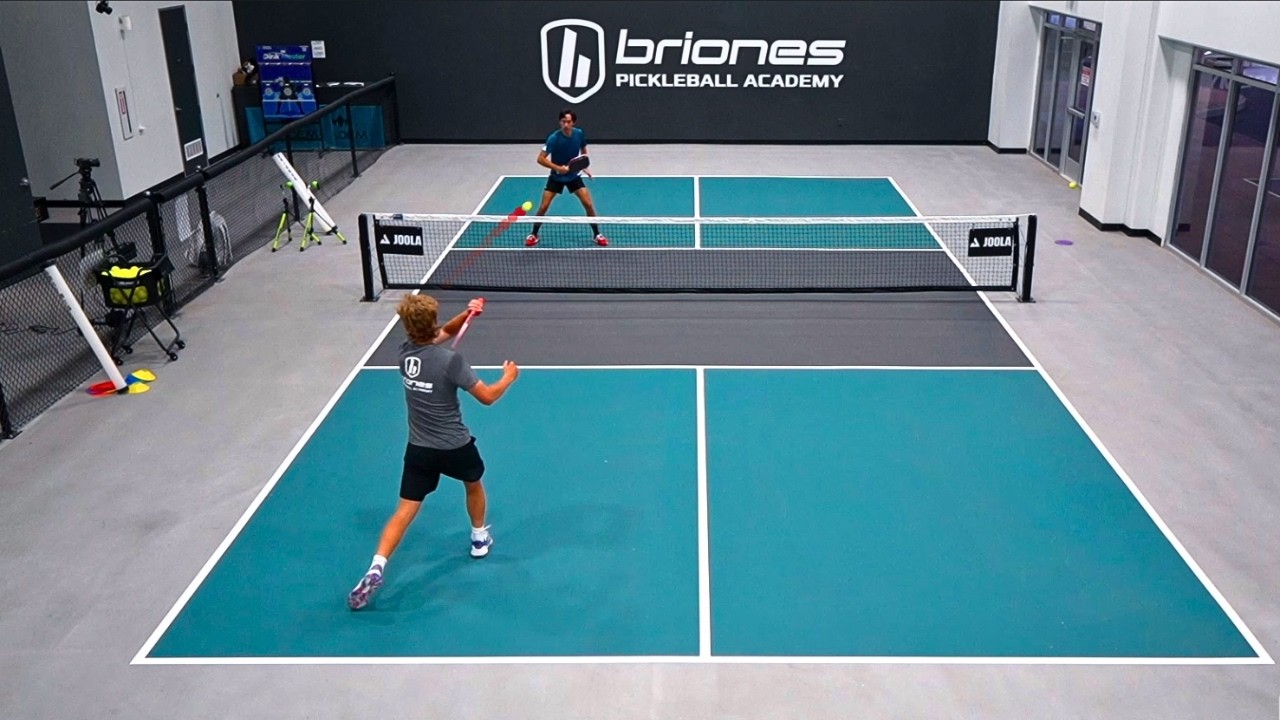
A pickleball poach happens when the non-hitting player (the one whose partner is dinking) steps in aggressively to intercept the ball before it reaches their partner.
It's an offensive move designed to take control of the net and force your opponents into weak, defensive returns.
The key distinction: a poach isn't just moving forward.
It's a calculated interception that puts your team in a position to win the point outright or set up an easy putaway.
When executed correctly, a poach creates chaos on the other side of the net and shifts momentum in your favor.
Need some new pickleball gear? Get 20% off select paddles, shoes, and more with code THEDINK at Midwest Racquet Sports.
Why Most Players Fail at Poaching Pickleball
Here's the thing:
Most recreational players poach at the wrong time, from the wrong position, and without proper technique.
They see an opening and sprint across the court, only to collide with their partner or leave the sideline wide open for a down-the-line pass.
The biggest mistake? Poaching when your partner is dinking from the middle of the court.
If your partner is already positioned centrally, they can reach the ball themselves.
When you crowd that space, you're not helping: you're getting in the way and creating confusion about who should take the shot.
Another common error is poaching balls that are too far outside the court. Richard emphasizes that you should only poach balls landing roughly 12 to 18 inches from the midline. Anything further out, and you're overextended, vulnerable to a passing shot, and likely to make an error.
 The Dink Media Team
The Three Elements of a Perfect Pickleball Poach
The three elements of effective poaching pickleball are sequential, not simultaneous. Nail them in order and the shot becomes repeatable.
1. Identifying the Right Ball
Before you even think about moving, you need to spot a poachable ball. Look for three things: height, pace, and position.
A slower ball is far more poachable than a fast one.
If the dink is high and soft, you have time to react and execute. If it's a hard, low dink, your window closes fast.
The position of the ball matters most: you're hunting for balls landing near the middle of the court, roughly between the center line and 18 inches toward your sideline.
Richard notes that the quicker you identify the right ball, the better you'll be at poaching.
This means staying in an athletic stance, keeping your paddle up, and watching the ball's trajectory as it travels across the net.
Don't wait until the last second to commit.
The Dink Media Team
2. Positioning and Movement
Load your weight on your outside leg as you prepare to hit, keeping your paddle still and ready.
Once you've identified a poachable ball, your movement needs to be explosive and decisive. Start in an athletic stance with your weight on the balls of your feet. When you see the ball path, take one hard step off your inside leg and push toward the net.
You're not tiptoeing into the poach—you're attacking it.
Load your weight on your outside leg as you prepare to hit, keeping your paddle still and ready.
3. Execution: The Snap and Follow-Through
Here's where most players go wrong: they try to take a full backswing while moving. That's a recipe for errors.
Instead, use a snap motion with your arm and wrist, not a traditional swing.
Keep your paddle still, then snap through the ball with minimal backswing. This gives you control and consistency even though your body is in motion. The snap is quick, compact, and effective.
The Dink Media Team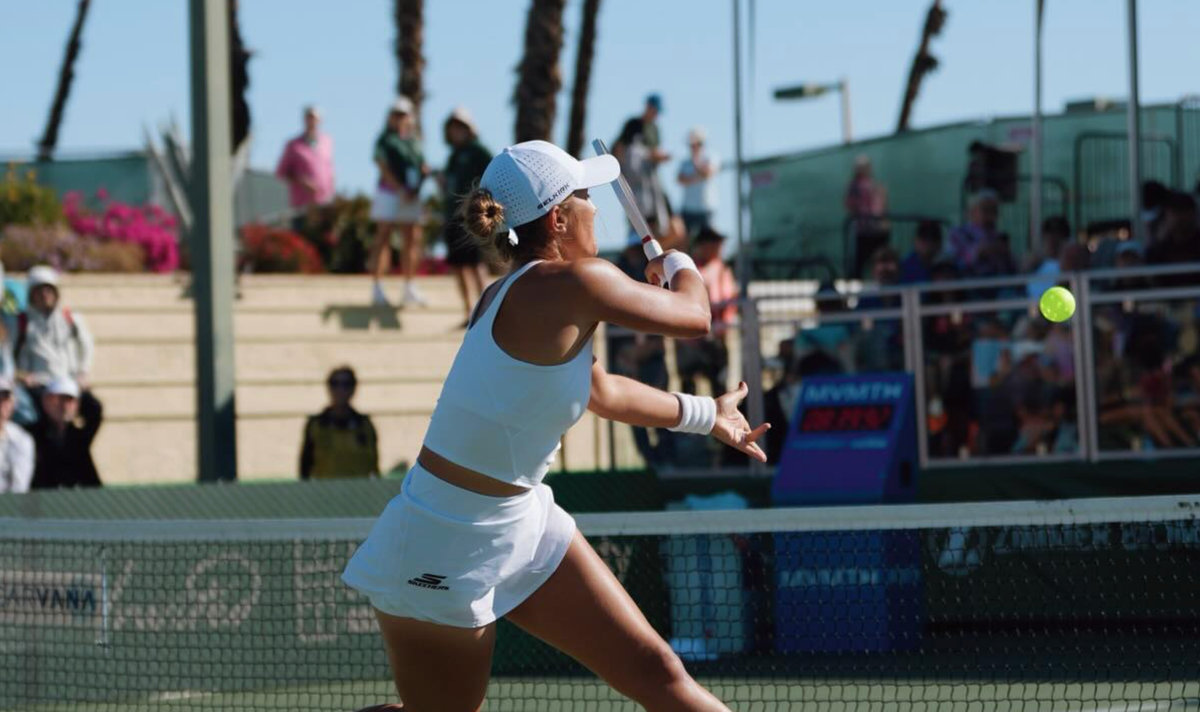
Where Should You Hit the Pickleball Poach?
The primary target is straight through the middle of the court. Why? Because your opponents are spread out.
If your partner is dinking from the wide side, the opponent on that side has a long way to go to cover the middle. Their partner, meanwhile, is also out of position.
When you hit through the middle, you're hitting into the biggest gap on the court. Most of the time, it's a clean winner. If your opponent does manage to get a two-handed backhand on it, the ball typically comes back to your backhand side, setting up an easy follow-up putaway.
If your opponent adjusts and starts covering the middle aggressively, you have two backup options: hit behind them or go at them directly.
Richard demonstrates that going behind a player who's overcommitting to the middle is highly effective, especially against players who like to hang off the sideline.
The Dink Media Team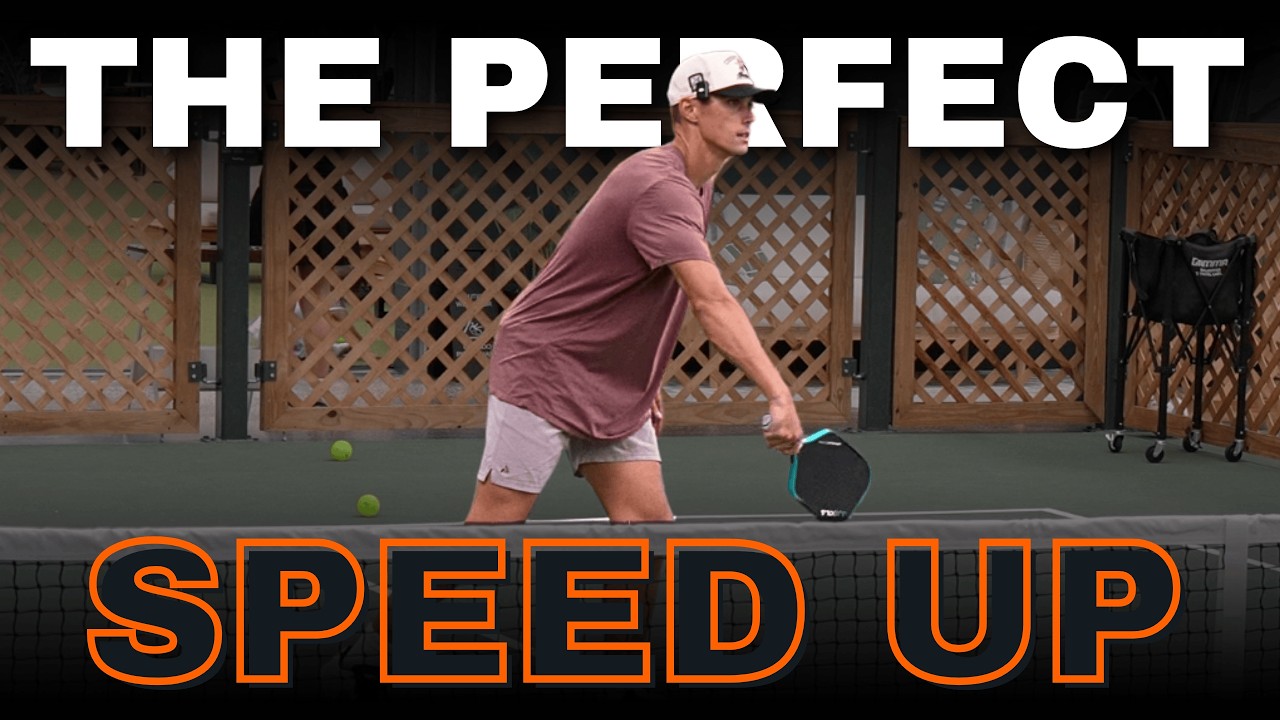
The Backhand Side Poach: A Different Beast
Poaching on the backhand side is trickier. You have less reach, which means you have to commit more to the shot.
That extra commitment leaves you more exposed on the line.
The key difference: on the backhand side, you should only poach off a slice.
When your opponent puts a two-handed backhand on the ball, hold your ground. The risk of getting passed down the line is too high.
But when they slice, that's your signal to attack.
When you do poach off the backhand side, the target changes slightly.
Instead of hitting straight through the middle, you want to fade the ball away from your opponent, landing it just on the crosscourt side.
This works especially well against right-handed players using a two-hander, who have a long way to travel to cover that shot.
The Dink Media Team
Reading Your Opponent's Patterns
The best poachers don't just react to the ball—they anticipate it. They watch for patterns in how their opponents dink. Are they always going crosscourt?
Do they favor one side? Do they slice when they're in trouble?
Pattern recognition is what separates good poachers from great ones.
If you notice your opponent always dinks crosscourt when your partner is on the left side, you can position yourself to hunt that ball.
If they slice when they're pushed back, you know when to be aggressive.
This is why poaching is so effective at higher levels of play. It's not just athleticism—it's chess.
You're reading the game, anticipating the next move, and positioning yourself to capitalize on it.
The Dink Media Team
When NOT to Poach
Just as important as knowing when to poach is knowing when to hold back.
Never poach if your partner is dinking from the middle of the court.
They can reach the ball, and you'll only create confusion.
Also avoid poaching if you're not confident in your read.
A failed poach—one where you commit and miss—leaves your partner stranded and your team vulnerable to an easy putaway.
It's better to stay patient and wait for a clear opportunity.
Finally, don't poach if the ball is too far outside. Overextending yourself is a losing proposition. Stay disciplined about the zone where you'll attack.
The Dink Media Team
Putting It All Together
Successful poaching pickleball is a high-reward skill when executed correctly.
It puts immediate pressure on your opponents, forces weak returns, and shifts control of the net to your team. But it requires discipline, positioning awareness, and precise pickleball poaching technique.
Start by focusing on identifying the right balls. Once you're comfortable reading the court, work on your movement and snap.
Practice with a partner so you develop chemistry and trust. Over time, the poach becomes second nature: a weapon that elevates your doubles game and makes you a constant threat at the net.
Frequently Asked Questions
What is poaching pickleball and how does it work in doubles?
Poaching pickleball is when the non-hitting player steps across the court to intercept a dink before it reaches their partner, turning a neutral rally into an attacking opportunity. It works by disrupting your opponent's aim, hitting into the largest open gap on the court, and forcing a weak return that your team can finish.
How do I know when to poach in pickleball?
Poach when the ball is landing near the center line, the dink is high and slow, and your partner is positioned near the sideline, not the middle. Those three conditions together signal a high-percentage poaching opportunity. If any of them are missing, hold your position and wait for a better read.
What is the correct pickleball poaching technique for the snap?
The correct pickleball poaching technique uses a short, explosive snap of the arm and wrist rather than a full backswing. Because your body is in motion when you intercept the ball, a compact snap keeps the shot controlled and consistent, while a traditional swing causes timing errors and mis-hits.
What is a strong pickleball poaching strategy against players who cover the middle?
When opponents start cheating toward the middle to defend your poach, redirect the pickleball poach shot behind them or directly at their body. Players who overcommit to one side leave a gap on the other, and the behind-the-back redirect is one of the most effective counters to a well-positioned defender.
How do I practice the pickleball poach shot to build consistency?
Start by having a partner feed slow, high dinks near the center line while you focus purely on your footwork and snap, without worrying about exact placement. Once the movement pattern feels automatic, add placement targets and graduate to live rally drills where you have to read and react to real ball trajectories.

Love Pickleball? Join 100k+ readers for free weekly tips, news & gear deals.
Subscribe to The Dink