The Flick Lob: Why This Shot Catches Aggressive Players Every Time
The pickleball lob is one of the most underused weapons at the kitchen line. Learn how to disguise it as a speed-up and make aggressive players pay for crowding the net.
The pickleball lob gets a bad reputation.
Most players treat it as a desperation shot or something they hit by accident when they meant to dink. That framing is wrong.
When you disguise it correctly, the lob becomes one of the most disruptive weapons you can carry into a match.
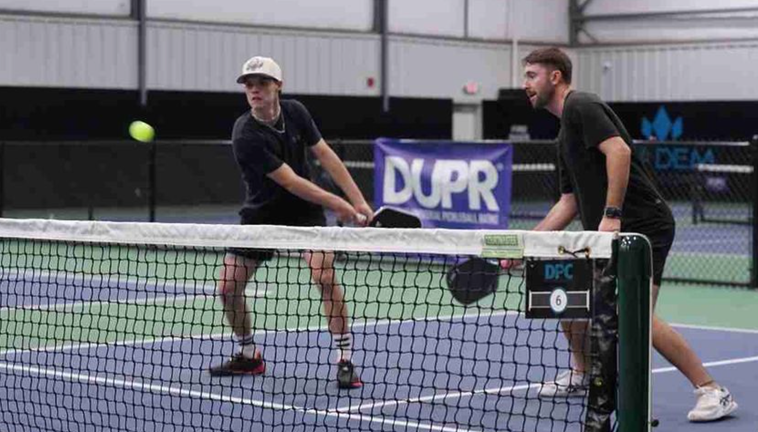
It forces opponents off the kitchen line, punishes players who lean forward aggressively, and creates problems that are genuinely hard to solve from the baseline.
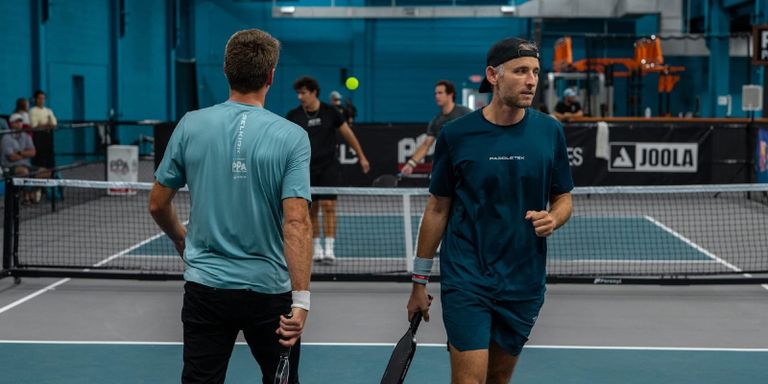
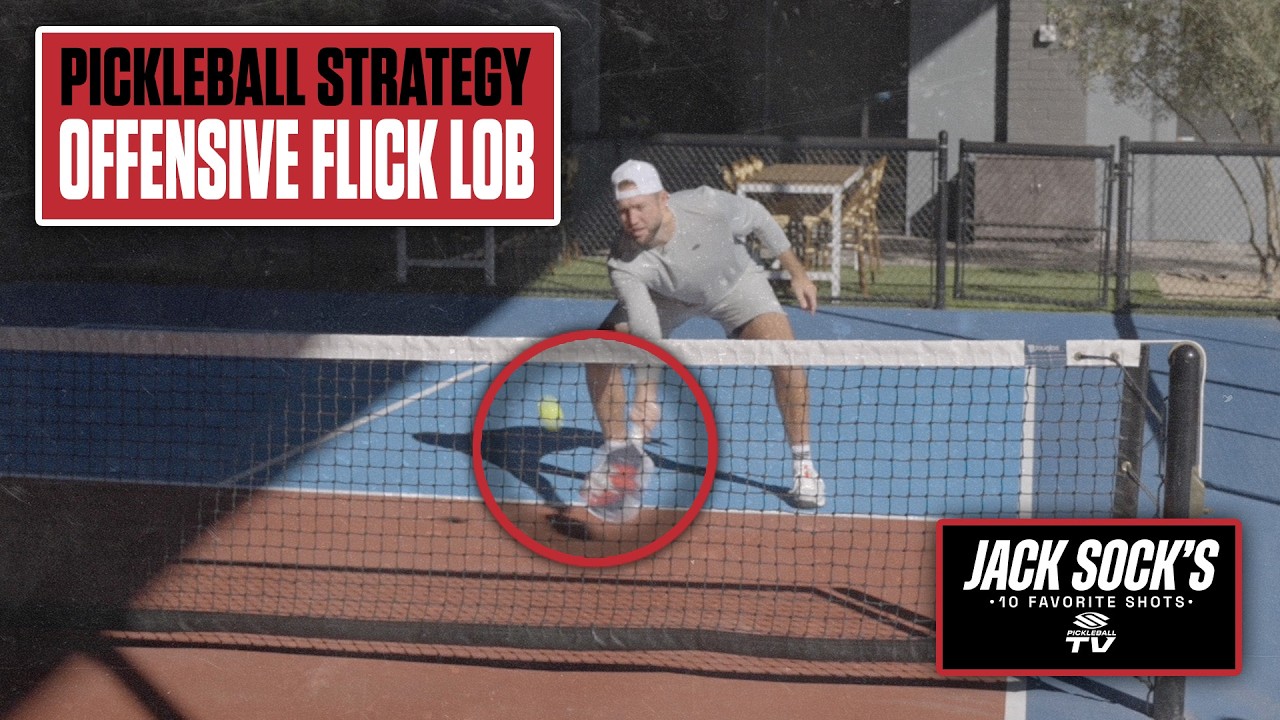
This breakdown pulls from a coaching video by Selkirk TV featuring pro Jack Sock, who explains exactly how and when to introduce the flick lob into your dinking game.
Love pickleball? Then you'll love our free newsletter. We send the latest news, tips, and highlights for free each week.
Why the Lob Is Getting More Attention at the Pro Level
The lob is not new, but it is having a moment. Jack Sock points out that players like AJ Kohler have made it a consistent part of their game, and more pros are picking it up as conditions and ball physics make it viable.
Part of what makes the pickleball lob worth adding right now is the nature of the ball itself.
According to USA Pickleball's official equipment standards, the ball is a perforated plastic design, and that construction makes it genuinely hard to put away on an overhead when the lob has any height or depth to it.
Even an imperfect lob causes problems. Your opponents have to track back, adjust their footwork, and reset from a position they hate.
That pressure compounds over a full match. Players are realizing they do not need a perfect lob to make it effective, they just need to hit it at the right time.
What Makes the Flick Lob Different From a Regular Lob?
A standard lob is obvious. Your body telegraphs it early, your paddle drops low, and any experienced player reads it before contact.
The flick lob works differently. The setup looks exactly like a speed-up, so your opponents load forward expecting pace.
Then you flick the paddle face upward at the last moment and send the ball over their heads instead.
That deception is the entire point. You are not winning with the lob itself, you are winning because your opponents already committed the wrong direction.
This is the same concept behind disguising your pickleball shots at any level. When your body language lies, even good defenders get caught.
When Should You Actually Use It?
Timing matters more than technique here. Jack Sock is direct about it: picking and choosing the right moment is the whole game with the lob.
Here are the situations where the flick lob does the most damage:
- When opponents are leaning aggressively into the kitchen. Players who crowd the kitchen line leave themselves exposed to anything behind them.
- When you have been speeding up consistently. If opponents are already reacting to your pace, they read the same setup as another attack. That is exactly when you flip the script with a deceptive speed-up look.
- When wind is working in your favor. A lob that catches a tailwind becomes a nightmare to judge.
- When you are playing shorter opponents. Height matters on overheads, and a shorter reach turns a good lob into a genuinely difficult shot.
- When the rally has settled into a predictable dinking pattern. Comfort breeds complacency at the kitchen line.
The flip side is also true. Against tall opponents who move well overhead, you use it sparingly.
 The Dink Media Team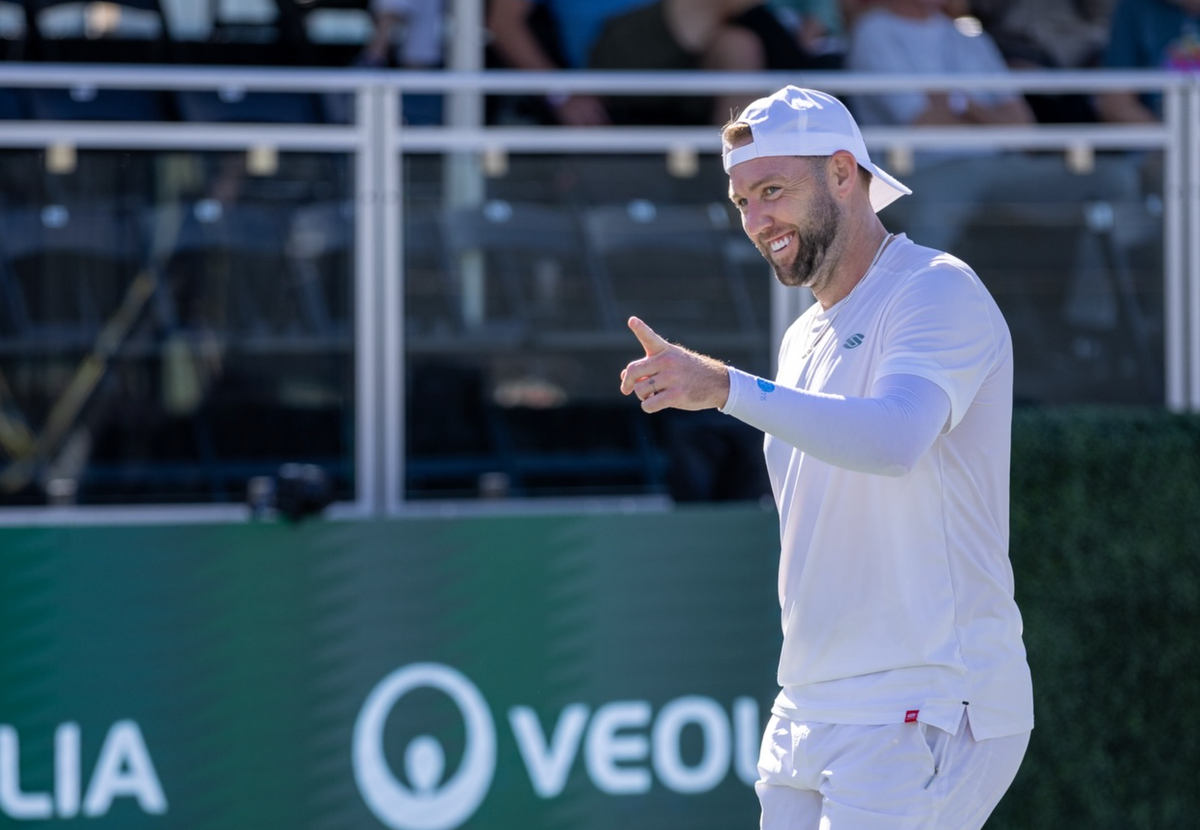
How Do You Actually Hit the Flick Lob?
There are two contact methods, and both are valid. Your preference depends on your paddle speed and how naturally deceptive your setup looks.
Off the Bounce
You let the ball drop and contact it after it bounces near your feet. This gives you more time to set your position and control the angle of your flick.
The downside is that the slight pause can tip off a smart opponent.
Out of the Air
You lean in and catch the ball in the air, mimicking the exact motion of a speed-up volley. This is harder to execute cleanly, but the disguise is significantly better.
Sock leans toward the aerial version, and that tracks with how hand speed and paddle positioning work in the modern game.
The snap comes from the wrist and forearm at contact, not from a big windup.
The Flick Pickleball Lob Checklist
- Set up with the same body language you use for a speed-up. Load your weight slightly forward and keep the paddle in an aggressive-looking position.
- Make your decision early but commit late. Your body should not show it until the last fraction of a second.
- Open the paddle face upward just before contact. The angle change happens at impact, not on the backswing.
- Aim for depth, not just height. You want the ball landing within a few feet of the baseline.
- Follow through toward your target. A sloppy follow-through telegraphs the shot and kills depth control.
 The Dink Media Team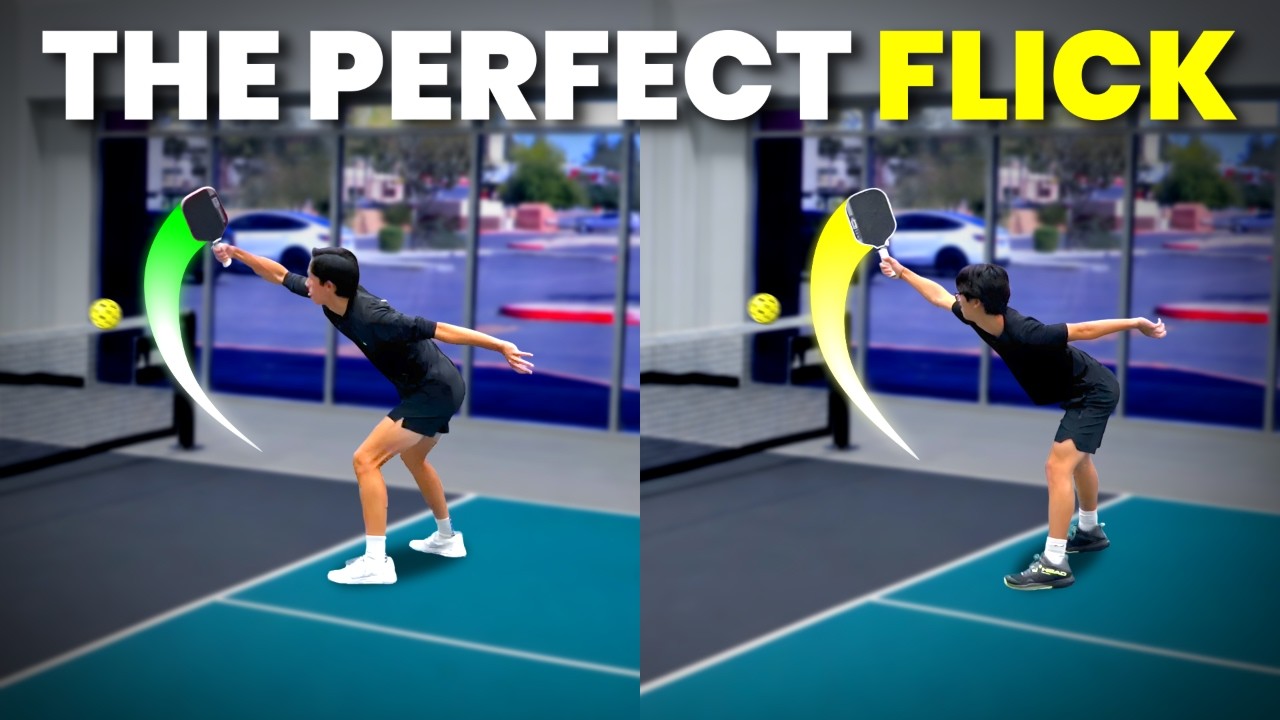
What Does This Do to Your Opponents Mentally?
This is where the flick lob earns its place as a strategic tool, not just a shot.
Lob someone once and it works, and they change their positioning for the rest of the match.
That is exactly where you want them. Players on their heels are slower to attack, more hesitant to speed up, and easier to manipulate with pace.
Understanding how to make smart shot decisions becomes even more powerful when opponents are worried about backing off the line.
Sock puts it clearly: even an occasional lob keeps your opponents honest.
That honesty costs them explosiveness, and that is free pressure you created without winning the point.
 Eric Roddy
Why Is Resetting From the Baseline So Hard After a Lob?
Most players underestimate how badly a successful lob wrecks the opponent's rhythm.
Backing up from the kitchen line means moving backward while tracking a descending ball and trying to manufacture a quality shot.
That is a lot happening at once. Most recreational and even intermediate players will either pop the ball up weakly or swing for a winner and miss.
When opponents do recover, they are stuck deep with limited options. Resetting from depth is already a skill gap for most players, and the lob exploits it directly.
You do not need to win the point outright on the lob. You just need to create a hard situation and be ready to put away the weak response.
 The Dink Media Team
How to Practice the Flick Lob Without Wasting Court Time
You do not need to devote an entire session to this shot. The better approach is to build it into your existing dinking practice.
Start by drilling the setup motion. Hit five standard speed-ups in a row, then throw in a flick lob using the same setup.
Your partner should not be able to tell which one is coming until contact.
If your partner is calling the shot before you hit it, your disguise needs work. That honest feedback beats hitting a hundred lobs in isolation.
From there, progressive drilling builds the shot into real game situations where the timing pressure is actual.
Drilling without pressure rarely translates to match play.
You can also work depth control by placing a cone near your opponent's baseline.
A lob landing consistently in that zone is much harder to attack than one floating short.
 Jason Flamm
Common Mistakes That Kill the Flick Lob
Most players who try this shot make the same few errors. Here is what to watch for:
- Telegraphing the paddle angle too early. If the face opens before contact, a smart opponent reads it and starts moving back. Keep the face neutral until the last moment.
- Aiming too high without enough depth. Height without depth gives your opponent time to recover and set up for an easy overhead.
- Going to it too often. The shot works because it is unexpected. If you lob every third dink, opponents adjust and start sitting on it.
- Using it against the wrong opponent. A tall, athletic player with a strong overhead punishes a soft lob. Know who is on the other side of the net before you commit.
The shot selection scale matters here.
The flick lob scores high when conditions are right and low when you are lobbing into the wind against a 6-foot-4 opponent with good footwork.
Learning the key strategies that decide modern matches will sharpen your instinct for when to pull this shot out and when to hold it.
The lob is a tool. The flick lob is a weapon. Use it selectively, set it up with your speed-up threat, and let the disguise do the work.
Your opponents will start backing off the line, and once that happens, everything else in your game gets easier.
For more on how Sock builds his game from the kitchen, check out the breakdown of the ATP shot and how it fits alongside shots like this one.
If you want the full picture, our complete guide to lobbing covers offense and defense in one place.
Frequently Asked Questions
What is a flick lob in pickleball?
A flick lob is a disguised overhead lob that mimics the setup of a speed-up shot before redirecting the ball upward at the last moment. The disguise comes from keeping your body language identical to an attack until the paddle face opens at contact. It is designed to catch opponents who are leaning aggressively into the kitchen line.
When is the right time to use a lob in pickleball?
The best time to lob is when opponents are crowding the kitchen line and leaning forward, especially after you have established a speed-up threat. Wind conditions and your opponent's height also factor into the decision. Against shorter players in a tailwind, the lob becomes significantly more effective.
Is it better to lob out of the air or off the bounce?
Lobbing out of the air creates better disguise because the motion looks identical to a volley speed-up. Off the bounce gives you more time to control depth and angle, but the slight hesitation can sometimes tip off experienced opponents. Most advanced players prefer the aerial version for its deception.
How do I keep opponents from reading my lob before I hit it?
Keep your paddle face neutral and your body weight loaded forward until the moment of contact. The face should open toward the sky at the last possible instant. If your partner or opponents are calling the shot early in practice, your setup is giving away too much information too soon.
Why is the pickleball lob harder to put away than a tennis lob?
The pickleball itself is a perforated plastic ball that moves differently through the air than a tennis ball, making overhead timing and power generation more difficult. Even a lob that is not perfectly placed forces your opponent into a tricky overhead with limited margin for error. As Jack Sock points out, even imperfect lobs create problems because the ball is genuinely hard to finish cleanly on an overhead.

Love Pickleball? Join 100k+ readers for free weekly tips, news & gear deals.
Subscribe to The Dink