Why You're Ignoring the Biggest Opening in Pickleball (And How to Fix It)
When opponents split apart in doubles, the pickleball gap shot down the middle becomes your best weapon. Here is how to spot it and use it every time.
The pickleball gap shot is one of the most overlooked weapons in doubles, and it is sitting right in front of you every single rally.
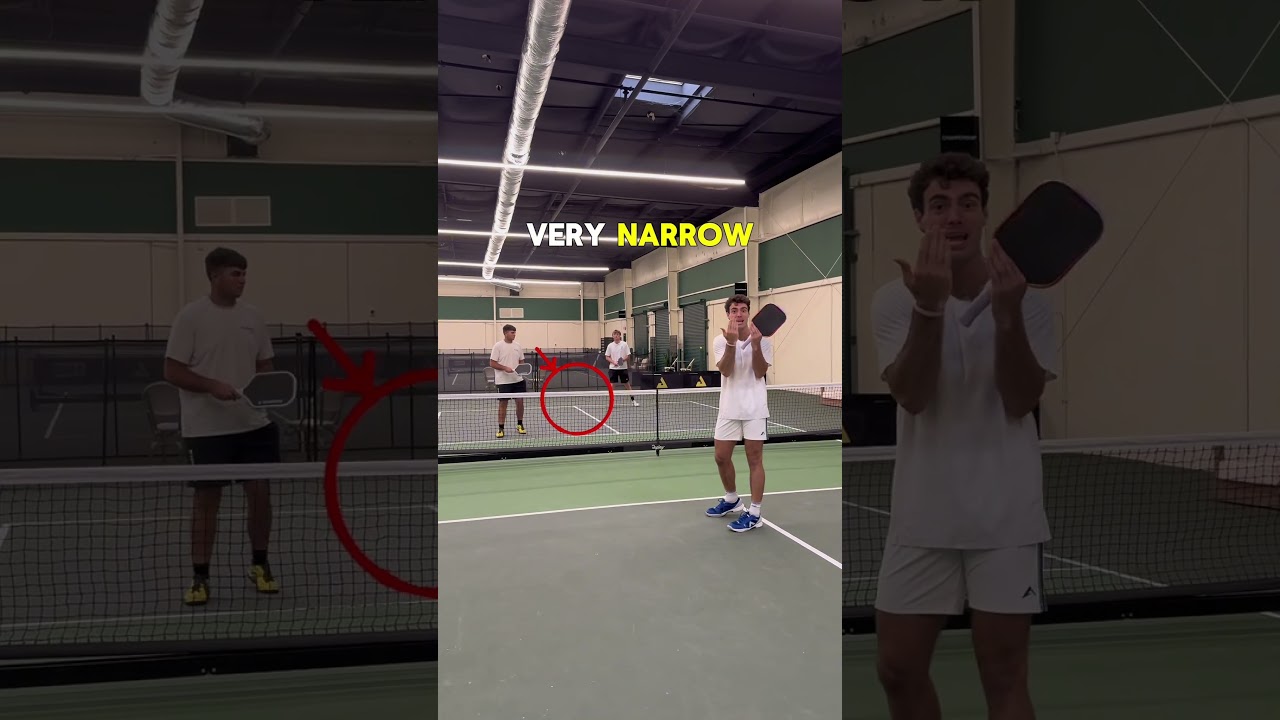
When your opponents split apart vertically, a lane opens up between them that most players simply never take.
Most players are so focused on targeting a specific body or a sideline that they completely miss the middle.
That middle gap can be so wide you could, as one coach put it, drive a car through it.
This breakdown comes from Richard Pickleball on YouTube, one of the clearest explanations of how to read court positioning and punish mismatches in real time.
Here is exactly how to do it.
Love pickleball? Then you'll love our free newsletter. We send the latest news, tips, and highlights for free each week.
What the Gap Actually Is
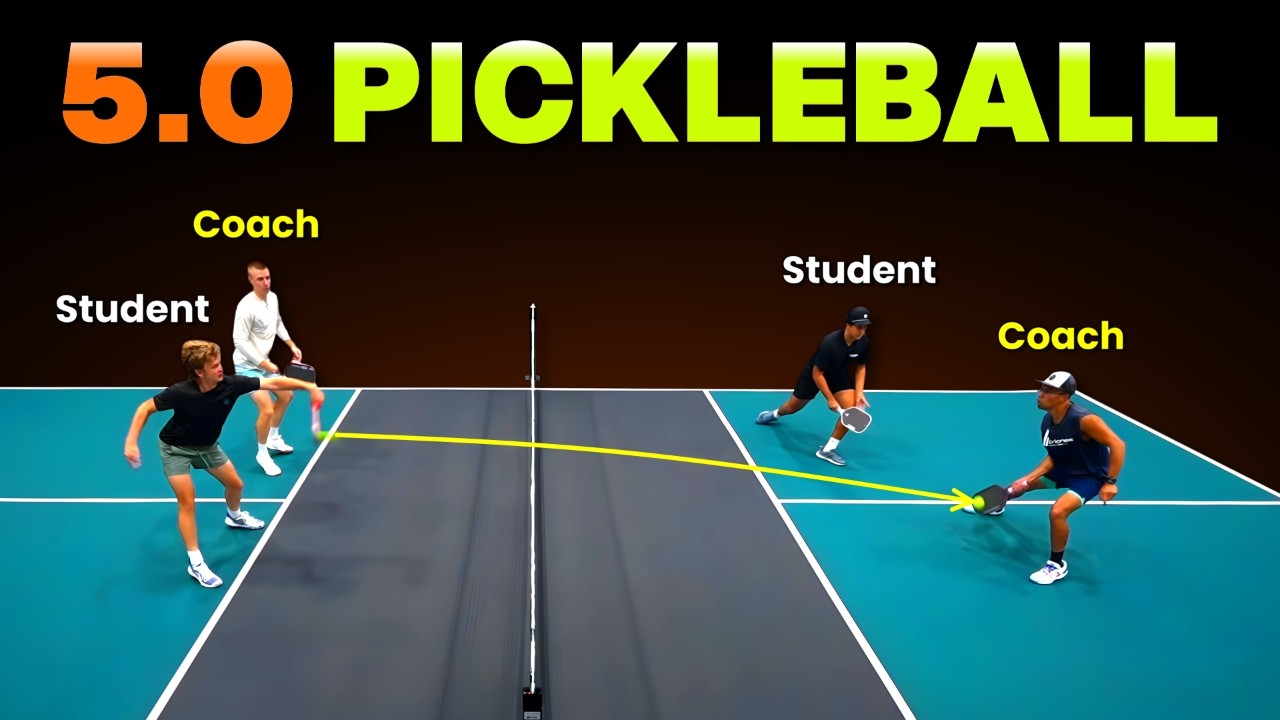
The gap is the open space between two opponents standing at different depths.
One player is up at the kitchen line, the other is still hanging back in the transition zone.
That vertical separation creates a middle lane neither player can cover cleanly.
This is different from the normal middle ball you hit when both opponents are level.
When opponents are stacked vertically, the breakdown is worse.
The kitchen player cannot drop back fast enough, and the back player cannot reach up quickly enough.
The result is a gap that is genuinely difficult to close. Your job is to see it and hit it before they reorganize.
Why Do Opponents End Up Out of Position Like This?
Constantly, and at every level. One partner moves up early after a good third shot drop while the other gets pinned back by a bad step or a weak dig.
Now you have two players who are no longer moving as a unit. That is where court coverage mistakes in doubles compound fast.
One positioning error can leave a wide open lane for the entire rally. Train your eyes to catch it the moment it happens, not after the point.
How Do You Actually Spot the Gap in Real Time?
Recognizing the gap starts with watching your opponents' feet, not the ball. Most players track the ball and react. Better players track positioning and anticipate.
Here is what to look for before you hit:
- One opponent is at or past the kitchen line
- The other opponent is still in the transition zone or baseline
- The vertical distance between them is more than a few feet
- Neither player is moving to close the gap before your shot
If all four of those are true, you have a target. Take it.
This kind of court vision that separates 6.0 players from 4.0 players is not magic. It is trained awareness.
The more you consciously look for positioning during rallies, the faster you will spot these openings automatically.
 Jason Flamm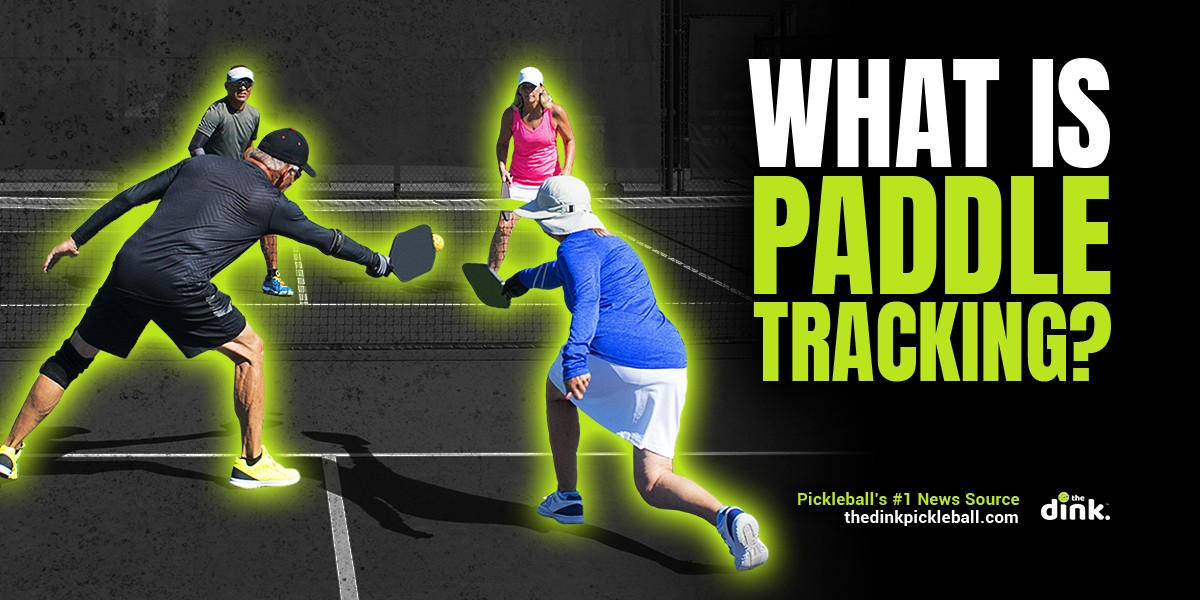
Where Exactly Should You Aim?
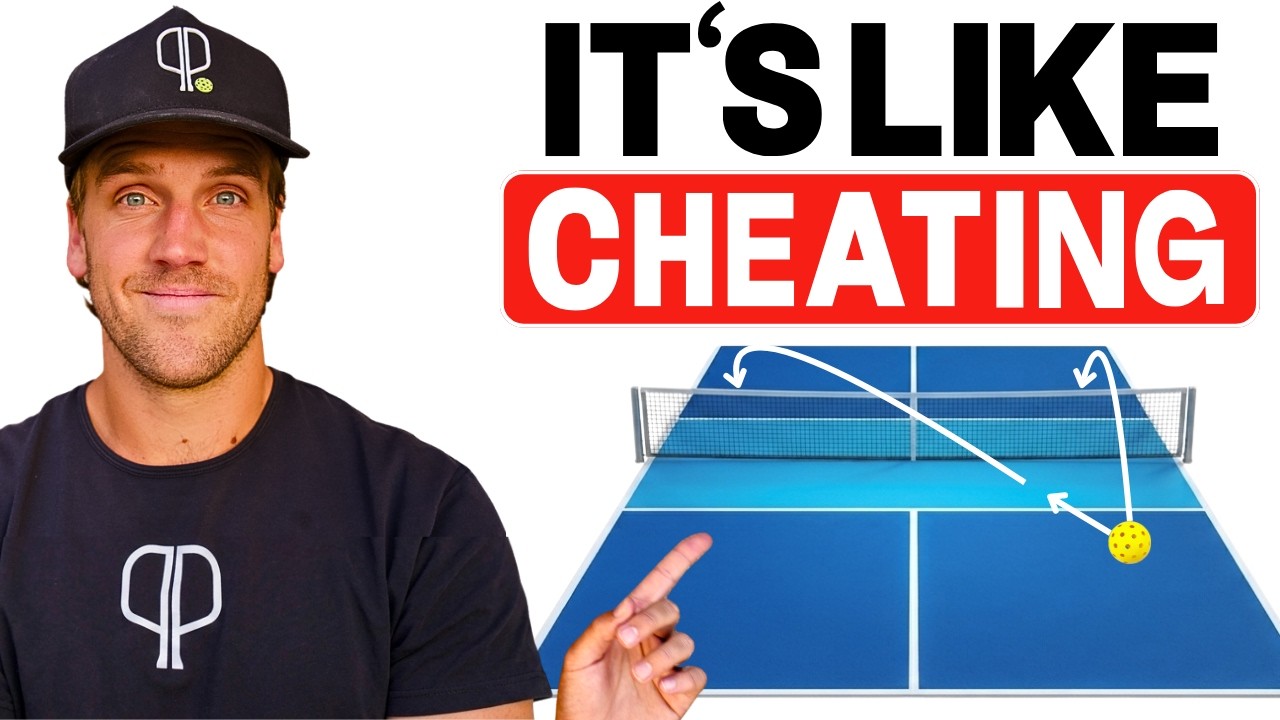
Aim at the space between the two players, not at either player's body. This is a key distinction.
If you aim at the person who is forward, you give the person who is back a chance to track it down.
If you aim at the person who is back, the person who is forward can poach it.
The true gap target is the no-man's-land between them.
That is where neither player has a clean path to the ball and where communication failures cause the ball to bounce untouched.
Understanding shot selection based on height and placement will help you dial in exactly where in the gap to aim depending on whether you are hitting out of the air or off the bounce.
 The Dink Media Team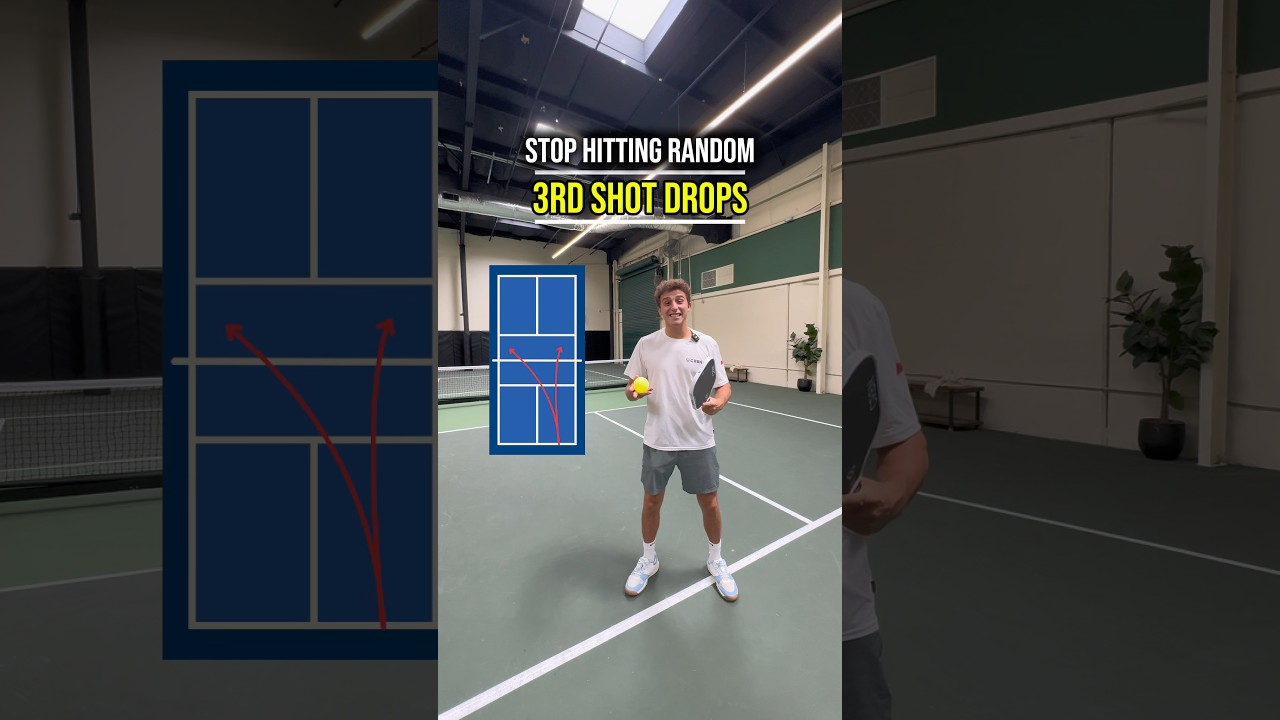
Can You Attack the Gap off the Volley and off the Bounce?
Yes, and this is an important point. The gap shot works from both contact points. You do not need to wait for the perfect bounce to exploit this opening.
Here is how to approach each situation:
- Out of the air (volley): This is actually the better option when possible. You catch the ball before your opponents have time to close ground. Keep your swing compact and punch it into the gap with pace.
- Off the bounce: You have a fraction more time to aim, but so do your opponents. Make sure the gap is still open when you make contact. If one player has started closing, adjust your target accordingly.
The key is committing to the gap before you swing. Players who hesitate often redirect to a safer shot at the last second and miss both opportunities.
 The Dink Media Team
What If the Gap Closes Before You Hit?
This happens. One player reads your eyes and starts moving. Now the gap is narrowing, and you are already in your swing.
Here is what to do.
First, do not panic. A shrinking gap does not mean you have no shot. It means your target shifts.
If the back player is closing toward the middle, redirect behind them to the sideline.
If the front player is dropping back, hit it at their feet in the transition zone.
This is exactly why reading ball height and opponent position together is such a critical skill.
Your shot decision should update as new information comes in, not lock in the moment you see the first opening.
 The Dink Media Team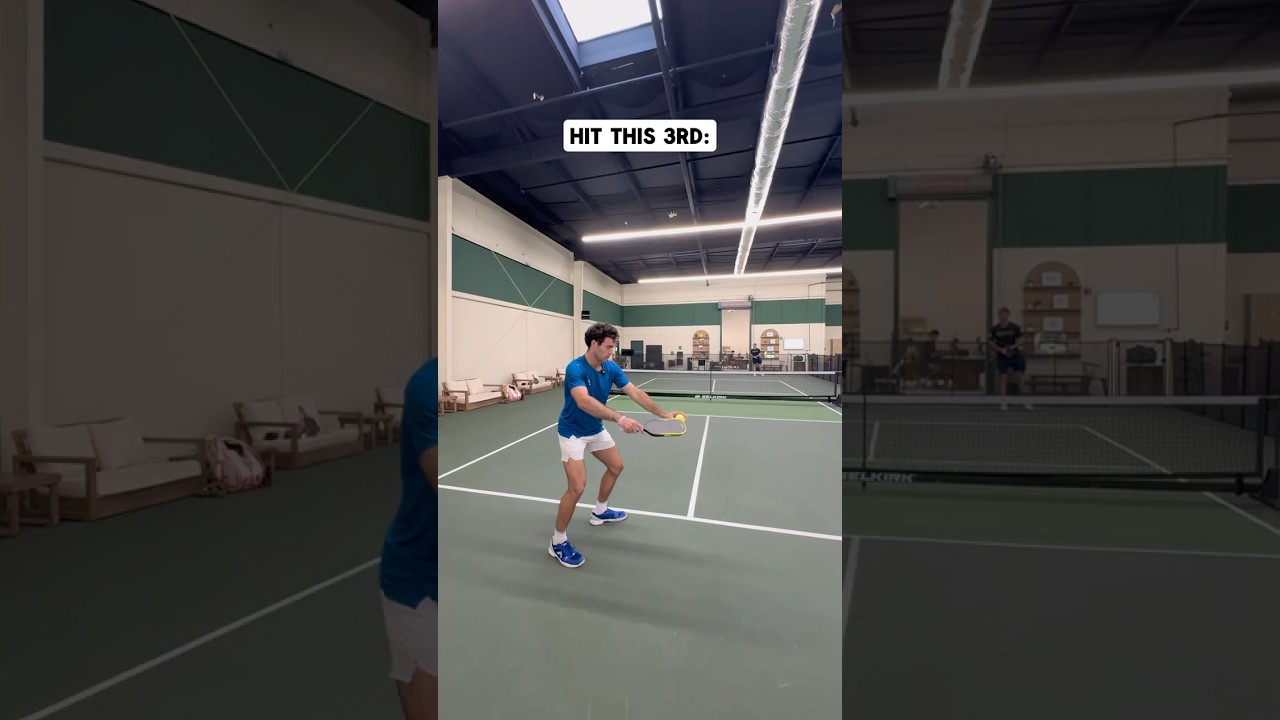
How to Practice Seeing and Hitting the Gap
You cannot just wait to stumble into this in open play. You need to build the habit deliberately. Here are specific ways to do it.
- Shadow positioning drill: During warm-up, have your opponents take different depths intentionally. Practice identifying the gap before you hit. Name it out loud.
- Controlled rally drill: One side tries to create vertical separation while the other side has two seconds to find and hit the gap. This accelerates your recognition speed.
- Film review: Watch your own rallies and pause the video at the moment of contact. Was there a gap you missed? This is one of the fastest ways to improve court awareness. Check out how filming yourself can fix mistakes fast.
- Live drilling with consequences: Play points where one team gets bonus points for successfully hitting the gap. Pressure accelerates learning.
Consistent reps like the ones in these 12 drills build the instinct. In a real match you should not have to think. You just see it and go.
 The Dink Media Team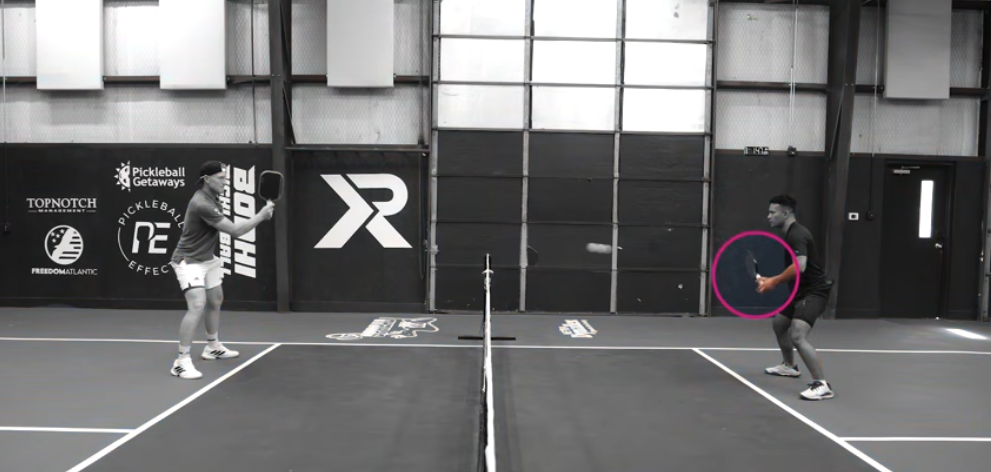
Is the Gap Shot the Same as Poaching?
Not exactly.
Poaching in pickleball is one player crossing to take a ball headed for their partner, while the gap shot is about targeting open space between two opponents.
That said, understanding poaching helps you create your own gaps.
When you know an opponent poaches aggressively, you can bait the movement and punish the space they leave behind.
That kind of read is core to the strategies that pro players use every single game.
 The Dink Media Team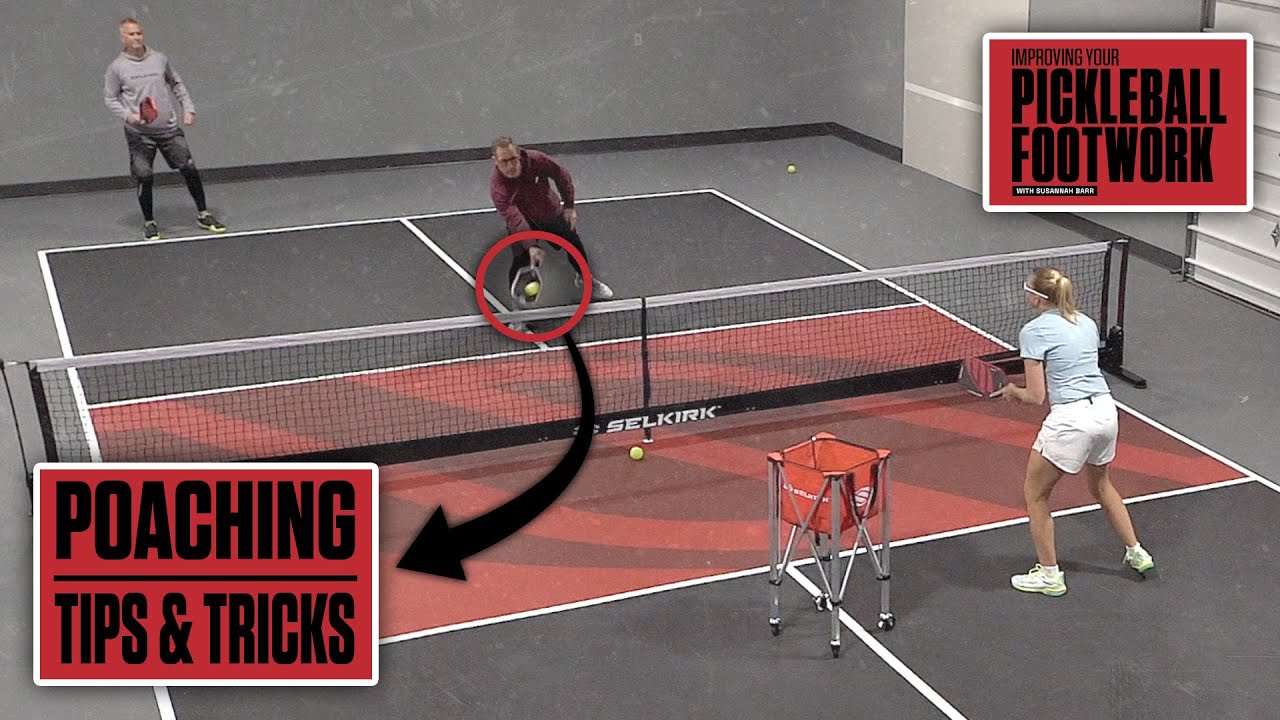
Common Mistakes Players Make When Going for the Gap
Even players who know about the gap shot make execution errors. These are the most common ones.
- Telegraphing the shot: You look directly at the gap before you hit. Good opponents will read your eyes and start closing. Practice keeping your gaze neutral until the last moment.
- Going for the gap when it is already closing: You identified the gap early but by the time you swing, both players have adjusted. Stay updated on positioning until contact.
- Hitting too hard: Power into the gap is good, but too much pace can sail the ball wide or into the net. Aim for controlled aggression, not a full swing.
- Missing the middle on direction: Players often aim for the gap and pull the ball toward one opponent instead. Practice your middle placement specifically in drilling, not just in games.
These errors are fixable. The fact that you are reading and targeting the gap at all already puts you ahead of most players at the 3.5 to 4.0 level.
 The Dink Media Team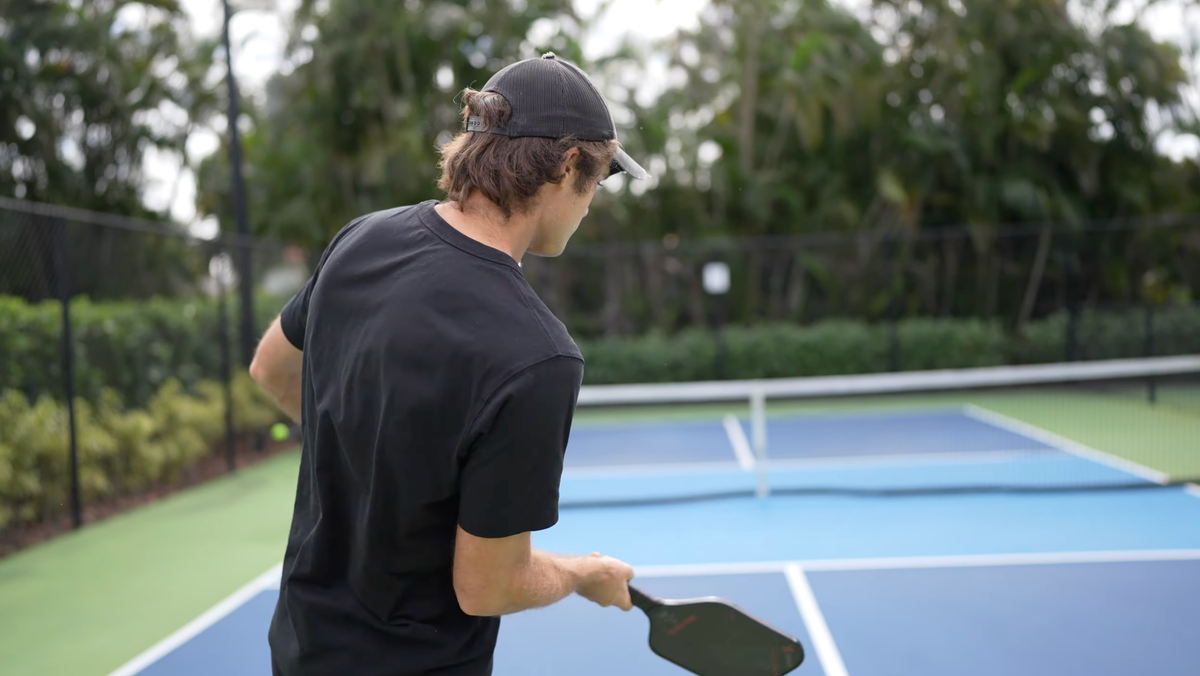
Why the Pickleball Gap Shot Changes Everything Else
This is not a highlight-reel trick.
It is a fundamental offensive concept in pickleball doubles strategy that forces opponents to communicate and move as a unit.
Hit it consistently and they start thinking about positioning every rally, which creates hesitation and new errors.
That is the same principle behind doubles strategy fixes that turn you into a real offensive threat.
Targeting the middle also opens every other shot in your arsenal.
Once opponents cheat toward the middle, your sidelines get easier. Once they chase sidelines, the middle reopens.
You are controlling the rally instead of reacting to it.
The best players do not just hit to open spots.
They create open spots by making opponents choose, and the pickleball gap shot is the cleanest way to force that choice and win either way.
Start looking for it every rally. It is there more often than you think, and it rewards the players paying attention.
That is how you turn court awareness into real points, and how you build the kind of pickleball IQ that lets you outsmart better players.
Frequently Asked Questions
What is a pickleball gap shot?
A pickleball gap shot is a shot aimed at the open space between two opponents who are positioned at different depths on the court. When one player is at the kitchen and the other is still back, the middle lane between them is vulnerable. Targeting that space forces a communication breakdown and is often untouchable.
When should I go for the gap instead of aiming at a player?
Go for the gap when opponents are at clearly different depths and neither one is actively closing the space between them. If both players are at the same level, target the weaker player's body or the sideline instead. The gap shot is most effective when the vertical separation between opponents is significant.
Does the gap shot work against strong doubles teams?
Yes, even strong doubles teams create gaps when one player moves early and the other does not follow. The difference is that strong teams communicate and close faster. You have a smaller window, so you need to recognize and execute the shot quickly rather than waiting too long.
Can I hit the gap shot as a volley?
Hitting the gap as a volley is actually the preferred option because it gives opponents less time to reorganize. Keep the swing compact and aim for the center of the gap with controlled pace. The less time your opponents have to read and move, the more effective this shot becomes.
How do I stop telegraphing where I'm going to hit?
Keep your eyes neutral and do not look directly at your target before contact. Practice hitting different targets from the same setup position so your body mechanics do not give away the shot. Over time, this becomes automatic and your opponents will have no read on your intentions until the ball is already past them.

Love Pickleball? Join 100k+ readers for free weekly tips, news & gear deals.
Subscribe to The Dink