

3 Pickleball Agility Training Methods That Beat the Speed Ladder
Pickleball agility training is not about fast feet in a ladder, it is about force, speed, and reaction. Here are the three methods that actually make you move faster on court.
You have probably spent time weaving through an agility ladder, feeling quick, and then showed up on court and moved exactly the same as before.
That is not a coincidence, and it is the core problem with most pickleball agility training.
The ladder makes your feet busy, but it does not make you faster where it counts. Real speed on the court comes from somewhere else entirely.
This breakdown comes from That Pickleball Trainer - Connor Derrickson on YouTube, who trains everyone from touring pros to players in their 70s.
Below you will find the three buckets that actually build speed, how to progress through them, and where the ladder still earns a spot in your routine.
Love pickleball? Then you'll love our free newsletter. We send the latest news, tips, and highlights for free each week.
Why Doesn't an Agility Ladder Make You Faster?
An agility ladder does not make you faster because it trains how quickly you lift and drop your feet in a tiny space, not how much force you push into the ground.
Speed on a pickleball court is about displacement, meaning how far you move your body weight per push.
Look at those flashy ladder clips online. The feet move at 30x speed while the body barely goes anywhere.
Ladder patterns are also pre-programmed. You learn the one-in, two-in, or karaoke sequence, and then you just repeat a memorized skill.
Pickleball is the opposite. It is a reactionary sport, and you move in response to a ball you did not choose.
What Actually Makes You Faster on a Pickleball Court?
Three things make you faster: force, speed, and reaction. Everything else is noise.
Force is how hard you can push into the ground. The more force you create, the farther one step carries you.
Speed is how quickly you can apply that force. Strong and quick together is what an elite mover looks like.
Reaction is how well you respond to a stimulus and then spend the force and speed you built. That is the part pickleball demands every single point.
Those three ideas translate into three training buckets. Work through them in order and you will build a faster, smoother base.
Bucket 1: Pre-Programmed Agility Drills
Pre-programmed agility means drills where you know the movement ahead of time, and the goal is to push force into the ground quickly. This is where you start.
Sprinting is the foundation. Train 5, 10, and 15 yard accelerations to build raw burst.
Then add the part that matters most for this sport: stopping.
You are only as fast as you can slow down, because you need to get stable, balanced, and ready to hit a good shot before doing it all over again.
Here is what to include in this bucket:
- Linear sprints of 5, 10, and 15 yards to build acceleration
- Sprint to deceleration drills, where you burst forward and stop under control
- Box drill, Z drill, and T drill patterns that mix shuffles, sprints, and cuts
- Shuffle, shuffle, sprint combos, such as 5 yards each way then a 10 yard sprint
These are still pre-programmed, but they train force development and change of direction in ways a ladder never will.
If you want to see how footwork connects to safer, cleaner shots, check out these 5 pickleball footwork fixes.
Players who ignore stopping power often pay for it with sore joints. Pair your sprint work with smart ankle injury prevention habits.
 The Dink Media Team
Bucket 2: Plyometrics for Twitchy Speed
Plyometrics are explosive jumping and landing exercises that train how fast you can produce force and get off the ground.
This is where that twitchy, springy quality comes from.
Think about how quickly the best players pop out of a split step. Hayden Patriquin and Elliott Shupp are good mental pictures of what fast off the ground looks like.
Here is a simple plyometric menu:
- Lateral hurdle hops: jump sideways, touch down, and rebound as quickly as possible
- Box jumps: great for jumping power, though not a pure plyometric
- Single leg box jumps: a tougher version that builds balance and force on one leg
- Depth jumps: step off a box, touch the ground, and jump up as high and fast as you can
Once those feel easy, you can load them. Hold a 5 to 10 pound weight, step off a box, land, and explode upward.
Adding weight puts more emphasis on force, which makes you stronger and more durable through the movement. It is an advanced step, so earn it first.
Lower body strength underpins all of this. If you need ideas, here are 4 pickleball leg exercise picks that beat the leg press.
 The Dink Media Team
Bucket 3: Reactive Agility Drills
Reactive agility means moving in response to a stimulus you cannot predict, which makes it the closest thing to real pickleball.
It is also the most advanced bucket.
Do not jump straight here. Build your strength, plyometrics, and sprinting foundation first, because reactive work sits on top of all of it.
Reactive drills should also be periodized. Focus on them for about a week once a month, not every day.
- Drill one: the point-and-shuffle. Start in the middle of a wide space while a partner points left or right. You shuffle in that direction as fast as possible, staying low, until they point the other way. They can switch direction whenever they like, so you cannot settle into a rhythm. You are reacting, cutting, and reacting again.
- Drill two: the mirror drill. This one adds competition, which is the hidden gem of sport specific training, the same reason drills disguised as games stick so well. Stand nose to nose with a partner, about a foot apart. One person tries to juke the other using only their feet within a 5 yard window, while the other mirrors every move.
Go for 10 to 15 seconds, then switch. You will be fried, and you will be sharper for it.
 The Dink Media Team

How Should You Order These Three Buckets?
Go in order: pre-programmed agility, then plyometrics, then reactive agility. Each layer builds on the one before it.
Start with sprinting and change of direction so you learn to push force into the ground. Add plyometrics as your foundation for explosive power.
Then bring in reactive drills once your base is solid. The reactive stuff looks the most fun, which is exactly why people skip ahead too early.
Here is a quick weekly structure to try:
- Weeks 1 to 4: sprints, sprint to stop, and cone patterns twice a week
- Weeks 3 to 8: add plyometrics once or twice a week alongside strength work
- Week 8 onward: add one reactive block, then repeat monthly
Fit this around your match schedule and recovery, and be honest about how much you drill versus play. This quick stretching routine can help you absorb the work.
 The Dink Media Team
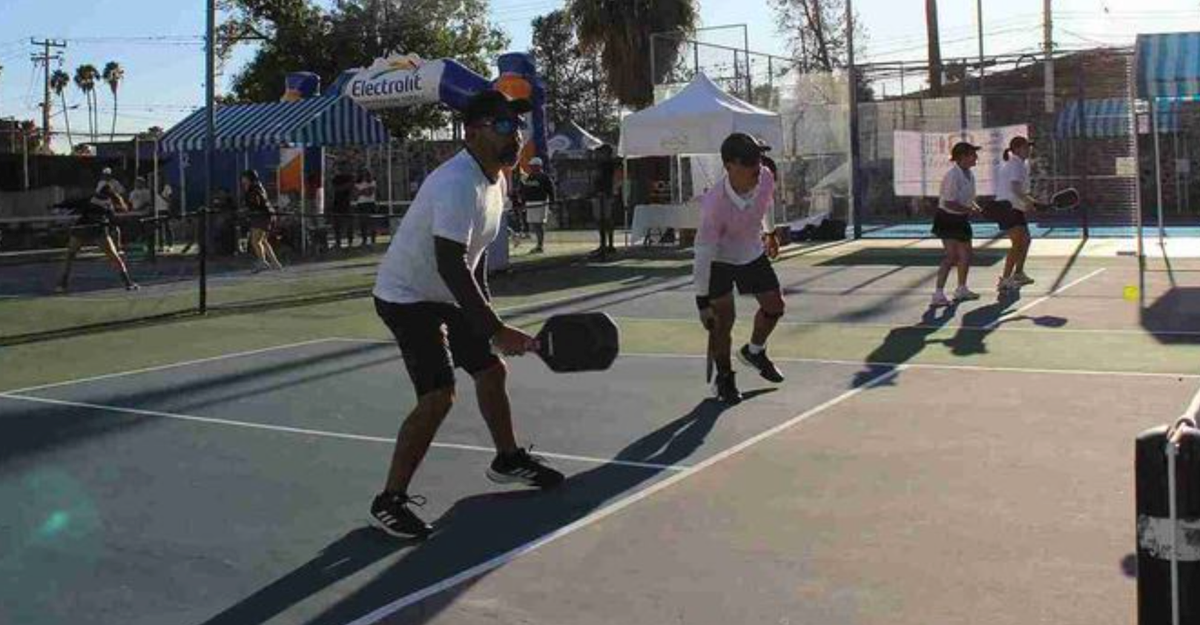
Does the Agility Ladder Have Any Use at All?
Yes, the agility ladder is useful in a warm-up for coordination, but it will not make you faster. That is the honest middle ground.
Use it to groove simple footwork patterns like in and out steps, small hops, and skips. It is also decent for ankle durability and Achilles health.
What it does not do is load you with force. You are not pushing into the ground hard enough to build speed.
If you want a warm-up that preps your body to compete, here is a full pickleball warm-up routine you can drop the ladder into.
 The Dink Media Team
What Does Faster Footwork Do for Your Game?
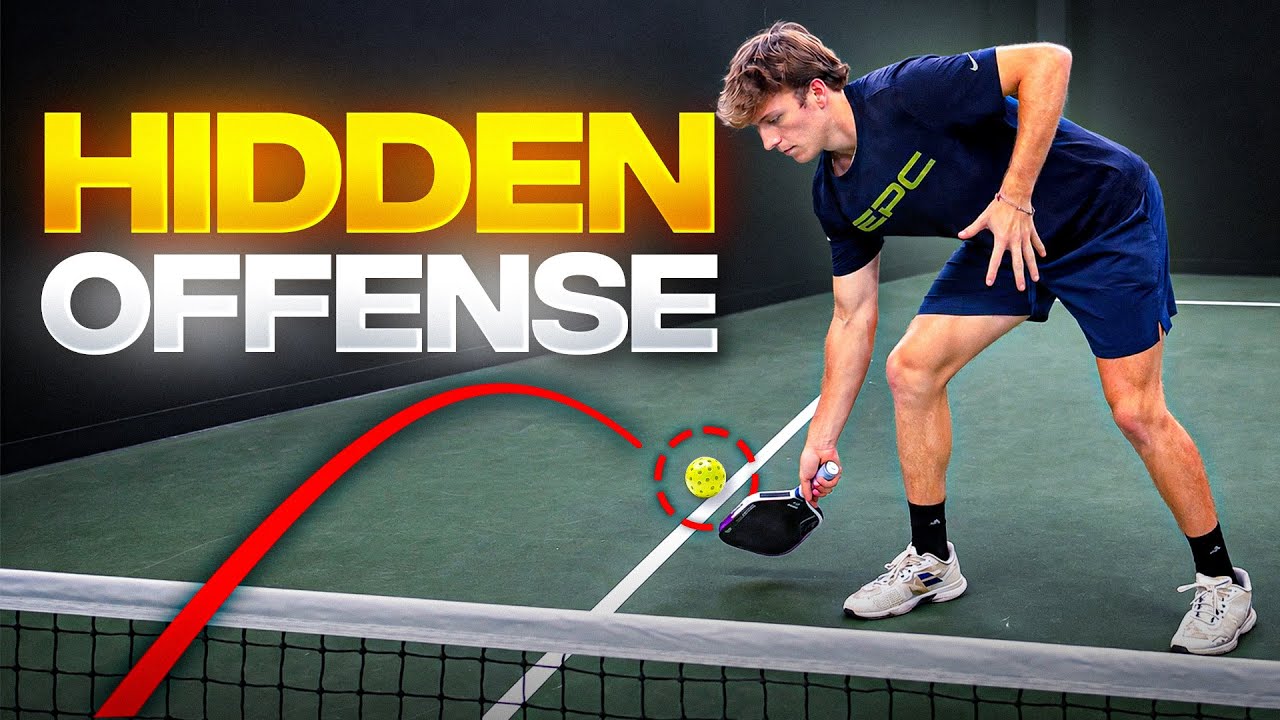
Faster, smoother footwork gets you to the ball earlier, which gives you balance and time to hit a better shot. That affects everything from dinks to counters.
When you arrive late, you reach, lunge, and pop balls up.
When you arrive on time, you can pick your shot and your spot, and a stable base is what makes that possible.
Better movement also helps when you are outmatched on pace. Learn to handle younger, faster opponents without burning out.
And if your hands battles are going badly, stable feet are often the hidden cause. Pair your pickleball agility training with these habits to beat hard hitters.
Cleaner footwork also makes the soft game easier. It sets up a solid base for better pickleball dinking.
 The Dink Media Team
A Simple Takeaway You Can Use This Week
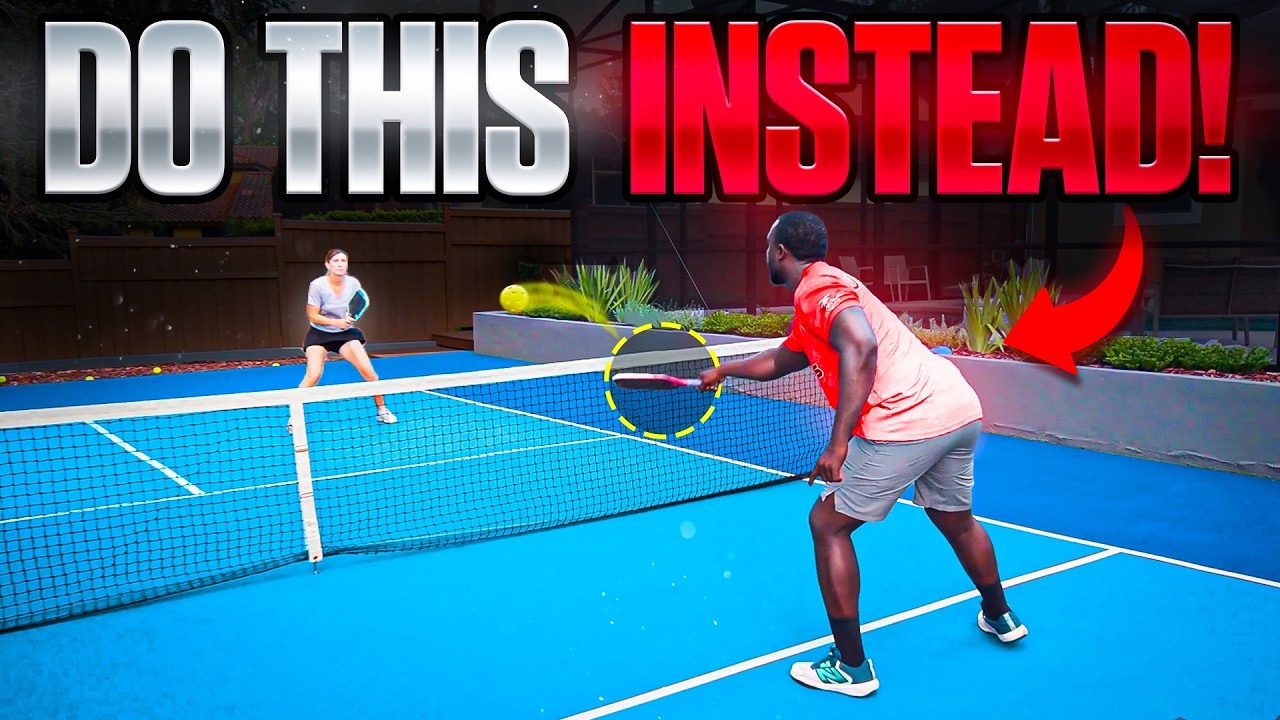
Drop the idea that busy feet equal fast feet. Build force, build speed, and train your reaction in that order.
Pick two sprint drills, one plyometric, and one partner reaction drill, and rotate them through your week.
Stay patient with the progression and keep the ladder in your warm-up where it belongs.
Players who pair this kind of work with a smart pro-built practice plan or a few pro-endorsed drills tend to see the biggest jumps in court speed.
Frequently Asked Questions
Does a speed ladder help in pickleball?
Not for speed. A ladder trains foot coordination in a small space, but it does not load you with the force needed to move farther or faster on court. It works best as a warm-up tool.
What is the best pickleball agility training?
The best pickleball agility training combines three things: pre-programmed sprints and change of direction drills, plyometrics, and reactive partner drills. Progress through them in that order for the best results.
What exercises make you faster at pickleball?
Sprints, sprint to stop drills, box drill and T drill patterns, lateral hurdle hops, single leg box jumps, and depth jumps all build speed. Strength training supports every one of them.
How often should I do reactive agility drills?
Treat reactive drills as an advanced block, roughly one focused week per month. Do not do them daily, and build your strength, plyometric, and sprint base first.
What is a good reactive agility drill for pickleball?
The mirror drill is a favorite. Face a partner within a 5 yard window while one person tries to juke with their feet and the other mirrors every move for 10 to 15 seconds.


Love Pickleball? Join 100k+ readers for free weekly tips, news & gear deals.
Subscribe to The Dink