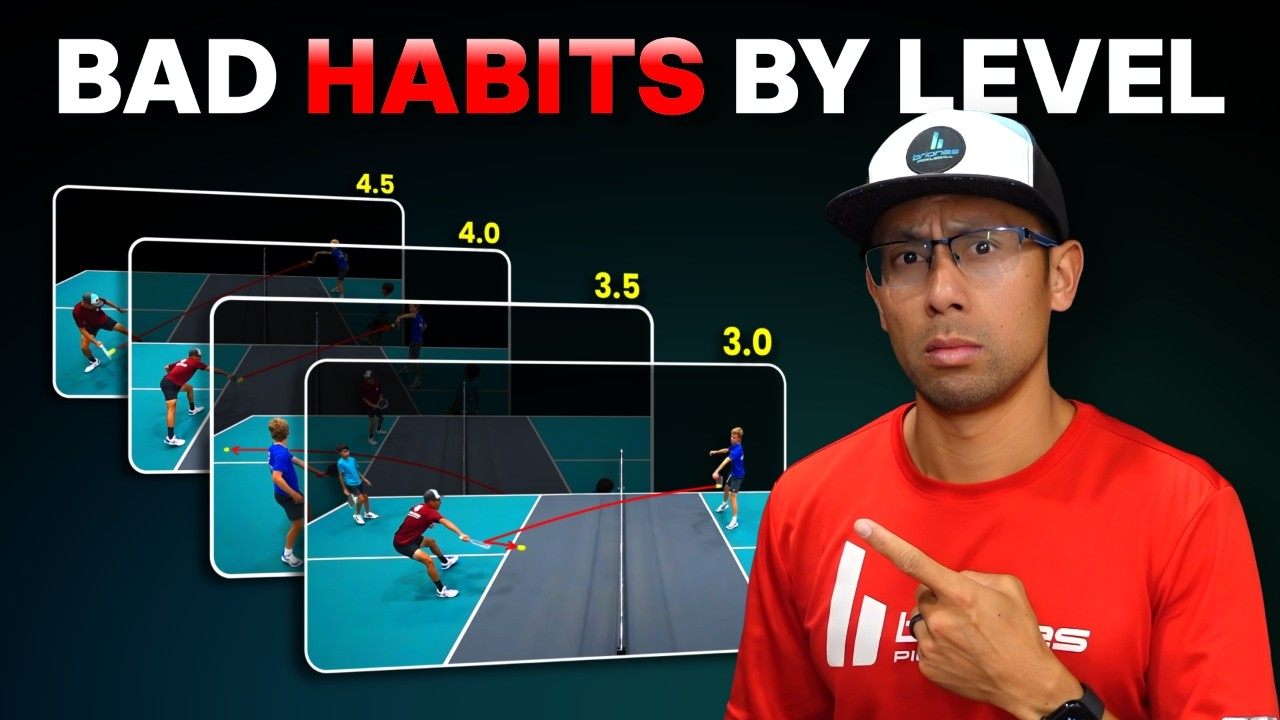
Every rating has its own set of bad pickleball habits that keep players stuck. Here are the three biggest mistakes at 3.0, 3.5, 4.0, and 4.5, and exactly how to fix them.
Every bad pickleball habit has a rating attached to it.
The mistakes a 3.0 player makes are not the same ones holding back a 4.0 player, but they all share one thing in common: they are costing you points you should be winning.
The good news is that most of these habits are fixable once you can see them clearly.
The bad news is that most players never even recognize they are doing them.
This breakdown comes from Briones Pickleball Academy on YouTube, covering the top three bad habits at each level from 3.0 all the way through 4.5 and beyond.
Work through every section, even if you think you have already graduated past it.
Love pickleball? Then you'll love our free newsletter. We send the latest news, tips, and highlights for free each week.
The 3.0 Habits That Stall Your Progress Fast
At the 3.0 level, most bad habits come down to one root problem: not understanding where your body needs to be before the ball is hit.
Habit 1: Drifting in After the Serve
This one shows up constantly at the 3.0 level. You serve the ball, and before your opponent even makes contact on the return, you are already creeping forward.
The two-bounce rule exists for a reason. When the return comes back deep, you need space behind you to set up a quality third shot.
If you have already drifted in, you are jammed, rushed, and hitting a low-percentage ball.
Stay back after the serve. Move to the ball only after you read the return, not before.
This also applies to the serving team's partner, who often floats in and gets caught just as badly on the third.
For more on fixing your third shot mechanics from the ground up, check out why your third shot drop pops up and how to fix it.
Habit 2: Returning and Staying Back
The return of serve is not just about hitting a good shot. It is about what you do after the ball leaves your paddle.
Too many 3.0 players hit the return and then stand there, leaving their partner alone at the non-volley zone line.
That puts your team at an immediate positional disadvantage on every single rally.
Hit the return with your momentum moving forward.
If you need more time to get there, hit the ball higher and deeper so you can close the distance before the next shot arrives.
Common return of serve problems almost always trace back to this exact issue.
Habit 3: Sprinting In Blindly on the Third Shot
When your partner is hitting the third shot, your instinct is to sprint to the kitchen line. Stop doing that.
Your job in that moment is to assess the quality of the third shot first.
If the drop or drive is high and weak, charging forward will leave you exposed at your feet. If the shot is genuinely good, then you can close some ground intelligently.
Watch your partner make contact. Read the ball.
Then decide how much ground to take. Stop sprinting blindly and start winning by making this one mental adjustment.
 The Dink Media Team
The 3.5 Habits Keeping You Out of the 4.0 Club
At 3.5, your fundamentals are starting to click. But the mistakes here are more subtle, and that makes them harder to catch on your own.
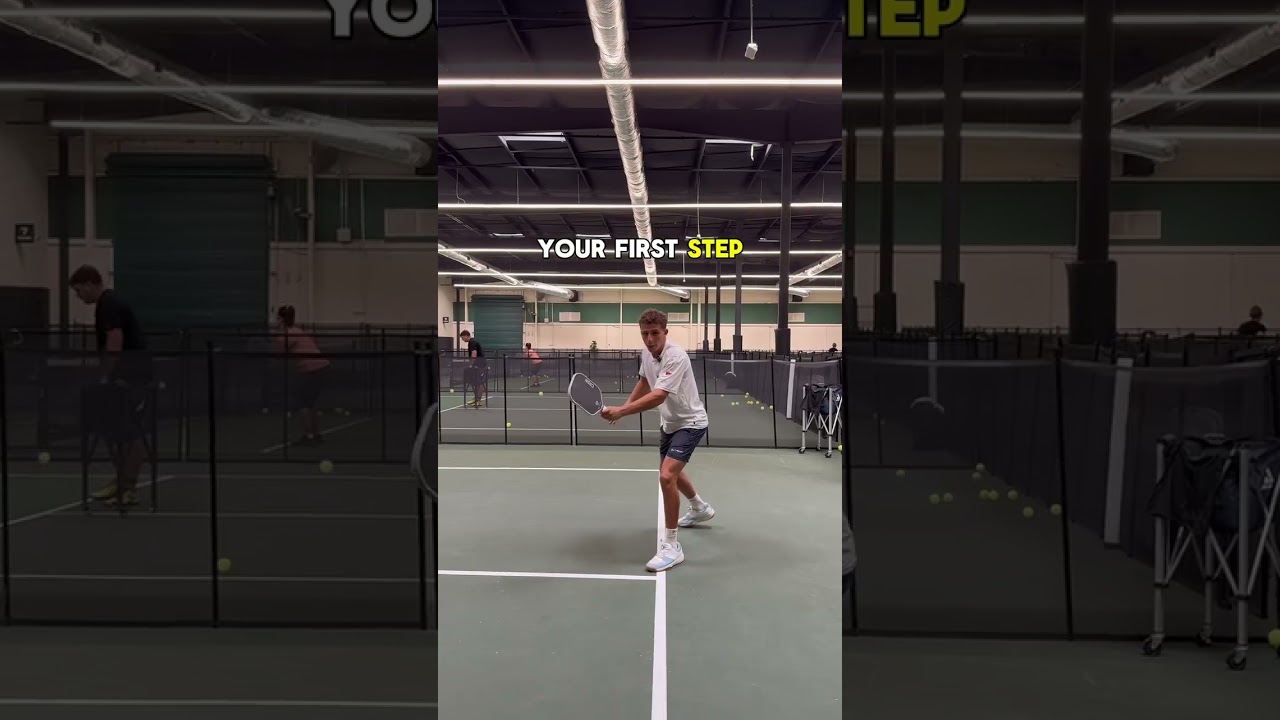
Habit 4: Not Using the Split Step in Transition
The split step might be the single most neglected skill at the 3.5 level.
Players are so focused on moving forward that they never actually stop and get balanced before the opponent hits.
A proper split step is wider than shoulder width and loads your weight to move in any direction.
Without it, you are reacting late and off balance to almost every ball in transition.
Right before your opponent makes contact, stop moving and split. Do not wait until after they hit.
The timing is the whole point. For a deeper look at this, stop rushing the kitchen and start using the transition zone properly.
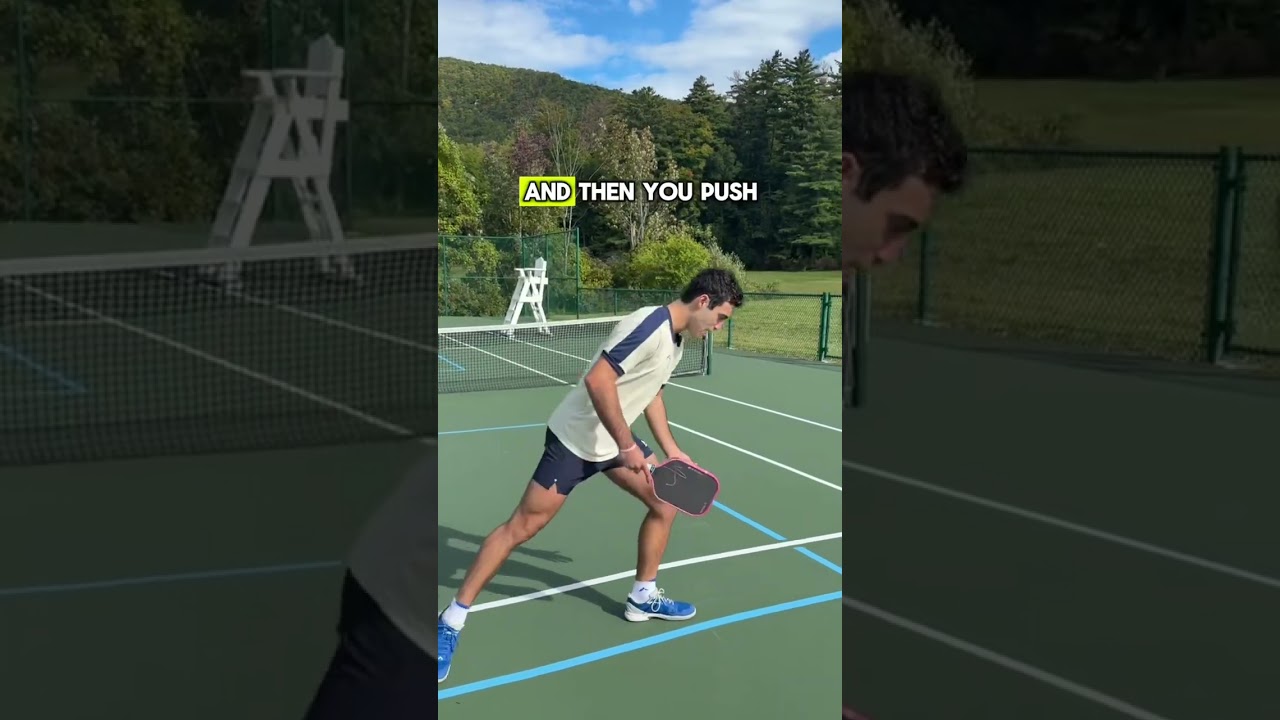
Habit 5: Attacking Low Balls in Transition
This one feels aggressive but is actually handing points away.
When you are in the transition zone and the ball comes in at shin level or below the knee, attacking it is almost always wrong.
The geometry does not work in your favor. Hitting upward from that position gives your opponent an easy ball to drive down at your feet.
Instead, dink it or reset it into the non-volley zone.
Get to the kitchen line first, then be aggressive. A three-drop transition strategy gives you a clean system for exactly this situation.
Habit 6: Not Covering the Court as a Team
Court coverage at the 3.5 level is not complicated, but most players treat it like it is optional. It is not.
The rule is simple: when the ball is near a sideline, the player closest to that sideline covers the line, and the player on the opposite side covers the middle.
Both players should be sliding together as the ball moves.
If you stay stationary in a crosscourt dink rally, you are leaving clean winners available every single time.
Court coverage mistakes in doubles are often the difference between winning and losing a close game at this level.
 The Dink Media Team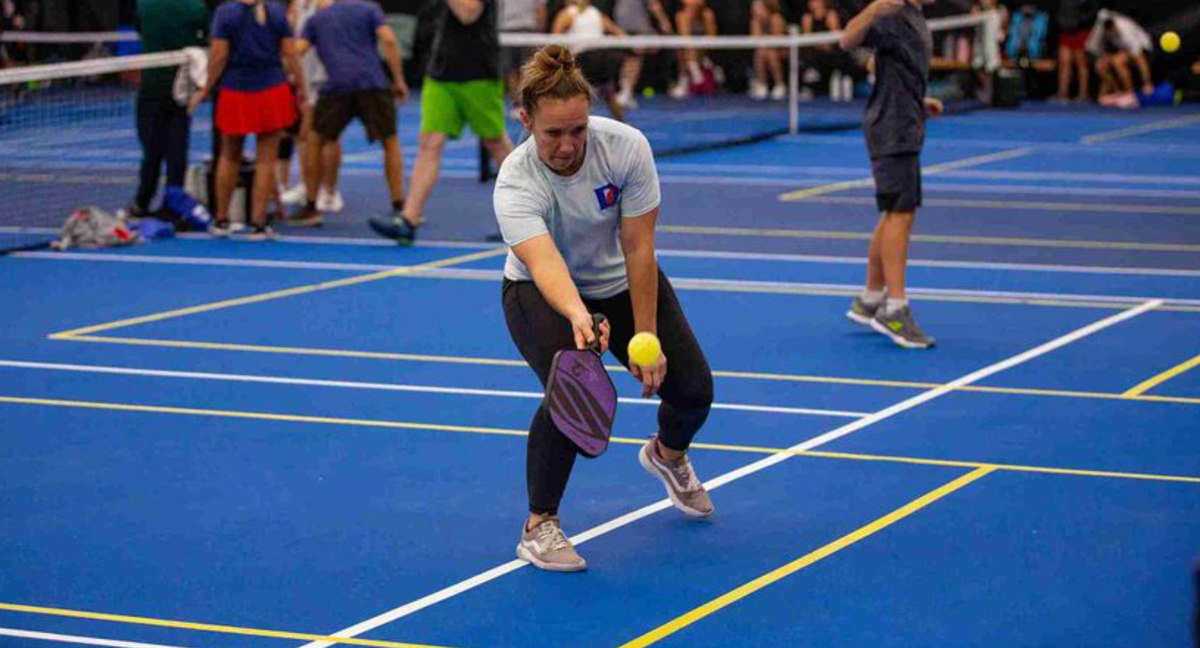
What Are the Biggest 4.0 Mistakes?
At 4.0, the bad habits get more expensive. You have the tools to attack. The question is whether you are using them correctly.
Habit 7: Attacking Into Your Opponent's Power Zone
Speed ups at 4.0 are common. The problem is not the decision to attack. It is target selection.
Feeding the ball directly to someone's backhand counter or natural power zone is not aggression. It is making their job easy, and good players punish it every time.
Prioritize your target over your pace. A well-placed attack at 70 percent power beats a hard ball to their sweet spot.
This is one of the most common bad pickleball habits costing you points at 4.0.
Habit 8: Attacking Balls That Are Too Low
Players at 4.0 are actively hunting for chances to be aggressive, sometimes too actively.
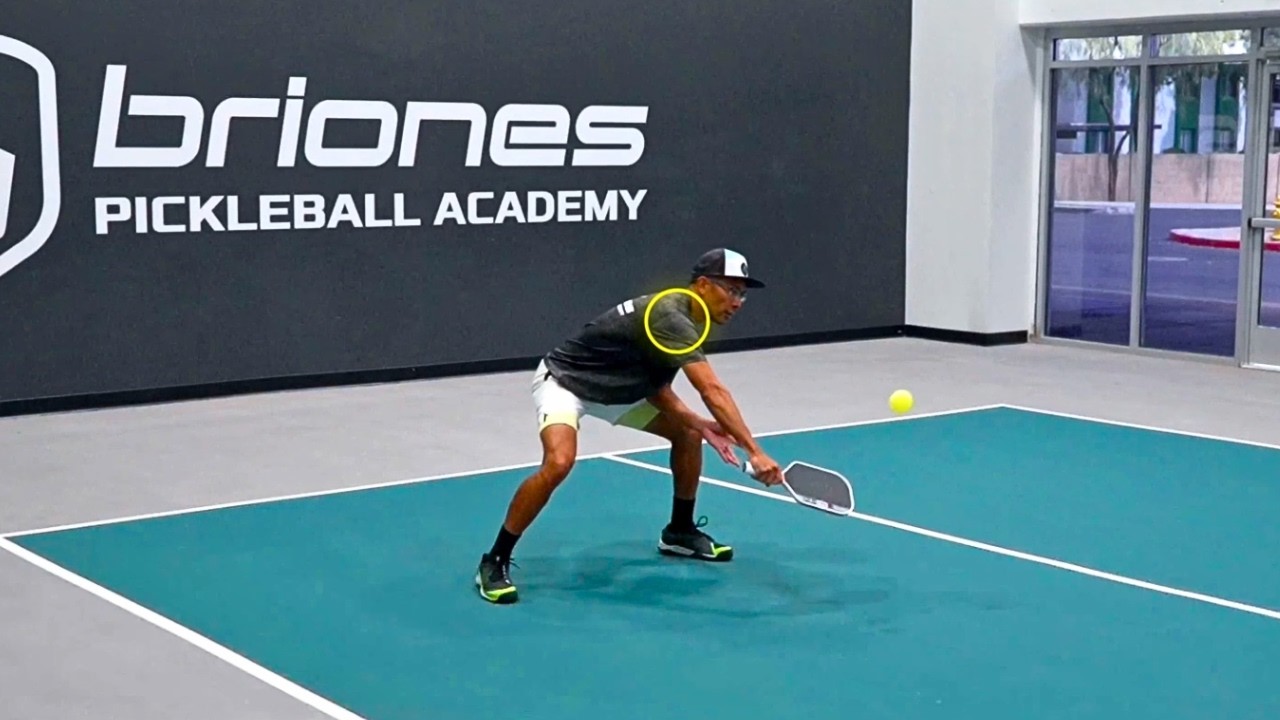
When you speed up a ball at your knees or below, you are swinging upward.
That trajectory produces a ball your opponent can slam back down at your feet, and the rally is effectively over.
If the ball is low, hit a dink volley.
Take time away by shortening the dink, move the ball to a tough spot, and wait for a ball you can actually attack from a strong position.
Three height targets that win break down exactly when to attack and when to hold back.
Habit 9: Being Aggressive While Out of Position
The final 4.0 habit is trying to win points when you are on defense. It almost never works.
When an opponent hits a rolling, offensive dink that pulls you wide or catches you off balance, your job is to survive, not counterattack.
Trying to go crosscourt from that position opens the middle of the court and gives them an even easier put-away.
When you are stretched or off balance, hit a slow ball back to the middle. Buy time. Get your feet back under you and get your partner reset.
Slowing the game down without hitting harder is exactly the skill this habit requires.
 The Dink Media Team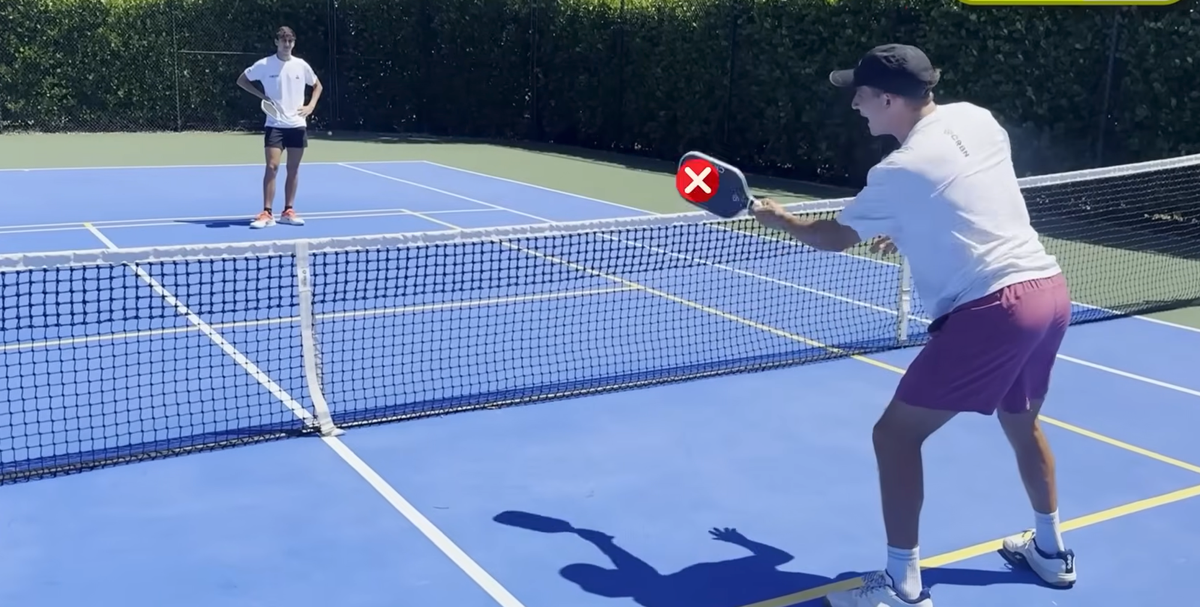
How Do 4.5 Players Separate Themselves?
At 4.5 and above, the margins are small. The habits that separate these players are almost all mental.
Here are the three key areas where even strong 4.5 players give points away:
- Speeding up without preparing for the counter: When you initiate, you need to know where the next ball is likely to come back. A crossbody attack funnels the counter toward your forehand. Know that before you swing. The triangle attack concept builds exactly this kind of pattern thinking.
- Overcomplicating the fifth shot: After a third shot drive, the fifth shot should be simple and high percentage. Players at this level try to do too much with it. Lift it, give yourself and your partner time to close the net, and build from there. Forcing extreme spin or extreme angles on the fifth turns a manageable rally into a scramble.
- Ignoring the middle of the court: The middle dink is one of the most powerful tools in pickleball. It limits your opponent's angles, forces them back off the kitchen line, and sets up your wide shots. Owning the middle dink is what separates 4.5 players from the pros above them.
Watch any elite doubles match and count how often the middle dink shows up.
It is used both defensively when pulled wide and offensively to push opponents off their inside foot before going wide. It is not a passive shot.
It is a setup.
For a full look at what separates the players who break through from the ones who stay stuck, this breakdown on why players stay stuck below 4.5 is worth your time.
The habits covered here apply to every player climbing through the ratings. Clean them up one level at a time, and the wins will follow.
Frequently Asked Questions
What is the most common bad pickleball habit at the 3.0 level?
The most common bad pickleball habit at 3.0 is drifting forward after the serve before the return even arrives. This removes the space needed to hit a quality third shot and forces rushed, low-percentage contact.
Why should you use a split step in the transition zone?
The split step stops your forward momentum just before your opponent hits, loading your weight so you can move left or right instantly. Without it, you are still moving when the ball arrives, which means late contact and poor balance. It is the single most neglected skill at the 3.5 level.
When should you attack and when should you dink in pickleball?
Attack when the ball is at or above net height and you are balanced and in a strong position. If the ball is below your knees or you are stretched out of position, dink or reset instead. Attacking from a weak position almost always produces a ball that comes back harder at your feet.
How do you use the middle of the court to win more points?
Dinking to the middle limits your opponent's angles and forces them back off the kitchen line. From there, you can open up the outside of the court for a winning shot. It works both as a defensive reset when you are out of position and as an offensive setup to push opponents onto their inside foot.
What is the right fifth shot approach for 4.5 players?
After a third shot drive, the fifth shot should be a simple, high-percentage lift over the net that buys your team time to reach the kitchen line. Trying to be too aggressive on the fifth, with extreme angles or heavy topspin, gives opponents easy counters before you are in position. Keep it clean and build from the kitchen line.

Love Pickleball? Join 100k+ readers for free weekly tips, news & gear deals.
Subscribe to The Dink