
5 Pickleball Tips That Improve Your Game Faster Than Anything Else
The best pickleball tip is not a fancy shot. It is five core concepts, from kitchen line control to ditching the drive off the bounce, that fix the most common mistakes at every level.
You have watched the videos, drilled the shots, and still feel stuck. The most useful pickleball tip is rarely a new shot.
It is a core concept you already half know but are not applying consistently.
These five ideas come from Coach Jess | Athena Pickleball on YouTube, a pro player and coach with thousands of hours on court.
She built the list around concepts that pay off for every player from beginner to 4.0.
Below, you will learn why points are won at the kitchen, the simple down and up pattern, how to stay stable in transition, where your paddle belongs, and the number one mistake costing you games.
Love pickleball? Then you'll love our free newsletter. We send the latest news, tips, and highlights for free each week.
Why the Best Pickleball Tip Starts at the Kitchen Line
Points are won at the kitchen line because that is the only place you can consistently get a ball above the net and hit it from high to low.
Trying to win points from back in the court is a habit you should eradicate from your mind.
Pickleball is not tennis. The no volley zone forces you to stay behind the kitchen line when you hit a ball out of the air, so you cannot run up and slam it down.
A quick definition for newer players: the no volley zone, or kitchen, is the 7 foot area on each side of the net where you cannot hit a ball before it bounces.
That rule is exactly why court position matters so much.
The net sits at 34 inches in the middle and 36 inches on the ends.
The closer you stand to the kitchen line, the better your chance of meeting a ball that is higher than the net.
The best pickleball tip of the five is this: get to that line, then hold it.
Apply pressure without giving up so much real estate that the ball gets hit at your feet.
The Pickleball Tip for Your Return of Serve
Your first real chance to reach the kitchen comes on the return of serve.
The returning team has the advantage, because the serving team has to stay back on that serve.
Start back as far as you need to, then beeline to the kitchen line until your opponent hits the ball.
Most of the time you will make it, and sometimes you will not, but that has to be the goal.
If you only make it halfway, you give your opponents space and you end up hitting from low to high.
This pickleball tip only works if you commit to the whole trip, not half of it.
Our breakdown of return of serve mistakes pairs well with this concept. You can also see how court positioning affects every shot you hit.
What Is the Simplest Pattern in Pickleball?
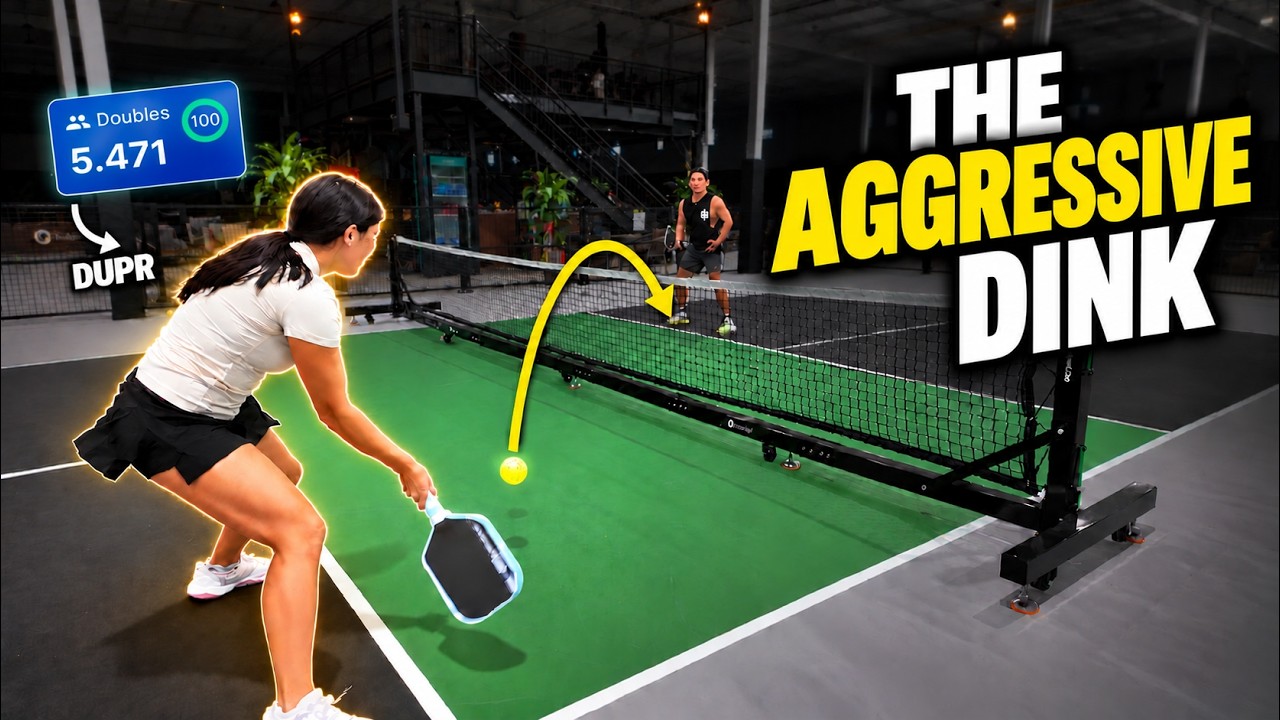
The simplest winning pattern is this: send a ball down, and get a ball up. What goes down must come up, and what goes up must come down.
Think of pickleball as a neutral game on a flat surface. If you send the ball down at your opponent, they have to bring it back up, and that is your opening to attack.
This is essentially what dinking is. You are dinking with enough pressure that the ball comes back a little harder and straighter, so you can attack it.
- Look for your opponent’s feet on every ball you can.
- When you take a ball off the bounce, roll it instead of hitting it as hard as you can.
- Aim for wherever their feet are at that moment to keep your advantage.
A hard shot that stays high gives your opponent exactly what they want. A softer ball at their feet forces the pop up you are hunting for.
This pickleball tip applies from anywhere on the court. For more, check out how to hit a ball at your feet without popping it up.
 The Dink Media Team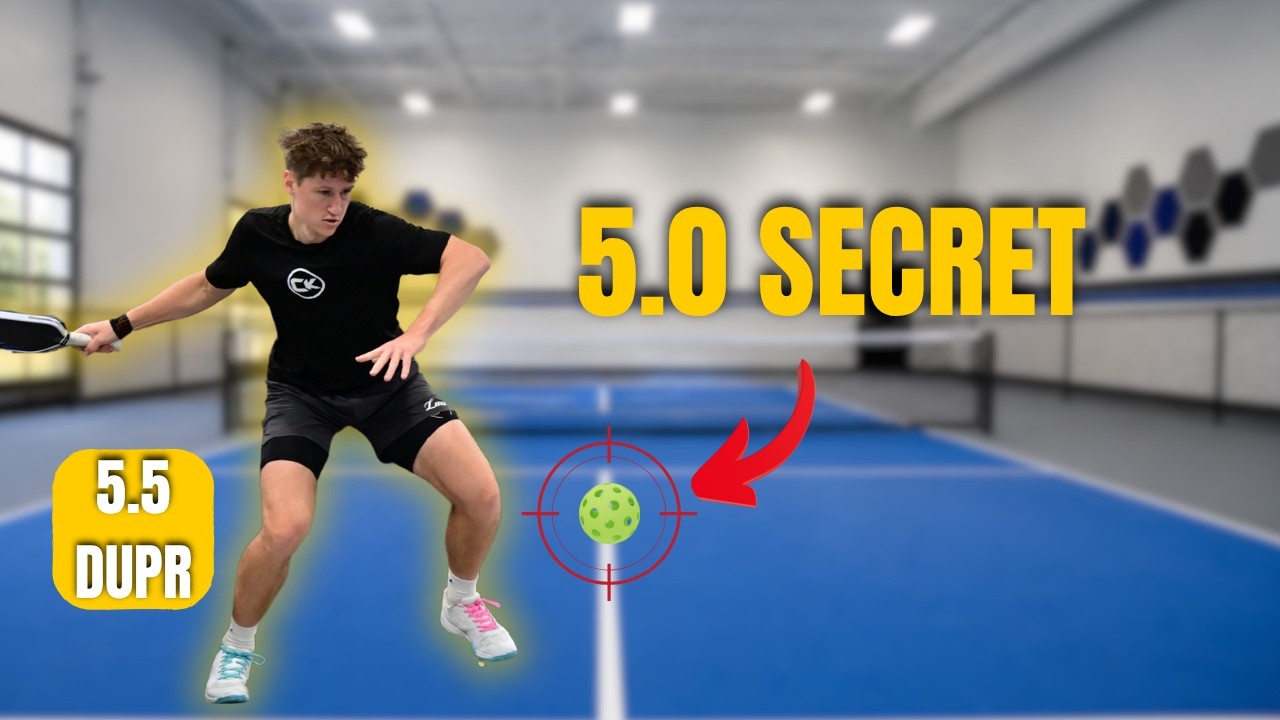
Why Do You Need to Be Stopped When You Hit?
You need to be stopped, or at least stable, when you make contact.
Running through a ball adds momentum you cannot control, and it is a huge mistake from beginners all the way to intermediate players.
What I see constantly is players running into the ball. There is too much force from that momentum, so the ball sails too high or too far out.
When you drive while off balance and reaching, you are also not ready if the ball comes back. The pickleball tip here is simple: be stopped when you hit.
You do not need a perfect split step, but you do need to watch your opponent and pause just before they make contact.
- Start behind the baseline or in the transition zone and watch your opponent’s paddle.
- Stop just before they make contact with the ball.
- Hit the shot from a stable base.
- Move forward again, then stop again before the next contact.
Think of it as red light, green light. You are stopped when you hit, and you are not shoving your body into the ball.
Even at the kitchen, keep thinking about stability on every shot. Our guide on pickleball footwork goes deeper here.
 The Dink Media Team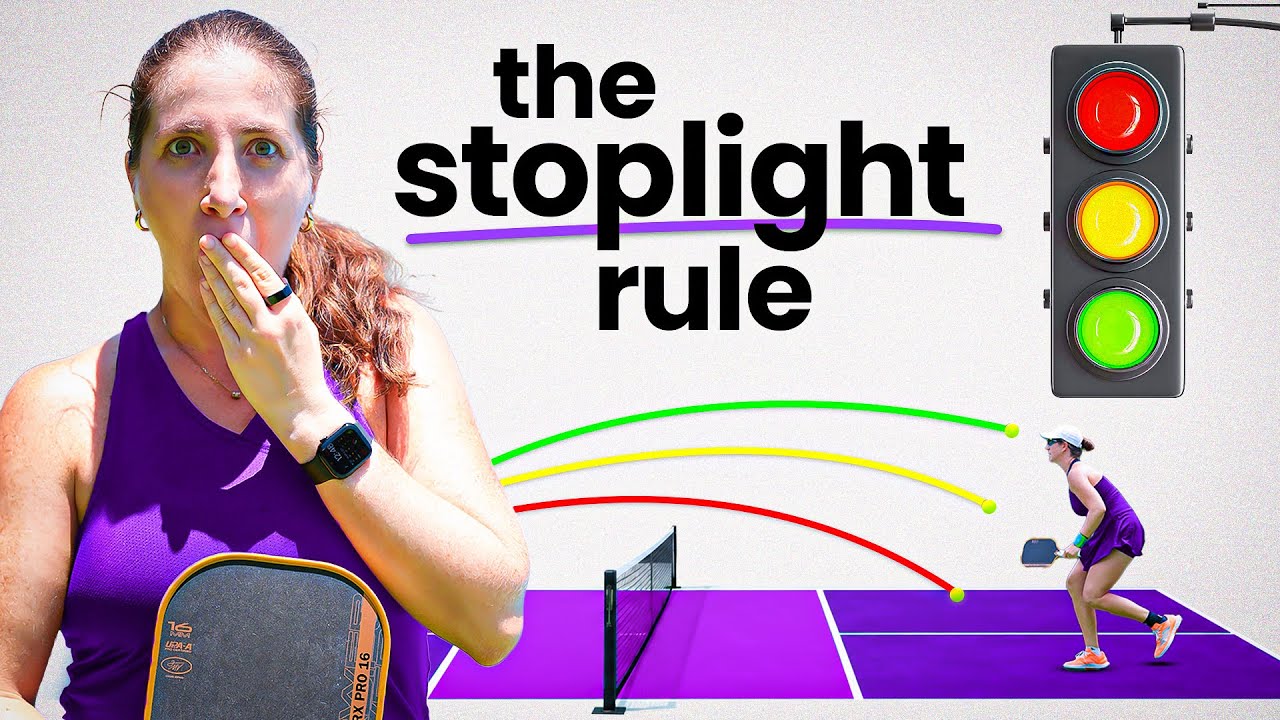
Where Should Your Paddle Be in Ready Position?
Your paddle should be up and in front of your body, tip pointing toward the ball, around your midsection. It should not dangle down by your feet.
A lot of players wait at the kitchen with the paddle hanging low. Their first move when a ball comes is to swing it way back, and that is the problem.
Picture someone standing at your left hip. If your backswing is too big, you would hit them in the face. Your paddle should go back no further than your leg.
You do not need a big backswing whether you are dinking or hitting a ball hard.
That one pickleball tip shortens your swing and puts the paddle much closer to where you want it at contact.
The Pickleball Tip That Doubles as a Shield
When balls start moving fast, you need a little shield in front of your face and chest. That is how you counter and block speed ups.
This pickleball tip is really about protection. If your paddle is down low, it has a long way to travel, while a paddle that starts up front is already in position.
While dinking, just drop the tip down and bring it back up. Move with the paddle in front too, so you stay in control and avoid over swinging.
For more on this, read about winning the hands battle and how to volley.
 The Dink Media Team
What Is the Biggest Mistake Holding You Back?
The biggest mistake is driving off the bounce through transition.
I see it at beginner levels, intermediate levels, and I even watched a 5.0 player do it and lose games because of it.
This circles right back to concept one. If you never arrive at the kitchen line, your chance of winning points drops.
A common scenario is a ball landing in the mid court.
Instead of dropping it into the kitchen at your opponent's feet and finishing your walk in, you run through it, short hop it, and pop it into the air.
Now you either get slammed and lose the point, or you get stuck in no man's land for two, three, or more shots.
You are hitting up while the ball is attacked back at you.
- Know where you are on the court before the ball bounces.
- If you are not at the kitchen line yet, choose a drop at their feet.
- Finish the trip into the kitchen after the drop.
- Look for something you can attack once you arrive.
On the second ball in the demo, Coach Jess stayed controlled, dropped it, and got the rest of the way in.
That put her on par with her opponent so both teams could fight for the high ball.
Stop driving off the bounce in transition. This one change will transform how many points you win.
If this sounds familiar, fixing a third shot drop that pops up is a natural next step. You may also like the third shot drive to fifth shot drop combo.
 The Dink Media Team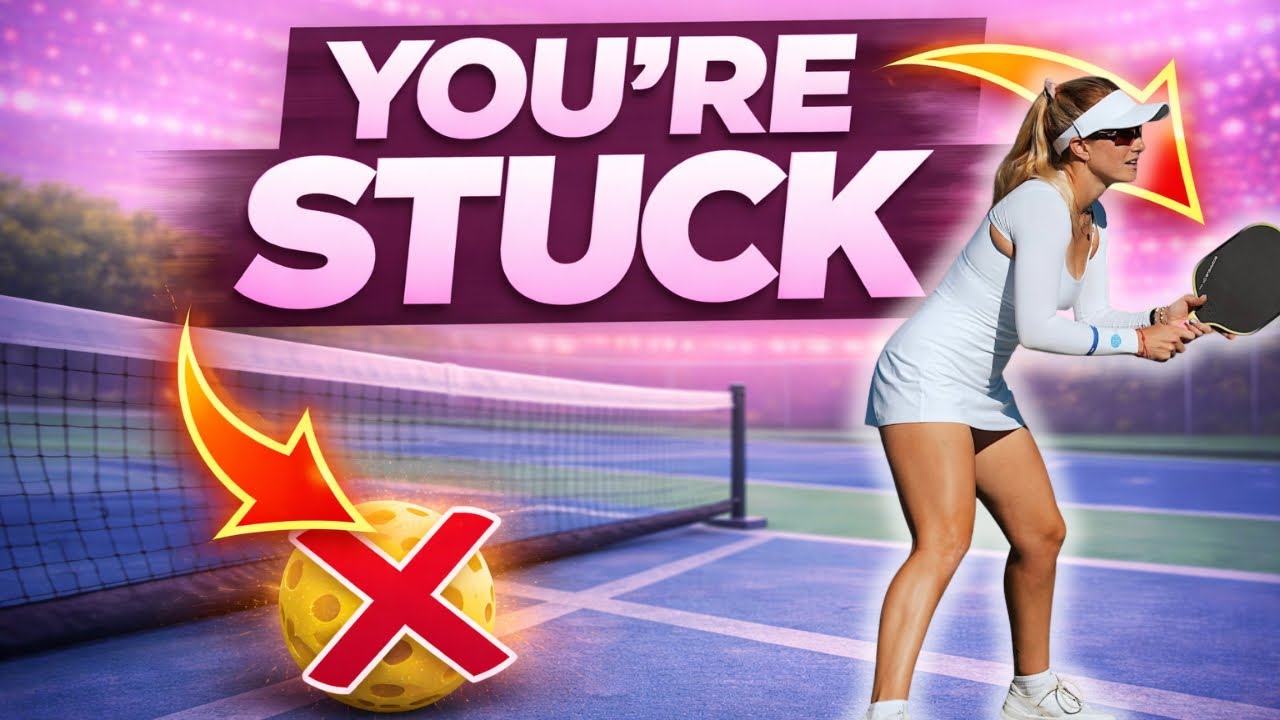
How Do You Put Every Pickleball Tip Together?
Every pickleball tip on this list supports the same destination: the kitchen line. Treat it as the goal on every single point.
Send the ball down at their feet so they have to bring it up.
Stay stable when you hit, keep your paddle up front, and refuse to drive off the bounce before you reach the line.
None of this requires a flashy shot. It requires understanding how the game works and repeating the right habits.
If you are plateauing, our list of fastest ways to get better at pickleball and the 4.0 pickleball trap are worth your time.
You can also build these habits with practice drills for any skill level.
Pick one concept to work on in your next session.
Tell yourself which one before you walk onto the court, and judge the session only by how well you applied it.
Frequently Asked Questions
What is the most important pickleball tip for beginners?
Get to the kitchen line. Points are won there because you can hit balls that are above the net, so use the return of serve and your third shot to move forward and hold that position.
Why should I stop before hitting the ball in pickleball?
Stopping keeps you stable so you control the ball instead of adding extra momentum. Pause just before your opponent makes contact, hit from a balanced base, then move forward again.
Where should my paddle be when waiting at the kitchen?
Keep it up in front of your body, around your midsection, with the tip pointing toward the ball. This shortens your backswing and protects you when a ball is sped up.
Why is driving off the bounce in transition a mistake?
It pops the ball up and leaves you stuck in the mid court while your opponents attack. Dropping the ball at their feet lets you finish moving into the kitchen and take control.
What does "what goes down must come up" mean in pickleball?
It means that if you send the ball down at your opponent's feet, they must hit it up. That higher ball is the one you can attack, which is the basic pattern behind dinking.
Love Pickleball? Join 100k+ readers for free weekly tips, news & gear deals.
Subscribe to The Dink