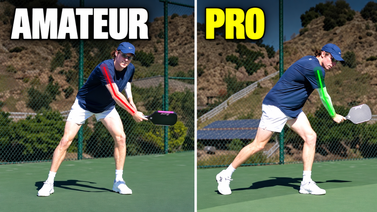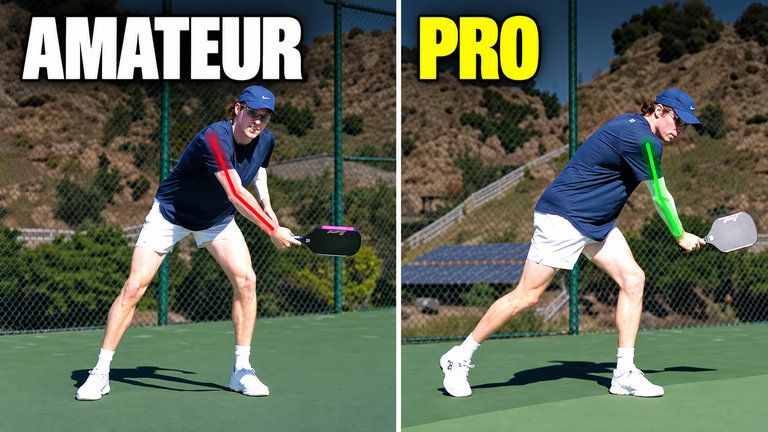
Most players blame their paddle when their dinks lack aggression. The real fix starts with footwork, and this breakdown shows you exactly how to do it.
You've been working on your aggressive dink and it still isn't clicking.
You're either popping the ball up, hitting long, or shoveling the ball back with no real intent.
Here's the hard truth: the problem is almost never your paddle. It's your feet, your targets, and how you're managing swing speed through the rally.
This breakdown comes from More Briones Pickleball on YouTube, covering exactly what separates players who dink with purpose from those who just keep the ball in play.
Here's what actually needs to change.
Love pickleball? Then you'll love our free newsletter. We send the latest news, tips, and highlights for free each week.
Aggressive Thinking Starts With Your Feet, Not Your Arm
The biggest mistake players make when they try to dink more aggressively is focusing on the swing first. That's backwards.
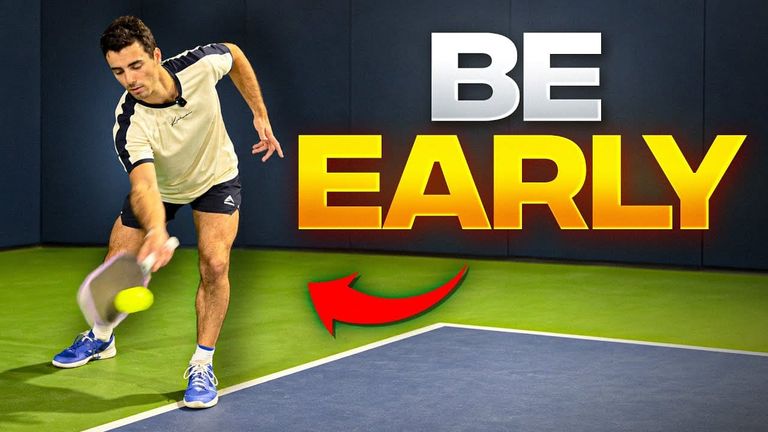
Your feet set everything up. Ball position, contact point, and your available options all depend on where your body is before the ball gets to you.
When you don't move your feet well on a ball that comes in wide, you get forced into one of two bad outcomes.
You either shovel the ball back with no pace, or you lift it up and hand your opponent an easy attack.
When your feet are quick and you get behind the ball, the picture changes. Suddenly you can roll it, speed it up, or throw a lob.
Options come from positioning, not from swinging harder.
What Does "Getting Behind the Ball" Actually Mean?
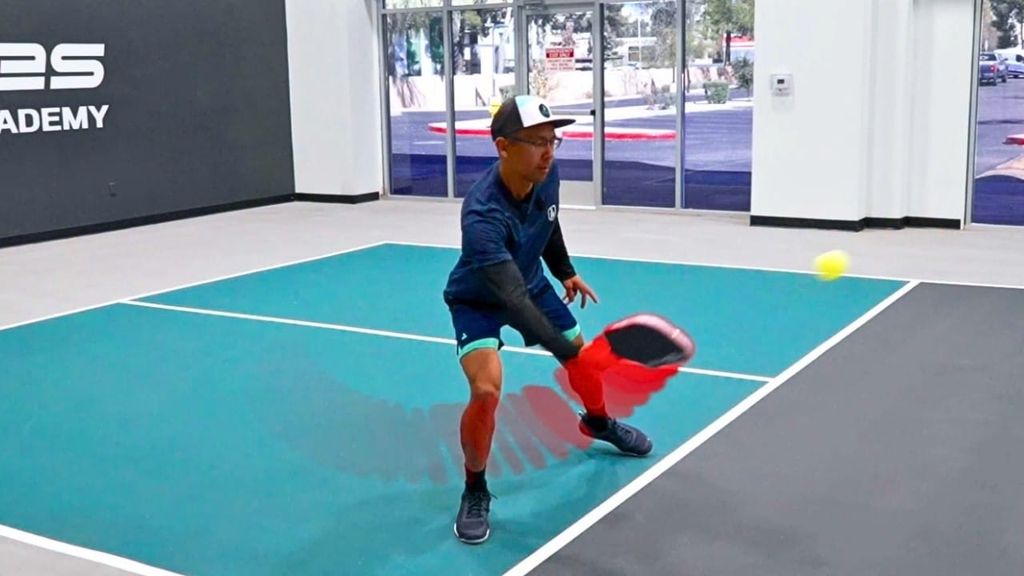
This phrase gets thrown around a lot, but here's what it means in practice. You want to contact the ball out in front of your body, not beside your hip or behind it.
If the ball is even with or past your hip at contact, you're already in trouble. You can't generate clean topspin and you can't pick your target with any precision.
The tool that gets you there is the shuffle step, also called the angle shuffle step.
Instead of crossing your feet or just reaching for the ball, you shuffle laterally so that you end up behind the incoming ball before it arrives.
Watch any top pro in a slow-motion dink exchange and you'll see constant small foot adjustments.
Fixing your pickleball footwork is the single fastest way to improve contact quality without changing your swing at all.
Forehand Side: How to Set Up a Roll Cross Court
On the forehand side, the goal on most offensive dinks is to roll cross court with topspin. To do that cleanly, you need to be physically behind the ball at contact.
Here's the sequence that makes it work:
- Read the incoming ball early. Don't wait until it bounces to start moving.
- Use the shuffle step laterally to position your body so the ball will contact in front of you, not at your side.
- Contact out in front of your lead hip with a low-to-high brushing motion to create topspin.
- Pick your target before you swing, not during the swing.
When your feet are late, none of that is possible. You're reacting instead of executing.
This is why players at advanced levels can't muscle their way through a kitchen exchange.
Dinking with intention means every ball is placed for a reason, and that only happens when your footwork buys you time to think.
 The Dink Media Team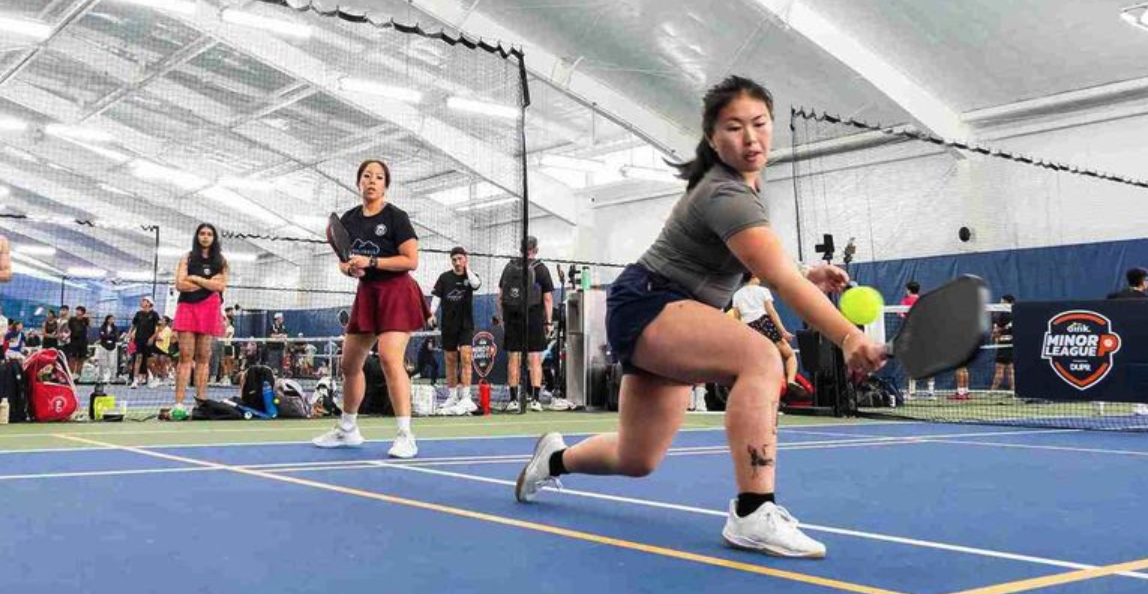
Backhand Side: Why Two Hands Give You More Aggression
The two-handed backhand dink has become a staple at the pro level for one simple reason.
It gives you more topspin and more aggression on balls you'd otherwise just push back.
The same footwork principle applies here. You need the shuffle step or angle shuffle step to get your ball position right before contact.
From a good position, you have two primary target options:
- Inside foot target: Aimed at your opponent's inside foot, forcing them to handle a ball that jams them at the body.
- Outside dink: Pulling your opponent off the court wide, creating an opening or forcing a weak reply.
Both require clean footwork first. If you're stretched or reaching, you're not choosing a target. You're just trying to survive the exchange.
If you want to sharpen that wing specifically, these two-handed backhand dink fixes apply directly to the kitchen game.
 The Dink Media Team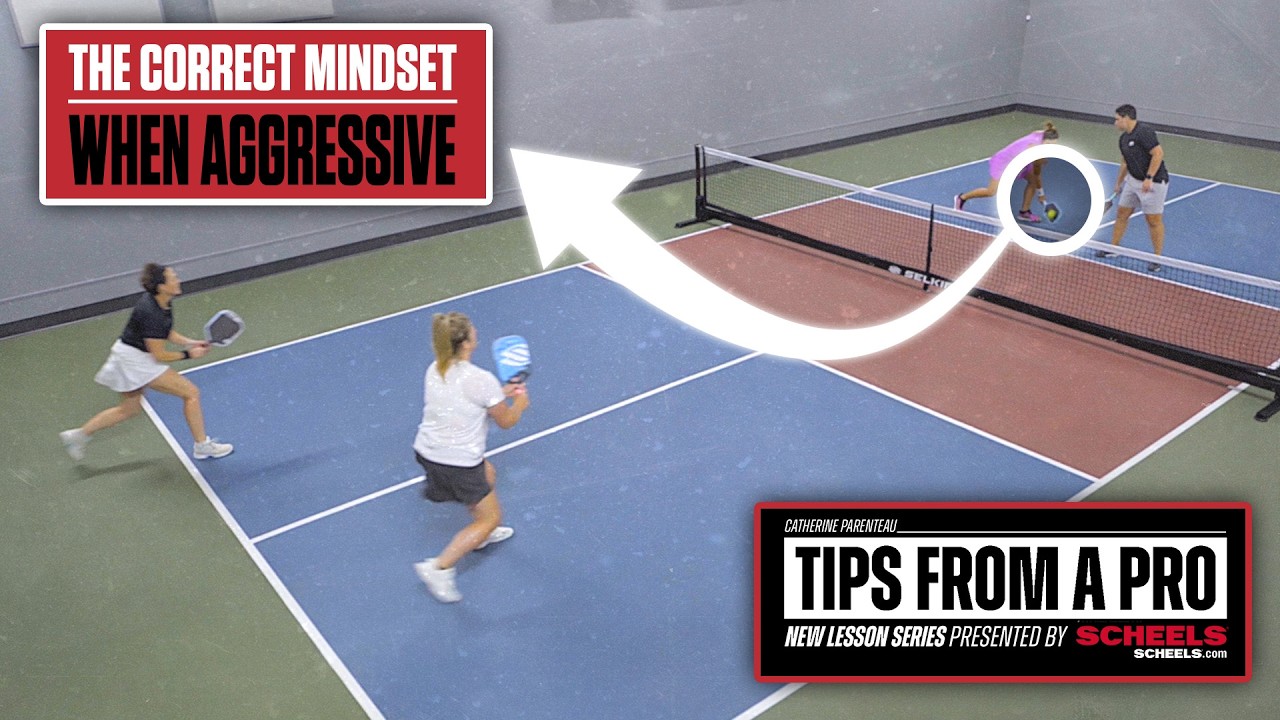
Where Are Your Balls Actually Landing?
Targets matter more than most players realize. You can have perfect footwork and clean contact and still hand over easy attacks if your dinks land in the wrong spots.
The rule at higher levels is clear: if your ball lands past the non-volley zone line, it's going to get attacked. Every time.
The fix is simple, and most players skip it. Put cones on the court during practice and aim for specific targets.
This is the precision that separates rec players from players climbing toward 4.0 and beyond.
Understanding the different dink types and matching each one to a court target is a skill built through deliberate reps.
 The Dink Media Team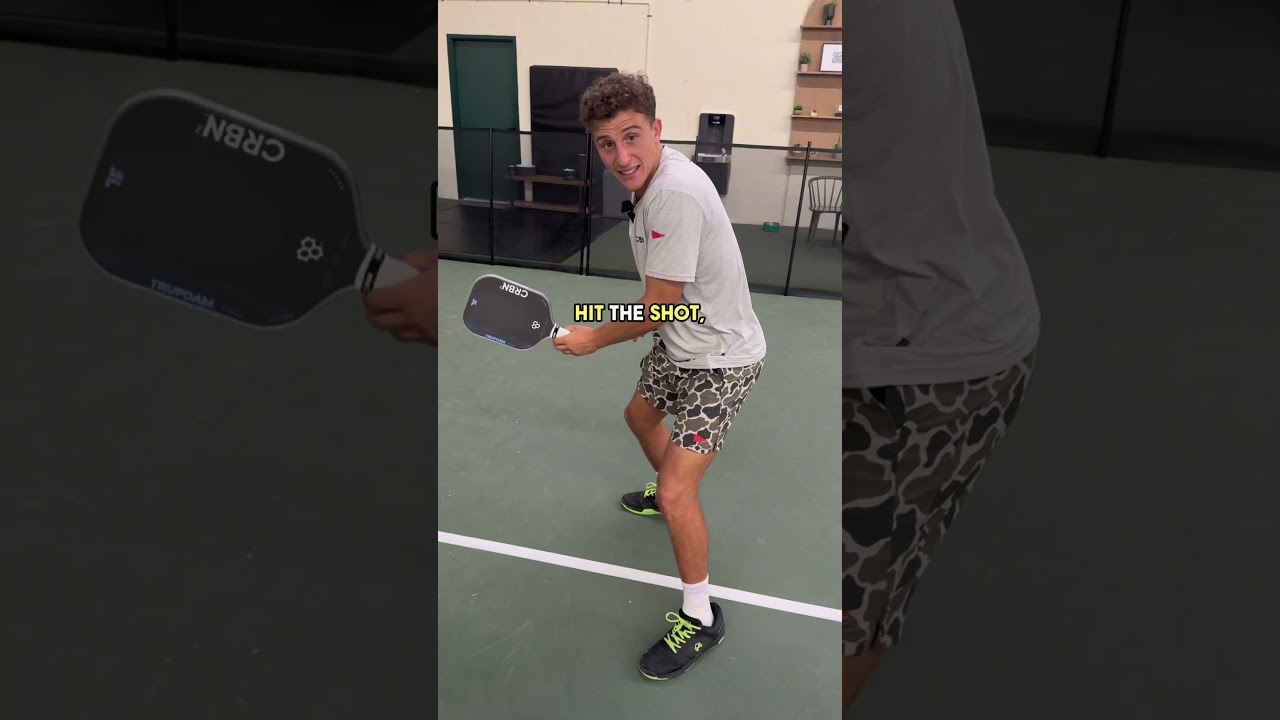
Is Your Swing Speed Costing You Points?
Swing speed is the primary source of energy in your dink. It controls how far the ball travels more than any other single variable.
Most players treat swing speed as an afterthought. They just hit and hope the ball lands in.
But at higher levels, managing swing speed by target distance is a deliberate skill. Here's how to think about it:
- Outside dink (longer distance): Your swing speed can be a bit faster because the ball needs to travel farther to reach the target.
- Inside dink (shorter distance): Your swing speed has to drop. If you swing at the same pace for a shorter cross-court target, the ball will sail long and get attacked.
This is why consistency in the dink game isn't about being timid. It's about calibrating your energy output to the shot you're actually trying to hit.
Players who build real dink consistency know that every ball has its own swing speed requirement.
An aggressive dink that lands two feet deep isn't aggressive. It's a gift.
 The Dink Media Team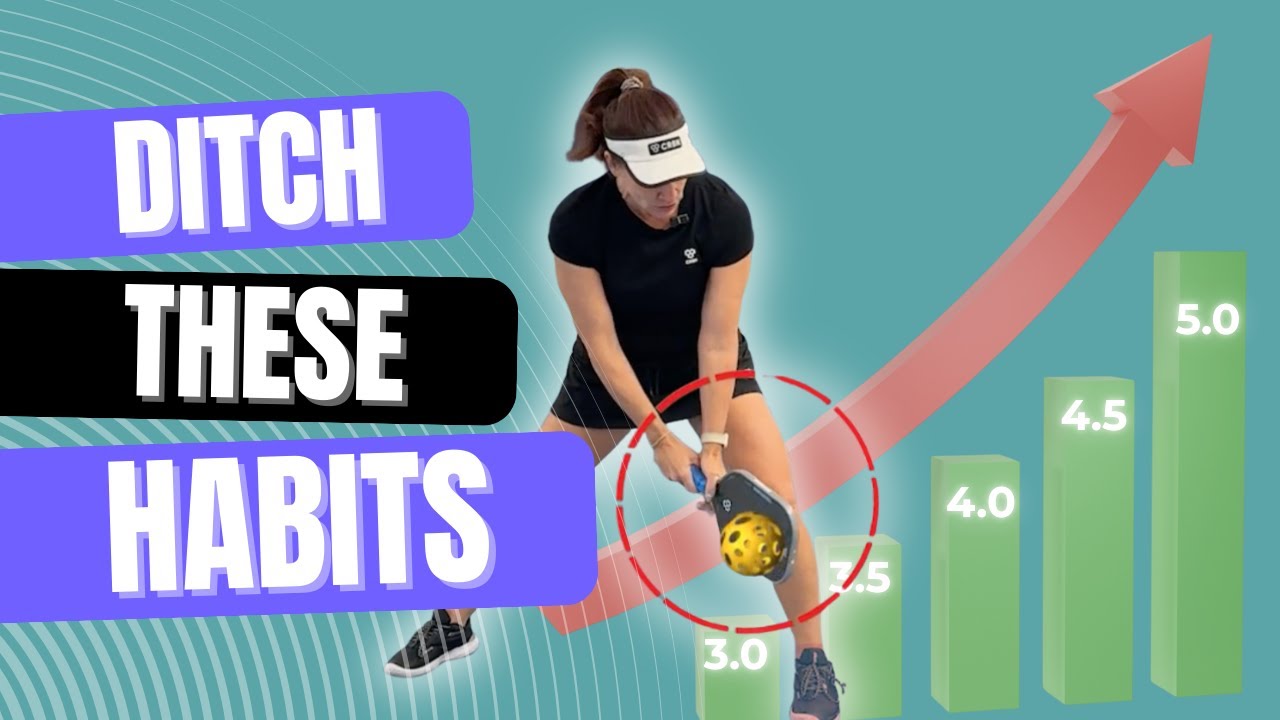
Why Aggressive Dinking Isn't the Same as Swinging Hard
A lot of players confuse aggression with power. They think aggressive means swinging harder at every opportunity.
A real aggressive dink puts your opponent in a difficult position on every single ball.
It means choosing targets that force movement, jam the body, or pull them wide out of position.
That kind of aggression is quiet. It builds pressure over multiple shots instead of trying to end the point in one swing.
Playing aggressively without taking bad risks is one of the most valuable skills you can develop if you want to climb in rating.
Watch how Anna Leigh Waters and Tyra Black control the kitchen line.
They're rarely swinging out of their shoes. They're moving opponents with precise placement, one dink at a time.
 Alex E. Weaver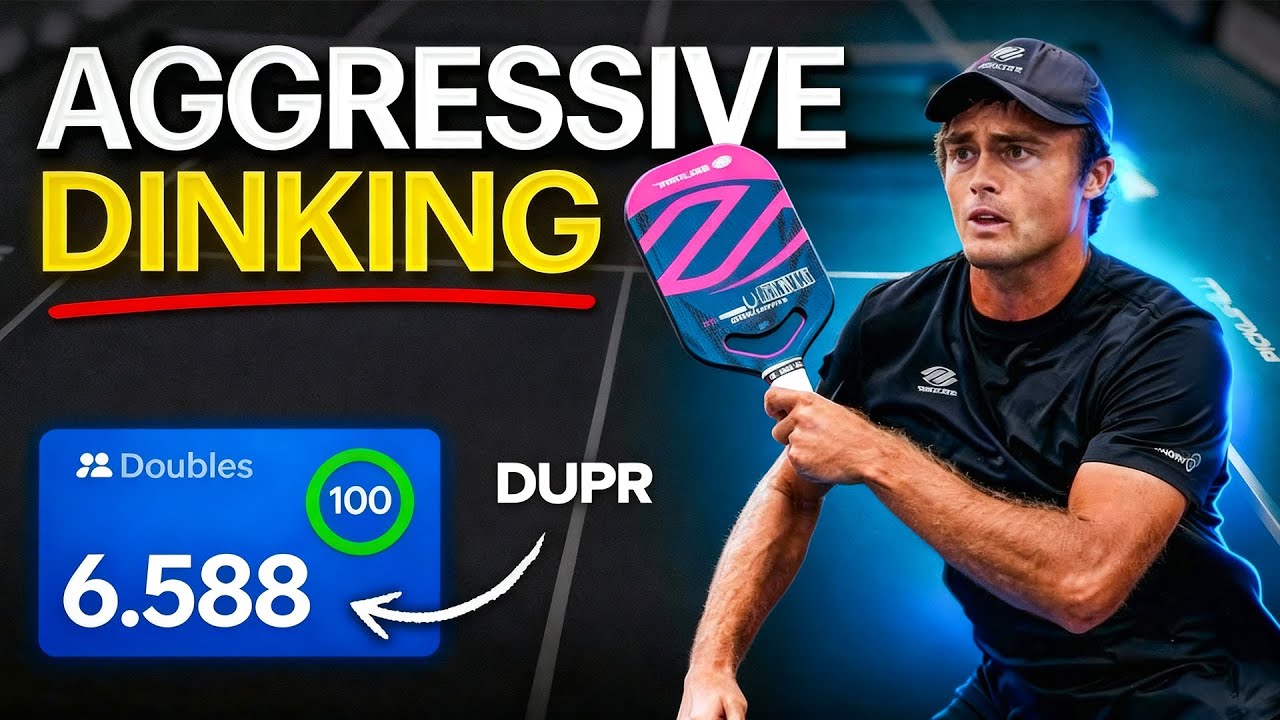
How to Practice This Without Wasting Your Court Time
Most players spend court time just rallying. They hit back and forth with no intention and wonder why nothing improves.
Here's a better approach:
- Set two cones on your opponent's side: one inside near the center, one wide near the sideline.
- Alternate between the two targets, adjusting swing speed on every shot.
- Count your misses. Long past the non-volley zone means slow the swing down. Short into the net means add a little pace.
- Add footwork explicitly. Make a conscious shuffle step before every contact.
This drill gives you direct feedback on the two biggest variables at once: target accuracy and swing speed control.
Structured pickleball practice drills that combine movement and placement beat a month of casual rallying.
And if you want to see how the dink connects to your attack game, the three things pros do before every speed-up will show you how a well-placed ball creates the setup.
The whole system starts with your feet.
Get those right, pick real targets, manage swing speed by distance, and your aggressive dink becomes a weapon instead of a ball returned into play.
Frequently Asked Questions
What is an aggressive dink in pickleball?
An aggressive dink is a dink that forces your opponent to move or creates a difficult return, rather than just keeping the ball in play. It uses topspin, precise placement, and intentional targets like the inside foot or the wide sideline. The goal is to build pressure over a rally without necessarily swinging hard.
Why does my dink keep going long past the non-volley zone?
Your swing speed is too high for the target distance you're aiming at. For shorter cross-court targets especially, you need to reduce your swing speed so the ball lands in the kitchen and not past the line. Practice with cones to get real feedback on where your balls are actually landing.
How does the shuffle step help my dink?
The shuffle step positions your body behind the ball before contact, so you hit with the ball in front of your hips rather than beside them or past them. That contact point gives you control, topspin, and real target options. Without the shuffle step, you're forced to reach or shovel, which kills any chance of aggression.
Should I use a two-handed backhand for dinking?
Yes, especially if you want more topspin and aggression from the backhand side. Most pros are using the two-handed backhand dink because it generates more spin and allows cleaner placement toward specific targets. The same footwork rules apply: get behind the ball first with a shuffle step before you swing.
How do I pick the right dink target?
The two most effective targets are the inside foot (aimed at your opponent's body) and the outside dink (pulling them wide off the court). Match your swing speed to the distance of each target so the ball stays in the kitchen. Use cones during practice to build accuracy and to stop guessing where your balls are going.

Love Pickleball? Join 100k+ readers for free weekly tips, news & gear deals.
Subscribe to The Dink