


Playing every pickleball out ball keeps your opponents in the rally and costs you points. Here is how distance, height, and the 29-foot rule help you let the right balls go.
You hear it from your partner all the time: "Let it go!" And you swing anyway, because every pickleball out ball looks in for a split second.
That habit keeps your opponents alive in the rally and hands them free chances to reset.
It is the number one mistake I see players make, and it is fixable with a few simple gauges.
These lessons come from Better Pickleball on YouTube, taught by coach CJ Johnson and Coach Kelly on a court in Kingston, Ontario.
Below, you will learn the 29-foot rule, how distance changes the odds, and how to build the confidence to let balls go.
Love pickleball? Then you'll love our free newsletter. We send the latest news, tips, and highlights for free each week.
Why Should You Let a Pickleball Out Ball Go?
Letting an out ball in pickleball go ends the point in your favor, while playing it keeps your opponent in the rally.
Every ball you volley or return that was already sailing long is a free life you hand back.
The data backs this up. A 2025 notational analysis published in the National Library of Medicine found that unforced errors decided 63.7% of all points, with 38.6% of rallies ending behind the baseline.
Coach Johnson puts it bluntly: if you play every ball that comes your way, you will lose points you had already won.
The fix is not guessing better. It is using gauges you can check in a fraction of a second.
Many players treat an out ball in pickleball like a ball that is in. That cautious instinct feels safe, but it quietly costs you points all match long.
What Is the 29-Foot Rule in Pickleball?
The 29-foot rule describes the room an attacker has to work with: when your opponent stands at the non-volley zone line, they have only 29 feet between them and the baseline.
The 29 feet comes from the 7-foot kitchen plus the 22 feet of court behind it. Compare that to a player at the baseline, who has the full 40 feet to work with.
Less court means less margin for a ball that has to clear the net and still come down in bounds.
Gauge number 1 is distance from the out line. The closer your opponent is to the kitchen, the more likely a hard attack sails long.
Why distance changes everything
The net does not get any shorter as an attacker moves forward.
Per the USA Pickleball rules summary, a player near the kitchen still has to clear 34 inches at center and 36 inches at the sidelines, so the ball must rise sharply and often lands past the baseline.
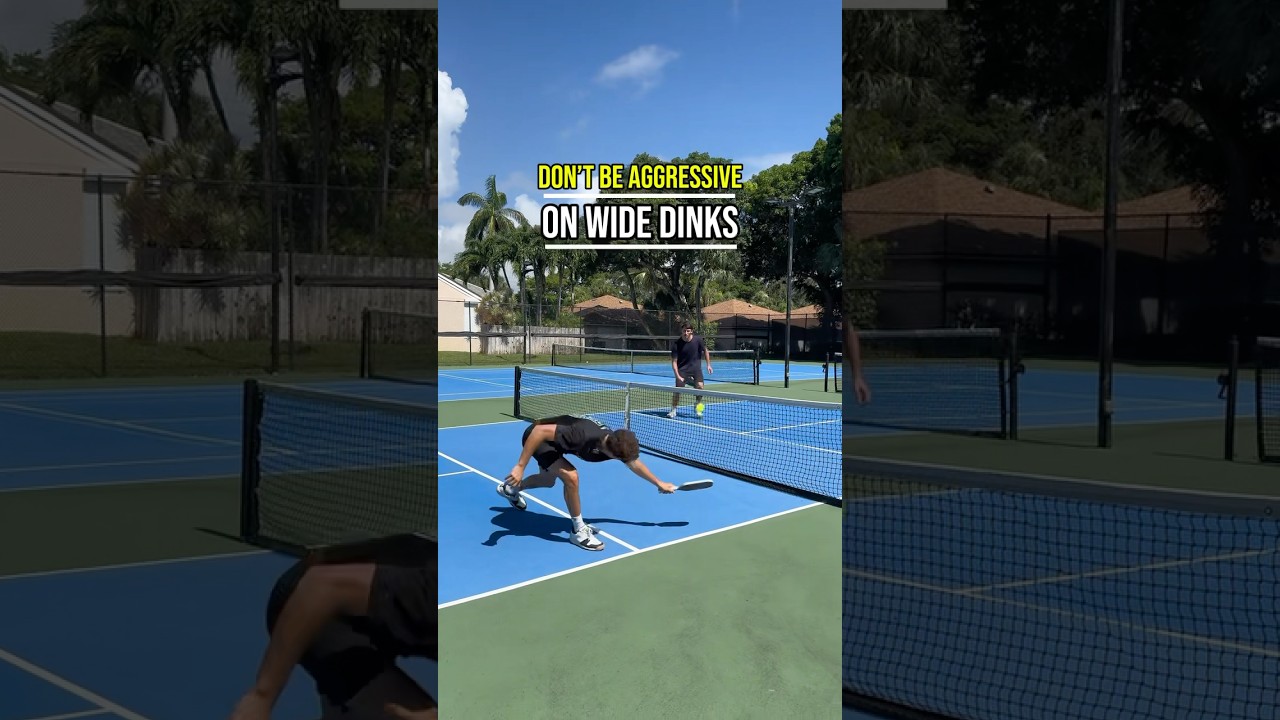
When Coach Kelly drove from the baseline, Coach Johnson was at the kitchen and had to play it.
When she moved up and attacked from just 29 feet away, the ball missed long again and again.
Coach Johnson summed it up: “The closer I am, the greater the chance I’m going to put the ball out.”
A player driving from the baseline has the full 40 feet, so their ball is far more likely to land in.
In that spot, you should be ready to play it, which is why our guide to ball height and court positioning pairs so well with these gauges.
5 Gauges for Spotting a Pickleball Out Ball
Use these checks together. No single gauge is perfect, but stacked up they tell you when to put your paddle down.
- Distance from the baseline. A player at the non-volley zone line has only 29 feet of court. A player at the baseline has 40.
- Height of the ball on their paddle. A ball contacted low, near the net tape or below it, has to travel upward, which makes a long miss more likely.
- Pace and swing speed. A big swing from close range usually means the ball is leaving the court. A controlled roll has a much better chance to stay in.
- The shot they are trying to hit. A kitchen line attack off a bounce is a prime out ball candidate.
- The player's tendencies. Some players can keep an attack in from anywhere, and you need to adjust for them.
Coach Kelly notes that not every player has the ability to keep an attack shot in from all places on the court. Read the individual, not just the situation.
 The Dink Media Team
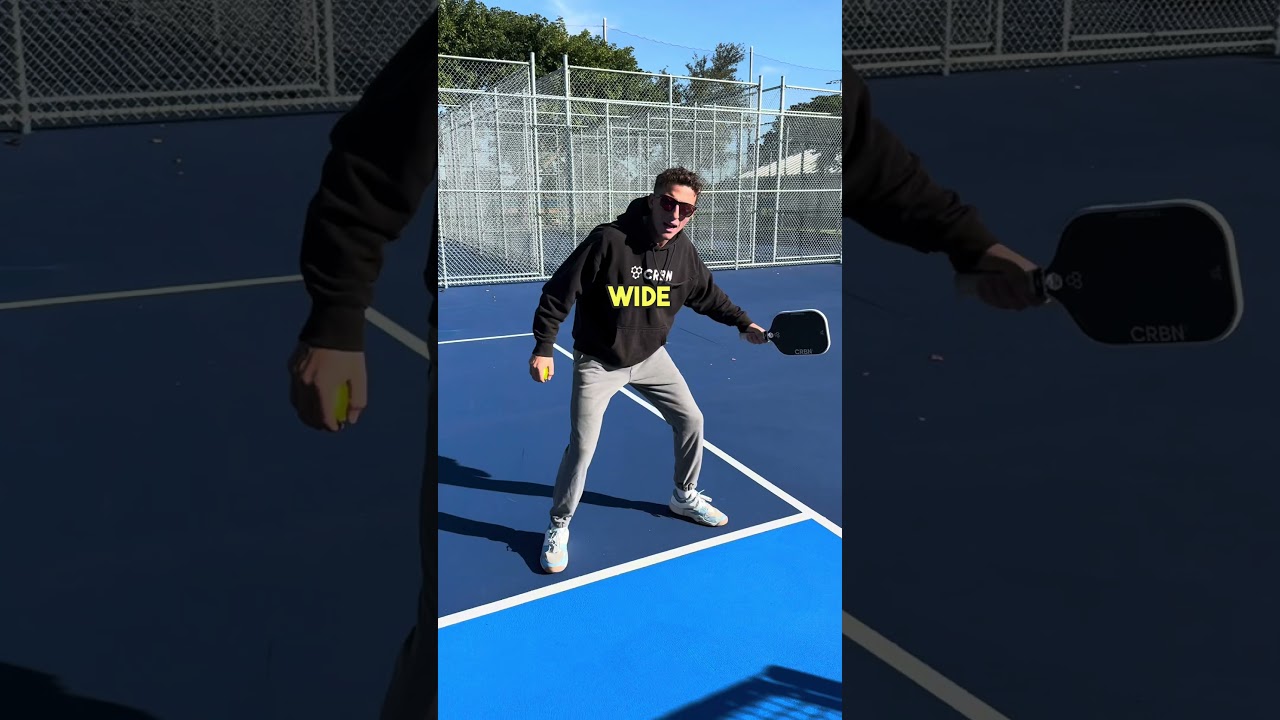
Is Your Opponent Attacking Off a Low Ball?
If your opponent is standing at the kitchen and attacking a ball at or below net height, expect it to go out.
The ball has to climb over the net and then come down within 29 feet, which is a tiny window at speed.
Coach Johnson pointed out that this is exactly what he sees too often: balls off the bounce at the kitchen line getting attacked.
Many of those end up long, and the defender who swings at them wastes a chance to win the point for free.
If you want help with your own attacks, our breakdown of the dos and don’ts of attacking in pickleball and our 5 tips to instantly improve your drive show how to keep your own power shots inside the lines.
The baseline attacker is a different story
A player driving from the baseline has the full 40 feet, so their ball is far more likely to land in. In that spot you should be ready to play it.
This is why your court position matters on both sides of the net. Our guide to pickleball court positioning pairs well with these gauges.
 The Dink Media Team
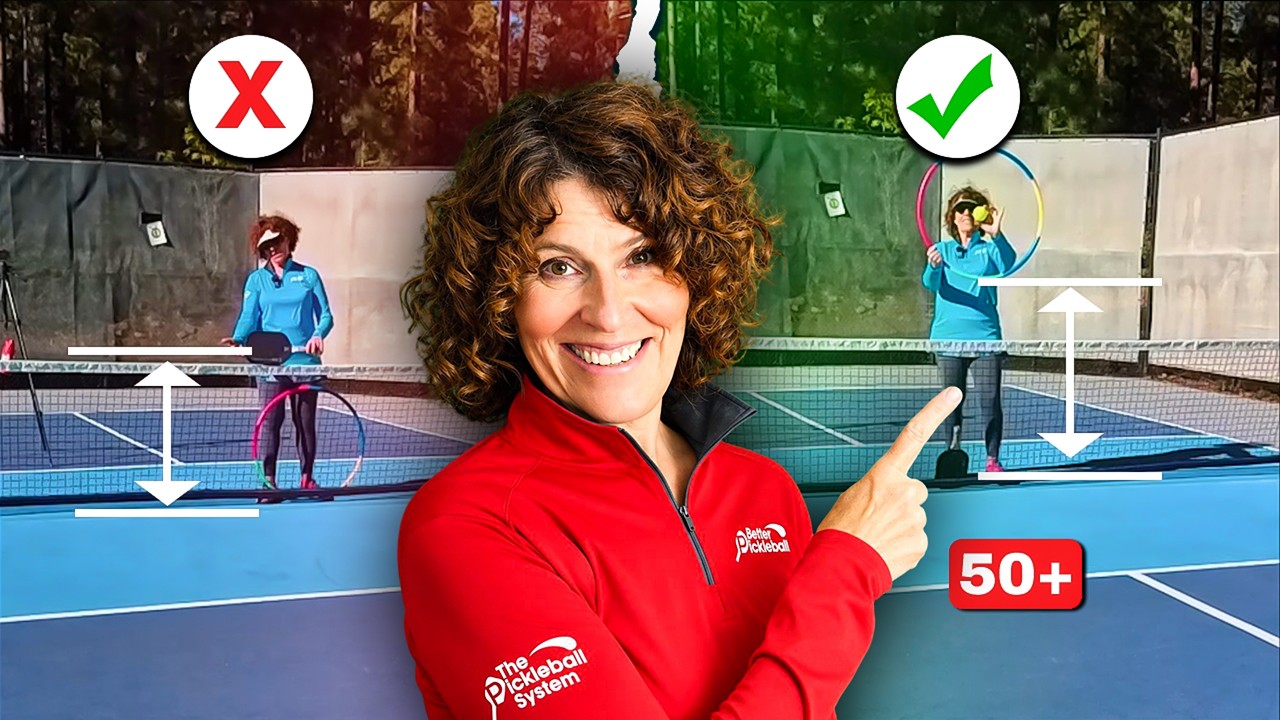
How Do You Learn to Trust the Out Ball Call?
You build trust by letting balls go and watching where they land. If you never let one pass, you never find out how many were going out.
Coach Kelly offered a simple honest take: she hates letting a ball go and seeing it land in. That is going to happen, and you have to be okay with it.
Here is the process Coach Johnson recommends:
- Start with the closest shots. Begin with balls attacked from near the non-volley zone, where the out ball odds are highest.
- Let several go, not just one. One result proves nothing. A handful of balls landing long reaffirms your decision.
- Watch where they land. Notice how far long they go, and your read will sharpen quickly.
- Accept the occasional miss. Some balls will land in, and that is part of learning.
- Adjust by opponent. If one player keeps putting attacks in, play their balls more.
A structured session beats casual hitting for this kind of learning. Our list of 12 drills you need to play your best pickleball in 2026 shows where to fit this work.
 The Dink Media Team
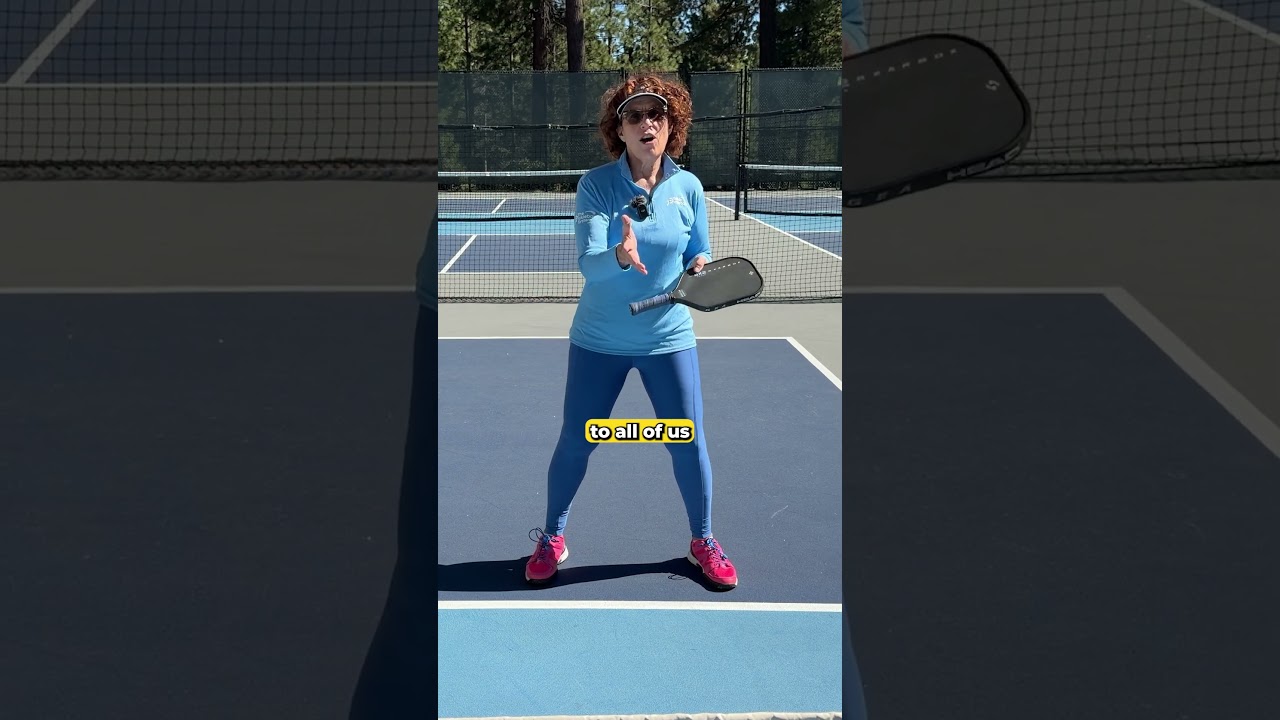
What Does Letting It Go Look Like in a Real Match?
Letting it go means moving your body and paddle out of the way, not just watching.
Clear space, keep your paddle safely up, and turn your attention to your partner’s reaction.
Many players hesitate because they are worried about being wrong in front of their partner.
That is a mindset problem, and it connects to confidence, which our piece on when to play safe vs when to attack explores well.
If you find yourself rushing your decisions, our article on how early preparation buys time gives you a simple tempo to follow.
Communicate with your partner
Call “out” early and loudly, and agree beforehand who makes the call on balls over the middle.
Doubles partners who share this language let more balls go, together. Timing matters more than it used to.
Under the 2026 USA Pickleball rulebook, out calls must be made promptly once the ball is dead, a change we broke down in our guide to the 7 new USAP pickleball rules for 2026.
It also helps to know your partner’s reach so you are not both frozen.
A little structure in your communication saves a lot of points, something our tactical tips for playing with a weaker partner covers in depth.
 The Dink Media Team
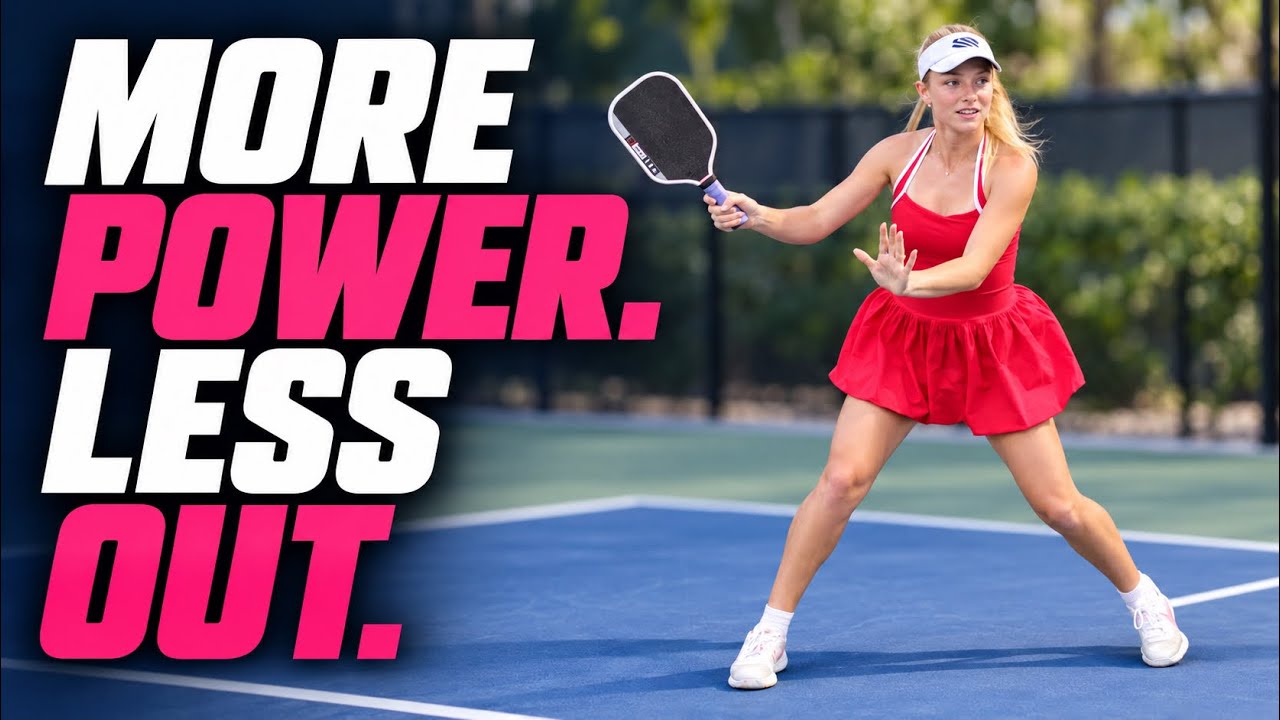
What Mistakes Make You Play Too Many Out Balls?
The biggest mistake is playing every ball out of fear instead of reading the situation.
The second is assuming that a hard-hit ball is always in, when a hard swing from close range often means the opposite.
A few other habits cause trouble:
- Watching the ball, not the opponent. Their position and paddle height tell you more than the flight of the ball, which is the whole idea behind the rope rule.
- Ignoring the net. A ball that barely clears at close range is climbing and likely to sail.
- Treating every player the same. Strong attackers keep more balls in, so adjust your reads.
- Quitting after one bad result. One ball landing in does not mean your read was wrong.
 The Dink Media Team
How Does This Connect to Your Own Attack?
Understanding why an out ball in pickleball happens helps you hit fewer of your own.
If you know 29 feet is a tight window, you will aim to attack at a steeper downward angle instead of lifting the ball.
That ties into smarter shot selection. Our look at the four key strategies to winning in 2026 explains how patience often wins the point.
If your attacks keep landing long or popping up, our breakdown of unforced pickleball improvement gives you practical fixes.
Build the habit in practice
Ask a practice partner to hit attacks from different distances while you stand at the kitchen line. Call each ball in or out before it lands, then check yourself.
A structured session beats casual hitting for this kind of learning. Our pro's optimal 2-hour practice plan shows where to fit this work.
 The Dink Media Team
Putting the Gauges Into Your Game
Start with one gauge, distance, and use it for your next session. Each time an opponent attacks from near the kitchen, let it go and watch the result.
Add height and pace once distance feels automatic. Soon you will read an out ball in pickleball the way you read a dink, without thinking.
If you are still working on the basics behind these reads, our list of 6 essential pickleball shots to master for 2026 is a solid foundation.
For ongoing improvement, see our simple 4-step system to win more pickleball games and the 5 shots you must master to break 5.0.
Frequently Asked Questions
What is the 29-foot rule in pickleball?
It describes the distance between the non-volley zone line and the baseline, which is 29 feet. When an opponent attacks from the kitchen line, they have only that much court to land the ball, so hard shots often go out.
How do you know if a pickleball is going out?
Check how close your opponent is to the non-volley zone, how low the ball is on their paddle, and how hard they swing. The closer and lower they are, the more likely the ball sails long.
Should you always let balls go if you think they are out?
Not always. Let balls go from attackers near the kitchen first, and watch several results to confirm your read. If a certain player keeps putting those attacks in, play their shots.
Why do so many players hit out balls from the kitchen line?
The net height stays the same, so close-range attacks have to rise quickly and often travel past the baseline. Many players swing too hard off a low ball and miss long.
How can you practice reading out balls?
Have a partner hit attacks from several distances while you call each ball in or out before it lands. Do this for a full session and track how often your calls are right.


Love Pickleball? Join 100k+ readers for free weekly tips, news & gear deals.
Subscribe to The Dink