How to Stay Patient During a Long Rally (Without Losing the Point)
Staying patient during a long rally is what separates 4.0 players from 3.5 players who hand away free points. This guide breaks down the shot selection, footwork, and mental triggers that let you outlast anyone at the kitchen line.
Staying patient during a long rally is the single cheapest way to win more points, and almost nobody practices it.
You already know the feeling. Twelve dinks in, your legs are burning, your opponent keeps floating the ball back, and some voice in your head says just end this thing.
So you flick a backhand off your shoelaces into the net. Point over. Nobody earned it.
You donated it, and that impulse is the one mistake killing your shot-making consistency.
Here's the thing: the rally wasn't a stalemate. It was a test, and you blinked first.
Love pickleball? Then you'll love our free newsletter. We send the latest news, tips, and highlights for free each week.
Why Staying Patient During a Long Rally Beats Hitting Harder
Staying patient during a long rally wins because most points at the kitchen line end on an error, not a winner.
Nobody is blasting a clean put-away off a ball that's sitting two inches below the net tape.
When you speed up a low ball anyway, you're not creating offense. You're handing your opponent a counterattack with your paddle face doing the work for them.
USA Pickleball's coaching guidance is blunt about this: wait for a ball at or above net height before you speed it up, because attacking early lets the other team counter harder.
That's not a vibe. That's the governing body telling you your 3.5 habit is a losing habit.
Watch any pro dink exchange: nobody is trying to win the rally right now. They're trying to win it three balls from now.
The power of patience and grit at the pro level is just small, boring decisions repeated eleven times.
What "Patience" Actually Means in Pickleball
Patience is not passivity. Big difference, and it's where most players get lost.
Passive play means hitting the same safe crosscourt dink to the same spot until someone gets bored. That's hiding.
Real patience means working the point, moving your opponent, changing height and angle and pace, while refusing the low-percentage swing.
You're building pressure. You're just not cashing out early.
Passivity waits for something to happen.
Patience makes something happen, then waits for the right version of it. The art of controlled aggression lives right in that gap.
How Do You Know Which Ball Is Actually Attackable?
A ball is attackable when it's at or above net height, inside your strike zone, and you're balanced enough to hit it without reaching.
All three. Miss any one and you're gambling.
Most players check only the first box. They see a ball float up, get excited, and swing while lunging off their back foot. The ball was attackable. They weren't.
Run a two-second checklist before every speed-up:
- Is the ball above the net? If it's below the tape, the answer is no. Dink it again.
- Am I set? Feet planted, weight forward, paddle up. If you're mid-stride, reset instead.
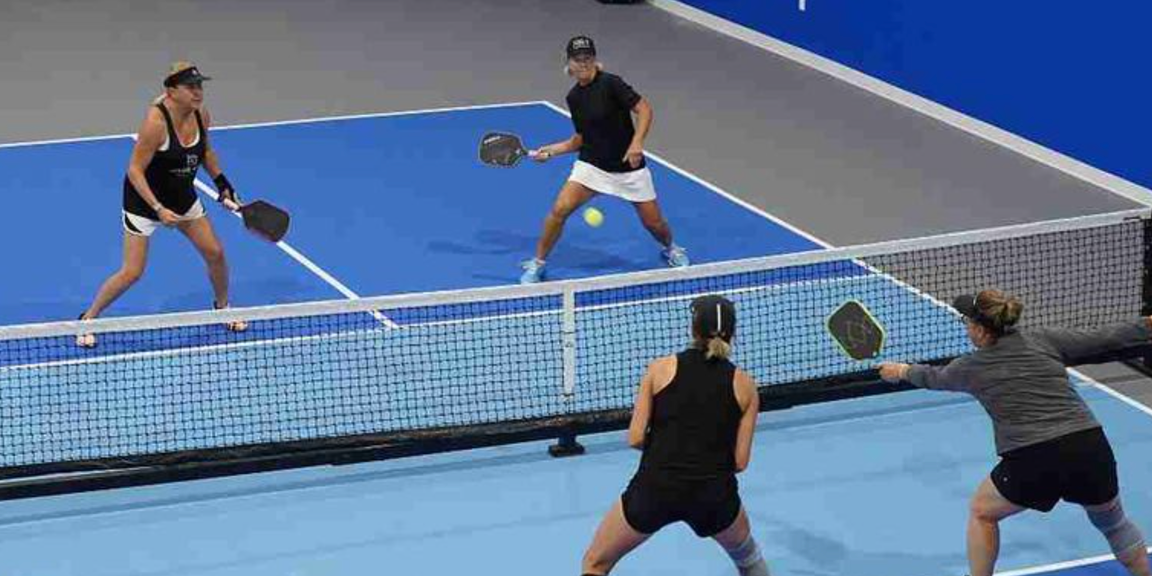
- Where are their paddles? Two paddles up at the line means your attack is getting blocked back at your feet.
That third one gets ignored constantly. Two paddles up means they're built to be unattackable, and your flick is landing in a wall.
Ball height plus court positioning is the real shot-selection checklist, and when you combine them you stop taking swings that were never going to land.
When the checklist comes back negative, you need a bail-out that doesn't lose the point. That's your reset.
A good reset isn't surrender; it's a second chance at a better ball. Players who can execute a clean midcourt reset extend rallies on their terms instead of panicking.
 Eric Roddy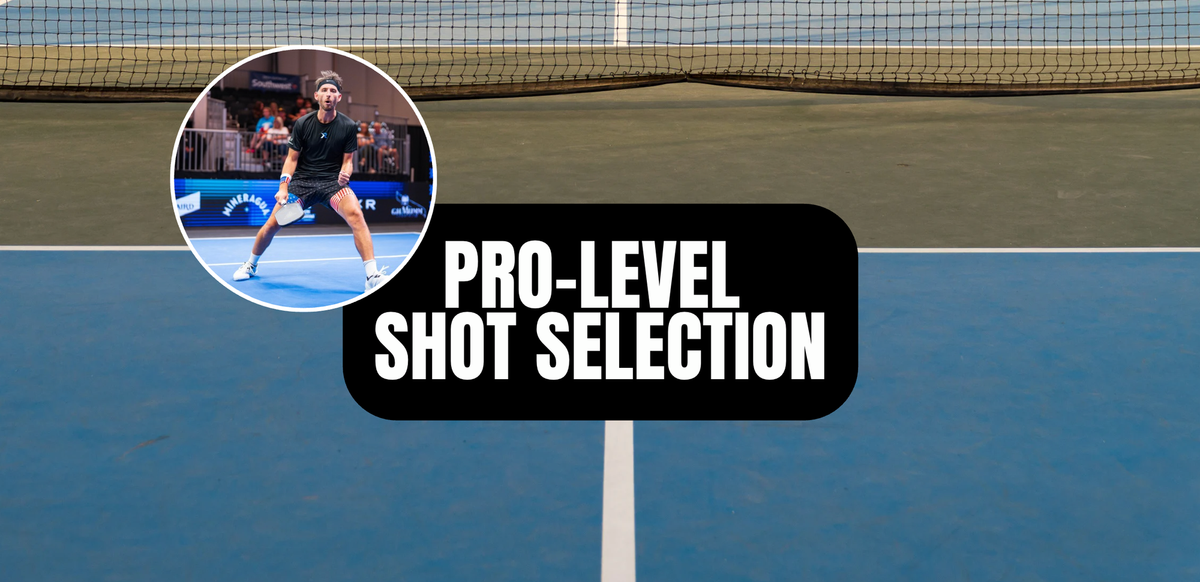
The Mental Side of Staying Patient During a Long Rally
Staying patient during a long rally is mostly an attention problem, not a willpower problem.
You don't lose patience because you're weak. You lose it because your focus drifts from this ball to this rally, and the rally feels endless.
Fix the focus and the patience shows up on its own.
What Should You Be Thinking About While Staying Patient During a Long Rally?
One thing: the contact point of the next ball. That's it.
Elite players aren't running complex calculations mid-exchange.
What 6.0 players actually think during every dink is narrower than you'd guess: ball height, target, repeat.
Narrow attention is what keeps staying patient during a long rally from feeling like a grind, and it's the same focus that drives smarter shot selection.
Three mental triggers that work immediately:
- Count your dinks. Give yourself a floor. "I'm not attacking before ball six." Arbitrary? Sure. It also stops the impulsive flick cold.
- Breathe out on contact. Exhaling on every dink keeps your shoulders down and your hands soft. Tension is the enemy of touch.
- Reset between points, not during them. Mistakes compound when you carry them. The six-second mental reset is a cleaner habit than stewing through the next three rallies.
And if the wall you're hitting is physical rather than mental, that's worth naming too. Fatigue shows up as impatience long before it shows up as slow legs.
 The Dink Media Team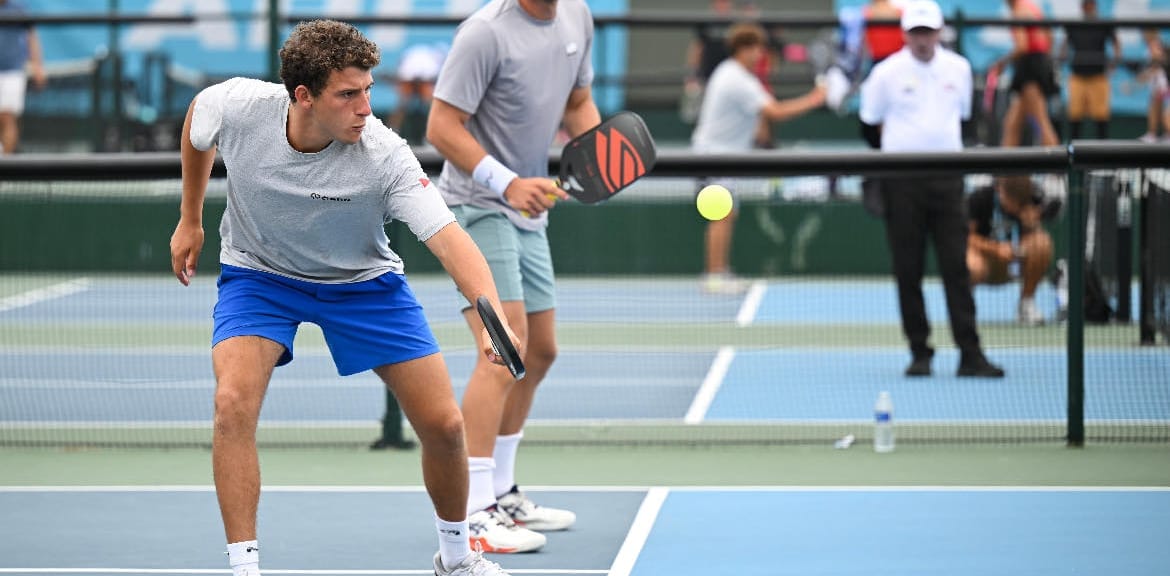
Your Feet Decide How Patient You Can Be
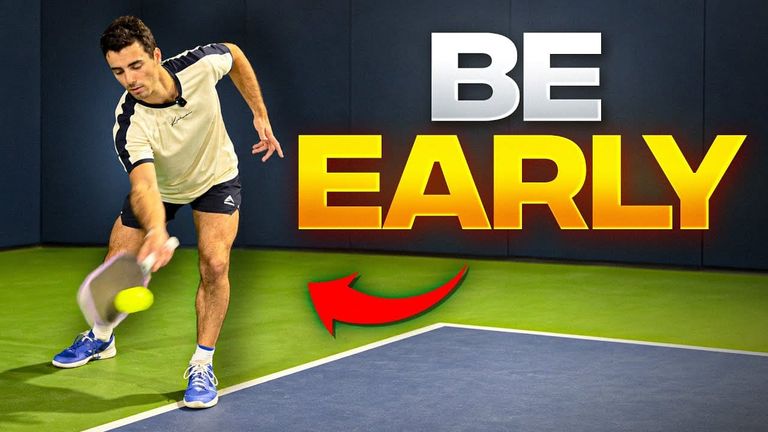
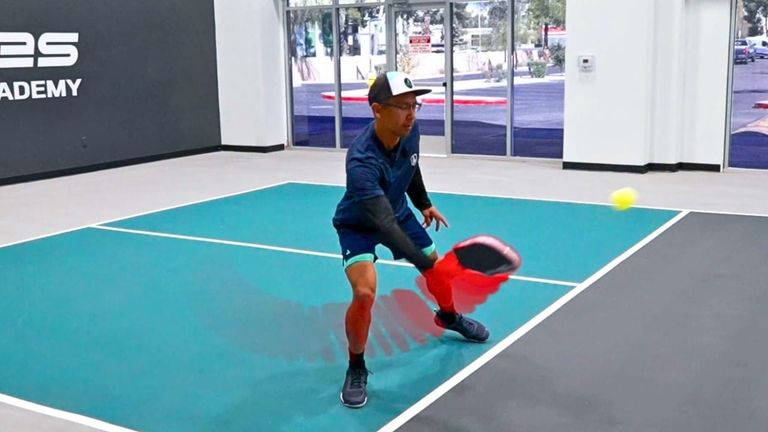
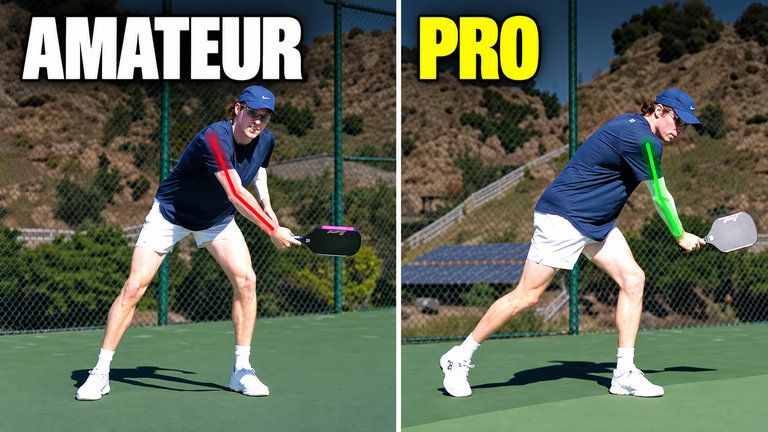
Patience is a footwork skill before it's a mindset skill. You cannot hold your shape for fifteen balls if you're reaching for ball three.
Every time you stretch instead of step, your paddle face opens, the ball pops up, and now you've created the attackable ball.
That's the whole failure chain, and it starts below the waist. Cleaner footwork at the line is the unglamorous fix nobody posts about.
Stay low. Small steps, not lunges. Get your preparation early so you're not rushed into a swing you didn't choose.
And keep your paddle in front of your body, because the moment it drops you're blocking with your wrist instead of your core, which is how a clean block turns into a counter in the other direction.
One more: hold the ball. Holding your dinks a half-beat longer than expected freezes your opponent's feet and generates the pop-up you've been waiting for. Patience with a trap door built in.
 The Dink Media Team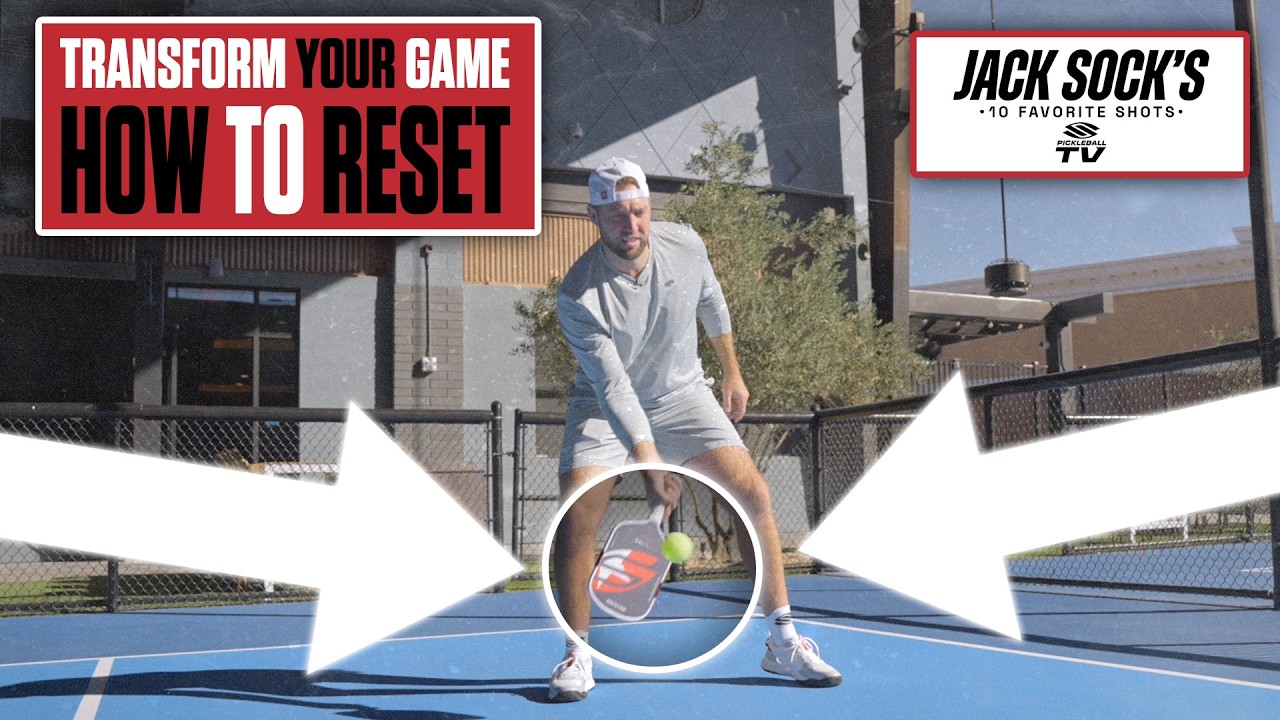
Drills That Build Patience You Can Trust
You can't think your way into patience. You have to rep it until the impulsive swing stops showing up.
- The 20-ball rule. Crosscourt dinks with a partner. No attacking before ball twenty. Both players. It's miserable for about two sessions, then it rewires you.
- Attack-only-on-green. Partner calls "green" at random. You can only speed up on the call, and only if the ball is genuinely attackable. Trains the checklist, not the itch.
- Figure-eight dinking. The classic hardest dinking drill forces movement and control at the same time, which is exactly the combination long rallies demand.
- Reset ladder. Partner drives from the baseline, you reset from the transition zone, five in a row before you advance.
Pair that with better targeting when you finally do attack and you'll notice something: your winner count stays flat while your error count drops off a cliff.
That's the trade that moves your rating.
If you came up as a banger, this is the harder transition. Trading power for soft-game skills takes a few weeks of feeling worse before you feel better.
Everyone goes through it.
 Eric Roddy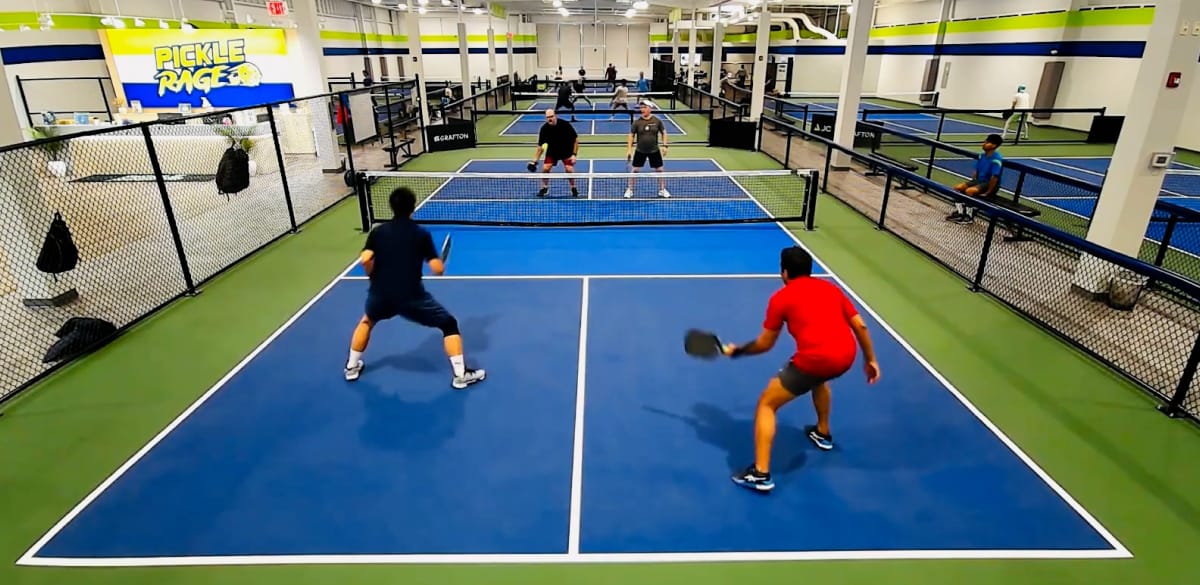
When Is It Time to Stop Being Patient?
Patience has an expiration date.
When the ball comes up above net height, your feet are set, and you've already moved your opponent off balance, that's the moment. Take it.
The do's and don'ts of attacking come down to one idea: attack the opportunity you created, not the one you wish existed.
And if your speed-ups keep getting blocked back, the problem usually isn't patience at all, it's that your speed-ups are readable.
Fix the disguise, keep the patience.
USA Pickleball's skill-level matrix describes advanced play as patient, tactical dink exchanges that create attacking chances.
Notice that patience and attacking appear in the same sentence. They're not opposites. They're sequence.
 The Dink Media Team
Key Takeaways
- Staying patient during a long rally wins points because most kitchen-line rallies end on an unforced error, not a winner.
- A ball is attackable only when it's above net height, in your strike zone, and you're balanced. All three, every time.
- Patience is active: move your opponent, change height and pace, and refuse low-percentage swings.
- Narrow your focus to the next contact point. The rally feels shorter when you stop counting it.
- Footwork failures create pop-ups. Small steps beat lunges, and early preparation beats rushing.
- Attack the opening you built, not the one you're hoping for.
Frequently Asked Questions
How long should a pickleball rally last before I attack?
There's no fixed number, and chasing one will get you in trouble. Attack when the ball is above net height and you're balanced, whether that's ball three or ball thirty. If you need a training wheel, set a personal floor of six dinks in practice, then layer in a real speed-up strategy once the impulse fades.
Why do I keep losing patience during long rallies?
Usually it's attention, not discipline. When your focus zooms out to the whole rally instead of the next contact point, the exchange starts feeling endless and the urge to end it takes over. Fatigue and tight shoulders speed that up, so breathing out on contact helps more than you'd expect.
Is being patient the same as playing defensively?
No. Defensive play reacts; patient play builds. You're still moving your opponent and creating pressure, and you still need to know when to block versus counter. The only thing you're refusing to do is take a swing you haven't earned.
What's the best drill for building rally patience?
Crosscourt dinking with a no-attack rule for the first twenty balls, done with a partner who holds you to it. Add a figure-eight pattern once that feels comfortable, since it forces movement and control at once. Pair it with a decision matrix for when to attack or reset so the choice becomes automatic.
Does staying patient during a long rally matter at the 3.0 level?
It matters most at 3.0. Lower-level points end on errors at a much higher rate, so the player who simply keeps the ball in play and waits for a genuine opening wins a huge share of rallies without hitting anything impressive.

Love Pickleball? Join 100k+ readers for free weekly tips, news & gear deals.
Subscribe to The Dink