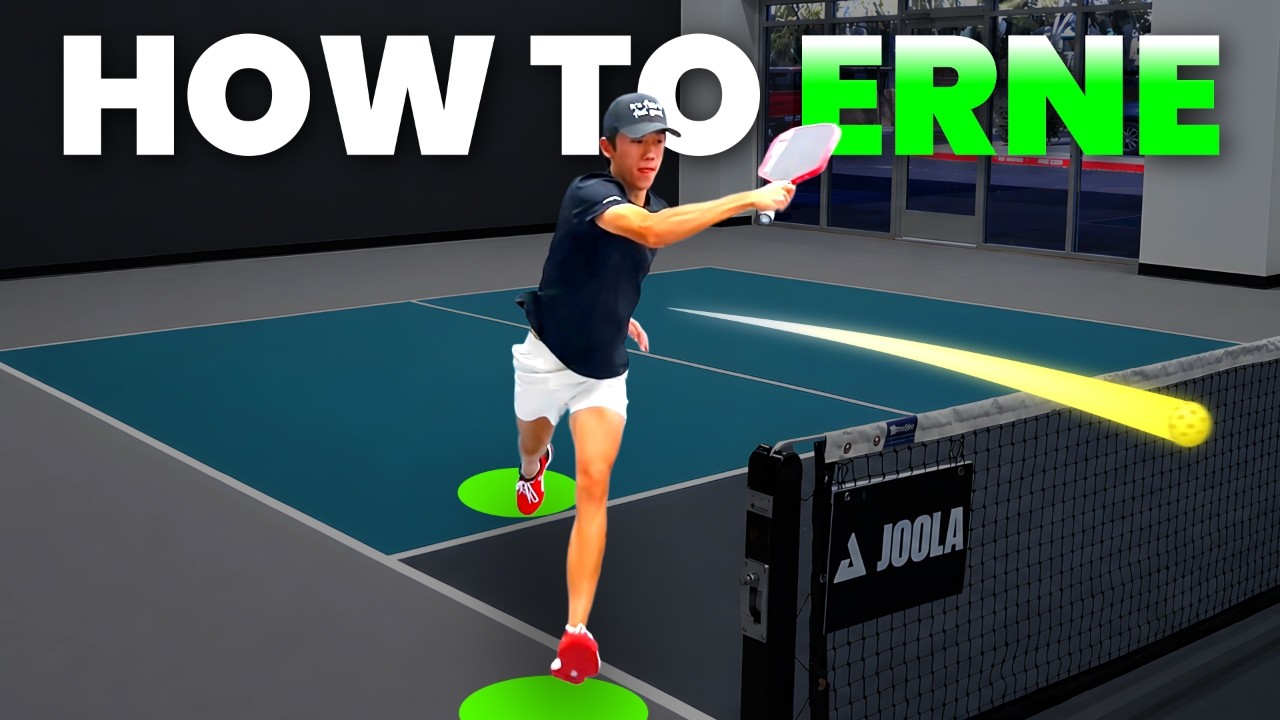
The Erne in pickleball is one of the most aggressive shots at the kitchen line, but most players either never go for it or botch the timing. Here is exactly how to fix that.
The erne in pickleball is one of the few shots that can completely freeze an opponent, and most players either never attempt it or go at the wrong moment and hand the point away.
The problem is not athleticism. It is recognition and timing.
If you understand what to look for before you move, the shot becomes a calculated weapon rather than a wild gamble.
This breakdown pulls from coaching by Briones Pickleball Academy on YouTube, covering when to go, how to move, and what goes wrong when players misfire the Erne on both sides of the court.
Love pickleball? Then you'll love our free newsletter. We send the latest news, tips, and highlights for free each week.
What Is the Erne and Why Does It Work?
The erne is a shot where you move outside the kitchen corner, either by walking around it or jumping over it, and strike the ball out of the air from a position beside the non-volley zone.
It works because you are cutting off an angle your opponent thinks is safe.
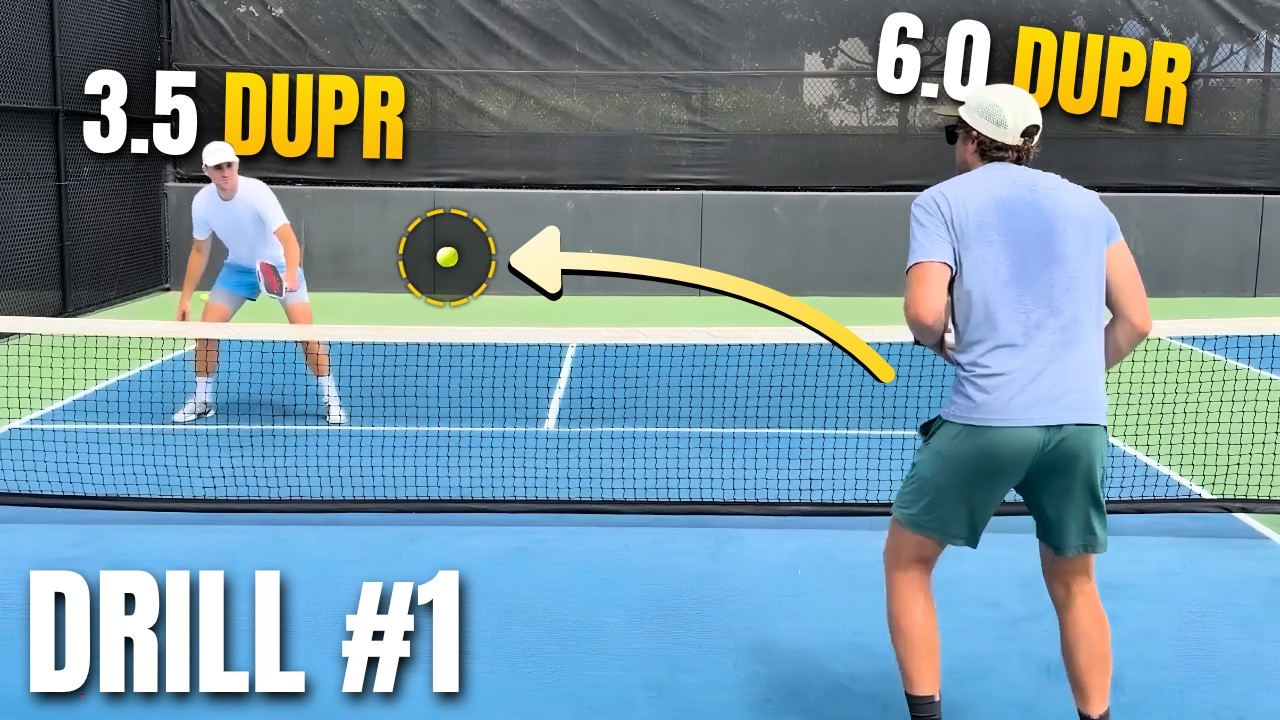
When a dink gets pushed wide or deep into their corner, they are focused on the ball dropping, not on you.
That moment of head-down contact is exactly when the erne becomes possible.
Your opponent is committed to hitting the ball. You are free to start your motion.
How Do You Know When to Go for It?
The setup matters more than the execution.
You are looking for a specific pattern during a dinking exchange, not just randomly charging the corner.
Watch what the dink does to your opponent. You need one of two things to happen.
- The ball pushes them wide off the court, forcing them to reach out toward the sideline
- The ball pushes them deep into the corner, limiting their angle options and forcing an upward contact point
Either situation creates the opening. The moment your opponent's head drops to track the ball low, that is your trigger to begin moving.
If you go before their head drops, you telegraph the shot and they simply redirect away from you. Patience before the move is what makes the Erne actually work.
The Two Ways to Execute the Erne
There is the walk-around Erne and the leaping Erne. Both are legitimate. The one you choose depends on your positioning, timing, and athleticism.
Walk-Around Erne
This version is simpler and more consistent.
When you see the opportunity, you walk around the outside of the kitchen or even through it, as long as both feet are established outside the non-volley zone before contact.
The rule is specific: you can move through the kitchen during your approach, but both feet must be planted outside the zone before your paddle touches the ball.
Do not guess at this. Know the rule before you use the shot in a match.
Once you are set up outside the corner, almost every contact here will be a forehand.
The reach advantage on the forehand side gives you more time to get to the ball and more ability to force it down.
Leaping Erne
The leaping Erne gives you a later trigger point, which means better disguise.
Because you can wait slightly longer before committing, your opponent has less time to read what you are doing.
When their head drops, you begin your lean.
As they make contact with the ball, you push off and jump forward across the corner of the kitchen, striking the ball mid-air and landing outside the non-volley zone.
The footwork here matters. Start your lean by shifting weight to your left foot (for right-handed players on the left side).
That lets you push off explosively and land with your right foot outside the court, giving you the balance to actually execute the shot cleanly.
Learning lateral movement training that protects your knees will pay off here, since the leaping erne puts real demand on your joints during takeoff and landing.
 The Dink Media Team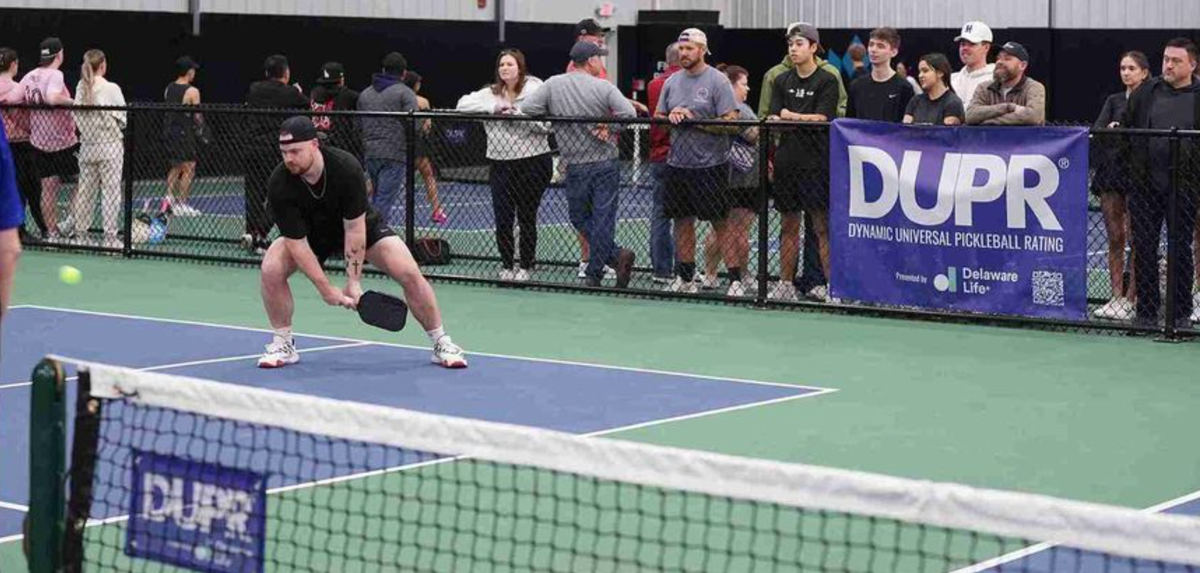
Right Side vs. Left Side: What Changes?
The recognition is the same on both sides. You are still watching for the same push wide or push deep.
But the shot mechanics shift depending on where you are standing.
Right Side of the Court
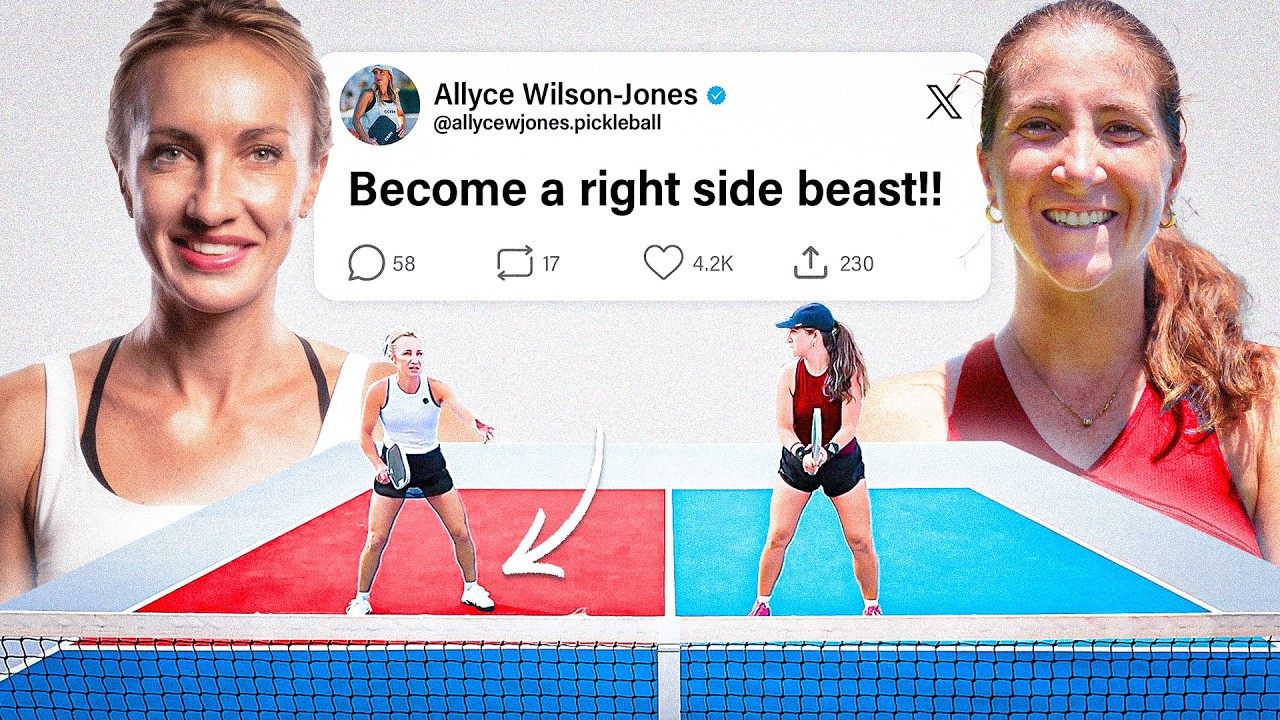
When you are on the right side and going for the Erne, you will almost always be using your backhand.
This is simply a matter of reach.
The backhand extends naturally toward the sideline from that position, giving you the coverage you need without contorting your body.
Left Side of the Court
On the left side, you have more flexibility. Both backhand and forehand are possible depending on where the ball goes and how much time you have.
Commit to one early. Changing your mind mid-Erne is the fastest way to hand your opponent the point.
For the leaping Erne from the left side, the backhand is often the better call when a dink is heading up the line.
Your opponent sees the line as open. They think they have the angle.
The moment you jump, that ball is coming right to your backhand, and you can get extension out front and punch it down into the court.
If you want to sharpen your overall left-side attack from the kitchen line, check out these left side offense moves that pair well with the Erne.
 The Dink Media Team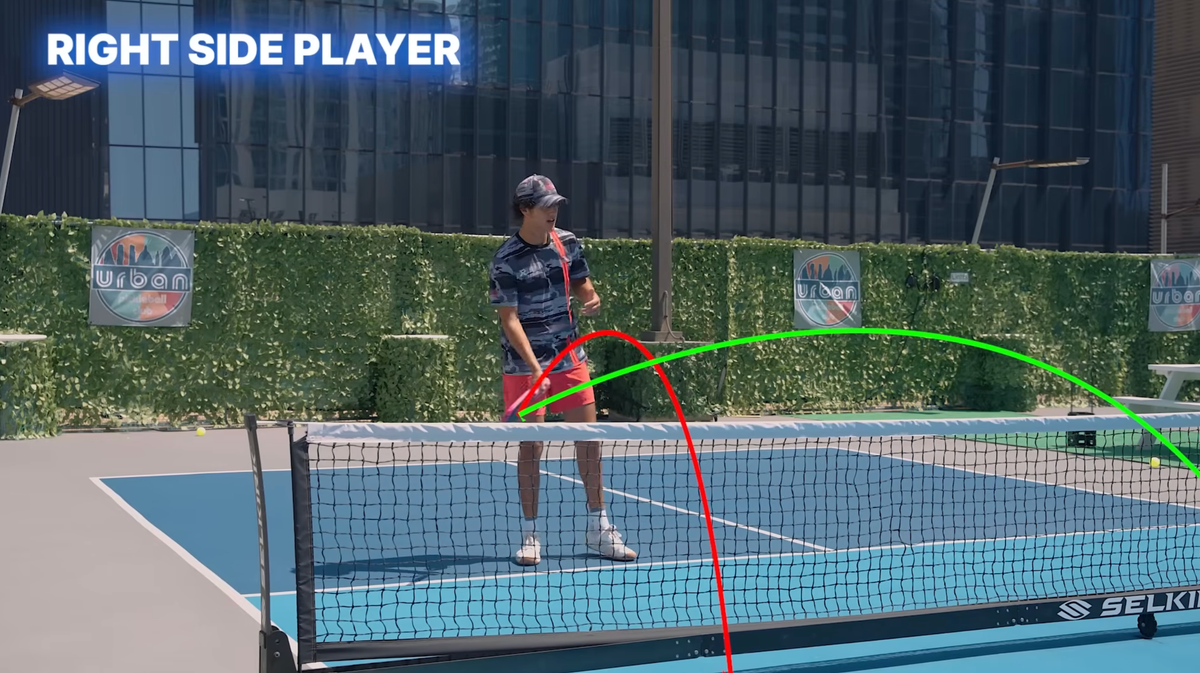
What Does a Good Erne Contact Look Like?
Short. Compact. Downward.
When you go for an Erne, you are already on top of the net. You do not need a full swing to win the point.
All you need to do is force the ball down into the court. Your position is doing most of the work for you.
Think of it as a punch rather than a swing. Your paddle travels a short distance. The contact is firm and directed downward.
The ball goes to the ground, and your opponent has no play.
This is where most players throw away a perfect opportunity. They get excited, swing big, snap the wrist, and hit either into the net or long.
The Erne does not reward aggression for its own sake.
It rewards precision.
Understanding grip pressure is directly connected to this. A death grip at contact leads to unpredictable ball flight.
Relaxed hands give you control when you are punching at an awkward angle beside the kitchen.
 The Dink Media Team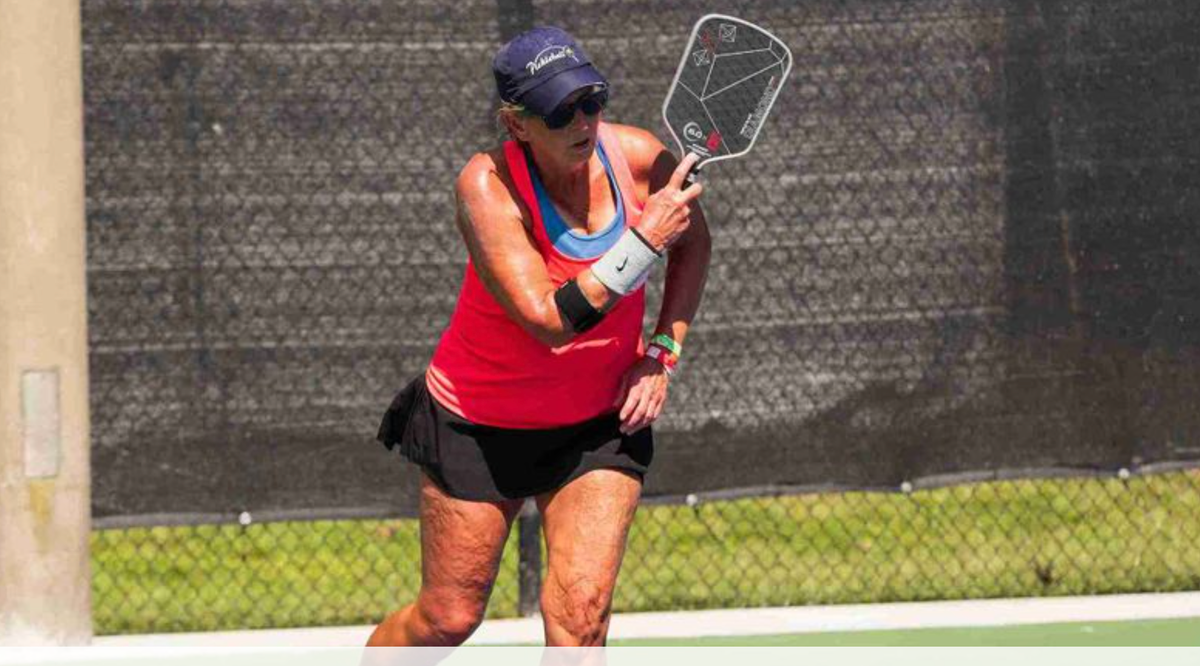
The 4 Most Common Erne Mistakes
Here is what goes wrong most often, and why each one costs you the point.
- Going too early. If you move before your opponent's head drops, they see you coming and redirect the dink away from you. Wait for the trigger.
- Telegraphing the shot. Leaning aggressively or shifting your weight early gives it away. Keep your body neutral until the moment you commit.
- Taking too big a swing. You are next to the net. A compact punch is enough. Over-swinging causes pop-ups, net errors, and wide shots.
- Not committing to forehand or backhand on the left side. Indecision at that speed ends in a missed shot every time. Read the ball early and lock in your choice.
If you regularly find yourself popping balls up during net exchanges, the same habits causing that problem are going to hurt your Erne contact too.
Working through these fixes for pop-up dinks will help clean up your touch at the kitchen line.
 The Dink Media Team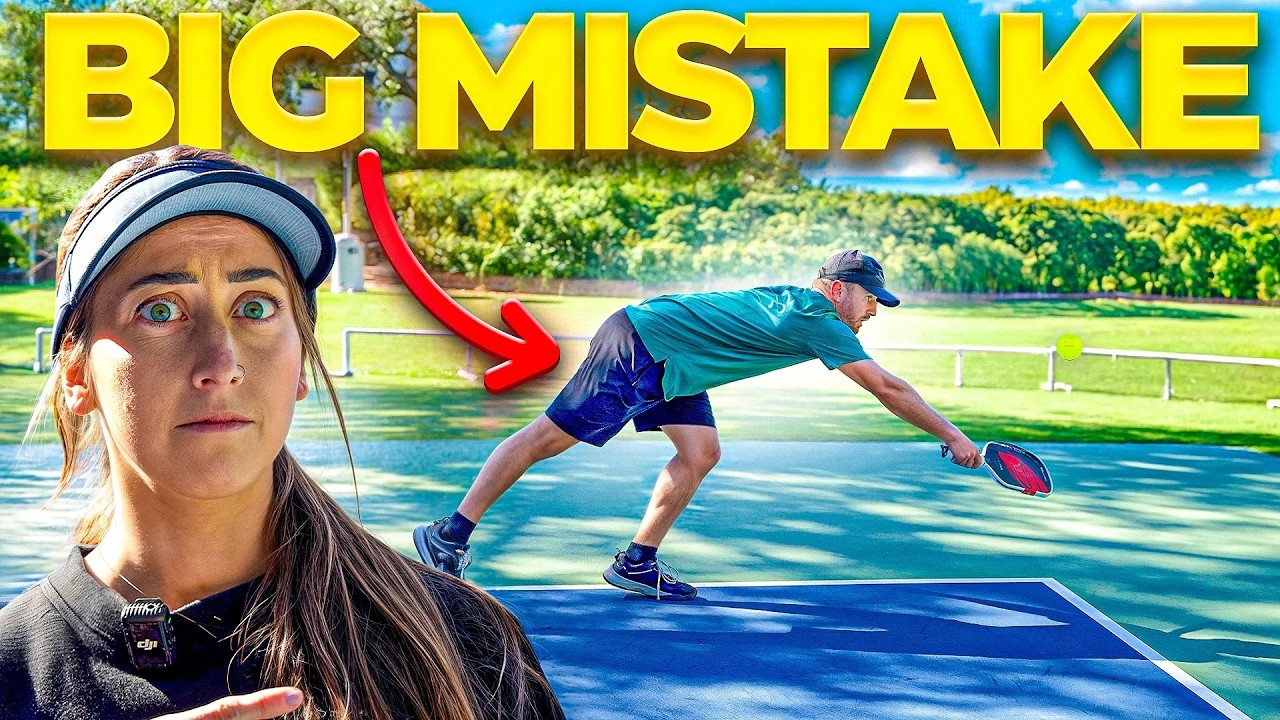
How to Start Using the Erne in Real Games
Start by just watching.
Spend a full session at the kitchen line tracking your opponent's dinks and identifying the moments when the push-wide or push-deep pattern appears.
Do not go for the Erne yet.
Just recognize the setup.
Once the pattern is clear, try the walk-around Erne first. It is lower risk, easier to abort if you misread, and builds the habit of moving at the right moment.
When you are comfortable with the timing, add the leaping version.
The Erne pairs naturally with aggressive kitchen line play.
If you are already mixing rolls and flicks at the kitchen, the Erne becomes another layer your opponent has to account for.
It forces them to keep dinks tighter and shorter, which makes your other attacks easier to land.
Players like Anna Leigh Waters and Tyra Black use their kitchen line presence to create exactly this kind of pressure, where every shot your opponent hits feels like it could trigger something fast and unexpected.
Building that kind of offensive presence starts with understanding your forehand dink as a setup tool, not just a neutral exchange.
When your dinks regularly push opponents wide or deep, you create Erne opportunities instead of waiting for them to appear.
For players working to build a more complete attacking game at the net, these two-shot combinations that set up easy attacks will show you how to sequence points so the Erne becomes a natural finish rather than a forced move.
If you want to sharpen the full offensive side of your kitchen game, including the Erne, the shake and bake, and the flick, start drilling these drills that PPA pros still use in every practice.
Repetition at speed is how the timing becomes automatic.
The Erne is not a trick shot.
It is a calculated, high-percentage play when you read the pattern correctly, move at the right moment, and keep your swing under control.
Get those three things right and you will start picking up free points that most players at your level are leaving behind.
Frequently Asked Questions
What is the Erne in pickleball?
The Erne is a shot where a player moves outside the kitchen corner, either by walking around or jumping over the non-volley zone, and strikes the ball out of the air from beside the kitchen. It is legal as long as both feet are established outside the non-volley zone before contact is made. The shot is named after Erne Perry, who popularized it in early competitive play.
When is the right time to go for an Erne?
The right moment is when your opponent's head drops to track a ball that has been pushed wide or deep into their corner. That split second of visual focus on the ball is when you begin your movement. Going before that moment telegraphs the shot and gives them time to redirect.
Can you walk through the kitchen to hit an Erne?
Yes, you can move through the kitchen as part of your approach. The only requirement is that both feet must be outside the non-volley zone before your paddle makes contact with the ball. Many players use a walk-through path because it is faster than going fully around the corner.
Should I use a forehand or backhand on the Erne?
On the right side of the court, the backhand is almost always the correct choice due to reach and positioning. On the left side, both are possible, but you need to commit early. Switching between the two mid-motion is one of the most common reasons players miss the shot entirely.
Why do I keep hitting the Erne into the net?
The most common reason is swinging too hard. Because you are already close to the net during the Erne, a full swing generates more pace than the shot can handle, and the ball goes low into the tape. Use a short, compact punch motion and focus on directing the ball downward rather than hitting it hard.

Love Pickleball? Join 100k+ readers for free weekly tips, news & gear deals.
Subscribe to The Dink