
How to Find Your Pickleball Level Before You Show Up to Open Play
Showing up to the wrong open play session wastes your time and kills your confidence. Here's exactly how to find your pickleball level and get into the right games.
Showing up to open play without knowing your pickleball level is one of the most common mistakes new and returning players make.
You walk onto the courts, jump into a game, and suddenly you're either getting destroyed by players who are way better, or you're coasting through rallies that teach you nothing.
Neither one helps you grow.
This breakdown covers exactly how to identify where you belong, what to look for at open play, and how to get into the right games without feeling awkward about it.
The guidance here comes from Better Pickleball on YouTube, a channel dedicated to helping players at every stage figure out how to practice and compete smarter.
Love pickleball? Then you'll love our free newsletter. We send the latest news, tips, and highlights for free each week.
Why Getting Your Level Right Actually Matters
Playing at the wrong pickleball skill level is not just uncomfortable. It actively slows your development.
If you're consistently playing below your level, you're not being challenged. You're ingraining stubborn habits that won't hold up the moment you face a better player.
If you're consistently playing above your level, you spend most of the session reacting to pace and situations you're not ready for.
That's not the same as learning. That's just surviving.
The goal is to find sessions where you're slightly challenged but still competitive. That's the range where improvement actually happens.
How Is Open Play Usually Broken Down?
Open play is almost always organized by skill level.
Most facilities and community groups split their sessions into beginner, intermediate, and advanced, though the exact labels vary by location.
Some sessions use rating ranges to define who should show up. You might see a sign that says 3.0 to 3.5, or 4.0 and above.
If you know your rating, this is the easiest way to slot yourself in.
If you don't have a rating yet, that's fine. Most players who are just getting started don't.
What matters is that you know enough about your own game to make an honest assessment before you walk through the door.
What If You Don't Know Your Rating?
Not having a formal rating does not mean you can't figure out where to play. You just need a different approach.
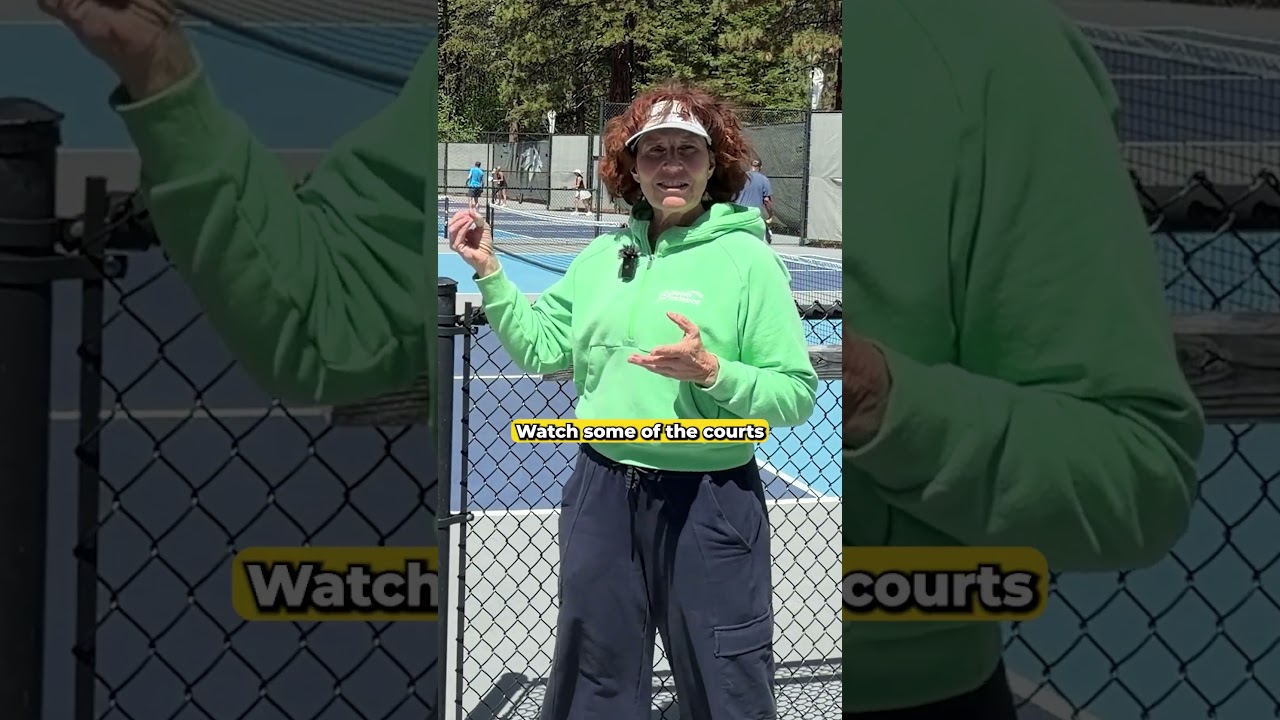
The most effective method is to show up early and watch. Before you even grab your paddle, spend five to ten minutes observing the courts.
Ask yourself a few honest questions:
- Are these players making shots I can make?
- Are the rallies going at a pace I could keep up with?
- Does the level of consistency on the court match mine?
- Are players dinking patiently, or is everything a hard drive?
If you're watching and thinking "I could hang in that game," you're probably in the right place.
If you're watching and your honest reaction is "these folks are way better than me," trust that instinct and find a more appropriate session.
Understanding kitchen arrival percentage is one concrete stat that separates skill levels more than most players realize.
Higher level players get to the kitchen consistently. Beginners don't. Watch for that pattern when you observe.
 The Dink Media Team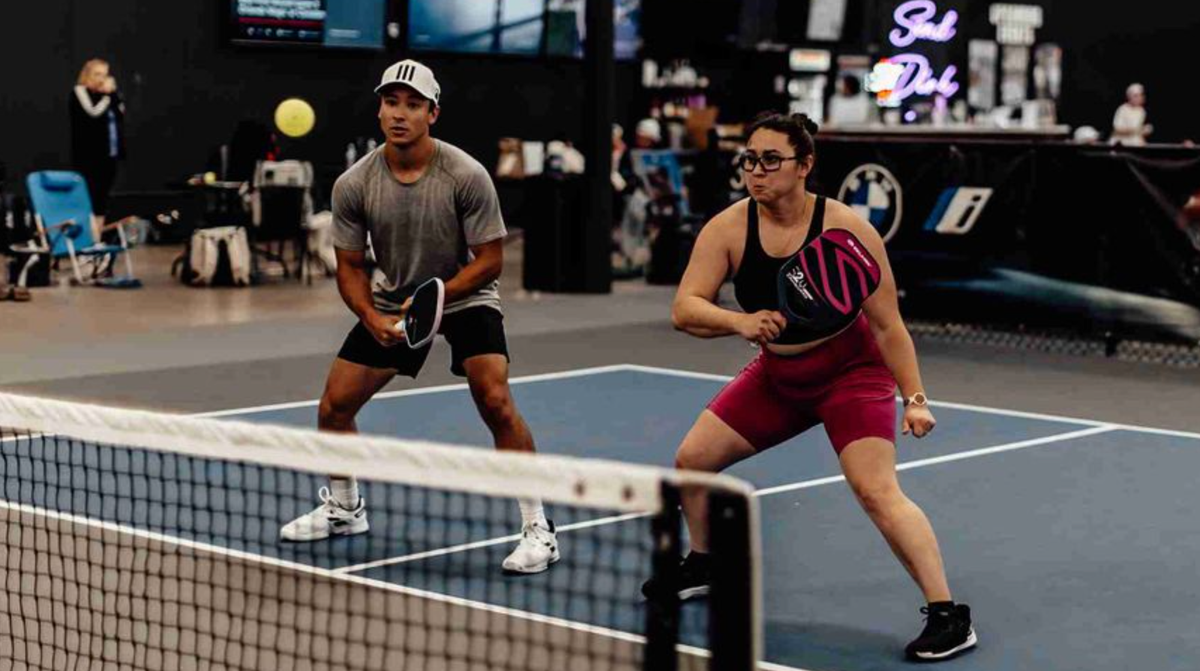
What Skill Level Labels Actually Mean
Pickleball skill level labels can feel confusing if you've never seen them spelled out, and the official rating definitions are worth reading once.
Here's the plain breakdown:
- Beginner (2.0 to 2.5): Still learning the rules, basic shot mechanics, and court positioning. Rallies are short and inconsistent.
- Intermediate (3.0 to 3.5): Can sustain rallies, understands the basics of the third shot, and is getting comfortable at the kitchen line.
- Advanced Intermediate (4.0): Consistent dinking, intentional shot selection, and beginning to use speed changes and spin effectively.
- Advanced (4.5 and above): High consistency, strategic play, and the ability to construct points rather than just react to them.
If you want a detailed look at the habits that define each level, this breakdown of what higher level players see on the court is genuinely eye-opening.
Most players overestimate their rating by about half a level. That's not an insult. It's just how self-assessment tends to work.
When in doubt, start one level lower than you think you belong and move up from there.
 The Dink Media Team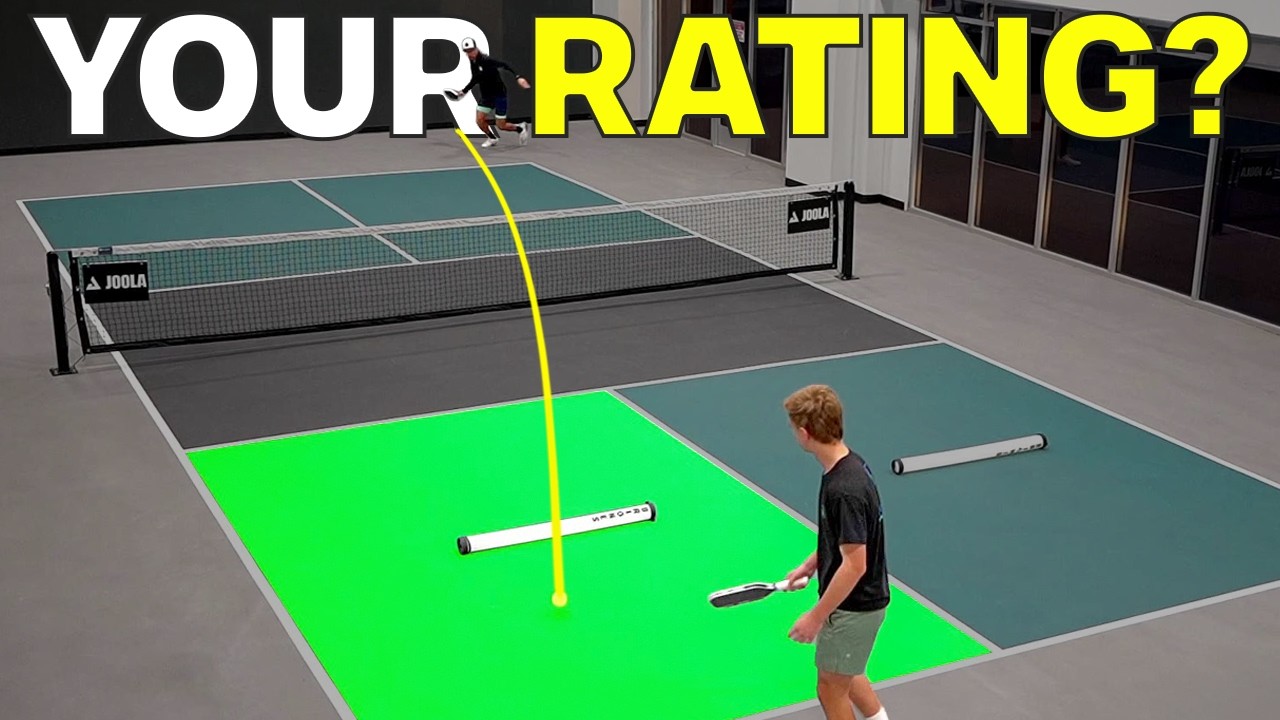
Is It Okay to Just Ask Someone?
Yes, and you should do it more than you probably think you need to.
Most open play groups are welcoming, especially to newer players who are upfront about where they're at.
Saying "Hey, I'm not sure if I'm at the right pickleball skill level for this session. What do you think?" is not embarrassing.
It's smart.
Experienced players can tell within a few minutes of watching you warm up where you belong.
They've seen every skill level walk through the door, and most of them will give you an honest, friendly answer.
What matters is that you also ask about the specific rules for that open play. Every facility runs things a little differently.
Some use a paddle rack system, some rotate winners, and some have designated courts for different levels.
Knowing the system before you jump in saves everyone time and awkwardness.
 Alex E. Weaver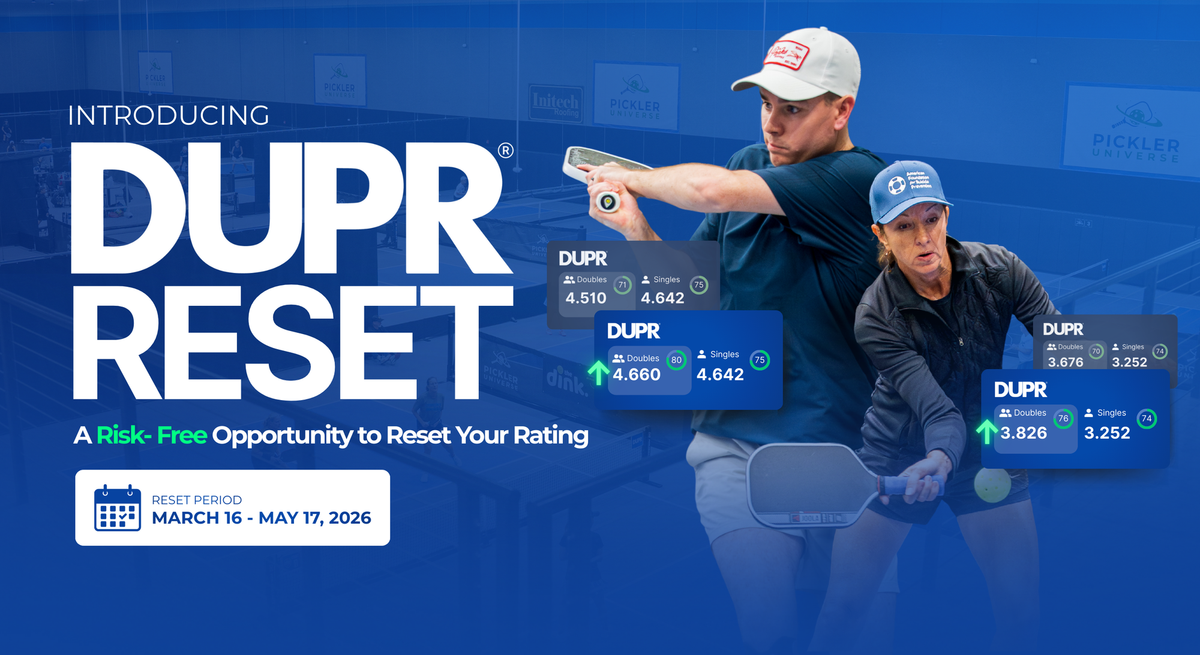
Should You Aim to Play Slightly Above Your Level?
There's a real argument for it, within limits.
Playing against someone who is slightly better forces you to be sharper. Your resets need to be cleaner. Your positioning needs to be more intentional.
You can't get away with lazy habits that work at a lower level.
That kind of productive challenge is exactly what pushes your game forward.
Competing against higher rated players requires a specific mindset shift, and knowing how to approach those games is a skill in itself.
The key word is slightly. One level above you is productive.
Three levels above you is just frustrating for everyone involved, including the better players who can't play their actual game against you.
 The Dink Media Team
What If You're Still Not Sure Where You Fit?
This is more common than you'd think, and the answer is simpler than most people expect.
Play a few games. Then pay attention to what happens. Are you winning every point easily?
Are you never getting a ball back? Are you somewhere in the middle? The results of actual games are more reliable data than any self-assessment.
There are also concrete signs that you're ready to move up a skill level, and recognizing those signals early helps you stay in the right sessions as you improve.
One thing worth knowing: DUPR (Dynamic Universal Pickleball Rating) is now the most widely used rating system, and it updates based on your actual match results rather than a one-time assessment.
If you start playing in rated games or tournaments, your DUPR will give you the most accurate picture of where you actually stand.
You can also use your practice sessions to identify gaps before they show up in games.
These progressive drills that take players from 3.0 to 5.0 can help you see exactly which skills are holding you back at your current level.
 The Dink Media Team
How to Get Into Games at Open Play Without the Awkwardness
The social side of open play trips people up as much as the skill side.
Here's a simple process for getting into games smoothly:
- Arrive a few minutes early. Watch the courts, get a feel for the level, and identify the system being used to rotate players in.
- Use the paddle rack or sign-in system. Don't skip the line. Don't just walk onto a court. Follow the process that's already in place.
- Introduce yourself. A quick "Hey, first time here, what's the best way to get a game?" goes a long way. People remember players who are respectful and easy to play with.
- Be honest about your level. If someone asks, tell them where you think you are. Don't oversell yourself. Overrated players disrupt games for everyone.
- Be a good partner. Encourage your teammates, keep the score, and stay positive. Being someone people want to play with matters as much as your skill level.
If you're working on specific skills to bring into open play, these beginner habits that win more points are worth building before you start competing in open sessions.
The fundamentals you develop early become the foundation everything else builds on.
The four shots that decide most points are worth knowing cold before you show up to any competitive session.
And if you're genuinely unsure whether to start with open play or lessons, pickleball lessons for beginners can accelerate your development faster than just playing games on their own.
The bottom line is this: finding the right level of open play is not about ego. It's about getting the most out of every session you show up for.
Be honest, be curious, ask questions, and trust what you see on the court.
Frequently Asked Questions
What is a good beginner pickleball level to start at for open play?
Most beginners should look for sessions labeled 2.0 to 2.5 or specifically marked as beginner-friendly. These sessions focus on consistency and fun rather than competitive strategy. If you can sustain a basic rally and understand the scoring, you're ready for beginner open play.
How do I know if I'm playing at the right pickleball level?
If you're winning most points without effort or losing every rally without touching the ball, you're in the wrong session. The right level leaves you competitive but challenged. Use actual game results, not self-assessment, as your most reliable guide.
Should I play up a level to improve faster in pickleball?
Playing one level above your current skill can accelerate improvement by forcing you to be more precise. Going too many levels above creates a mismatch that benefits neither you nor the other players. Start slightly above your comfort zone, not dramatically above it.
What is DUPR and how does it help me find the right pickleball session?
DUPR stands for Dynamic Universal Pickleball Rating, and it's the most widely used rating system in the sport today. It updates based on your actual match results, giving you a more accurate picture of your skill over time. Many open play sessions now list a DUPR range so you can match yourself to the right group before showing up.
Is it okay to ask other players what level the open play session is at?
Absolutely. Asking is always better than guessing wrong and disrupting a session. Experienced players are usually happy to help a newcomer find their footing.
Most facilities also have a designated organizer or host who can point you in the right direction.
Love Pickleball? Join 100k+ readers for free weekly tips, news & gear deals.
Subscribe to The Dink