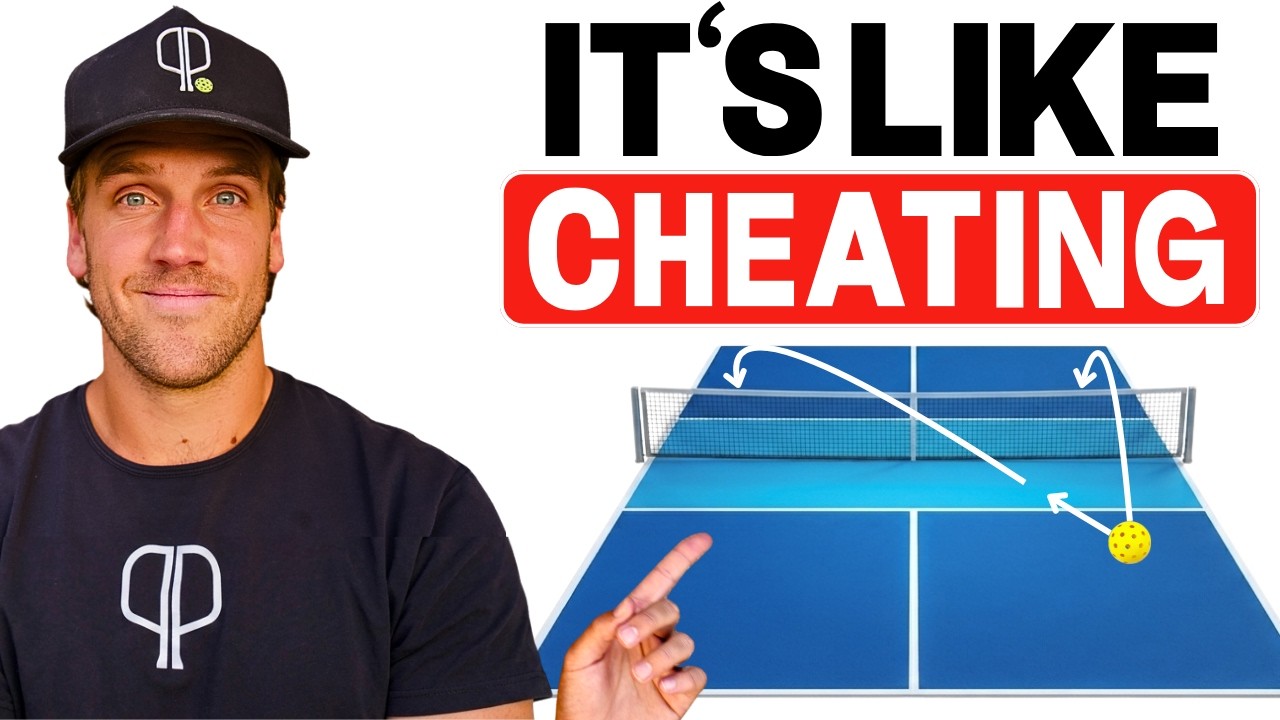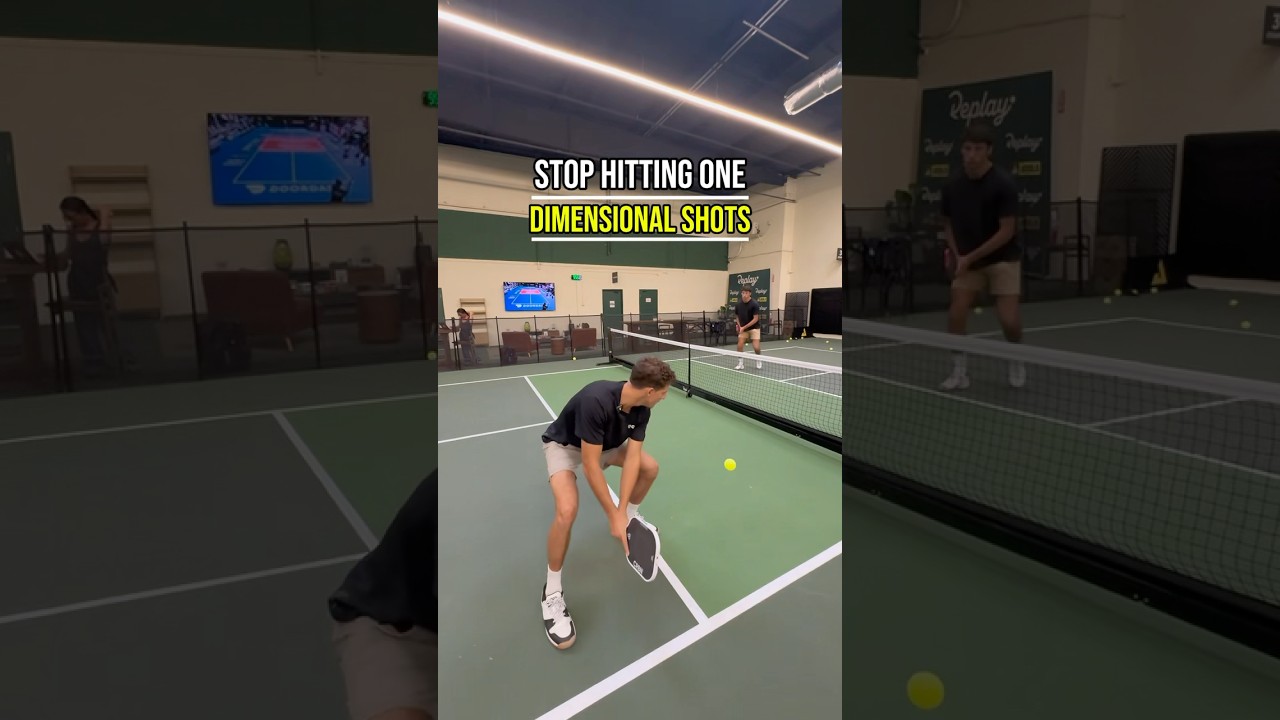
The most deceptive backhand setup in pickleball starts with a passive-looking dink to the middle. From one position, you can lob, speed up, or dink cross, and your opponent has no idea which is coming.
The best backhand setup in pickleball is not about power. It is about making your opponent commit before you do.
Most players think of their backhand as a defensive tool. Something to keep the ball in play until they can get back to their forehand.
That thinking is costing you points.
This breakdown covers a simple two-step system: dink to the middle to set a trap, then hold behind the ball to keep every option open.
The concept comes from tanner.pickleball on YouTube, and it is one of the cleaner ways to add deception to your kitchen game without changing your entire technique.
Love pickleball? Then you'll love our free newsletter. We send the latest news, tips, and highlights for free each week.
Why the Middle Dink Is a Trap, Not a Safe Play
When you dink to the middle, most opponents read it as passive. They relax, reset their positioning, and wait to see what you do next.
That is exactly what you want.
A dink to the middle does not force your opponent to move wide.
They cannot cheat to either side in anticipation, which gives you maximum options on the next ball.
Compare that to dinking cross-court to a corner. Your opponent reads the angle, shifts their weight, and starts loading up before your ball crosses the net.
You have tipped your hand early.
Think of it the way a pitcher works a batter. You do not throw your best pitch first, you set up something boring and then attack.
The middle dink is your boring pitch.
What Does "Holding Behind the Ball" Actually Mean?
Holding behind the ball means your paddle stays back and slightly behind the contact point as long as possible.
You are not rushing forward into the ball, you are letting the ball come to you while your paddle face stays neutral.
This matters because paddle position is the earliest tell opponents read.
At the recreational and 4.0 level, where most of the sport's explosive growth has happened, almost nobody hides it.
If your paddle comes forward early, they know a speed-up is coming. If it drops low, they expect a dink.
If it rises early, they start back-pedaling for a lob.
When you hold behind the ball in the pickleball backhand setup, none of those tells are visible.
Your body looks the same for every option until the last possible moment.
This is the core of deception in pickleball. It is not about faking, it is about delaying your commitment so long that your opponent cannot react in time.
Sharp paddle preparation is what makes the hold possible, and this breakdown of wrist lag in pickleball explains what it really does to your swing.
 The Dink Media Team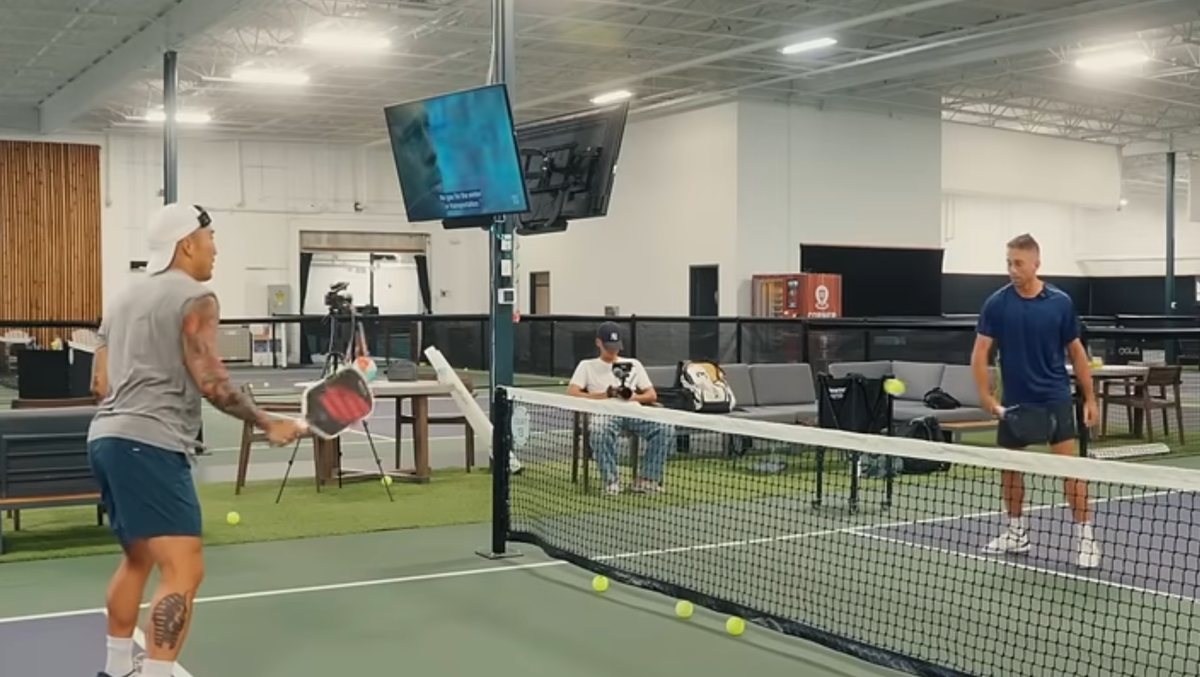
The 3 Shots You Can Hit From This Position
Once you have sent that middle dink and loaded up behind the ball, you have three legitimate weapons available. Here is what each one looks like and when to use it.
- The speed-up: Drive the ball hard and low at your opponent's body or shoulder. This works best when they are leaning back or their paddle is low. The setup makes it lethal because they are not expecting aggression after a passive dink. If you want to sharpen it, this deceptive speed-up covers the mistakes that make the shot predictable.
- The cross-court dink: Roll it softly to the far corner. Because your paddle never telegraphed the angle early, your opponent cannot cheat toward the sideline in time. This shot wins points by placement, not power. Smart dink placement is what turns a neutral rally into a winnable one.
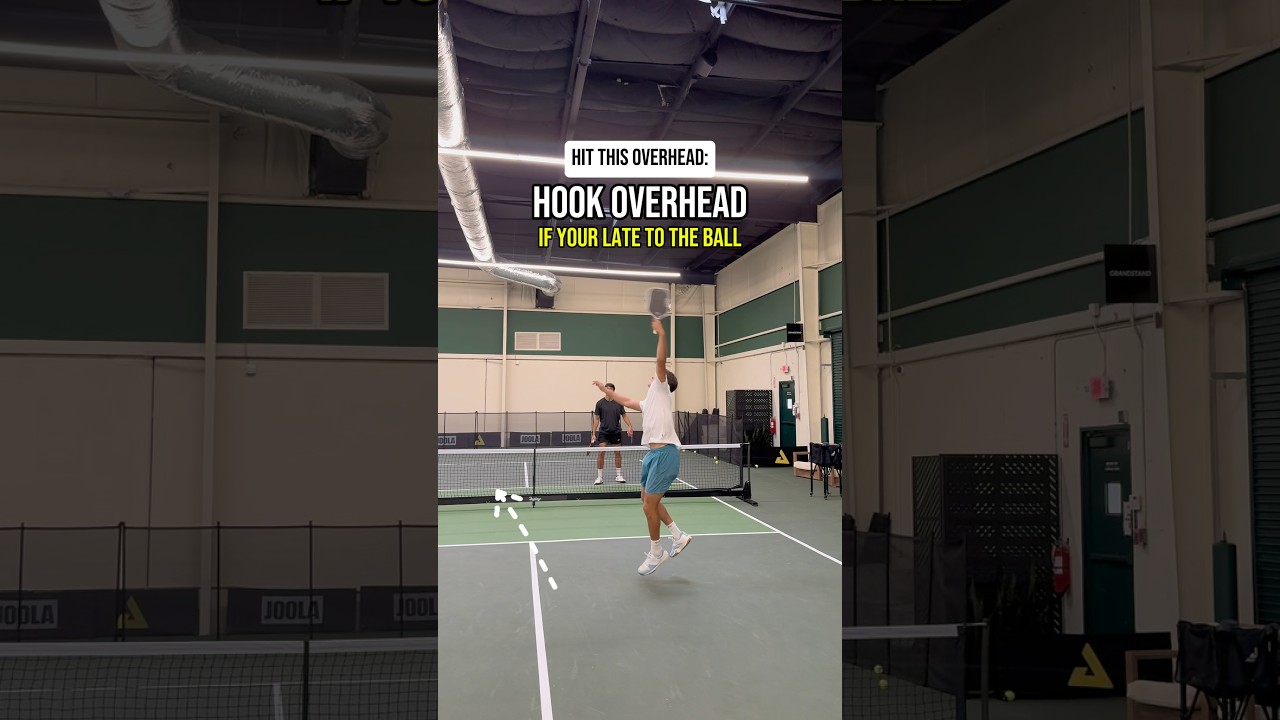
- The lob: Lift the ball deep over your opponent's backhand shoulder. This works when they are camped tight at the kitchen line. Since your arm motion for a lob and a dink look nearly identical from this loaded position, the lob catches them flat-footed. The offensive lob is still the most underused weapon in rec play.
The beauty of this system is that all three shots share the same setup. Your opponent cannot read which one is coming until it is too late to adjust.
If you want to sharpen the speed-up specifically, this resource on overcoming the frustrated speed-up in pickleball covers the common mistakes that make it predictable.
 The Dink Media Team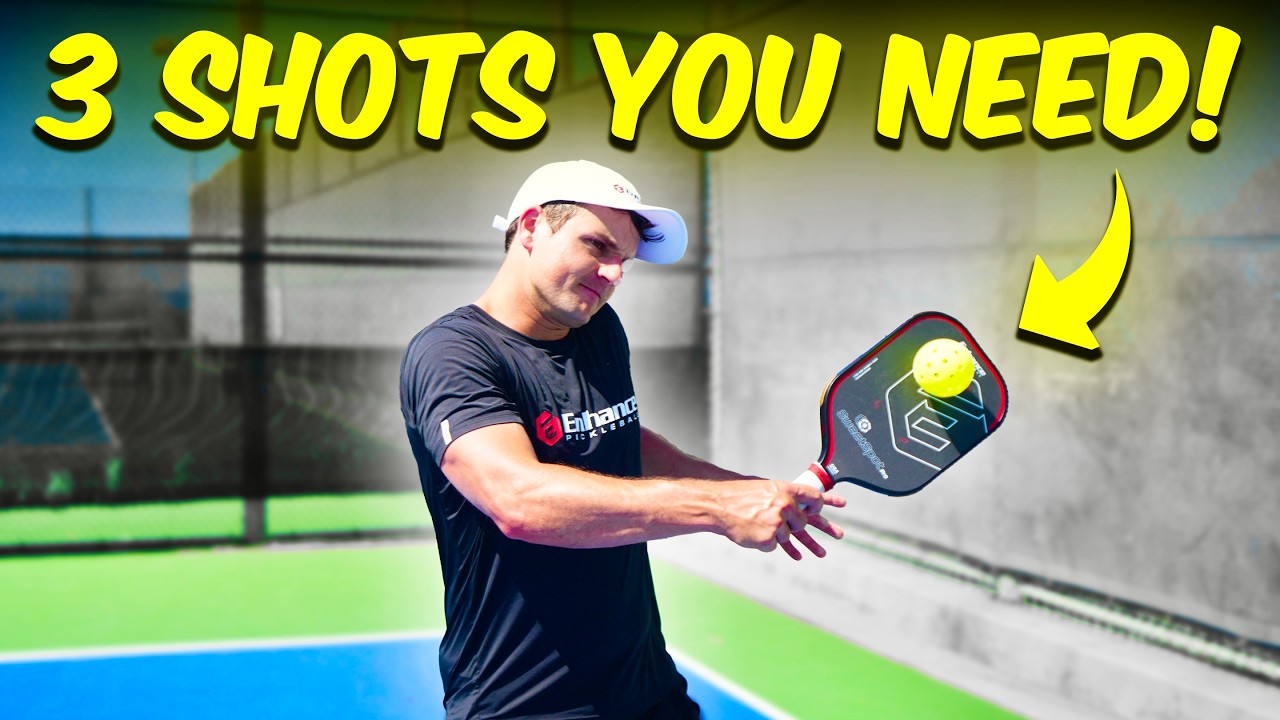
How Do You Know Which Shot to Pick?
Read your opponent's feet and paddle before you decide. That is the real answer.
If they are standing tall and their paddle is high, the speed-up to the body is your best bet. A high paddle means they are ready to dink, not block a hard drive.
If they are crowding the kitchen line and leaning forward, go with the lob.
They have committed to the kitchen and cannot recover quickly enough to chase a deep ball.
If they are balanced and well-positioned, the cross-court dink wins with angle rather than pace.
You do not need to force a speed-up when a well-placed dink does the same job.
This kind of shot selection thinking gets easier with a framework, and the four key strategies to winning in 2026 put the pickleball backhand setup in context with the rest of the modern game.
 The Dink Media Team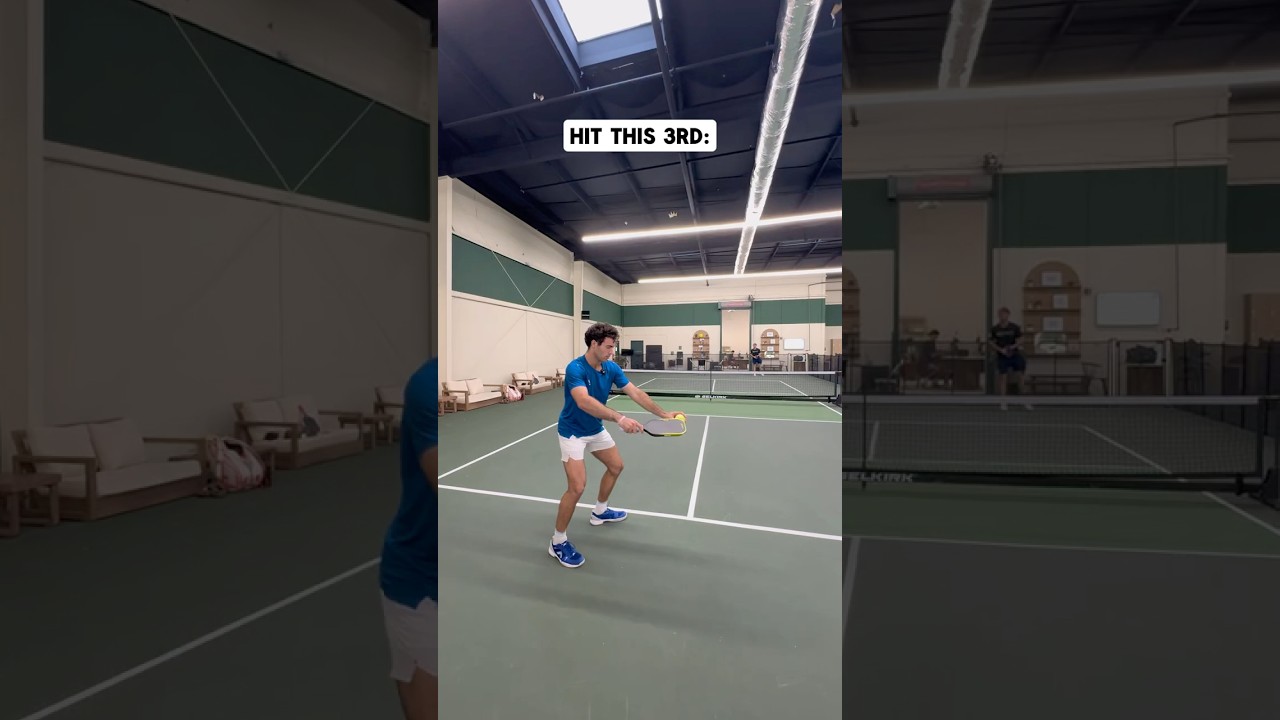
Why Most Players Never Build This Skill
The problem is that most players practice each shot in isolation.
They drill dinks separately, speed-ups separately, lobs separately. Then they get into a game and cannot connect them into a sequence.
The setup is the part that gets skipped. Nobody practices the trap.
When you only drill the shot without drilling the setup that creates it, you end up telegraphing every ball.
Your opponents start anticipating. Your speed-ups get blocked.
Your lobs get run down. Your dinks stop creating pressure because nothing else threatens from that same position.
The middle dink plus loaded backhand position is a system. It only works when you practice the full sequence, not just the individual shots.
This is why understanding the three types of pickleball drilling matters so much. Isolation drilling builds mechanics. Combination drilling builds actual game skills.
 Eric Roddy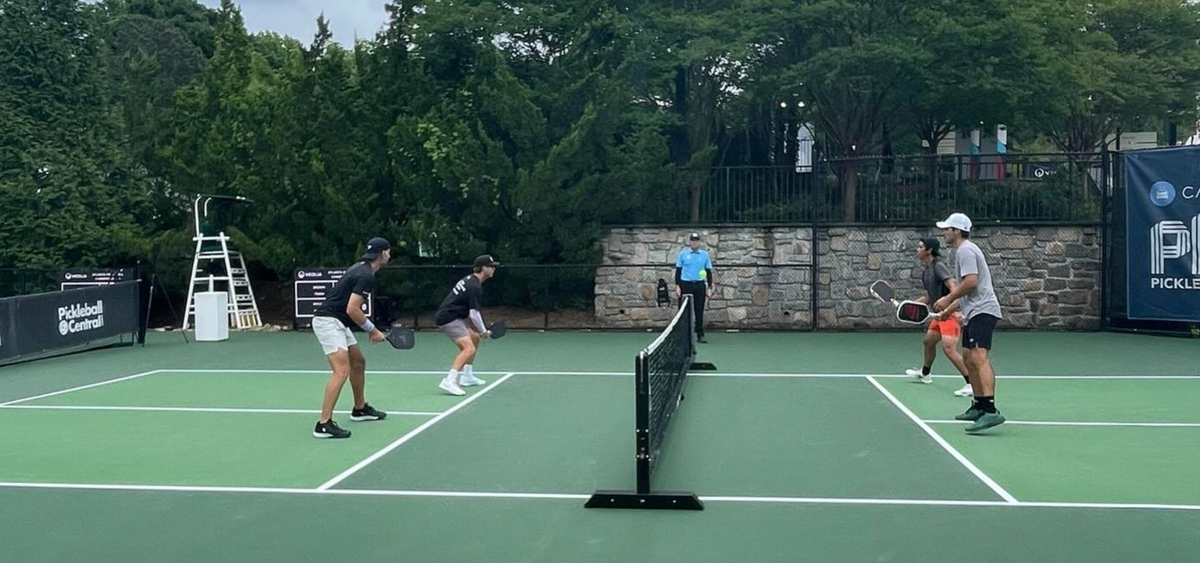
How to Practice This Sequence
Here is a simple practice structure you can use with a partner.
- Step 1: Start a cross-court dinking rally. After 4 to 5 exchanges, redirect one dink to the middle. That is your setup ball.
- Step 2: From the middle dink, load your backhand behind the ball. Pause for one second in that loaded position before choosing your shot.
- Step 3: Rotate through all three options in separate reps. Hit 5 speed-ups from the setup, then 5 lobs, then 5 cross-court dinks.
- Step 4: Now mix them randomly. Let your read of your partner's position determine which shot you hit. Do not pre-decide before the ball arrives.
The pause in Step 2 is deliberate. It builds the habit of holding behind the ball instead of rushing into contact.
Once that habit is built, the pause gets shorter and shorter until it disappears entirely and your deception becomes automatic.
You can also build the backhand mechanics in isolation with these three backhand dink drills built for real consistency.
And when you are ready to take your backhand from reliable to threatening, three steps to a perfect backhand flick is where to go next.
 The Dink Media Team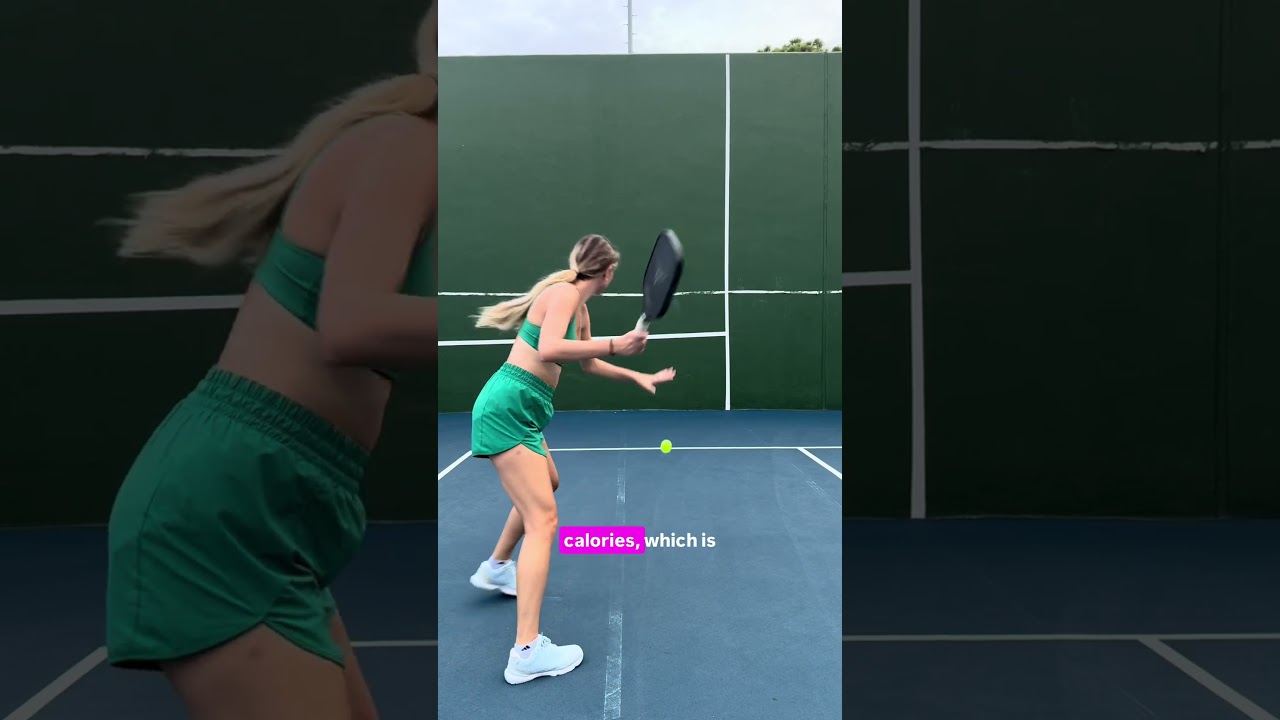
Why the Pickleball Backhand Setup Is So Hard to Defend
Your opponent cannot defend what they cannot read.
That sounds obvious, but most players never build a shot that looks the same from multiple angles.
Top players like Ben Johns use this principle constantly from the left side, holding a neutral paddle that threatens multiple shot shapes before committing.
The defense has to cover everything at once, which is impossible.
Most rec players load up visually before they swing, handing their opponent a half-second warning.
Research on anticipation in racket sports confirms what you already feel on court: defenders read body and paddle cues long before ball flight.
The middle dink removes that warning. Combined with a loaded, neutral backhand, it creates a genuine decision problem for the other side of the net.
Once opponents know you can go three directions from one position, they start second-guessing themselves.
That hesitation shows up as popped-up blocks on your speed-ups and slow reactions to your lobs.
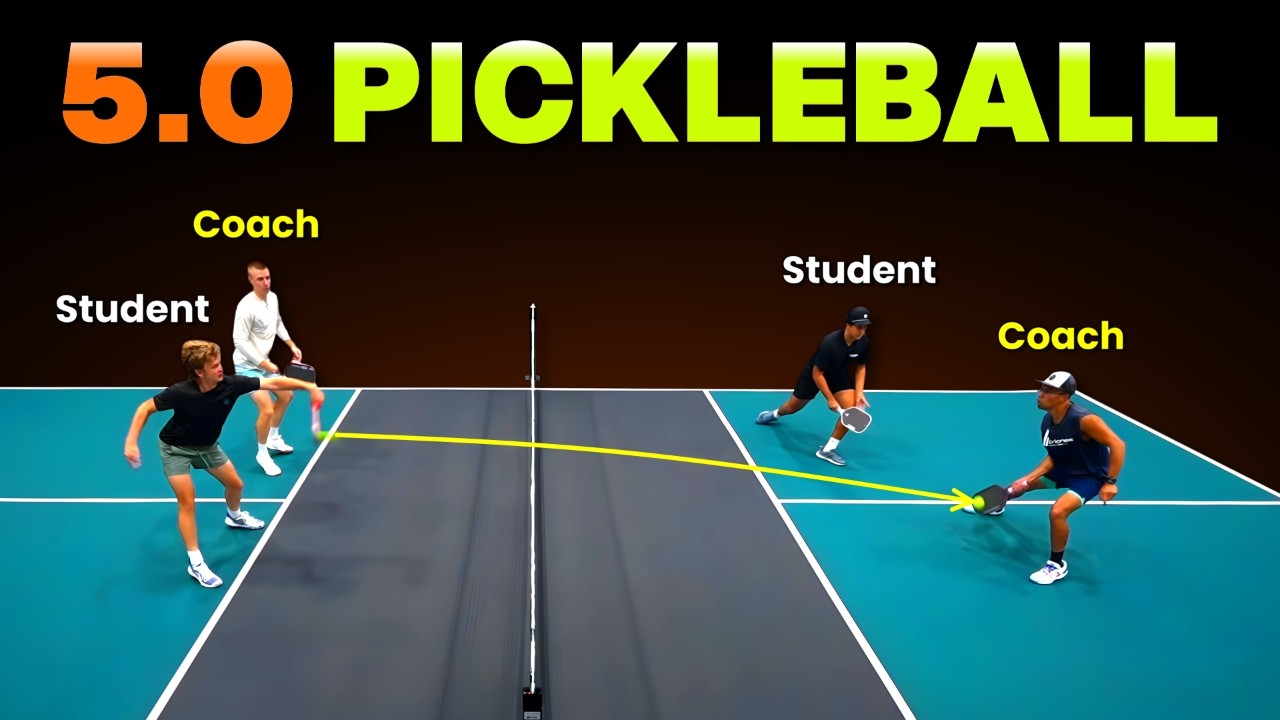
To apply the same principle across your arsenal, study these pickleball deception tips and the three key differences between a 4.0 and a 5.0 player.
The backhand is not just a defensive shot.
Build the pickleball backhand setup, hold behind the ball, and give your opponents three problems they can only solve by guessing.
If you want the rest of the blueprint, start with the shots you must master before 2026.
Frequently Asked Questions
What is the backhand setup in pickleball?
The backhand setup is a two-part sequence where you dink to the middle to neutralize your opponent, then load your paddle behind the ball to keep multiple shot options available. It is a deception strategy, not a single shot. The goal is to create a moment where your opponent cannot read your next move.
Why should I dink to the middle instead of cross-court?
Dinking to the middle prevents your opponent from cheating toward either sideline. Cross-court dinks telegraph an angle your opponent can anticipate and shift toward before your ball arrives. The middle dink keeps them honest and opens up all three of your follow-up options.
How do I stop telegraphing my backhand shots?
Hold your paddle behind the contact point as long as possible before committing to a shot. Early paddle movement is the most common tell in pickleball. When your paddle stays neutral until the last moment, your opponent cannot read speed-up, lob, or dink until it is too late to react.
When should I use a lob from the backhand setup?
Use the lob when your opponent is crowding the kitchen line and leaning forward. A player who is pressing tight at the net cannot recover quickly enough to run down a well-placed lob. The backhand setup makes the lob more effective because the arm motion looks nearly identical to a dink until the paddle face opens.
How do I practice backhand deception without a partner?
Wall drilling is the most practical solo option. Hit a controlled backhand toward the wall, load your paddle behind the rebound, and practice choosing your shot type based on the height of the return. You can also shadow swing in front of a mirror to check that your paddle position stays neutral across all three shot shapes.

Love Pickleball? Join 100k+ readers for free weekly tips, news & gear deals.
Subscribe to The Dink