
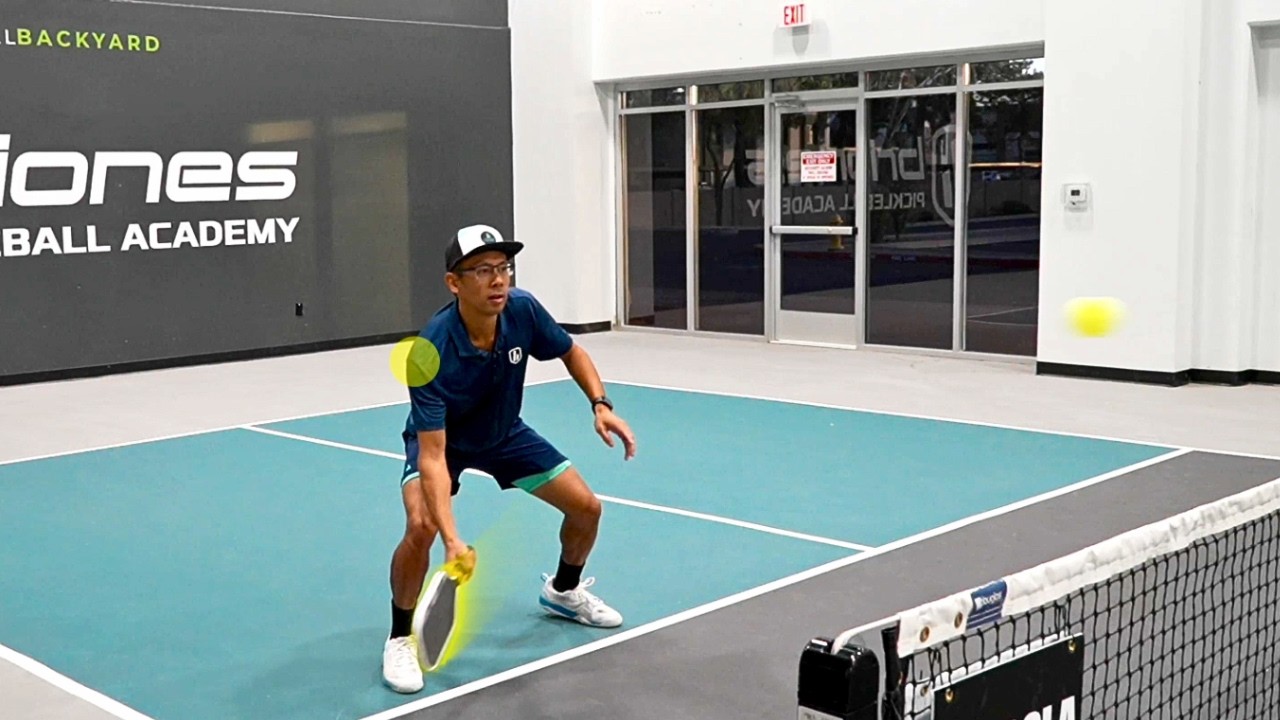
Why Your Topspin Fails (And the Wrist Fix That Actually Works)
Most players blame their swing when their pickleball topspin breaks down, but the real problem is the wrist. Fix this one mistake and your topspin dinks and speed ups become reliable weapons.
Your pickleball topspin is probably falling apart because of what your wrist is doing during the swing.
Not your footwork, not your grip, not your timing. Your wrist.
Most amateur players flip or snap the wrist to generate topspin, and it feels like it should work.
It creates speed, it creates spin in practice, and it mimics what you see when you watch fast exchanges at the net.
But it is also wildly inconsistent under any real pressure.
This breakdown comes from More Briones Pickleball on YouTube, and it covers exactly where recreational players go wrong with topspin and how to retrain the motion so it actually holds up in matches.
Love pickleball? Then you'll love our free newsletter. We send the latest news, tips, and highlights for free each week.
The Real Reason Your Topspin Dinks Keep Spraying
The mistake is simple: you are using your wrist as the primary topspin generator instead of your shoulder.
It feels natural. You want spin, so you flip the paddle face upward at contact.
The problem is that a small, fast joint driving a shot creates a tiny margin for error.
When your wrist is the engine, any slight timing difference or tension change throws the ball off completely.
You will see this most clearly on crosscourt topspin dinks, which demand precision, and on swinging volleys where you need to keep the ball down.
It is the same root cause behind the #1 mistake killing your shot-making consistency, and it shows up long before you notice it in the score.
The wrist flip also puts real stress on your wrist over time, a pattern documented across racquet-sport overuse research.
If you play regularly and notice soreness after topspin-heavy sessions, this is almost certainly why.
What Are the Two Shots Where This Shows Up Most?
There are two situations where the wrist mistake becomes most damaging to your game.
- The topspin crosscourt dink. Players try to add pressure at their opponent's feet by rolling the ball with a wrist snap. The ball either pops up, lands short, or goes wide because the wrist creates too much variability in the paddle face angle at contact.
- The swinging volley or speed up out of the air. When you attack a ball out of the air, the instinct is to snap the wrist through the ball for power. You might get power, but the ball sprays, and kitchen-line attacking strategy falls apart when you can't control the finish.
Both of these shots require the same fix. The mechanics are nearly identical, which is good news because you only have to retrain one habit.
So What Does the Correct Topspin Motion Actually Look Like?
The correct motion keeps the wrist stable and passive throughout the entire swing.
The shoulder does the work while the wrist simply holds the paddle face in a consistent position as the arm drives low to high.
Watch the pros hit crosscourt dinks at a high level and their swing looks almost slow.
That is because the spin comes from the angle of the swing path, not from wrist speed.
A true low-to-high swing path generates pickleball topspin without any wrist involvement at all.
If you want a clean visual reference, the tip-down dinking technique shows how paddle angle and swing path create spin without relying on the wrist.
The same principle drives the heavy topspin drive from the baseline.
 The Dink Media Team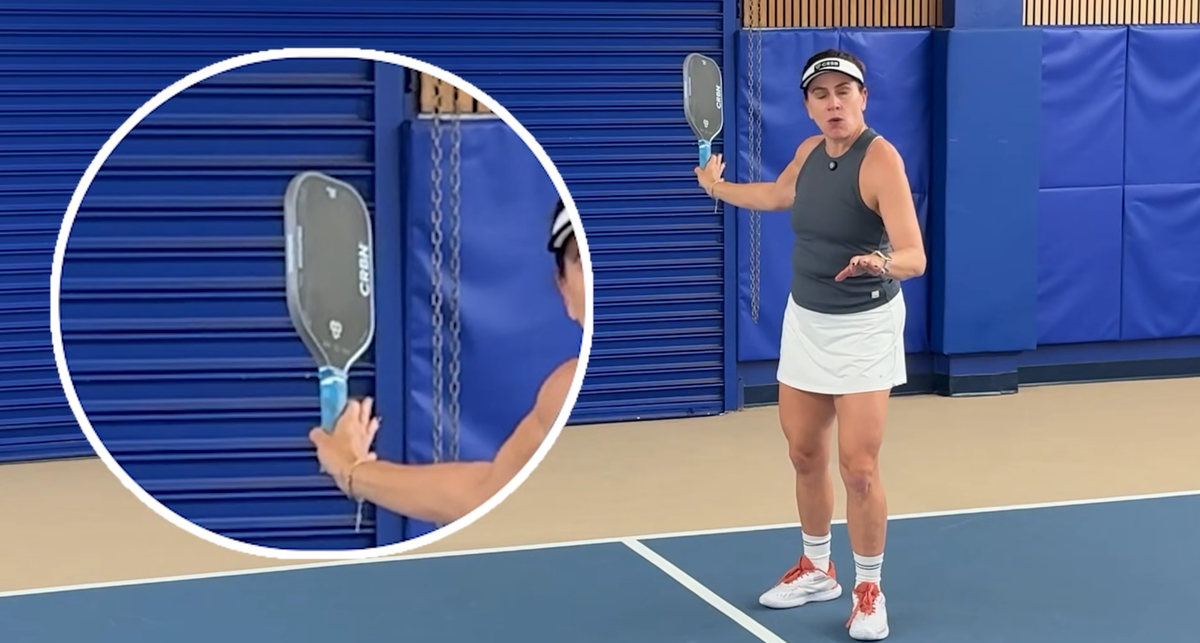
How to Retrain the Motion Step by Step
Retraining this is not complicated, but it requires deliberate practice.
Here is how to approach it.
- Lock your wrist before you swing. Think of your wrist as rigid, not frozen stiff, but held firm so it does not move independently during the shot.
- Initiate the swing from your shoulder. Your shoulder rotates and lifts to create the low-to-high motion. Your elbow follows. Your wrist and paddle are along for the ride.
- Keep your swing path low to high through the contact zone. The ball should be struck while your paddle is moving upward. That upward motion is what creates the topspin.
- Follow through upward, not outward. If your follow-through is pushing forward toward the net, your swing path is too flat. Finish with the paddle higher than where you contacted the ball.
- Use a slower swing speed at first. This feels wrong because you associate spin with speed. But slowing down lets you feel the shoulder-led motion and confirm your wrist is not sneaking back in.
This applies to both the crosscourt dink and the swinging volley.
For the volley, the swing is more compact, but the principle is identical. Shoulder leads, wrist is stable, path goes low to high.
If you have been struggling to build real consistency in your dinking, pairing this fix with the guidance from this simple 2-step dink method will accelerate your progress significantly.
 The Dink Media Team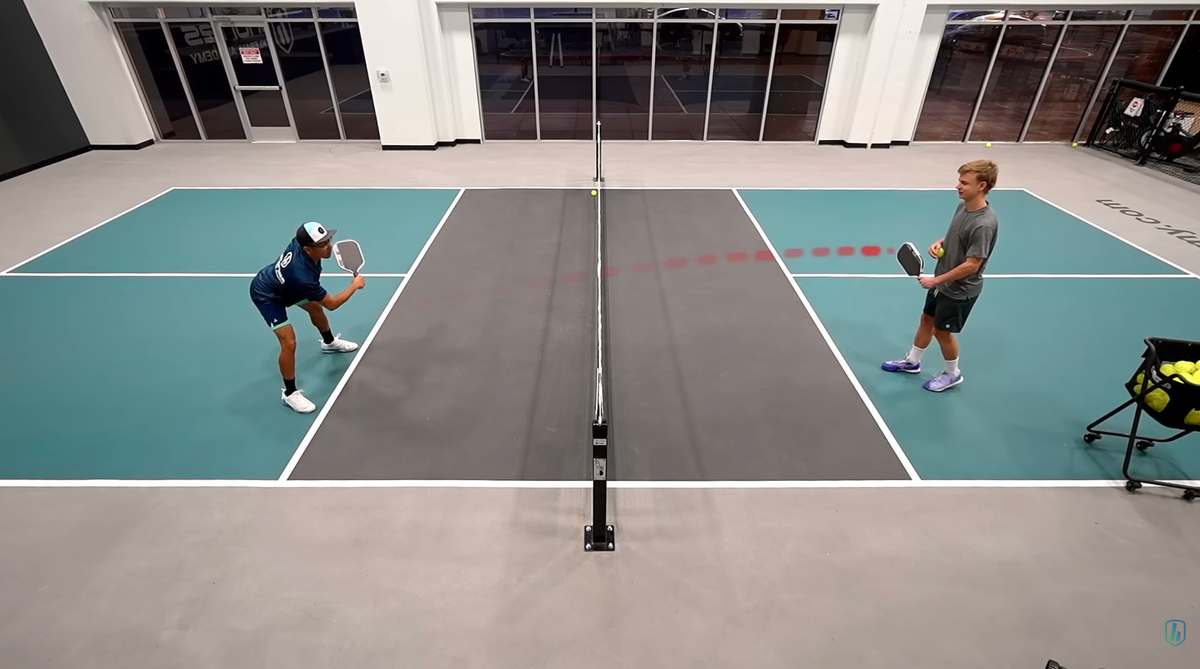
Why Does the Shoulder Feel Slower Even Though the Ball Has More Spin?
This is the part that confuses most players.
A shoulder-driven swing feels slower and less explosive than a wrist snap. But the spin is actually better, and here is why.
Topspin comes from the paddle face brushing upward across the back of the ball.
That brushing action is determined by your swing path angle, not by how fast your wrist moves.
A steep low-to-high swing path with a stable wrist produces excellent topspin even at moderate swing speeds.
A wrist snap creates a faster paddle movement, but it also changes the paddle face angle unpredictably at contact.
You get inconsistent spin and inconsistent ball flight as a result.
The shoulder approach gives you repeatable spin because the swing path stays the same swing after swing.
This is the same reason pros look almost relaxed when they hit heavy topspin dinks. They are not muscling the ball. They are using efficient mechanics.
 The Dink Media Team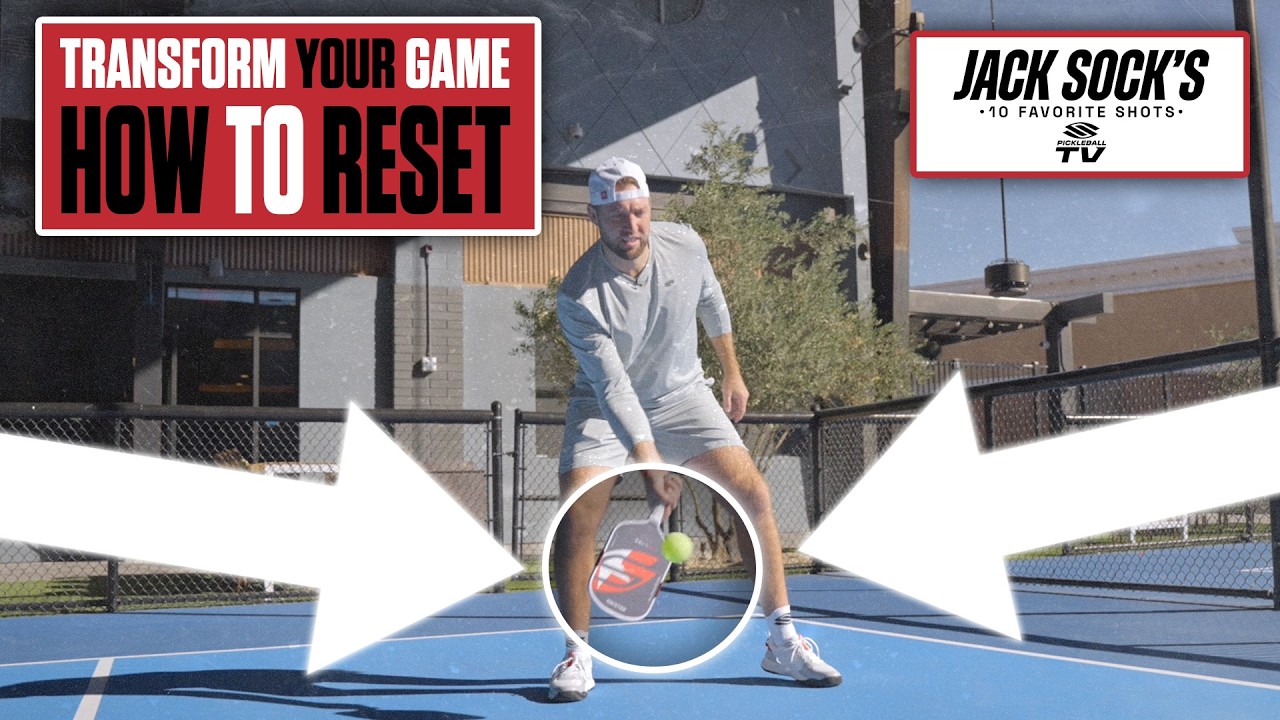
How to Apply Pickleball Topspin to the Swinging Volley
The swinging volley is where players most often revert to the wrist, because the ball is coming fast and the instinct is to match that energy.
Resist that. The swinging volley that actually works is compact and shoulder-led, a short controlled swing that goes low to high instead of a big looping motion powered by your wrist.
Your contact point matters here too. You want to hit the ball slightly out in front of your body so your arm has room to drive upward through contact.
If the ball gets too close to your body, you collapse the motion and the wrist takes over by default.
This is the same collapse point covered in the two essential techniques you're missing at the kitchen line.
Players who struggle here often have a related issue with their speed up mechanics.
The pro tips on why your speed ups fail go deeper on turning that shot into a weapon instead of a liability.
And if you want to understand how wrist position affects every attacking shot, not just spin, the breakdown of wrist lag in pickleball is worth your time.
 The Dink Media Team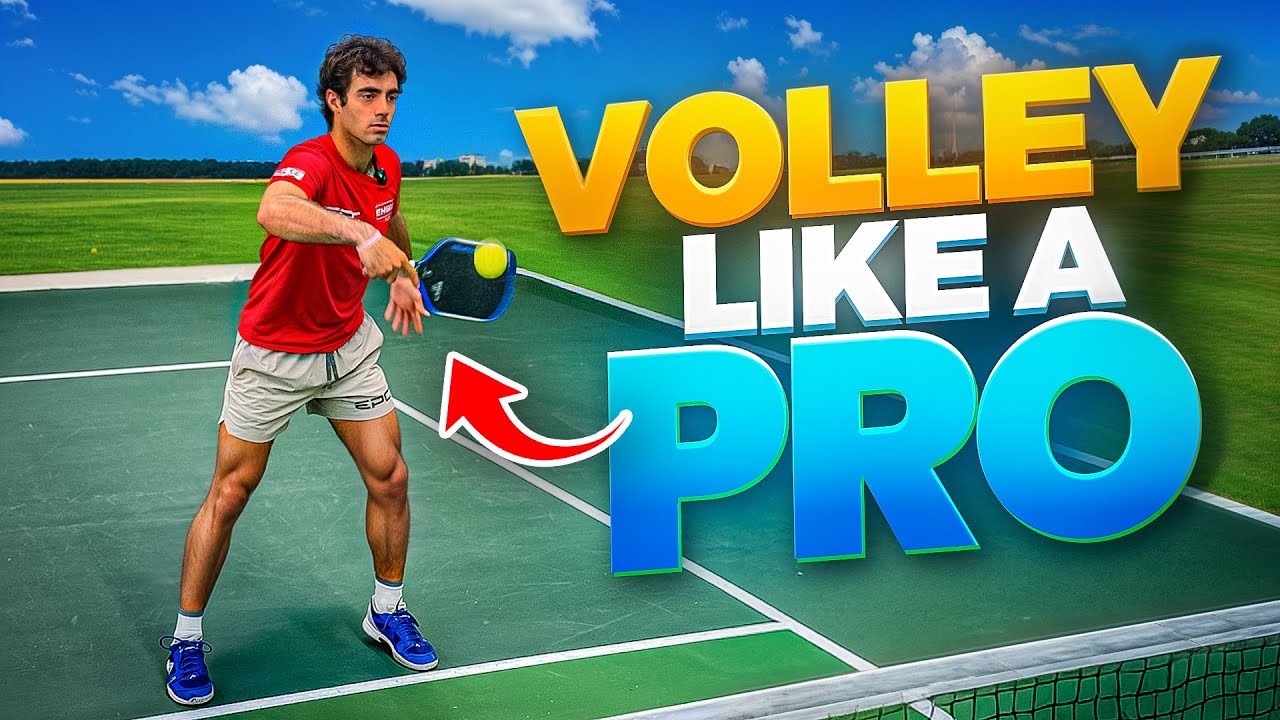
What Drills Actually Ingrain This Fix?
Knowing the fix is one thing. Getting it into your muscle memory during a real point is another.
Here are the drills that make the biggest difference.
- Slow crosscourt dinking with a focus on swing path. Hit topspin dinks crosscourt with a deliberately slower swing than you think you need. Pay attention to whether the ball actually gets topspin. If it does, your path is right.
- Shadow swings without a ball. Stand at the kitchen line and rehearse the motion with no ball. Start from a low position and swing your shoulder upward while holding your wrist firm. Repeat until the motion feels natural.
- Partner feed for swinging volleys. Have a partner feed you soft balls at mid-height out of the air. Practice the compact, shoulder-led swing low to high. Do not try to generate power at first. Focus only on keeping the wrist out of it.
For structured practice options, the 12 drills you need to play your best pickleball in 2026 gives you a framework for organizing these reps efficiently.
To make the new pattern stick under pressure, the 70% rule for match-proof practice is the missing piece for most players.
If you want to isolate your dinking mechanics further, these three aggressive dinking mistakes are worth auditing at the same time.
 The Dink Media Team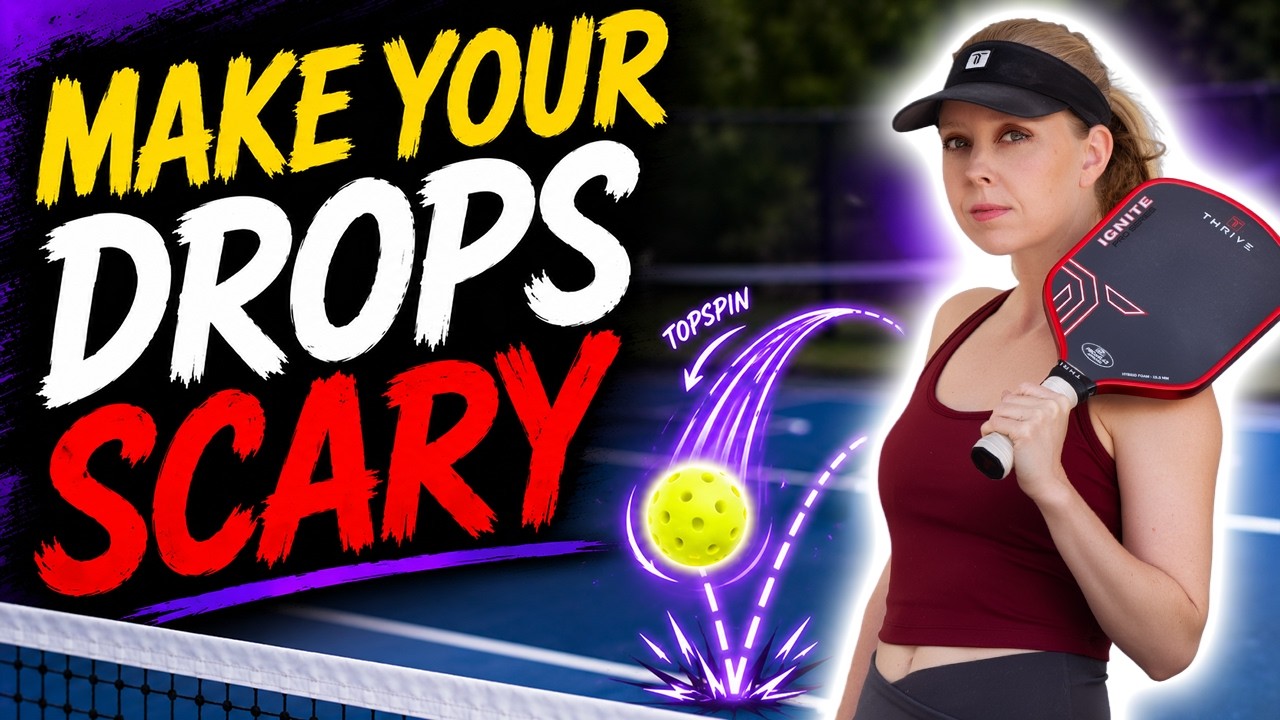
What Else to Work On Alongside Your Pickleball Topspin
Fixing your mechanics is a high-priority repair, but it does not exist in isolation.
If you are adding spin to balls you should be resetting, the mechanical fix will not help much.
Shot selection matters as much as mechanics.
Knowing when a topspin dink is the right call versus when to keep the ball low and reset is a skill on its own, and the ball height and court position checklist will tell you when to add spin and when to leave it out.
If you are not sure what other technical holes are holding you back, these four amateur habits sabotaging your game is a useful audit, and smart shot decisions over raw power explains the strategic picture behind it.
The defensive dink styles guide is directly relevant here too.
Topspin is one of the primary tools for winning crosscourt exchanges, and understanding the tactical picture makes the mechanical work feel purposeful.
One more thing worth checking: if your grip pressure is too tight, your wrist will automatically tense and try to compensate.
Loosening your grip slightly is often what finally lets players feel the shoulder-led motion, and the three pickleball grips breakdown explains which one belongs on which shot.
Put the work into this one change.
A stable wrist and a shoulder-driven low-to-high swing path will do more for your pickleball topspin than any new paddle, no matter what its surface roughness rating claims about spin.
If you want the full list of errors to cross-check against, the five most common topspin mistakes covers the rest of them.
Frequently Asked Questions
What is the biggest mistake players make when trying to hit topspin in pickleball?
The biggest mistake is using the wrist as the primary source of topspin instead of the shoulder. A wrist-driven swing creates too much variability in the paddle face angle at contact, which leads to balls that spray wide or pop up. The fix is to keep the wrist stable and let the shoulder drive a low-to-high swing path.
How do you generate pickleball topspin without using your wrist?
Topspin comes from the angle of your swing path, not from wrist speed or snap. Drive the swing from your shoulder in a low-to-high motion while keeping your wrist firm and passive throughout. The paddle brushing upward across the back of the ball at contact is what creates the spin.
Does this wrist fix apply to swinging volleys too?
Yes, the same mechanics apply to the swinging volley. Keep the wrist stable, let the shoulder initiate a compact low-to-high swing, and make contact out in front of your body. The biggest mistake on swinging volleys is snapping the wrist through the ball for power, which causes the ball to spray.
Why does my topspin dink feel inconsistent even when I practice it?
If you are practicing with a wrist-dominant motion, you are reinforcing the wrong pattern no matter how many reps you put in. Inconsistency is built into the mechanics when the wrist is the driver. Switch to a shoulder-led swing with a passive wrist and your consistency will improve quickly once the new pattern becomes automatic.
How long does it take to fix the wrist topspin habit?
Most players see noticeable improvement within a few dedicated practice sessions if they are drilling it intentionally. Shadow swings, slow crosscourt dinking, and partner feeds for volleys are the fastest ways to ingrain the new motion. The habit can creep back under pressure, so deliberate slow practice is more valuable than fast reps early in the retraining process.

Love Pickleball? Join 100k+ readers for free weekly tips, news & gear deals.
Subscribe to The Dink