
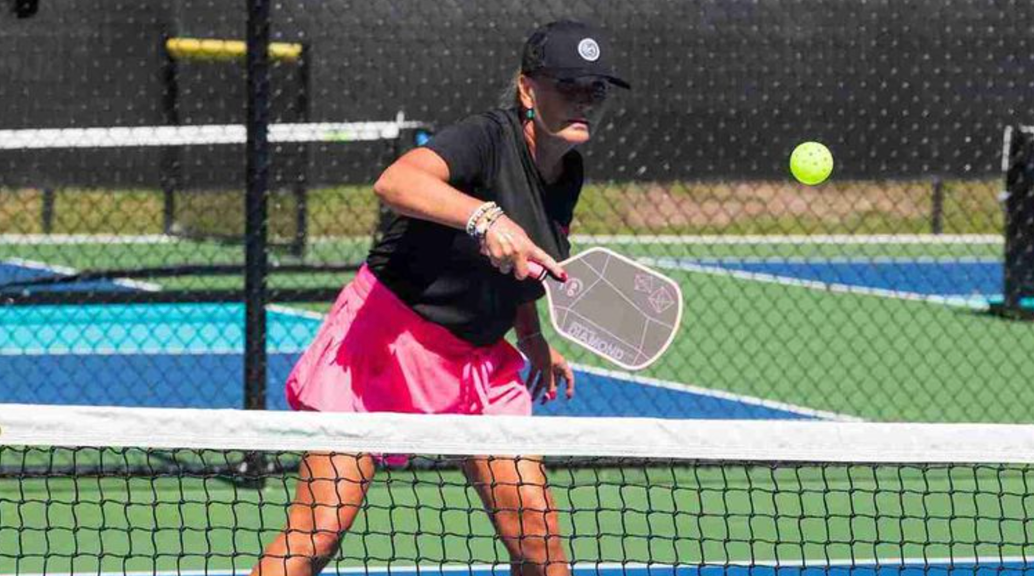
Can the Serve Hit the Net in Pickleball? The Let Rule Explained
Can the serve hit the net in pickleball? Under current USA Pickleball rules, there is no let rule for serve: if your serve clips the net and lands in, it's live and play continues.
If you've ever watched a serve clip the net and trickled in, wondering whether to replay the point or keep playing, you're not alone.
Whether the serve can hit the net in pickleball and still count is one of the most commonly misunderstood rules in the game, especially for players coming from tennis, where a net serve is always replayed.
Pickleball doesn't work that way. Not anymore.
Love pickleball? Then you'll love our free newsletter. We send the latest news, tips, and highlights for free each week.
What Happens When the Serve Hits the Net in Pickleball?
The serve can hit the net in pickleball, and as long as it lands in the correct diagonal service box, play continues as normal.
No replay. No do-over. The ball is live the moment it clears the net and lands in bounds.
This trips up a lot of players, especially those with a tennis background. In tennis, a serve that touches the net is called a "let" and is replayed without penalty.
Pickleball used to follow the same logic. Then USA Pickleball changed it.
The let rule for serves was officially eliminated, which means every serve that clips the top of the net and bounces into the service box is now a valid serve in play.
Both players need to be ready for it, because the rally is on.
That change matters more than people realize. A serve that clips the net can produce an incredibly low, awkward bounce that's genuinely hard to return.
Suddenly what felt like a lucky shot is actually a weapon.
When Did USA Pickleball Remove the Let Rule?
USA Pickleball officially eliminated the let serve rule as part of its rules updates, a change that brought pickleball more in line with how professional play was already being handled.
The rule is documented in USA Pickleball's official rulebook (2025), specifically under Section 4.A, which covers service rules and what constitutes a fault.
Before the change, a serve touching the net was automatically replayed. The logic was borrowed from tennis.
But pickleball has been steadily building its own rulebook, and the elimination of the let rule reflects that independence.
Here's the thing: the rule change wasn't controversial for long. Most competitive players adapted quickly. The serve either lands in or it doesn't.
If it clips the net and drops in? Rally on. If you're curious how other rule changes have affected the game, the evolution has been faster than most sports.
Understanding how service rules actually work is worth your time if you're playing any level of competitive pickleball.
What Is a Serve Fault in Pickleball?
A serve fault happens when the serve fails to meet the requirements for a legal, in-bounds serve. Not every net serve counts.
A serve that clips the net but lands in the kitchen, out of bounds, or on the wrong side of the court is still a fault.
Here's exactly what makes a serve a fault under USA Pickleball official rules (2025):
- The ball lands in the non-volley zone (kitchen) or on the kitchen line
- The ball lands out of bounds
- The ball doesn't clear the net at all
- The serve is made with an illegal motion (above waist height, wrist not below the wrist, etc.)
Only one serve attempt is allowed per rally. Unlike tennis, there's no second serve.
That makes the stakes on every delivery a little higher and the grip and technique you use matter more than players often appreciate.
 Alex E. Weaver
Does the Ball Have to Bounce Before the Return of Serve?
Yes, and this matters for understanding why a net-clipping serve is such a tricky situation.
In pickleball, the two-bounce rule (sometimes called the double-bounce rule) requires both the serve and the return of serve to bounce before either team can hit a volley.
So when a serve clips the net and lands in the service box, the receiving team still has to let it bounce before returning.
That awkward, low, unpredictable bounce becomes the returner's problem.
A serve that nicks the tape and dies near the kitchen line can be nearly impossible to return cleanly.
That's why understanding where to position yourself when returning a serve becomes even more important when your opponent has a serve that occasionally clips the net.
You need enough time and space to react.
Once the return bounces and the serving team plays it, both teams are free to volley. From that point, normal play rules apply at the kitchen line.
 The Dink Media Team
How Is a Pickleball Net Serve Different From Tennis?
This is the comparison that causes the most confusion, so it's worth being direct: in tennis, a net serve is always a let.
Always replayed. Always. In pickleball, it's not.
A pickleball serve that clips the net and lands in is live. Full stop.
The distinction comes from a deliberate rules philosophy. Pickleball has been moving toward fewer interruptions and cleaner, continuous rally play.
Removing the let rule fits that direction. A 2025 survey of rec and competitive pickleball players has shown that most have adapted to the no-let serve rule without issue (source verification recommended).
For players coming over from tennis, this is genuinely one of the bigger mental adjustments.
You'll see a serve nick the tape, hear the thwack, and every tennis reflex in your body will say "let." Fight that instinct.
The advanced serve techniques that pros use sometimes deliberately work the tape as a risk-reward play.
If you want to go deeper on how pros have studied and adapted their serves, the Zane Navratil serve study remains one of the most referenced breakdowns in the game.
 The Dink Media Team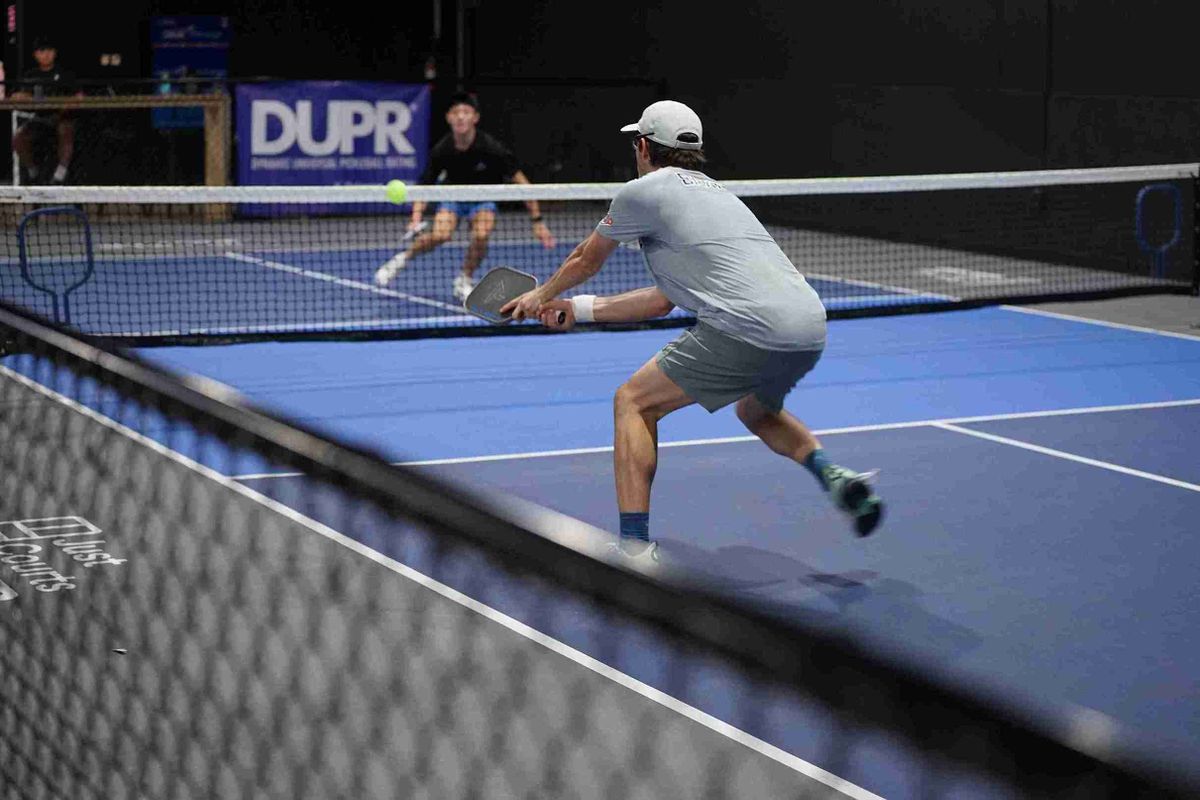
Can the Serve Hit the Net in Pickleball During a Tournament?
Yes. The rules are the same in recreational play, competitive club play, and sanctioned USA Pickleball tournaments.
If the serve clips the net and lands in the correct service box during tournament play, it's a valid serve and the rally continues.
Referees at sanctioned events will not call a let for a net serve.
If you're playing in your first tournament and you see a serve skim the tape and land in, don't stop. Keep playing. Stopping would actually cost you the rally.
This is part of why reading the official USA Pickleball rulebook before competing matters.
The rules aren't just about knowing what's legal: they're about knowing what's live.
A strong understanding of court rules and procedures separates players who compete confidently from those who second-guess every call.
Tournament play also includes rules around who calls lets. In most recreational play, players self-referee.
In sanctioned events, a referee is present. Either way, a net serve that lands in is never a let.
 The Dink Media Team
How Should You Respond to a Serve That Hits the Net?
Stay ready. That's the core answer. A net serve in pickleball creates a ball with reduced pace, unpredictable spin, and a bounce that often stays low.
Reacting to it with sound volley technique and soft hands usually wins the point.
Here's how to handle a net-clipping serve:
- Don't freeze. The rally is live the moment the ball clears the net, so your feet need to be moving.
- Let it bounce first. The two-bounce rule still applies. Get low and wait for it.
- Use a compact swing. A ball that dies near the kitchen doesn't need a big swing. Short, controlled contact wins here.
- Push it deep. A soft return that goes deep gives you time to get to the kitchen line. Aim for the baseline.
The return of serve is already one of the most important shots in pickleball. A net-clipping serve just adds a layer of difficulty.
Train for it, and you'll stop losing points on it.
And if your opponent has a serve that consistently clips the net and causes chaos? Don't complain. Study it. Let your paddle do the work and trust your positioning.
 The Dink Media Team
Key Takeaways
- In pickleball, there is no let rule for serves under current USA Pickleball official rules.
- If a serve clips the net and lands in the correct service box, play continues and it counts as a valid serve.
- The let rule was officially removed by USA Pickleball, making net serves live balls.
- A serve that hits the net and lands out of bounds or in the kitchen is still a fault.
- This is one of the most significant rule differences between pickleball and tennis.
Frequently Asked Questions
Can the serve hit the net in pickleball and still count?
Yes. Under current USA Pickleball rules, a serve that clips the net and lands in the correct service box is a valid, live serve. Play continues immediately. There is no replay or let called for a net serve in pickleball.
What is a let in pickleball?
A let in pickleball historically referred to a serve that touched the net before landing in the service box, requiring a replay. USA Pickleball eliminated the let rule for serves, meaning net serves are now live. The word "let" is still used informally, but it no longer triggers a replay under official rules.
What happens if the pickleball serve hits the net and lands in the kitchen?
That's a fault. The serve must land in the diagonal service box beyond the kitchen. If a net-clipping serve drops into the non-volley zone or on the kitchen line, the server loses the serve (or the rally, depending on scoring format).
Is the no-let serve rule used in all pickleball formats?
Yes. The rule applies across recreational play, club play, and USA Pickleball sanctioned tournaments. Whether you're playing singles or doubles, the no-let serve rule is the same: a net serve that lands in is live.
Does the two-bounce rule apply to a serve that clips the net?
Yes. Even if a serve clips the net and produces a weird, low bounce, the receiving team must still let it bounce before returning. The two-bounce rule applies to every serve, regardless of how it gets to the other side.
Love Pickleball? Join 100k+ readers for free weekly tips, news & gear deals.
Subscribe to The Dink