
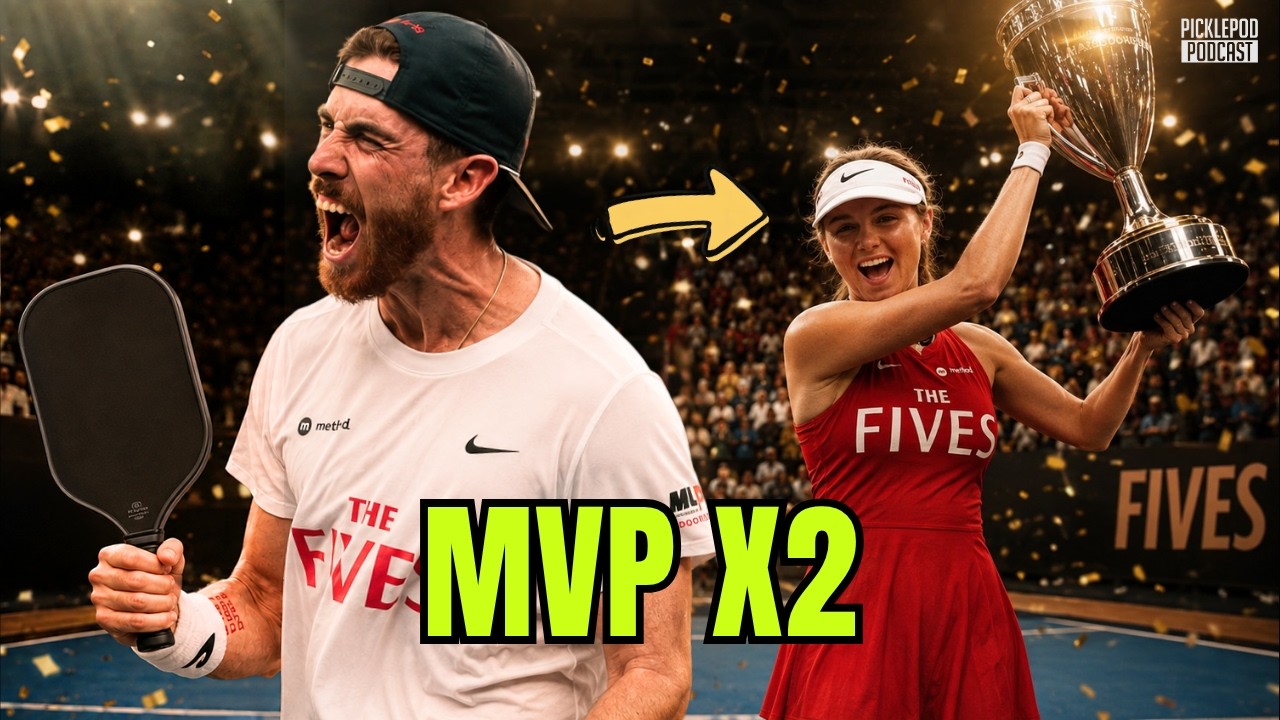
The MLP Finals at Central Park were electric, messy, and full of moments that exposed what actually separates championship teams from everyone else. Here are five things the weekend made crystal clear.
The MLP Finals at Central Park were not just the biggest pickleball event of the year.
They were a masterclass in what separates teams that win it all from teams that fall apart under pressure.
If you watched the semifinals and finals closely, you saw court drama, momentum swings, a game-ending fault call, and one player throwing his shoes into the crowd.
There was a lot to unpack.
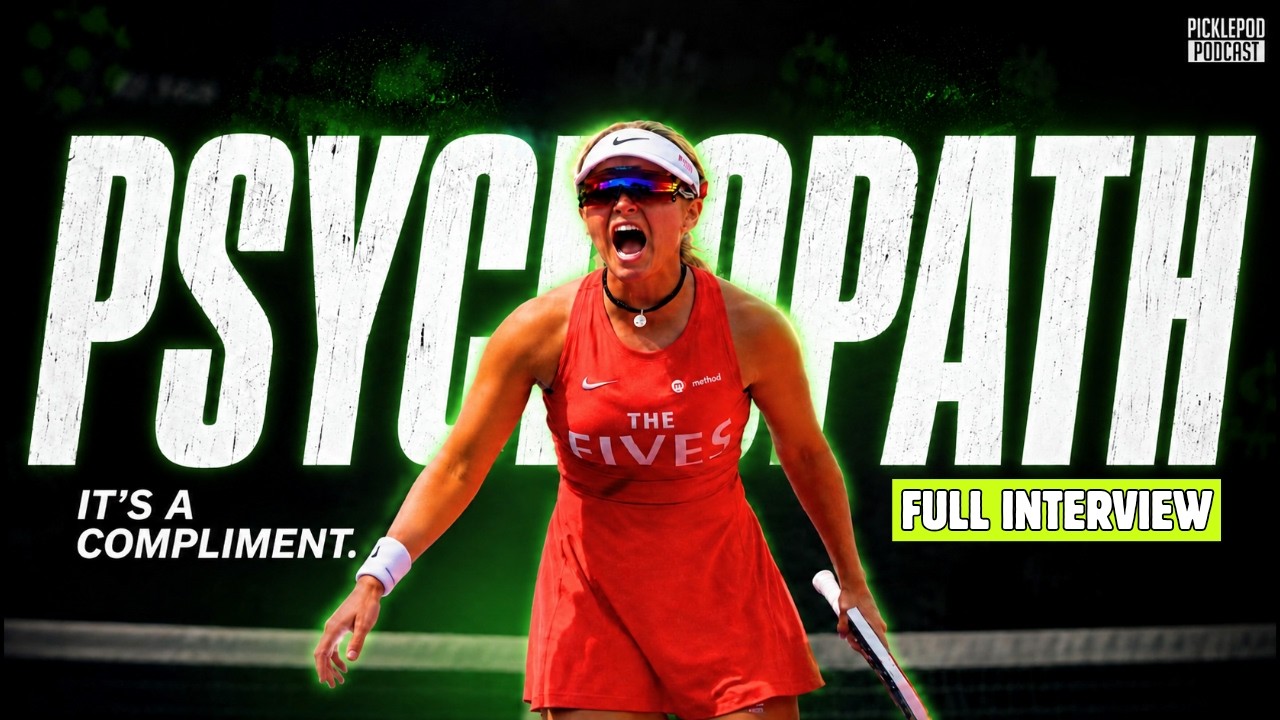
This breakdown comes from The PicklePod on YouTube, where Nico the Lefty and Zane Navratil broke down every matchup, every moment, and every thing that went wrong or spectacularly right across championship weekend.
Here is what you actually need to take away from it.
Love pickleball? Then you'll love our free newsletter. We send the latest news, tips, and highlights for free each week.
The New Jersey Fives Were Simply Built Different
The New Jersey Fives went 4-and-0 across the entire championship weekend.
They swept Brooklyn six games to zero in the semifinals, then closed out St. Louis in the finals.
Brooklyn came in as a darkhorse pick, and the logic made sense on paper.
What the Fives showed is that consistency across every lineup position beats volatility at the top, every single time.
Brooklyn was a hot and cold team all season. Championship weekends punish that.
When you need to win six matches across two days, one cold stretch is fatal.
The 2025 MLP champions in Columbus won the same way, and the Shock's run to the first MLP Cup followed the identical blueprint.
The lesson is not complicated. If you want to understand what the Fives did to win the MLP championship, start with their lineup depth, not their stars.
What Did the Men's Doubles Matches Actually Come Down To?
Christian Alshon and Riley Newman dug themselves massive holes early, went down 8-0 in back-to-back matches, then started clawing back. The final scores were closer than they looked.
The pattern was identical both times. Brooklyn targeted Riley, he popped dinks up, and those balls got punished.
Then Brooklyn shifted to targeting Will, got the better of those exchanges, and held on.
Here is what that tells you about high-level doubles. If your opponent is popping balls up, you stay on them until they prove they have fixed the problem.
You do not rotate targets early.
Learning how to escape dinking pressure is the same skill in reverse, and smart shot decisions beat power once you've found the weakness.
The Fault Call That Ended a Playoff Run
The most brutal moment of the MLP Finals happened in the Brooklyn versus New Jersey semifinal.
At 10-8, Riley Newman tried to call a timeout after a questionable ball.
The score had already been called. Under the current MLP rules, that is a fault.
Point awarded to New Jersey. Game over.
It is a letter of the law versus spirit of the game situation, and there is no clean answer. But the real consequence came next.
Brooklyn walked off visibly deflated. Rachel Rohrabacher came out with almost no energy for the following match, and the run was done.
Momentum is fragile. One call, one bad bounce, one lost point at 10-8 can collapse an entire team mentally.
Treat every point like it is recoverable, because the ones that end you are almost never the ones you expect.
The league's 2026 partnership with O-AI on automated line calls exists precisely because moments like this decide seasons.
- Never assume the rally is dead until the referee confirms it. Keep your paddle ready and your feet set.
- Establish a reset routine between points. Pros who survive bad calls have a six-second mental reset that breaks the emotional spiral.
- Talk to your partner immediately. Silence after a controversial moment compounds the damage, which is why staying calm under pressure is a partnership skill, not a solo one.
 The Dink Media Team
The Court Surface Problem Nobody Wants to Talk About
The rollout courts at Central Park were bad by Sunday. This is not a small thing.
Rain hit early in the event, water got under the surface, and the court was visibly rippling in places by the final day.
There was a moment in the men's doubles final at 10-6 where a match point ball essentially rolled instead of bouncing.
Gabe Tardio had a routine dink, and the court killed it.
That is a match-deciding moment shaped by an unplayable surface.
To be fair, the rollout courts have been significantly better in 2026 than last year. This felt like a step backward at the worst possible time.
The venue itself was fantastic, and Central Park's long-term pickleball future is secure.
But the surface issue is something MLP needs to fix before next season, especially with a 20-team format arriving and premium ticket prices attached.
 The Dink Media Team
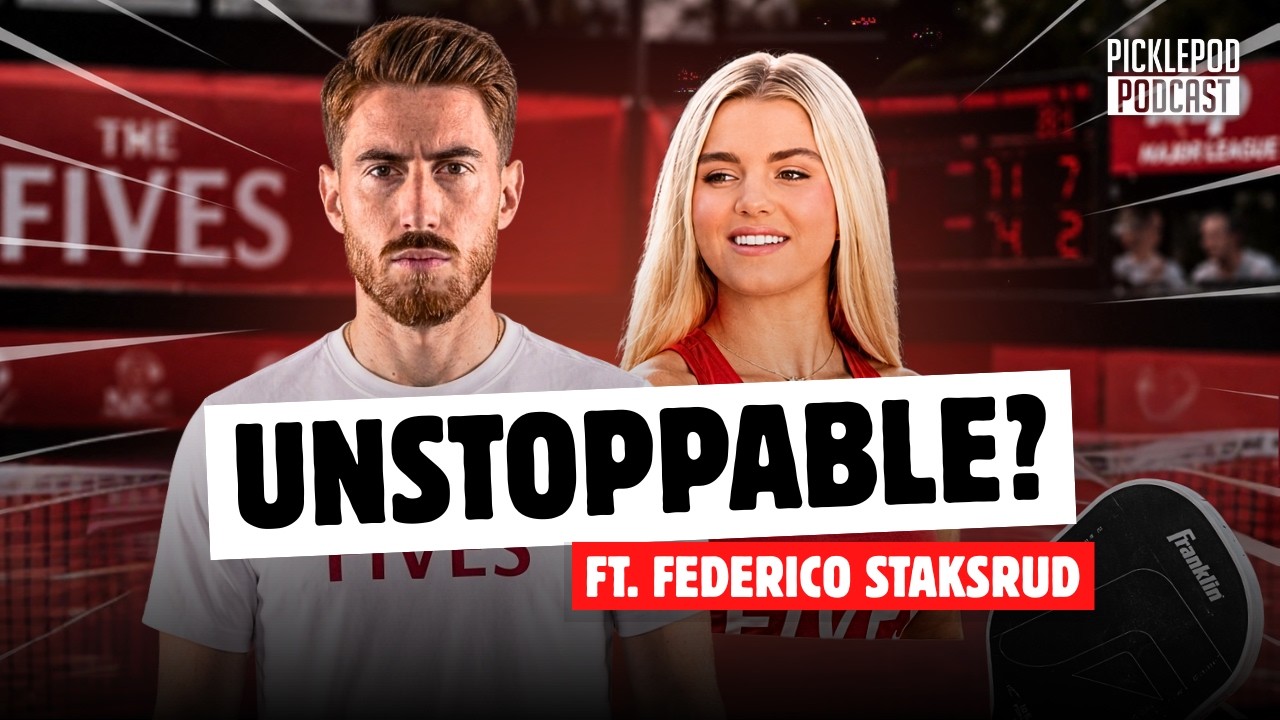
What Does Federico Staksrud's Celebration Tell You About Team Culture?
Federico Staksrud had been on the New Jersey Fives for about three and a half weeks before the championship.
He was not a long-tenured member of this group. He was a trade acquisition.
And he celebrated harder than anyone on the roster.
He threw one shoe naturally after a game win, and then when they clinched the whole thing, he hobbled on one foot trying to rip off the second shoe to throw into the crowd.
He was leading chants. He was doing all of it.
What does that tell you? It tells you that team culture is contagious, not built over years.
When ownership groups invest in the right players and the right environment, new additions buy in fast.
That is not an accident.
You can read more about what the Federico Staksrud trade meant for the New Jersey Fives and why that acquisition ended up being so important to the championship run.
- Ownership investment matters. The teams that reached the semifinals and finals all had ownership groups that were actively engaged in the experience.
- Player buy-in accelerates with winning culture. Staksrud was a new piece but became the loudest celebration in the building.
- The right trade at the right time changes everything. Three weeks on a team was enough to produce a championship contribution.
- Energy is a competitive advantage. The Fives played with visible excitement that wore on opponents across a long weekend.
 Thomas Shields
Was the Venue Big Enough? And Should They Rotate?
The attendance hit 4,200 people, and there was not a single extra spot available. VIP tickets for Sunday were selling on the secondary market for $1,500.
That number alone tells you the demand far exceeded the supply.
The honest question is whether Central Park is the right long-term home for the MLP Finals, or whether the sport needs a bigger venue to match the audience.
You could probably double the crowd size and still sell it out if you found the right space.
There is also a legitimate debate about home court advantage. The finals matchup between the Fives and Shock was played essentially in New Jersey's backyard.
That brings energy and fan support that road teams simply cannot replicate at the same volume.
For now, the argument for keeping it at Central Park is the iconic backdrop and the proven ability to generate atmosphere.
But the sport is going to outgrow that venue soon if it has not already.
The solution might be a rotating set of two or three premium venues rather than a permanent home.
You can also check the full schedule and streaming info for the 2026 MLP Finals if you missed any of the weekend's action and want to go back and watch the matches that mattered most.
 Erik Tice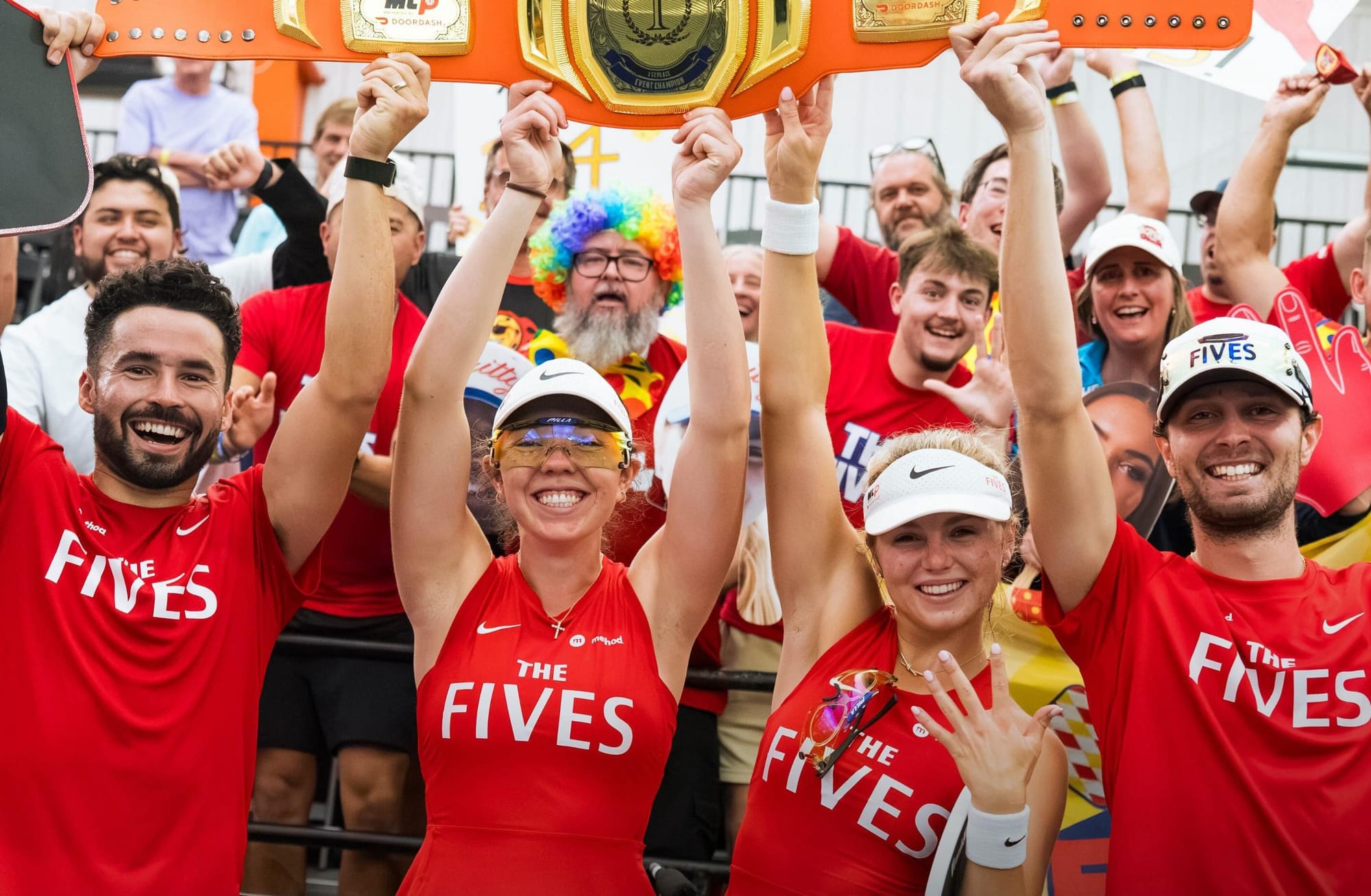
The Dallas Flash Deserved More Credit Than They Got
Dallas came in with roughly a 1% chance of winning the whole thing and got bounced by St. Louis in the semifinals.
They were still arguably the fourth best team in the league.
St. Louis won 3-1 in a fairly dominant match, but the Flash competed.
The boys doubles lineup dropped both matches to JW Johnson and Auggie, and that was the decisive factor.
The Flash have been building toward this since their undefeated stretch through Phoenix, and the 2026 MLP draft set that roster up.
Good ownership does not guarantee wins, but it puts players in position to compete when it counts.
 Erik Tice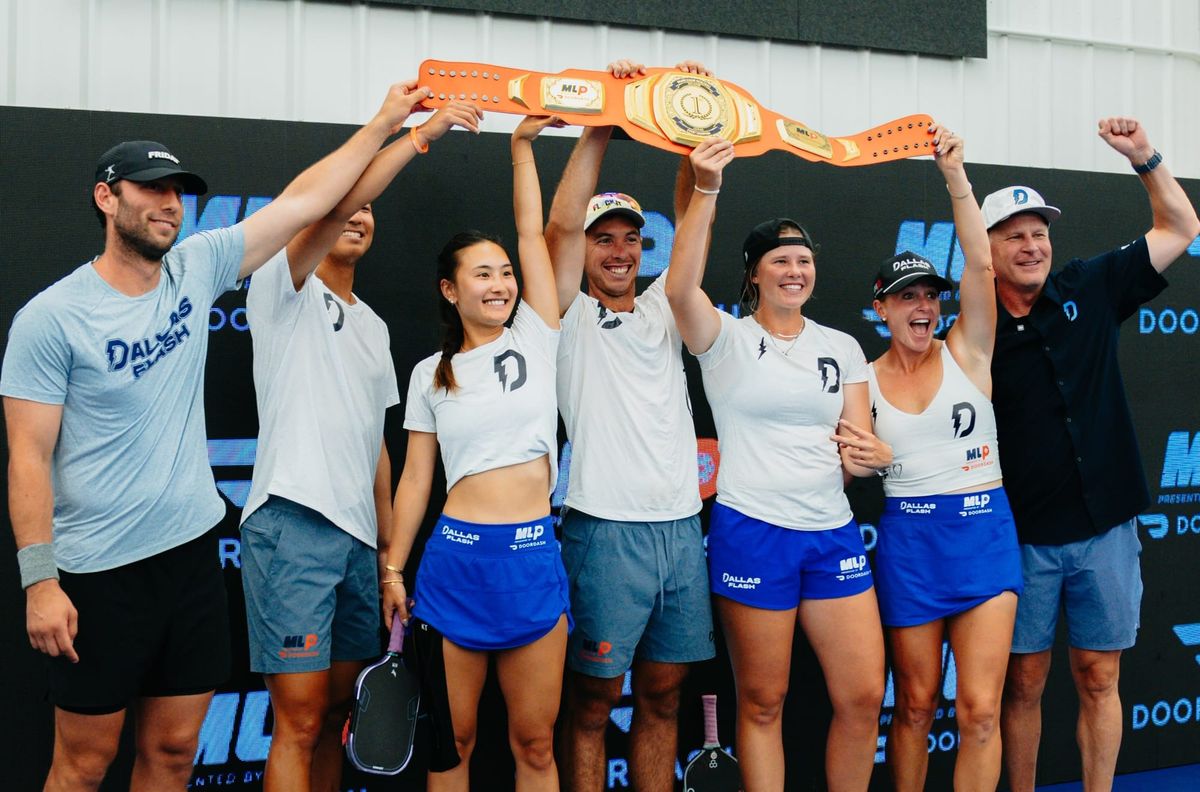
What the MLP Finals Tell You About Your Own Game
Every one of these lessons maps directly onto recreational and competitive play at any level. Consistency across all your shots beats one dominant weapon.
Mental composure after a bad call determines whether you win the next point or spiral through three more losses.
Court surface matters more than people admit.
When the ball does not bounce the way your body expects, your shot selection breaks down before you even process what happened.
That is worth practicing for specifically.
Learn to handle unpredictable bounces in warmups instead of treating them as flukes.
And culture, even at your local club level, is contagious.
If you play with people who are excited to compete and celebrate wins the right way, you are going to be a better player on the days that matter.
That is not soft advice.
It is what the MLP Finals proved over an entire championship weekend.
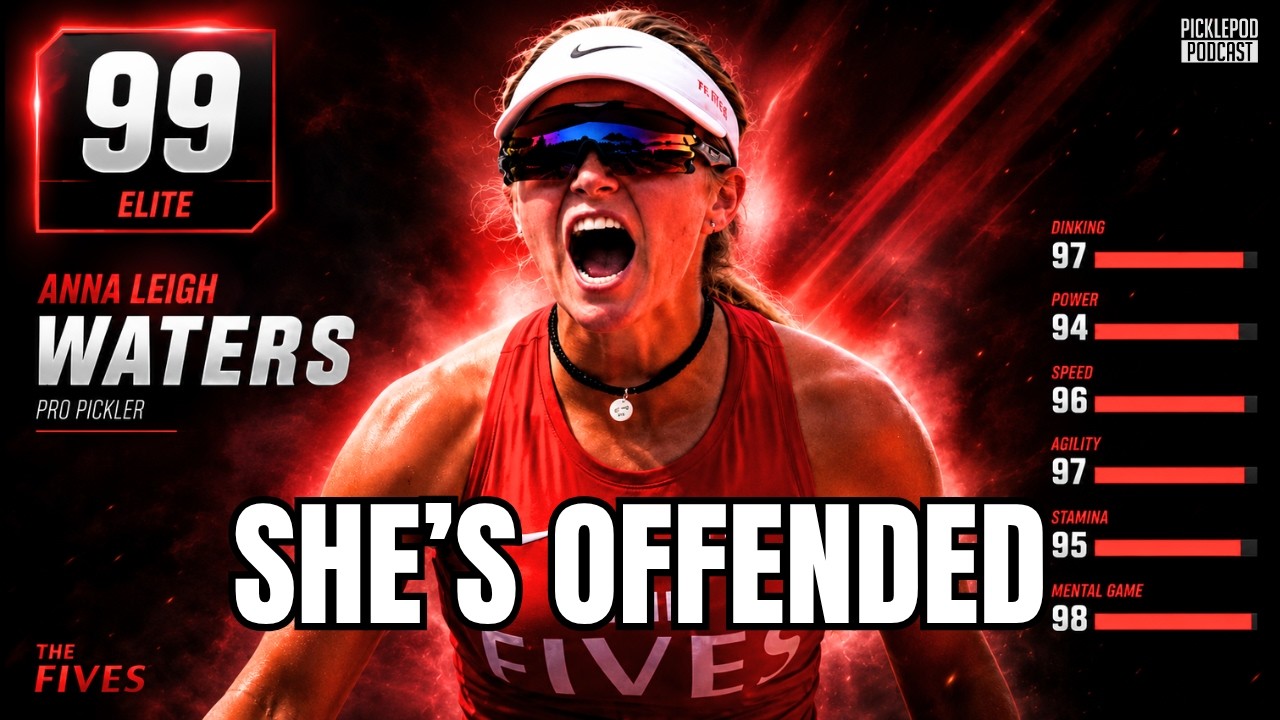
For a look at the broader recap of how Day 1 unfolded before the finals, read the MLP Finals Day 1 recap and the Day 2 recap featuring Anna Leigh Waters in a dreambreaker to get the full picture of what made this the most complete championship weekend pickleball has produced.
Frequently Asked Questions
Who won the 2026 MLP Championship?
The New Jersey Fives won the 2026 MLP Championship, going 4 and 0 across the entire finals weekend. They swept Brooklyn six games to zero in the semifinals before defeating the St. Louis Shock in the finals.
What happened with the Riley Newman fault call in the semifinals?
With Brooklyn trailing and trying to challenge or pause play, Riley Newman called a timeout after the score had already been called by the referee. Under the rules, that is a fault, and the point was awarded to New Jersey, ending the game. It was a letter of the law ruling that visibly deflated the Brooklyn team heading into the next match.
How bad were the courts at the MLP Finals?
The rollout courts at Central Park were affected by rain early in the event, which caused water to get underneath the surface. By Sunday, the court had visible ridges and uneven spots that directly affected key points, including a match point ball at 10-6 in the men's doubles final that essentially rolled instead of bouncing normally.
How many people attended the MLP Finals at Central Park?
Attendance hit 4,200 people across the championship weekend, with every available spot filled. Sunday VIP tickets were selling on the secondary market for up to $1,500, suggesting the demand for seats significantly outpaced the venue's capacity.
Why did Federico Staksrud stand out at the MLP Finals celebration?
Federico Staksrud had only been on the New Jersey Fives for about three and a half weeks before the championship. Despite being a recent addition, he led the team in post-match chants, threw both of his shoes into the crowd after the championship win, and became the most visibly enthusiastic celebrant of the entire weekend.
Love Pickleball? Join 100k+ readers for free weekly tips, news & gear deals.
Subscribe to The Dink