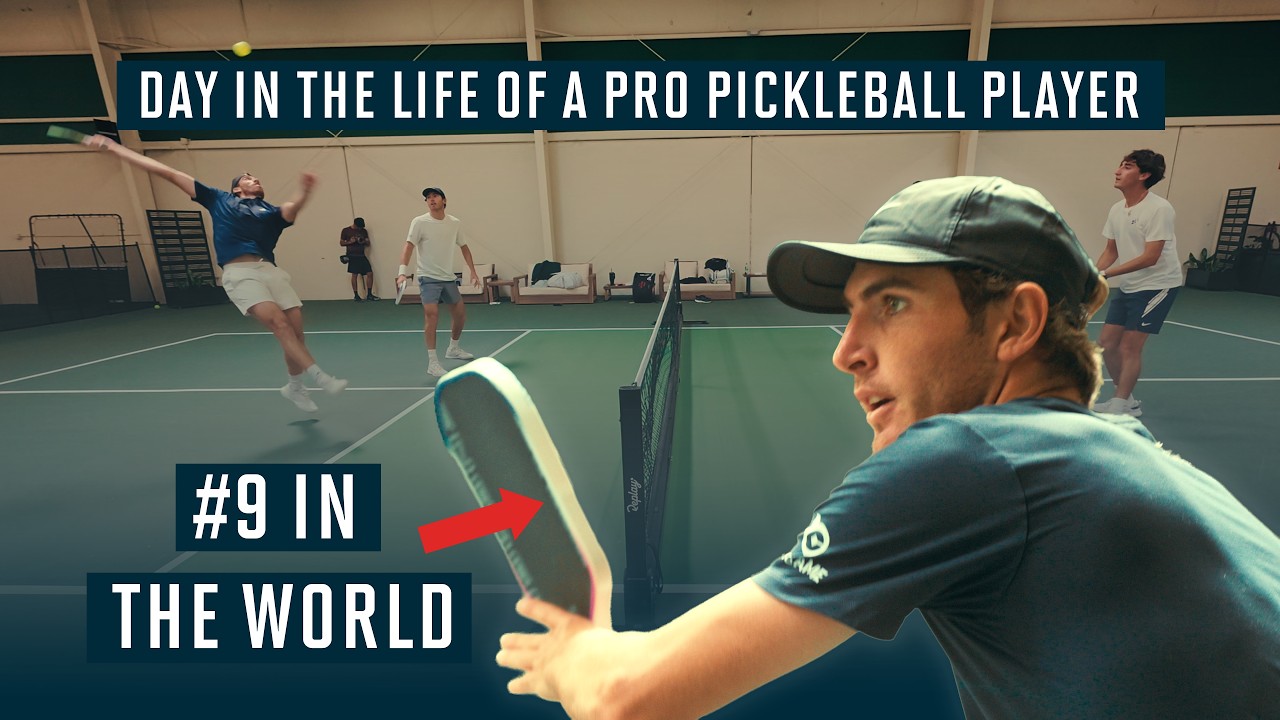
How Pro Eric Oncins Preps for Pickleball Tournaments: 5 Key Habits
Eric Oncins has a specific approach to pickleball tournament preparation that goes far beyond hitting balls. Here are five habits from his routine you can actually use.
Most players think pickleball tournament preparation means hitting more balls the week before an event. That is not how the pros do it.
Eric Oncins, one of the sharpest competitors on the pro tour, runs a prep routine built around explosive movement, physical recovery, close training partnerships, and one very clear mental standard.
It is specific, repeatable, and worth paying close attention to.
This breakdown pulls directly from behind-the-scenes footage shared by Texas Ranchers Pickleball on YouTube, giving a real look at how Oncins gets ready to compete at the highest level.
Love pickleball? Then you'll love our free newsletter. We send the latest news, tips, and highlights for free each week.
Why Most Players Get Tournament Prep Wrong
The biggest mistake recreational players make before a tournament is cramming in extra court time and ignoring everything else.
Oncins flips that thinking entirely.
His pickleball tournament preparation covers four distinct areas: movement-based fitness training, targeted physical therapy, training partner relationships, and mental identity.
Each one feeds the others.
If you are serious about competing, even at a local club tournament, understanding how a pro structures these pieces will change what you prioritize in the weeks leading up to an event.
And if you are making common errors in how you prepare, these are the tournament preparation mistakes you need to stop now.
Habit 1: Train Movement, Not Just Muscle
Eric Oncins grew up in Brazil, where the training culture emphasized explosive, reactive athleticism over traditional weight room work.
That background shapes everything about how he conditions his body for pickleball.
He focuses on what he calls the "twitch" side of fitness. Quick bursts, change of direction, reactive footwork.
These are the physical qualities that actually translate to winning points on a pickleball court.
Heavy lifting has its place, but for pickleball, the ability to react and recover quickly matters far more than raw strength.
 Connor Derrickson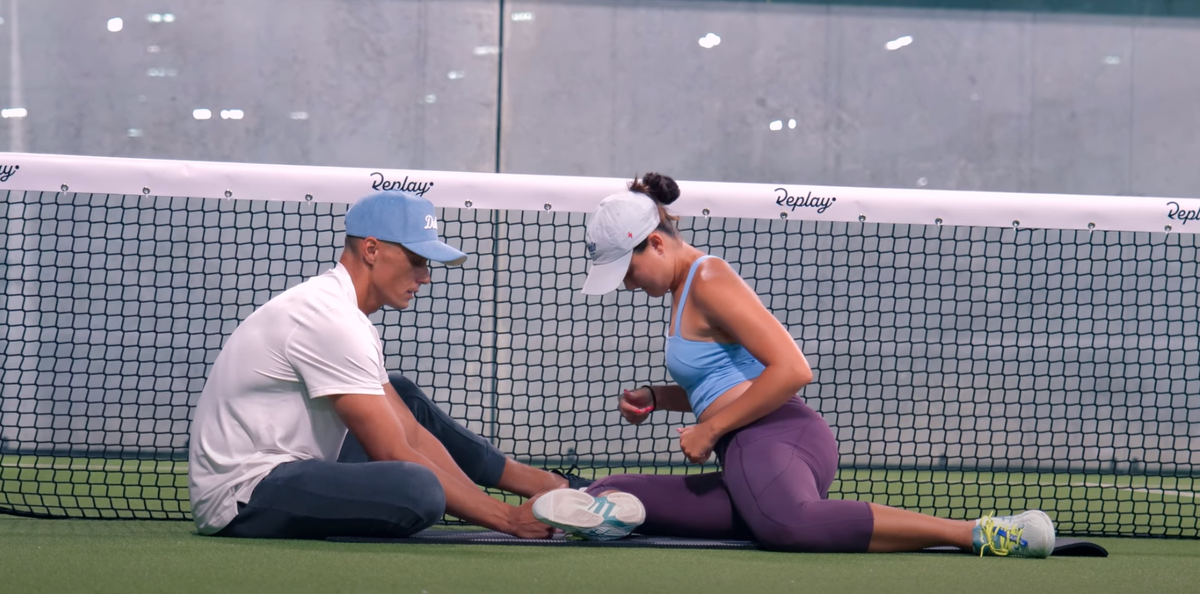
These drills build both fitness and on-court sharpness at the same time, which is exactly what strong pickleball training should do.
Here is what Oncins prioritizes in his movement training:
- Explosive lateral shuffles that mirror real court movement patterns
- Core-focused exercises that build rotational power for drives and resets
- Reaction-based drills rather than slow, controlled strength sets
- Low-impact conditioning that protects joints over a long competitive season
The key principle is that every rep should look and feel like something that happens in a real match.
If your training does not connect to actual court movement, it is probably not helping you compete better.
Does Physical Therapy Actually Make You a Better Pickleball Player?
Yes, and Oncins is direct about this. He uses a physio in Boca Raton named Kim specifically for dry needling, and he jokes that he pays her to torture him.
Dry needling works by inserting thin needles into tight or overworked muscle tissue.
When the needle hits a trigger point, the muscle twitches involuntarily. Oncins hates the feeling.
He does it anyway, because it is the only thing that reaches the deep muscle layers that hands and foam rollers cannot get to.
This is not a luxury add-on for pros. It is a strategic tool for staying healthy across a long season.
A body that moves well and recovers fast is a competitive advantage, full stop.
His logic is simple: without a healthy body, he cannot compete. And he wants to compete for as long as possible.
Understanding pickleball injuries and how to prevent them is just as important for recreational players as it is for pros.
If you are not doing some form of targeted recovery work before tournaments, you are leaving performance on the table.
That does not mean you need dry needling. It means you need a plan for keeping your body ready.
 The Dink Media Team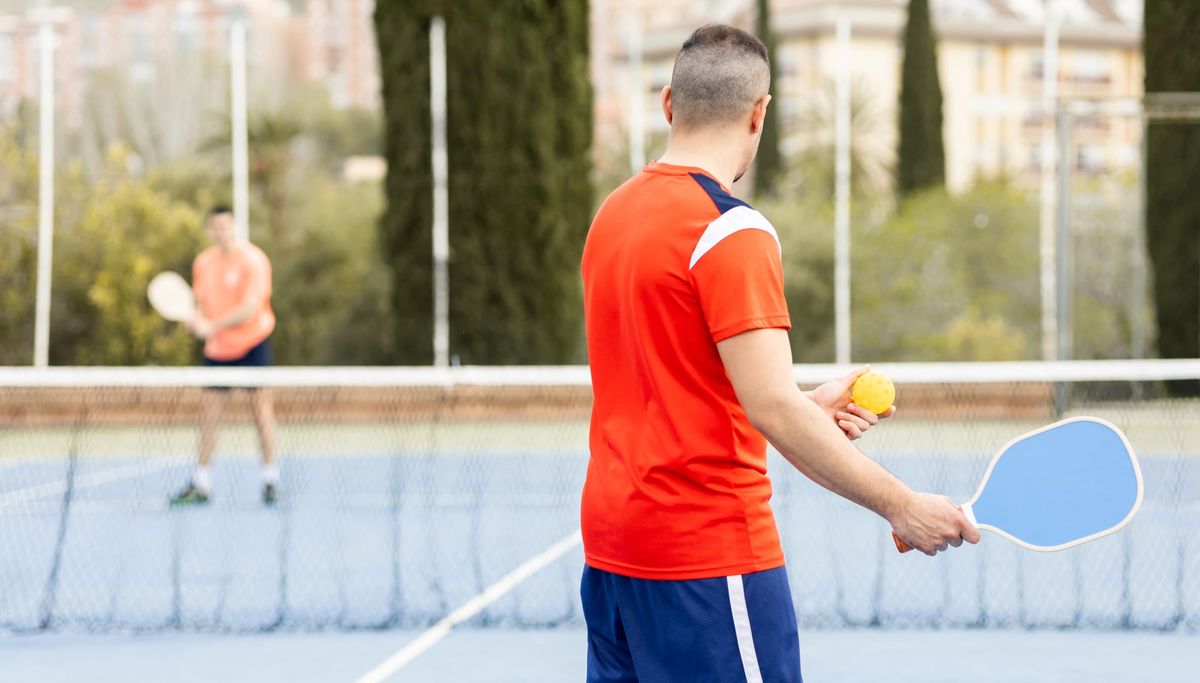
Habit 2: Use Your Training Partners as Competitors and Collaborators
Oncins trains closely with Pablo Tellez, and their dynamic is worth paying attention to.
They compete against each other hard. They also actively try to make each other better.
That combination is rare, and it is one of the most powerful things you can build into your own pickleball tournament preparation.
Most players either sandbag during practice to protect their ego, or they go so hard they stop communicating what is working.
The Oncins and Tellez approach is different. Every session has real competitive intensity, and both players are invested in the other's improvement.
That creates a feedback loop that you simply cannot get from drilling alone.
Here is how to build a similar dynamic with your own practice partners:
- Play competitive games during every session, not just drills
- Talk openly about what is beating you and what is working
- Give honest feedback, even when it is uncomfortable
- Treat your partner's improvement as part of your own preparation
- Rotate partners so you are not just learning one person's tendencies
The best practice environment is one where everyone is raising each other's floor.
These are the drills a PPA pro still runs every practice, and they work precisely because they are built around real competitive reps.
 The Dink Media Team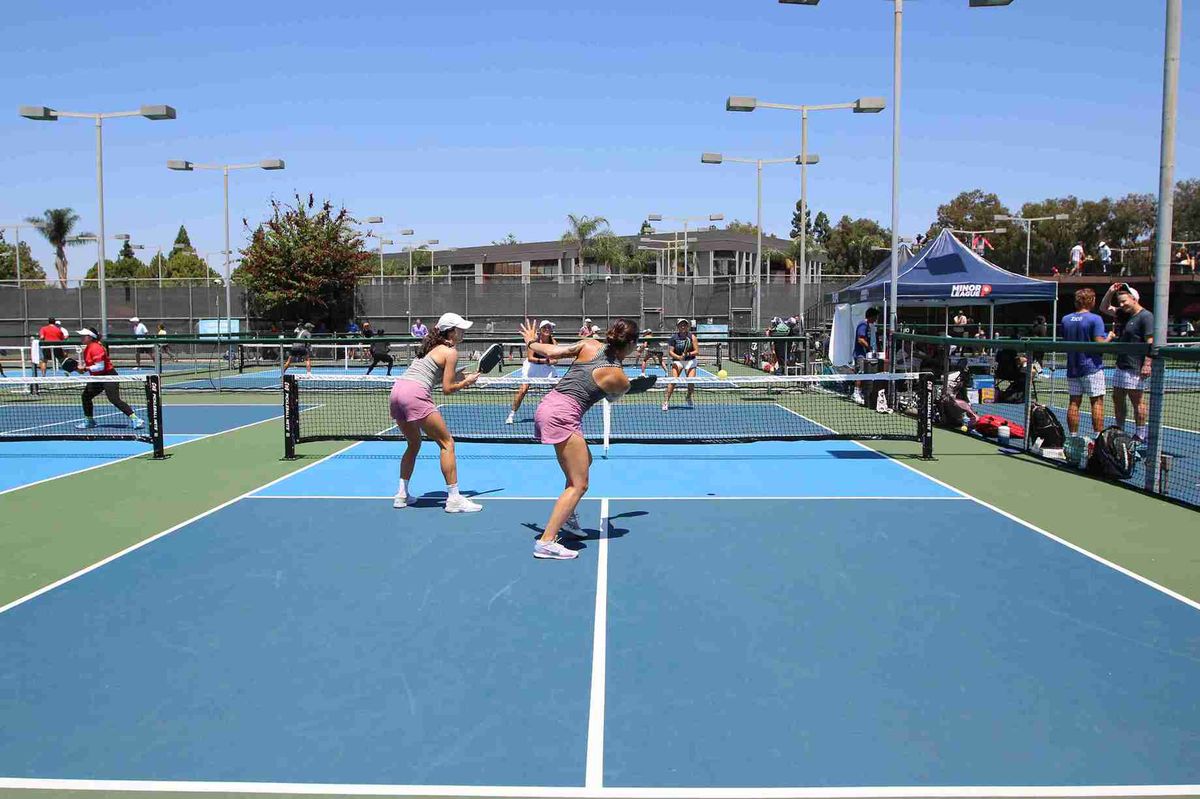
What Does It Mean to "Not Have Regrets" in Pickleball?
Oncins said something in this footage that most recreational players overlook. He talked about his tennis career and feeling like he did not give it everything he had.
He felt he had more potential than he ever reached.
He made a decision that pickleball would be different. His standard is not "I want to be number one."
His standard is, "I want to be the best Eric I could have been."
That is a meaningful distinction. If you play every match with a fixed outcome as your goal, you will tighten up under pressure.
If you play to be the best version of yourself that day, you stay present and loose.
That mental approach is what allows Oncins to step on the court with energy and enjoyment even in high-stakes moments.
This connects directly to something many competitive players struggle with: the mindset shift that stops you from hitting out balls under pressure is often rooted in playing for process rather than outcome.
 The Dink Media Team
Habit 3: Build a Clear On-Court Identity
Oncins described exactly what he wants people to see when he walks on the court. An energetic guy. Light on his feet.
Someone who likes to have fun. That is not an accident. That is a deliberate identity he has constructed and reinforced.
Your on-court identity affects how you play. If you see yourself as someone who grinds out wins through defense, you will default to that under pressure.
If you see yourself as aggressive and energetic, you will attack more consistently when the moment calls for it.
The players who struggle most in tournaments are the ones with no clear sense of who they are on the court.
They play reactively to whatever is happening instead of imposing their own game.
Building that identity starts in practice, not in matches.
These habits show your level the moment you step on the court, and most of them come from the pickleball tournament preparation you do long before tournament day.
 Alex E. Weaver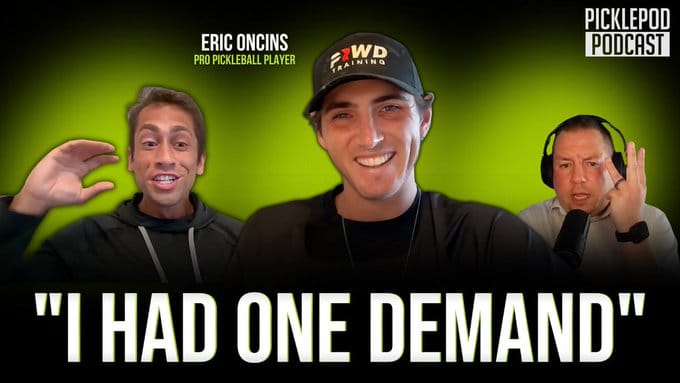
Habit 4: Approach Team Competition With Championship Belief
Oncins plays for the Texas Ranchers in Major League Pickleball, and he spoke about being in his second year with the team.
His belief in their championship potential was not vague optimism. It was specific and grounded.
He said the Ranchers have everything they need to win. The work is on the players to deliver.
That framing puts accountability exactly where it belongs, on the people in the matches, not on circumstances.
For recreational players in team formats or doubles partnerships, this same principle applies.
Believing your team has what it takes is not arrogance. It is a prerequisite for playing your best when the pressure is highest.
The mental toll of high-pressure MLP play is real, and players who survive it are almost always the ones who have done the pickleball tournament preparation work that earns their own confidence.
 The Dink Media Team
Habit 5: Know What You Are Training For and Why
Every element of Oncins's routine connects back to one goal: staying healthy and competitive for as long as possible, with no regrets.
That clarity makes the hard sessions easier to get through.
Most recreational players train without a clear "why." They hit balls because it is fun, which is completely valid.
But when pickleball tournament preparation time comes around, they do not know what to prioritize.
The Pickleball Tournament Preparation Questions to Answer First
Here is a simple framework to think about your own pickleball training:
- What physical quality do you need most right now? Speed, endurance, or strength?
- What part of your game breaks down first under tournament pressure?
- Are you doing any recovery work, or just adding more court time?
- Do you have a training partner who pushes you honestly?
- What is your on-court identity, and does your practice reflect it?
Answering these questions before your next tournament will do more for your performance than any extra hour of drilling.
These three tournament tips specifically target the unforced errors that cost you matches when preparation is incomplete.
 The Dink Media Team
How to Apply This to Your Next Tournament
You do not need to be a pro to use Oncins's framework. The principles are the same at every level of the game.
Start two weeks before your next event. Add one movement-focused session per week that emphasizes quickness over strength.
Find one honest training partner and compete hard against them.
Do at least one recovery session, whether that is stretching, a massage, or something more targeted. And get clear on who you are when you step on the court.
The gap between recreational players and pros is not just skill. It is the consistency and intentionality of preparation.
These are the warm-up drills top pros never skip, and they are a perfect starting point for building a more intentional pre-match routine and sharper tournament skills.
Oncins made a promise to himself that he will leave pickleball with no regrets. You can make a smaller version of that same promise before your next local event.
Playing in a state of flow is not something that happens by accident. It is what good pickleball tournament preparation makes possible.
The players who perform best under pressure are almost never the most talented. They are the most prepared.
Build a routine that reflects that, and the results will follow.
This three-step formula for winning more is a strong next step once your preparation foundation is in place.
Frequently Asked Questions
What does Eric Oncins focus on in his tournament preparation?
Eric Oncins focuses on explosive movement training, dry needling for recovery, competitive training sessions with close partners like Pablo Tellez, and a clear mental identity on the court. His preparation is built around staying healthy and playing with no regrets, not just adding court time.
What is dry needling and why do pro pickleball players use it?
Dry needling is a physical therapy technique where thin needles are inserted into tight muscle tissue to release tension in deep muscles that other recovery methods cannot reach. Oncins uses it specifically because it targets muscle groups that hands and foam rollers cannot loosen. It causes an involuntary muscle twitch, which he dislikes but credits as the most effective recovery tool he uses.
How important is a training partner for pickleball tournament prep?
A competitive and communicative training partner is one of the most underrated elements of good tournament preparation. Oncins and Pablo Tellez compete hard against each other while actively helping each other improve. That combination of competition and collaboration creates faster development than solo drilling.
How should recreational players structure their tournament preparation?
Start two weeks out by adding movement-based fitness work, locking in at least one honest training partner, and building in a recovery session each week. Get clear on what part of your game breaks under pressure and target that specifically in practice. Preparation with a clear purpose beats random extra court time every time.
What is the right mindset for pickleball tournament play?
Oncins's mindset is to be the best version of himself on any given day, not to fixate on rankings or outcomes. That process-focused approach keeps him energetic and present rather than tight and result-driven. Playing for your identity on the court, rather than a scoreboard, consistently produces better performance under pressure.
Love Pickleball? Join 100k+ readers for free weekly tips, news & gear deals.
Subscribe to The Dink