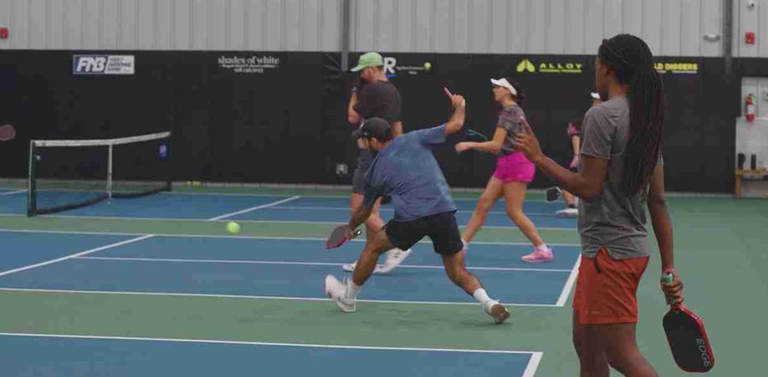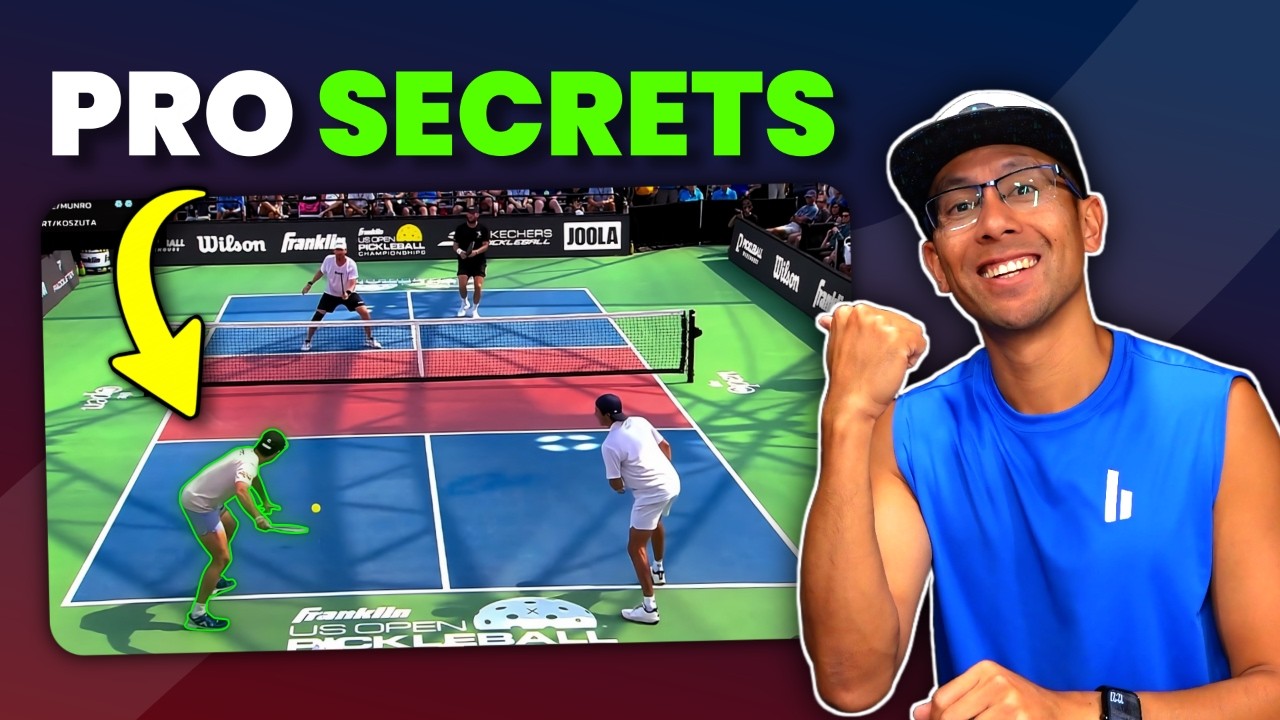
The 2026 US Open gold medal match is a masterclass in pickleball pro secrets most players never notice. Here are five things the best in the world do that you can start copying today.
You watch pro pickleball and think you understand what's happening. Then you play your next match and nothing transfers.
That gap between watching and doing usually comes down to the same problem: you're watching the wrong things.
Most recreational players watch the aggressive attacks and the highlight-reel flicks.
The pros are actually winning with decisions made three shots earlier, footwork that starts before the ball even clears the net, and resets that look boring but are completely controlling the point.
The breakdown below pulls directly from three points in the 2026 US Open gold medal match. This analysis comes from Briones Pickleball Breakdown on YouTube, and every observation connects to something you can apply in your next game.
Love pickleball? Then you'll love our free newsletter. We send the latest news, tips, and highlights for free each week.
The Serve and Return Are Not Boring. They're Everything.
The first thing that stands out across all three points is how rarely the pros miss their serve or return.
That sounds obvious until you realize most recreational players treat these two shots as throwaways.
At the pro level, a deep return with topspin and loft is not passive. It buys time, forces a harder pickleball third shot, and makes stacking transitions easier.
When Kyle returns deep with pace and height, Richard and Jack get less time and less angle to work with.
A weak, short return is the most common way recreational players hand over free third-shot attacks.
If you aren't practicing your serve and return with purpose, you're giving away points before the rally starts.
This breakdown of your serve covers exactly where most players go wrong, and the five shots you need to break 5.0 start in the same place.
Why Do Pros Set Up Their Drive So Early?
Watch Richard as the return comes back to him.
Before most players would even start thinking about their third shot, Richard is already turning his shoulders and loading into his unit turn.
This early preparation does two things. It creates separation and space for a full, controlled swing.
It also gives him time to read where he wants to place the ball instead of just reacting to it.
The unit turn is not a power move. It is a timing move.
Players who skip it end up arm-swinging, which produces inconsistent drives and puts them off balance heading into their fifth shot.
Here is what the pros do on the third shot drive sequence:
- Shoulders turn early, creating separation before the ball arrives
- Drive is hit with intention but not reckless pace
- Player immediately resets into a split step rather than crashing forward
- Fifth shot is a high-margin lift designed to bounce and allow transition to the kitchen
That fifth shot lift looks passive. It is not. It is the bridge that gets you to the kitchen line without getting picked off in no man's land.
Understanding the split step timing in pickleball is one of the fastest ways to stop giving free attacks to opponents while you are transitioning.
The Neutralizing Dink Most Players Never Think to Hit
Here is a moment most players miss entirely. Richard receives a ball from a low position near the kitchen.
A lot of recreational players would try to attack that ball anyway, hoping for a winner.
Richard takes a volley dink instead and places it safely into the kitchen. No attack. No roll. Just a controlled dink that forces the opponent to hit upward.
This is one of the clearest signals of a high-level player: they know when not to attack.
Attacking from a low position against opponents who are balanced and ready puts you at a serious disadvantage.
The smart play is to reset, neutralize, and wait for a better ball.
This connects directly to pickleball IQ and how the smartest players read situations before they swing.
Making one fewer bad attack per game has a bigger impact on your score than you think.
 The Dink Media Team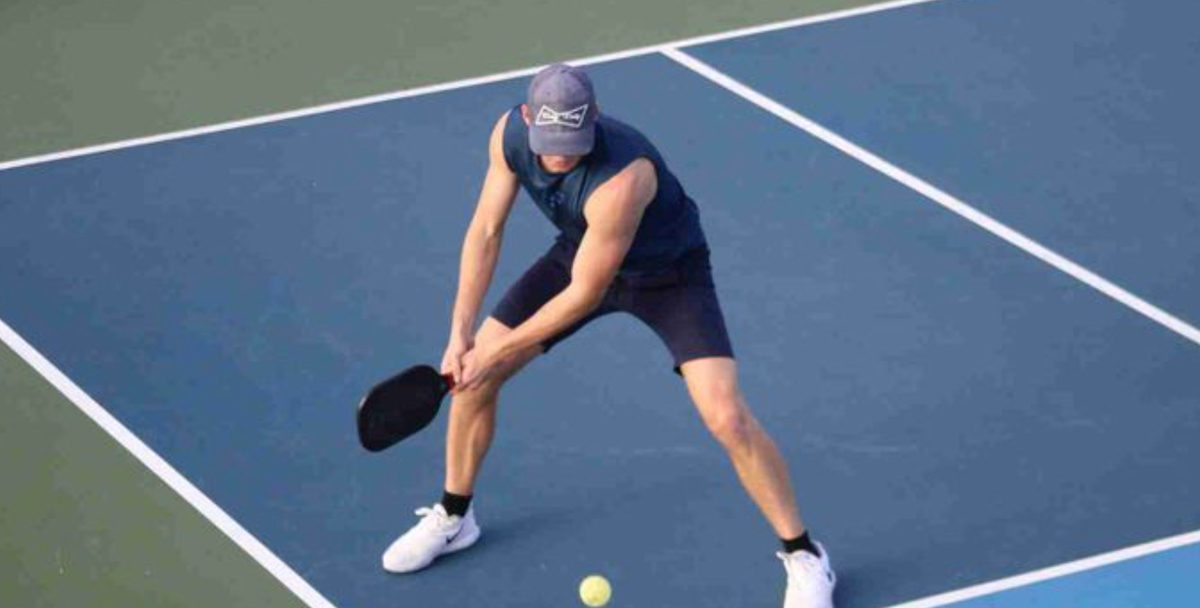
Reading the Flick: What the Pros See That You Don't
The backhand flick is one of the most talked-about weapons in the modern game. But how pros defend it is just as important as how they hit it.
When Richard leans in for a flick from a low position, Kyle is already reading the situation.
A flick from low generally travels cross court or through the middle.
Going down the line from that angle requires significantly more wrist and is much lower percentage. Kyle knows this, so he shades middle and gets the ball down.
Ryler shows another key pro read in the second point. He sees that Kyle's reset did not stay quite low enough, so he takes a step back and drops his paddle.
He is not panicking.
He is simply reading the ball height and adjusting his body position before the ball arrives.
That anticipation does not come from athleticism. It comes from pattern recognition built through repetition and study.
Here is what separates pro-level flick defense from recreational defense:
- Pros read the position of the opponent's body before the ball leaves the paddle
- They cover middle and cross court when a flick comes from low
- They retreat and lower the paddle when a ball is coming in high with pace
- They return to a compact ready position (near belly button) within milliseconds of each shot
If you want to build a sharper flick of your own, this breakdown of the flick mechanics covers the step most players skip entirely.
 The Dink Media Team
What Does "Drive and Stabilize" Actually Mean?
Drive and stabilize means you hit your drive and immediately set your feet instead of rushing toward the kitchen line.
Richard and Jack do this consistently across all three points.
When Ryler drives from deep behind the baseline in the third point, he doesn't take a step toward the net after contact.
He stays back, lets Jack volley deep, then drops his fifth cleanly from a stable position.
That stability is the difference between a clean drop and a pop-up.
The mistake recreational players make is charging forward before knowing where the ball is going.
That momentum leaves you in an awkward in-between spot where you can't volley cleanly and can't let the ball bounce without scrambling.
Setting your feet gives you options: a clean fifth shot drop, or an adjustment if the opponent volleys aggressively.
Read why the third shot drive matters more than ever, and how it fits the four-step system for winning more games.
Worth noting: the non-volley zone rules governing all of this changed again for 2026, and the official USA Pickleball rulebook is the only source that settles kitchen faults.
We broke down the seven new USAP rules for 2026 if you haven't caught up.
 The Dink Media Team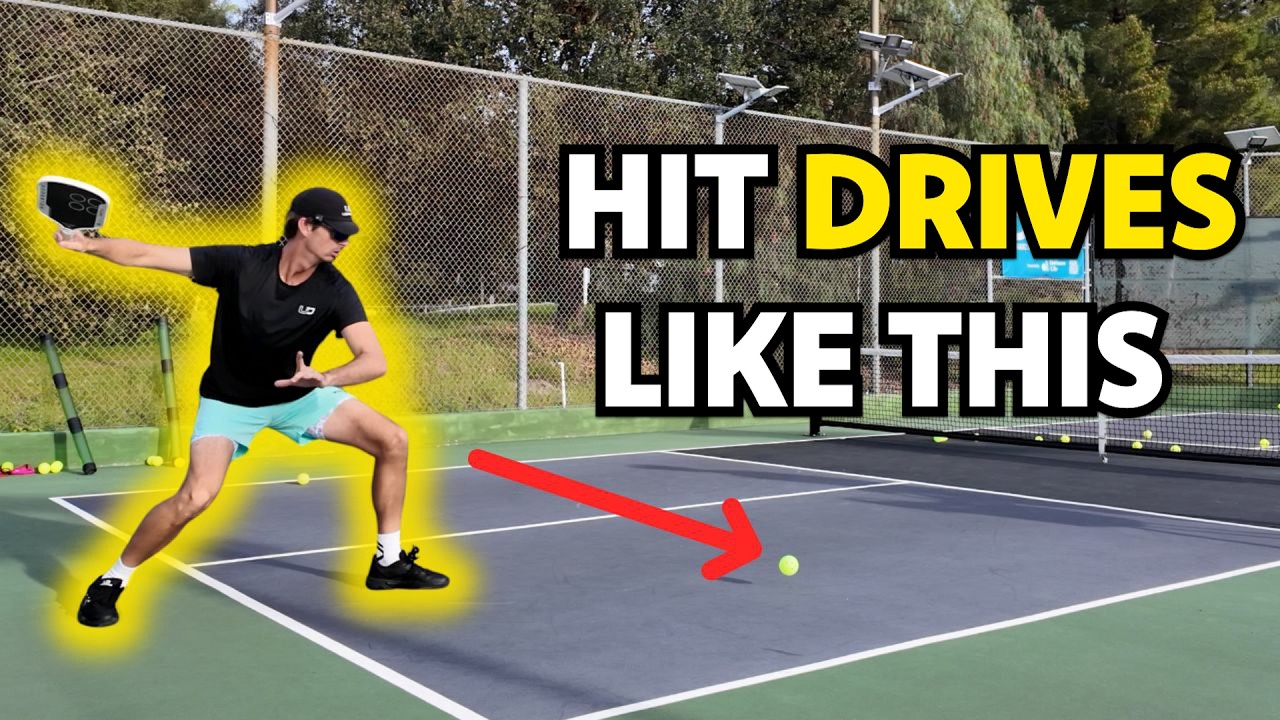
Footwork at the Kitchen Line: Creating Space Before You Need It
This detail separates 4.5 players from 5.0 players more than almost anything else.
Pros create space early when they know a ball is coming to their two-handed backhand or requires topspin off the bounce.
They aren't waiting for the ball and then shuffling. They read flight and move before contact.
Jack uses a modified shuffle step repeatedly to force half volleys and reset the dinking exchange on his own terms.
Richard uses an angle shuffle that lets him set up a two-handed topspin shot from a grounded position rather than a jammed one.
This kind of movement is learned, not instinctual.
Lateral pickleball footwork training built for the kitchen area will do more for your game than any dinking drill done standing still.
With participation still climbing according to the SFIA's annual participation research, the skill gap at 4.0 and above is widening fast.
The players closing it are the ones treating movement as advanced pickleball strategy, not warmup.
 The Dink Media Team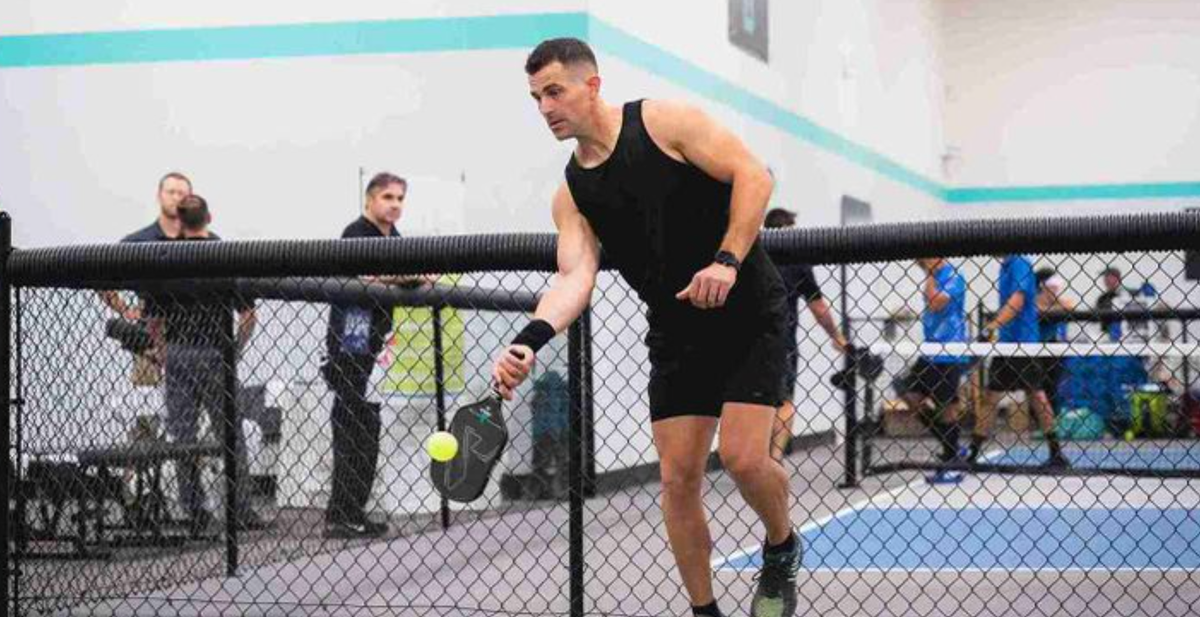
Winning Firefights: The First Ball Down Wins
Every firefight in this match ends the same way. The first player to get the ball truly low wins the exchange.
Short, compact volleys are faster and more accurate than big follow-throughs.
Watch Kyle return to his ready position, paddle near the belly button, protecting his body and dominant side within milliseconds of each volley.
That ready position isn't aesthetic. It's functional. It lets him counter without wasted motion.
Big follow-throughs during speed-up exchanges look powerful but leave you exposed. The pros aren't swinging for pace here.
They're redirecting with placement, keeping the ball low, and waiting for one that sits up.
As soon as a ball rises a few inches, the compact player puts it down while the big swinger is still recovering.
Study this through resetting speed-ups, and if your kitchen game breaks down on counters, fixing the pop-up is the fastest place to start.
If your drops are feeding those firefights, third shot drop placement fixes will tighten the shots that set the whole point up.
The best players in the world aren't playing harder. They're playing with more precision, more patience, and more awareness of when not to swing.
Those are all trainable. Every trend in our 26 pro predictions for 2026 points the same direction, and the biggest stories of 2025 show how quickly the pro game rewards it.
Frequently Asked Questions
What is the most important shot to practice in pickleball?
The serve and return are the two most underrated shots at every level. Pro players almost never miss either one, which means the point starts on their terms every time. If you are drilling only your dinks and drops, you are skipping the shots that set the entire rally up.
When should I attack a dink instead of resetting?
Attack when the ball is at or above your strike zone and your opponent is not in a strong ready position. Attacking from below the net tape or from a low body position, as Richard chose not to do during the gold medal match, gives your opponent an easy counter. Patience at the kitchen line is not passive play.
It is strategic play.
What does "drive and stabilize" mean in pickleball?
Drive and stabilize means you hit your third shot drive and immediately set your feet rather than rushing toward the kitchen. This gives you a stable base for your fifth shot drop instead of trying to hit on the move. Most recreational players rush in after a drive and end up scrambling at an awkward mid-court position.
How do pros defend the backhand flick so well?
Pros read body position before the paddle even makes contact. A flick coming from a low position almost always travels cross court or through the middle, so the opponent shades that direction rather than covering the line. That pre-read, built through pattern recognition, is why pros get to balls that look impossible for recreational players.
Why do pro pickleball players keep their paddle near their belly button during firefights?
The ready position near the belly button protects both the body and the dominant side simultaneously. It also shortens the swing path so counters are faster and more accurate. A bigger, wider ready position creates reaction time gaps that opponents at the pro level will absolutely exploit.
Love Pickleball? Join 100k+ readers for free weekly tips, news & gear deals.
Subscribe to The Dink