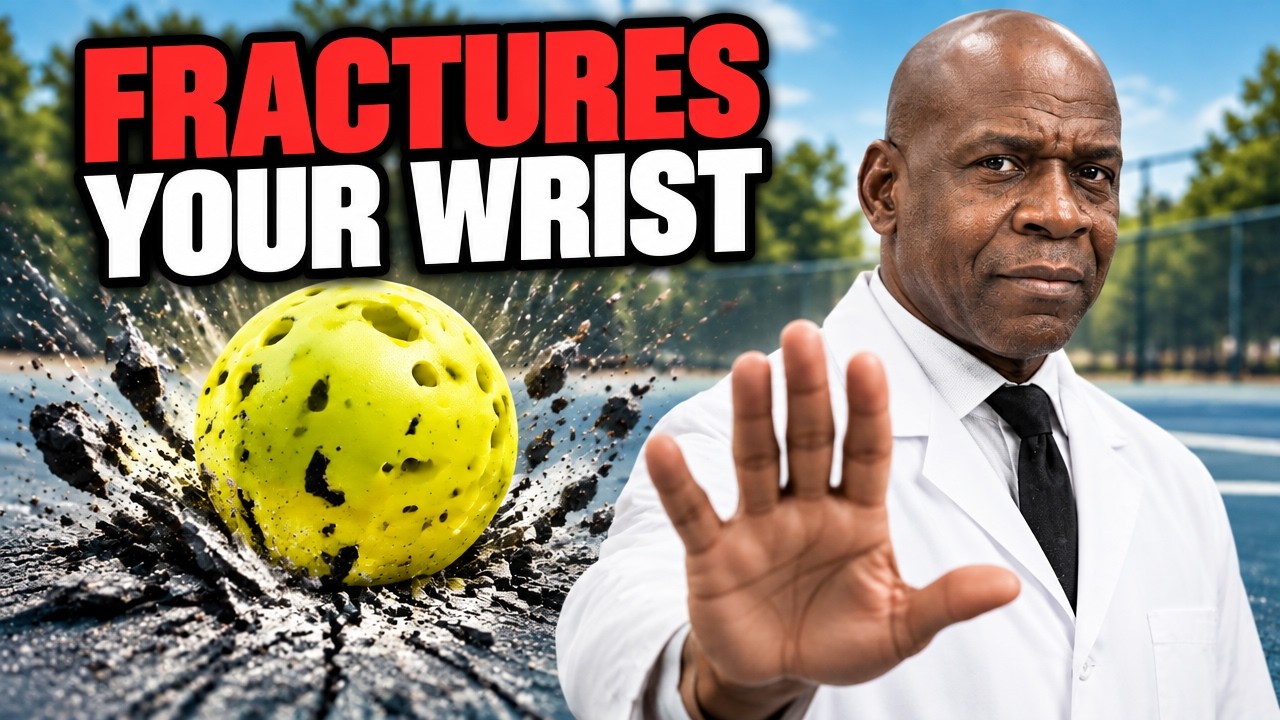
The 3 Pickleball Injuries That Send You to Surgery (And How to Avoid Them)
Pickleball is sold as the safe sport, but a surgeon's view from the operating table tells a different story. Here are the three pickleball injuries most likely to end your season, and what actually prevents them.
Pickleball injury risk is almost never part of the conversation when someone first picks up a paddle.
The sport gets marketed as low impact, easy on the joints, safe for everyone. That story is only half true.
The other half comes from orthopedic surgeon Dr. Chris Raynor | Not Your Everyday Ortho, who breaks down what he actually sees after pickleball: wrist x-rays that look like ski crash injuries, Achilles ruptures in players who felt great right up until they didn't, and rotator cuff tears that sport accelerated in tissue that was already quietly failing.
This article walks through the three injury categories he outlines, who is most at risk, and exactly what to do before you get hurt.
Read this before your next session, not after.
Love pickleball? Then you'll love our free newsletter. We send the latest news, tips, and highlights for free each week.
The Numbers Nobody Is Talking About
Emergency department visits for pickleball injuries are up 88% since 2020.
That is not participation growth. That is injuries serious enough to need the ER, climbing nearly twice as fast as the sport itself.
A 10-year national study found that 91% of those ER visits involve players over 50.
Fractures and sprains each account for about 27% of all pickleball injuries, and the most common fracture site is the wrist.
Most players have never seen those numbers. The sport's marketing certainly does not lead with them.
So let's go through each pickleball injury category the way a surgeon would: what breaks, why it breaks, and what you can do about it.
Level One: The Sprains You Walk Off and Regret Later
Ankle sprains make up a significant share of pickleball injuries, and the mechanism is baked into the sport.
Short explosive lateral cuts, lunges for low balls at the kitchen line, sudden direction changes.
All of it loads the anterior talofibular ligament in exactly the way that ligament fails.
The dangerous part is not the first sprain. It is the incomplete rehab afterward.
Walk off a sprain without fully rehabbing it and you lose proprioception, your joint's ability to sense its own position and fire the reflexes that protect it.
In a sport built on constant lateral load, that is the setup for the next injury.
Dr. Raynor describes a patient in his early 60s who sprained the same ankle twice, never rehabbed either one, and on the third incident did not sprain it again. He fractured the fifth metatarsal.
The pickleball injury ladder is not random. Untreated sprains build toward fractures. That is not bad luck, that is biomechanics.
Want to bulletproof your footwork first?
The pickleball footwork drill that fixes lateral movement fast is a good starting point for the lower limb control that reduces ankle stress.
Level Two: The Wrist Fracture Nobody Saw Coming
29% of pickleball fractures happen at the wrist, specifically the distal radius, also called a Colles' fracture.
The cause is something every player does constantly: falling forward at the net and catching themselves on an outstretched hand.
That instinctive catch routes your entire body weight through the wrist at an angle it was not built to absorb.
Engineers would call it loading a compression beam in shear. The beam does not bend. It fails at the weakest point.
In a 55 to 70-year-old player whose bone density has already declined from its peak, that failure threshold sits lower than it did 20 years ago.
Hard courts make it worse: high traction, almost no give, energy transferring straight into your body on impact.
A displaced Colles' fracture often requires a plate and screws.
Recovery means 6 to 12 weeks before the wrist can handle load, and up to 6 months before grip strength returns fully.
In players with osteopenia or osteoporosis, the bone itself compromises fixation quality and stretches that timeline further.
This is also where paddle weight matters more than most players realize.
Heavier paddles add rotational torque at the wrist and elbow on every impact, and a lighter paddle can reduce that joint stress if you are new or returning from time off.
This paddle setup guide on grip, weight, and lead tape is worth reading before your next gear decision.
 The Dink Media Team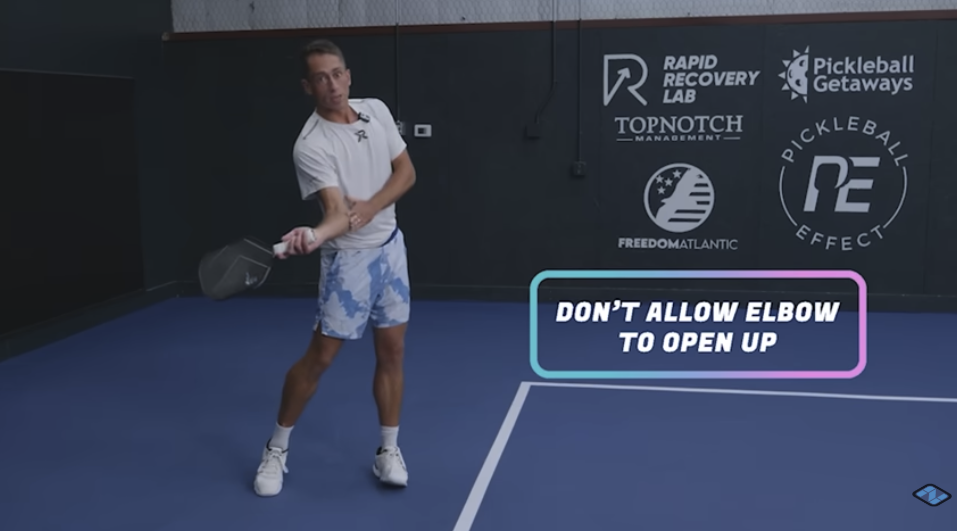
Is the Achilles the Most Dangerous Pickleball Injury?
Yes, and the reason is counterintuitive. Achilles ruptures almost never happen to beginners.
They happen to intermediate and advanced players, typically 6 months to 2 years in, during a completely normal move.
A push off at the kitchen line is the highest load scenario for the Achilles tendon.
The short court geometry parks you near the kitchen constantly, which means repeated explosive push offs from a semi-crouched stance.
That is rapid eccentric loading from a dorsiflexed ankle, over and over.
Aging tendon gets stiffer and more crystalline, so it absorbs that load cycle less efficiently. And it does not warn you.
In most cases there is no pain leading up to the rupture: you push off, you hear a pop, and you are on the ground.
Players consistently describe it as feeling like someone kicked them from behind, but there was no one there.
Recovery from surgical repair runs 4 to 6 months back to sport in a healthy 40-year-old.
In a 65-year-old with reduced tissue quality, 12 months is realistic, and many older players who rupture an Achilles never return at the same level.
The player most at risk is the one who got good. The one who stopped being cautious because nothing had gone wrong yet.
That is the exact profile Dr. Raynor has repaired more than once.
These senior pickleball tips on playing smarter and moving less apply directly to reducing the explosive load patterns behind Achilles stress.
 The Dink Media Team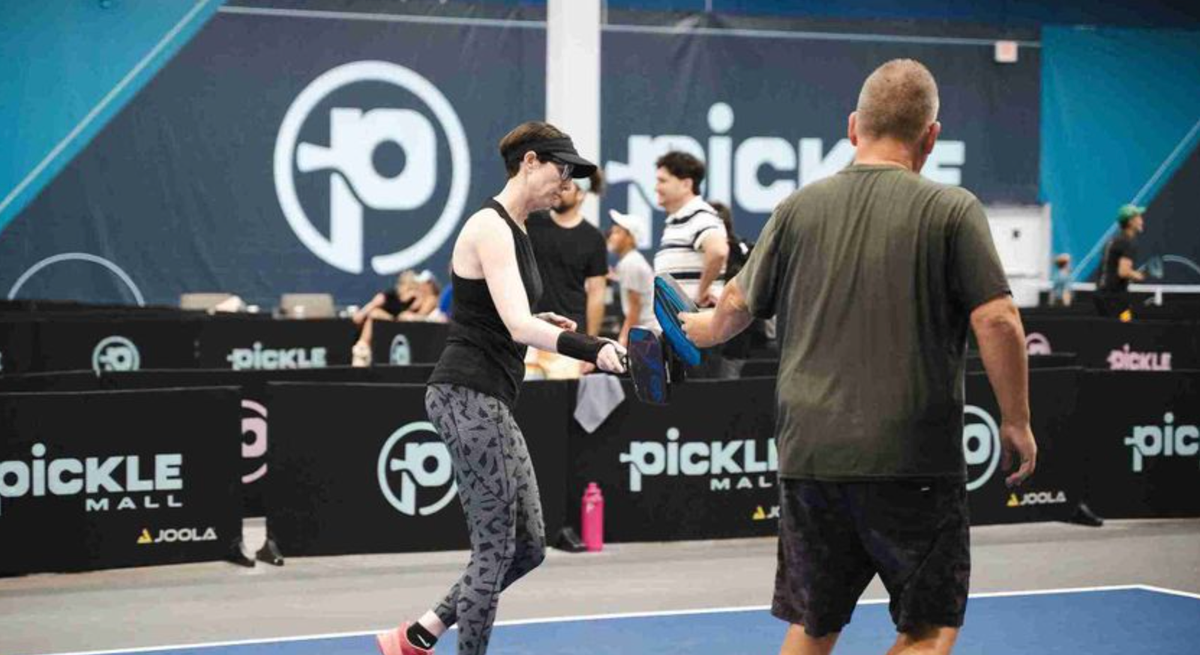
Level Three: The Rotator Cuff That Was Already Failing
Rotator cuff tears follow a different path. The sport does not usually create the damage. It finishes damage that was already there.
Overhead smashes and topspin drives that demand internal rotation against resistance load the supraspinatus and infraspinatus tendons.
In players over 50, pre-existing degenerative change in those tendons is common and often completely asymptomatic.
You had no idea anything was wrong until the sport started adding overhead volume to tissue that was already compromised.
A partial cuff tear is manageable until it is not, and research suggests repeated overhead load can accelerate progression toward a full tear.
Shoulder pain with overhead activity is the signal worth taking seriously before adding more overhead volume, and that is a conversation for a qualified clinician, not a comment section.
This guide to surviving overhead returns covers positioning and mechanics that reduce shoulder stress during high-load shots.
 The Dink Media Team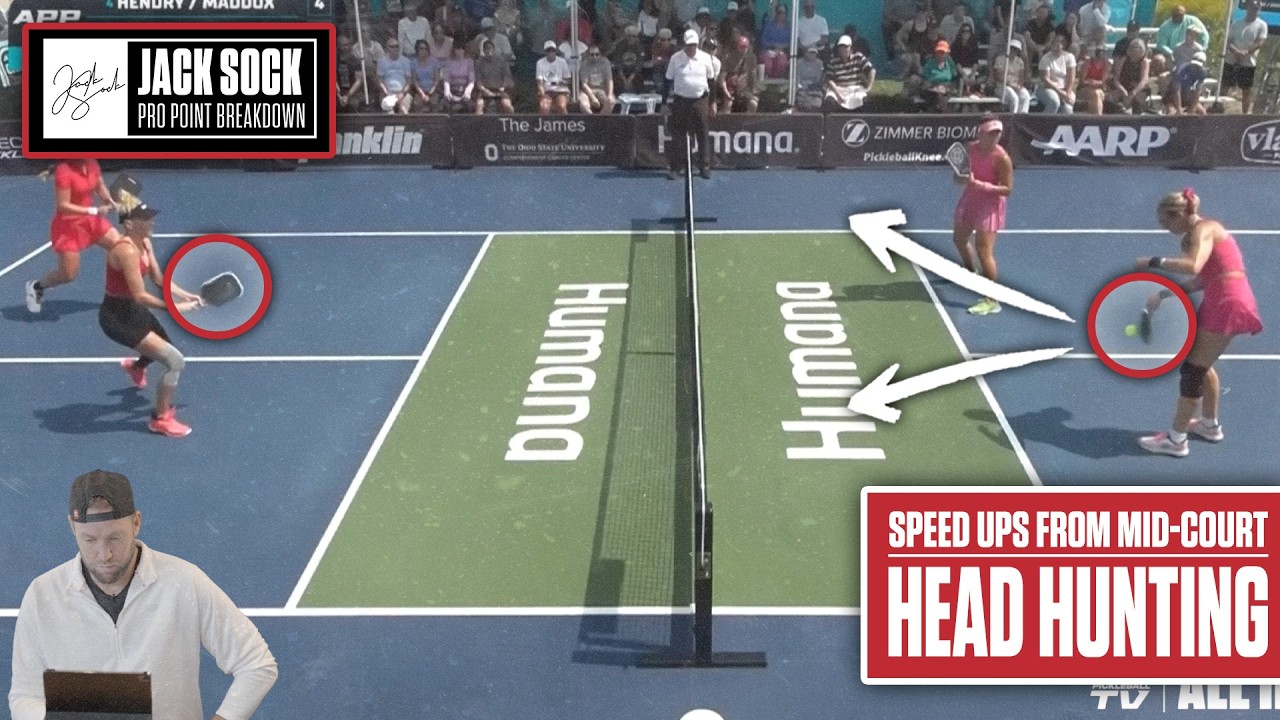
Your Personal Risk Profile: Green, Yellow, or Red?
Here is the decision framework Dr. Raynor uses in the clinic. Be honest about where you actually land.
Green (play without restriction):
- Under 45, no significant prior injury, currently active in resistance or cardio training
- Any age with a progressive loading history, meaning you built up over months rather than jumping straight to three sessions a week
- Prior sprains or strains that were fully rehabbed, including proprioception restoration
Yellow (modify before you get hurt):
- Over 50 and sedentary for 6-plus months before starting, build a 6 to 8 week lower limb and rotator cuff program first
- Ankle instability that feels fine but gives out sometimes, that is incomplete rehab, not a healed ankle
- Known osteopenia or osteoporosis, this changes your fracture risk math significantly on a hard court
- Shoulder pain with overhead activity, image it before adding overhead volume
Red (fix this first, do not play):
- Active Achilles tendinopathy, pain or thickening at rest or on gentle palpation is a rupture risk flag
- Recent partial or full thickness cuff tear not yet rehabbed or repaired
- Active knee ligament instability, especially ACL laxity, since lateral deceleration loads a compromised ACL in exactly the wrong direction
 The Dink Media Team
What Actually Reduces Risk Before You Step on the Court
These are the modifications with real evidence behind them, not general advice about being careful.
- For the Achilles: Eccentric heel drops on a step, progressing to single leg calf raises with load. Research has associated this protocol with improved tendon capacity and lower tendinopathy risk.
- For the ankle: Single leg balance work and wobble board progressions may help restore the proprioception an incompletely healed sprain steals from you. Senior players looking to sharpen their control game will find that stability work pays off in more ways than one.
- For the shoulder: Band external rotation and scapular stability work before you add overhead court volume.
- For the wrist: Progressive grip and forearm strengthening raises your FOOSH (fall on outstretched hand) failure threshold. This is the part nobody does until after the fracture.
Equipment matters too. Choose a lighter paddle if you are new or returning, and wear court shoes with lateral support instead of running shoes built for forward motion.
Two more worth your time: this six-step warm-up routine from a top 10 pro addresses the cold tissue problem behind soft tissue failures, and rebuilding confidence after a setback is the piece to read before returning to competitive play.
One last group worth flagging: players losing significant lean mass on GLP-1 medications like semaglutide or tirzepatide without training are losing muscle and tendon strength while bone density drops.
Starting pickleball on top of that stacks risk factors the injury data does not yet fully capture.
The sport is not the problem. The gap between how pickleball is marketed and what your tissue can handle is the problem.
That gap is fixable. Resistance training is not optional here. It is protective infrastructure.
Frequently Asked Questions
What is the most common pickleball injury?
Fractures and sprains are tied as the most common pickleball injuries, each accounting for roughly 27% of ER visits. The most common fracture site is the wrist, specifically the distal radius. Ankle sprains are the most frequent soft tissue injury.
Why do Achilles ruptures happen to experienced pickleball players and not beginners?
Beginners move cautiously and cover less court. Intermediate players who have gotten fit enough to be fast generate far more explosive push off load at the kitchen line, which is the highest stress scenario for the Achilles tendon. Aging tendon cannot always absorb that rapid eccentric load cycle, and it fails without warning.
How long does recovery take after a pickleball wrist fracture?
A displaced Colles' fracture requiring surgery means 6 to 12 weeks before the wrist tolerates load again, and up to 6 months before full grip strength returns. In players with osteoporosis or osteopenia, recovery can take longer and complication risk is higher.
What shoes should I wear for pickleball to reduce injury risk?
Court shoes with lateral support are essential. Running shoes are designed for forward motion and offer almost no lateral stability, which is exactly what pickleball demands constantly. Wearing the wrong shoe on a high traction hard court raises your ankle and knee injury risk significantly.
Who is most at risk for serious pickleball injuries?
Players over 50 account for 91% of pickleball-related ER visits according to a 10-year national study. Players in the yellow and red risk categories, especially those who went from sedentary to playing multiple times a week without progressive loading, face the highest risk of fracture and tendon rupture. The player who feels great after 6 months and stops being careful is the most common surgical patient.

Love Pickleball? Join 100k+ readers for free weekly tips, news & gear deals.
Subscribe to The Dink