Learn how to dink in pickleball step by step, from proper grip and footwork to advanced strategy and drills that help every level improve at the kitchen line.
If you've spent more than five minutes on a pickleball court, you've probably heard the classic advice: work on your kitchen game.
That advice is right. In pickleball, the non-volley zone line, often called the kitchen line, is where control, patience, and touch matter most.
A dink is a soft shot that arcs over the net and lands in your opponent's kitchen, helping you slow the rally and create better opportunities to win the point.
Whether you're learning how to dink in pickleball for the first time or trying to dink better under pressure, this guide breaks the shot down step by step for every level.
Love pickleball? Then you'll love our free newsletter. We send the latest news, tips, and highlights for free each week.
What a Dink Is in Pickleball
A dink is a soft, controlled shot hit from near the kitchen line that lands in the opponent's non-volley zone.
The goal is not to force a winner right away, but to take pace off the rally and make your opponents hit upward from a difficult position.
Players use dinks to reset the point, create errors, and set up better attacking chances later in the rally.
If you want to understand how to dink in pickleball correctly, start by thinking of it as a touch shot, not a swing.
Dinking Basics: The Foundation of Kitchen Play
The best dinks start with simple fundamentals.
A relaxed continental-style grip is commonly used because it helps players keep the paddle face stable and adjust quickly at the net.
Stay low with bent knees, keep your paddle in front of your body, and avoid standing flat-footed.
Your contact should be compact and controlled, with very little backswing.
If you're trying to improve your pickleball footwork and touch at the same time, focus on ball control before placement.
Understanding the right grip for dinking is half the battle. Your grip pressure directly affects how much control you have over the ball at the kitchen line.
How to Dink in Pickleball: Step-by-Step
Step 1: Get Into a Ready Position
Start with your knees bent, feet slightly wider than shoulder-width apart, and your weight balanced on the balls of your feet.
Keep your paddle up in front of your body so you can react quickly to short balls and fast exchanges.
A good ready position makes the rest of the shot easier. If your paddle starts low or your stance is upright, you'll struggle to control the ball cleanly.
This applies whether you're dinking from the forehand or backhand side.
Step 2: Use Soft Hands
Your grip should stay relaxed, not tight.
A looser grip helps absorb the ball and prevents pop-ups, which is one of the most common mistakes players make when learning how to hit a dink shot.
Think "guide the ball" instead of "hit the ball." The softer your hands are, the easier it is to keep the ball low over the net.
Getting a handle on the three pickleball grips and when each applies will help you find the right feel faster.
 The Dink Media Team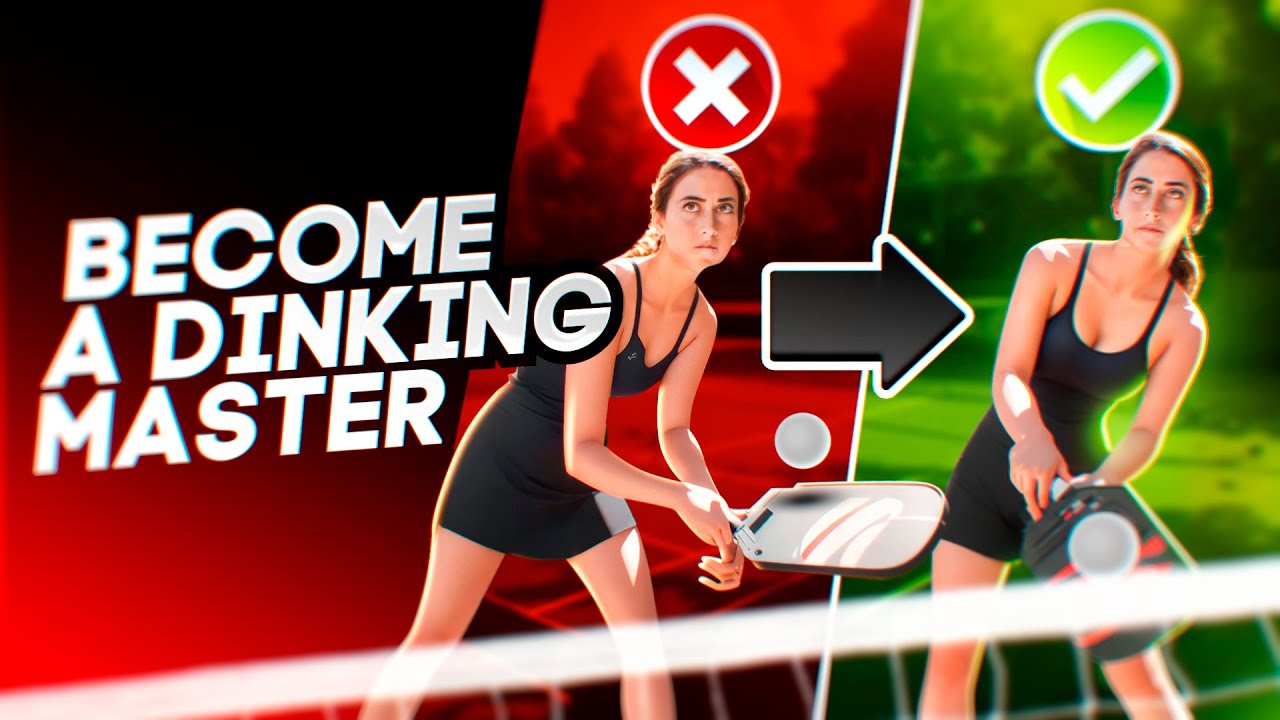
Step 3: Keep the Swing Short
A dink does not need a big stroke. Use a short, compact motion with minimal backswing and a calm follow-through.
The paddle should move smoothly rather than sharply.
If you're trying to figure out how to dink better, one of the simplest fixes is to reduce motion.
Big swings create big errors. That's true at every level of the game.
Step 4: Move Your Feet First
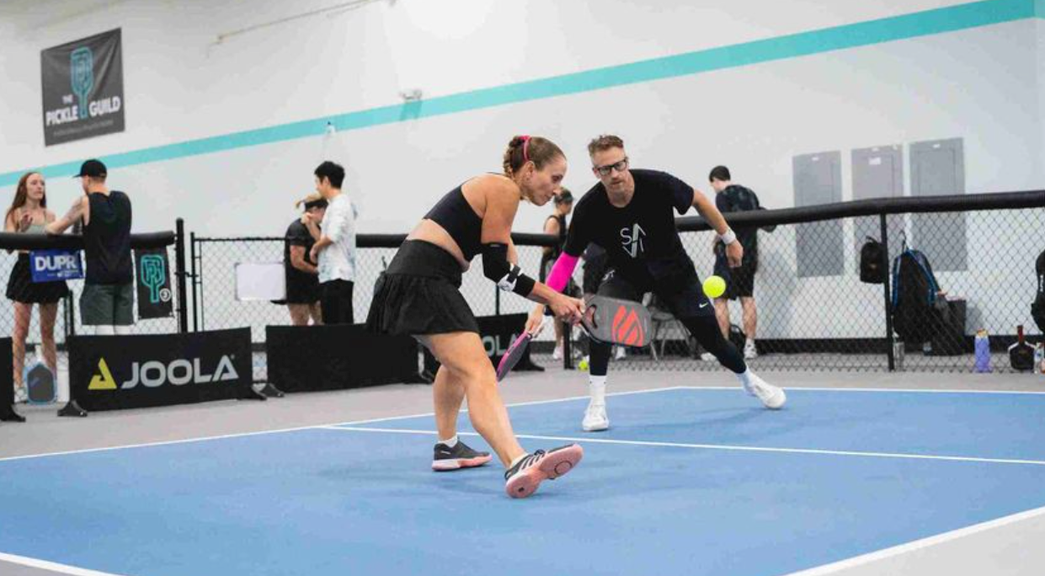
Good footwork matters more than arm strength. If the ball is wide or short, take small adjustment steps to get behind it before contact.
Do not lunge unless you absolutely have to.
Players who move their feet well are much more likely to hit stable dinks and avoid floating the ball up.
The 2 essential pickleball techniques you're missing at the kitchen line covers this in detail and is worth a read alongside this guide.
 The Dink Media Team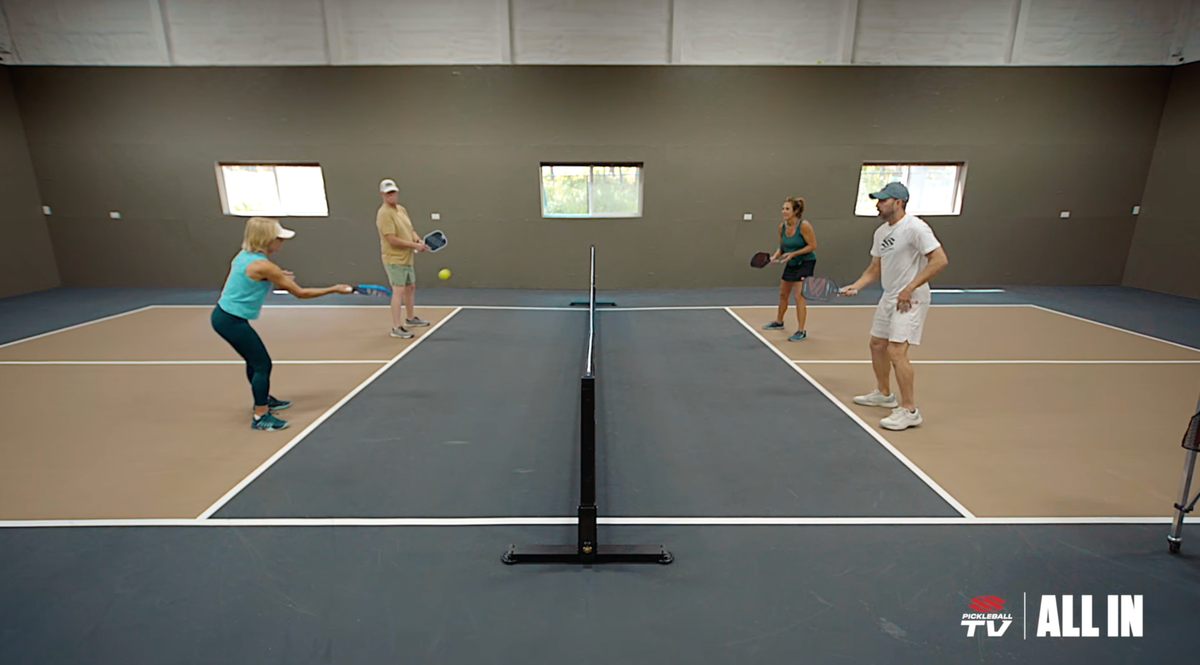
Step 5: Aim for a Low Arc
Your dink should clear the net with just enough height to land safely in the kitchen.
A lower, controlled arc makes it harder for your opponent to attack.
Cross-court dinks are often the safest option because they give you a longer diagonal target and slightly more margin for error.
This is the starting point every beginner should commit to before exploring straight-on or body dinks.
 The Dink Media Team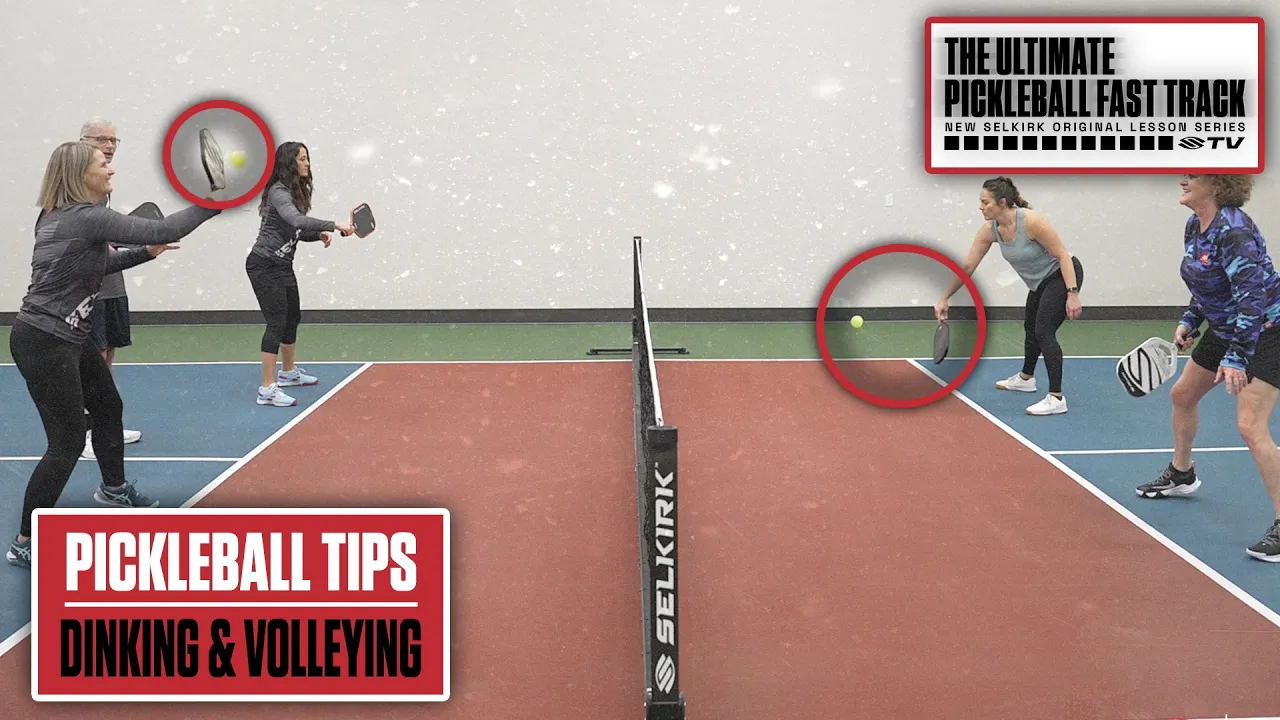
How to Dink Better by Level
How to Dink in Pickleball as a Beginner
If you're new, focus on consistency first. Your job is to keep the ball in play and learn control before trying to force angles or speed.
Start with cross-court dinks because they are generally easier to manage.
Use a relaxed grip, keep your body balanced, and aim for a simple, soft ball that lands in the kitchen.
If you are learning how to dink in pickleball, this is the foundation you need.
Avoid the common trap rec players fall into of trying to attack too early in a rally before you've earned the right ball.
Intermediate: Adding Placement to Your Dink Game
Once you can sustain a rally, start adding placement. Aim at your opponent's backhand, feet, or middle space between partners in doubles.
Those targets create hesitation and weak replies.
This is also the stage where you should learn how to hit a dink shot with variation.
A softer, lower ball is useful, but changing direction and height can help you control the pace of the exchange.
Mixing in the occasional drop shot technique from mid-court will also keep opponents from camping the kitchen line.
 The Dink Media Team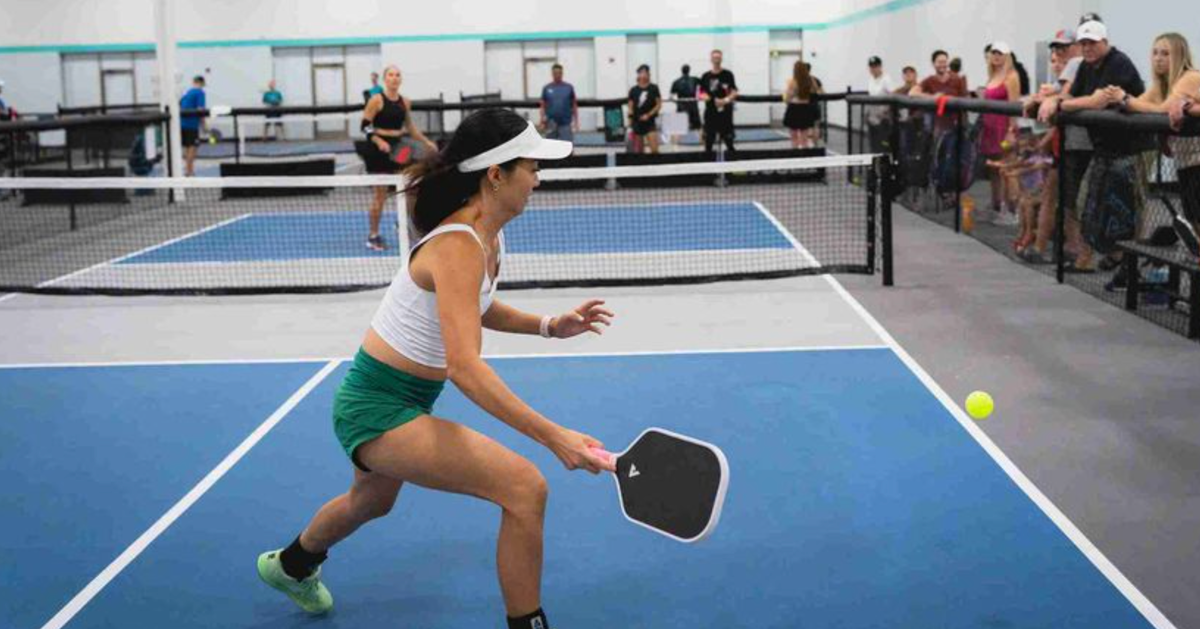
How to Dink Better at the Advanced Level
At higher levels, dinking becomes strategic.
Advanced players use dinks to create pressure, disguise attacks, and force opponents into uncomfortable contact points.
According to USA Pickleball, elite pickleball is increasingly defined by soft-game dominance at the kitchen line.
A strong advanced player can mix in speed changes, eraser-soft dinks, and occasional volley dinks to keep opponents guessing.
This is where how to dink better becomes less about mechanics and more about pattern recognition and timing.
Understanding modern pickleball strategy for 2026 will sharpen the chess match that happens during long kitchen exchanges.
 The Dink Media Team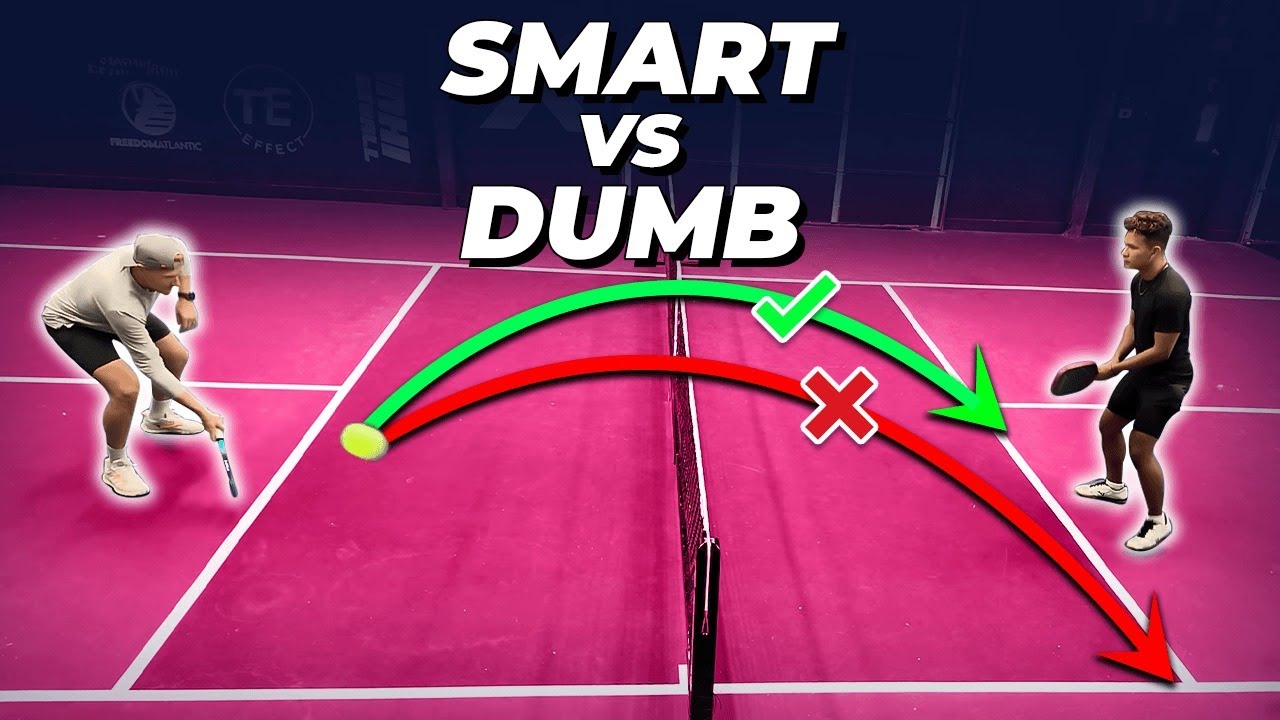
Common Dinking Mistakes
One of the biggest mistakes is using too much arm. A big swing usually sends the ball too high or too deep.
Another common issue is standing too upright, which makes it harder to control the paddle face.
Players also tend to reach instead of moving their feet.
That causes off-balance contact and weak control.
If you want to improve how to hit a dink in pickleball, clean up your footwork before you worry about fancy placement.
The physical side of net play also extends to grip and mechanics, which is why pickleball mechanics for seniors covers these exact issues for players at every athletic stage.
 Alex E. Weaver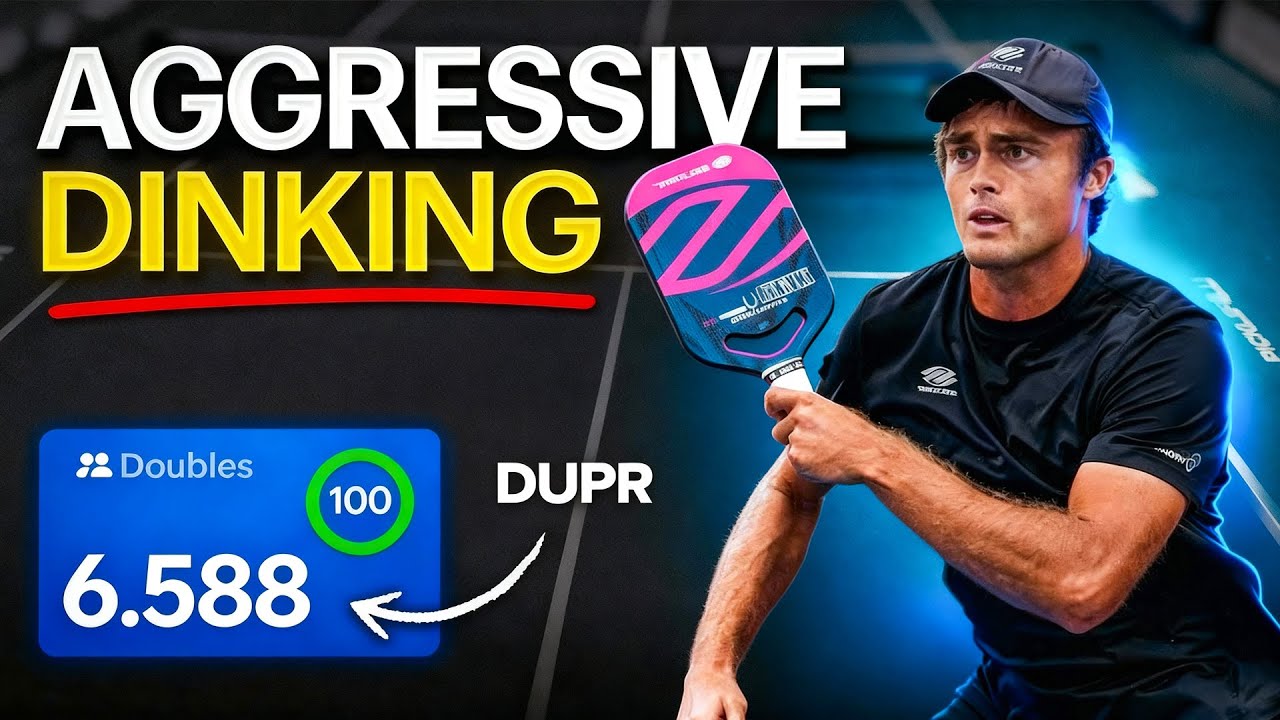
Drills to Practice How to Dink in Pickleball
Cross-Court Dink Rally Drill
Stand cross-court with a partner and dink only cross-court for 20 to 50 balls. Focus on keeping the ball low, soft, and controlled. This drill is one of the easiest ways to build touch and rhythm, and it directly mimics real match situations.
Pair it with simple wall drills if you don't always have a partner available. Solo repetitions build the same muscle memory.
Target Zone Drill
Place targets in the kitchen and try to hit the same zone repeatedly. Start with the middle of the court, then move to the backhand side, feet, and sideline area. This helps you learn how to dink better with purpose instead of just returning the ball.
Intentional practice like this separates players who improve fast from those who plateau. The 12 drills you need to play your best pickleball in 2026 includes a full progression you can run alongside target zone work.
Reset and Recover Drill
Have a partner feed you slightly tougher balls so you can practice soft resets from the kitchen line. Your goal is to absorb pace and send the ball back low. This helps players who are learning how to hit a dink shot under pressure maintain control when the pace picks up.
Resets are where dinking and defense overlap. Get comfortable here and your entire kitchen game becomes harder to crack.
 The Dink Media Team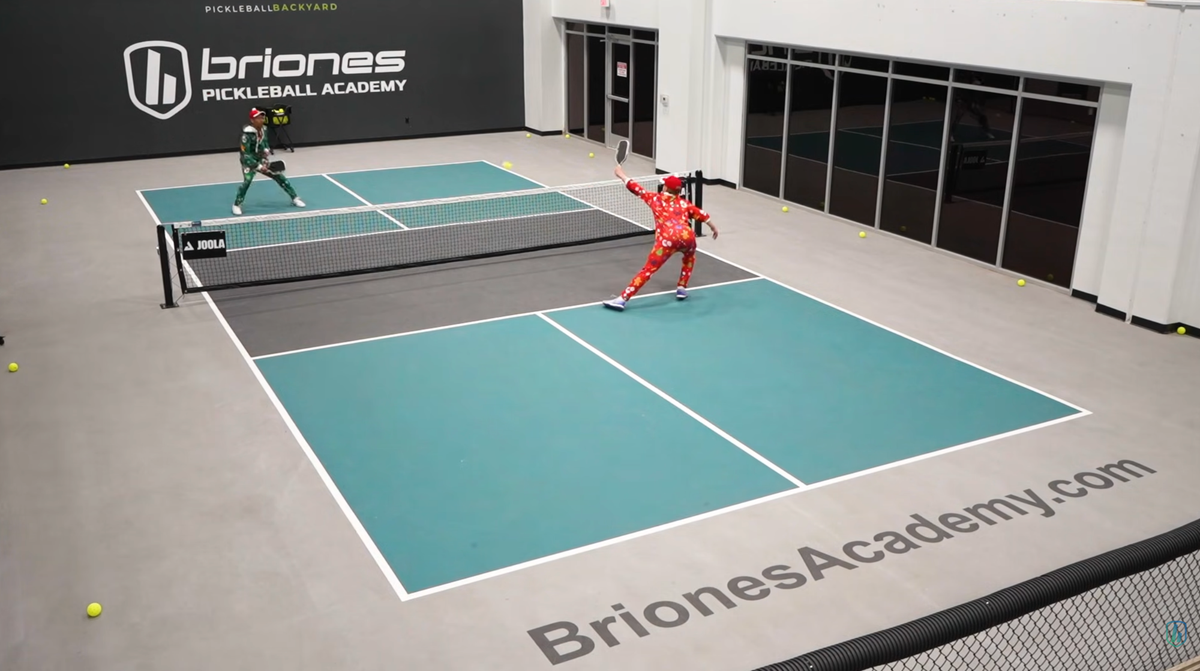
When to Use a Dink
Use a dink when you want to slow the point down, neutralize your opponent's attack, or create a better ball for later in the rally.
Dinks are especially useful during long kitchen exchanges and when you and your opponent are both near the non-volley zone line.
A dink is not always meant to win the point immediately.
Sometimes the smartest shot is the one that buys you time and puts pressure on your opponent to make the first mistake.
According to ESPN, the soft game has become the defining separator between mid-level and elite pickleball players.
Knowing how to attack from the kitchen line is equally important, because you need to recognize when to stop dinking and go on offense.
 The Dink Media Team
Key Takeaways
- Keep your grip relaxed so you can control the ball better.
- Use your feet to get into position instead of reaching.
- Cross-court dinks are usually the safest starting target for beginners.
- Good dinking is about touch, balance, and patience, not power.
- Drills help you learn how to hit a dink shot consistently in real match conditions.
- Pair your dink practice with essential shots to master for 2026 for a more complete kitchen-game skill set.
- A simple system like the 4-step approach to winning more games puts your dinking skills in a bigger strategic context.
Frequently Asked Questions
What is the easiest way to learn how to dink in pickleball?
Start with a relaxed grip, a short paddle motion, and cross-court targets. Keep the ball soft and low before trying anything fancy. Consistent cross-court dinking in practice builds the touch and rhythm that make every other dink variation easier.
How do you dink better fast?
Focus on footwork, paddle control, and repetition. The quickest improvement usually comes from reducing swing size and improving contact balance. Drill the cross-court rally until soft hands feel automatic, then add placement.
What is the difference between a dink and a drop shot in pickleball?
A dink is typically played near the kitchen line, while a drop shot is hit from a deeper court position and lands softly in the non-volley zone. Both are soft shots, but they serve different purposes and are used from different parts of the court. The drop is designed to get you to the kitchen; the dink is what you do once you're there.
How do you hit a dink shot without popping it up?
Use soft hands, keep your paddle face controlled, and avoid swinging too hard. The ball should be guided over the net, not struck with pace. A pop-up almost always traces back to grip tension or a swing that's too big, not a lack of power.
When should you stop dinking and attack?
Attack when you get a ball that sits up above net height and you have time and position to drive it with control. Dinking forces your opponent to hit upward, and that's the ball you're waiting for. Patience in a dink rally is the setup; the speed-up is the payoff.

Love Pickleball? Join 100k+ readers for free weekly tips, news & gear deals.
Subscribe to The Dink