Aggressive 4.0 players win by lobbing, driving, and crashing before you can get set. These seven adjustments help you absorb the pressure and flip points back your way.
Aggressive 4.0 players do not wait for you to get comfortable.
They lob you on the second shot, bang every third, and crash the kitchen before you have found your feet.
If you keep losing to opponents who just attack, attack, attack, the problem usually is not your hands.
It is a handful of small decisions you are making under pressure, and most of them are fixable today.
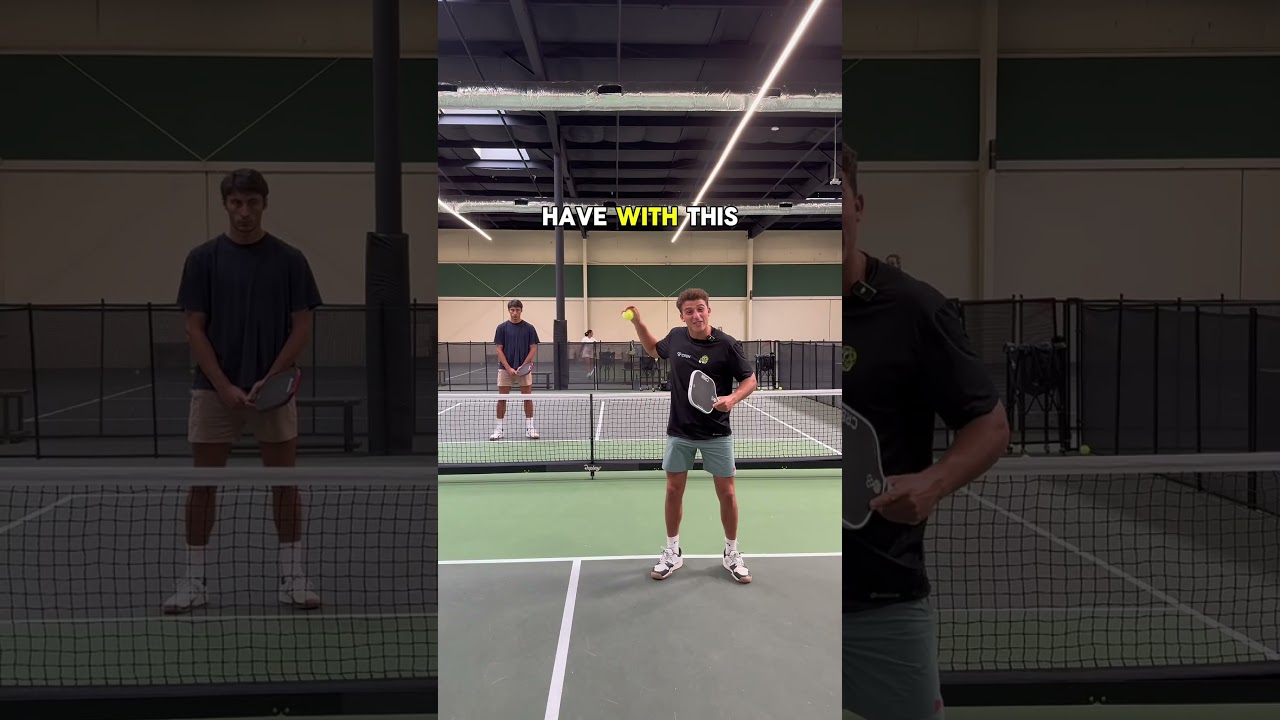
Coach Briones broke down a full local 4.0 tournament match in Arizona, with his nine-year-old son Josiah and his grandpa Dan facing two aggressive opponents.
The lessons that came out of it apply to every player who keeps running into bangers and lobbers. Here are the seven adjustments that matter most.
Love pickleball? Then you'll love our free newsletter. We send the latest news, tips, and highlights for free each week.
Why Do Aggressive 4.0 Players Keep Beating You?
Aggressive 4.0 players win because they take time away from you before your shots are ready.
The fix is not hitting harder back. It is making cleaner decisions on returns, drives, and resets so their speed stops working.
That theme runs through every point below. Notice how often the answer is patience and position, not power.
These are the same patterns you see in mistakes 4.0 players make over and over, and cleaning them up is what separates the field.
The modern game has shifted toward aggression at every rating level.
Understanding how the game has evolved makes it easier to see why these seven adjustments are no longer optional.
1. Stop Getting Beaten by the Early Lob
The lob is the first weapon aggressive players reach for, especially against anyone short, slow, or weak overhead.
In this match the opponents lobbed Josiah almost immediately, because they knew he would struggle to track it down.
Here is the truth about tournament play: if the lob keeps working, good players will keep throwing it.
As Coach Briones put it, "players are going to do what works, and that's just smart playing."
So cover it as a team.
A lefty and righty pairing has a built in advantage here, because the two forehands meet in the middle and either partner can step across to help on the overhead.
When the lob goes up, let the partner with the better, more reliable overhead take the ball whenever possible.
Chasing a lob you cannot finish just hands the point back.
Overhead defense is one of the 6 essential pickleball shots to master for 2026, and the earlier you build it, the harder you are to lob consistently.
2. Follow Your Return and Shade to the Middle
The single biggest fix against bangers starts with your return. After you hit it, follow the path of the ball instead of drifting straight ahead.
When you return crosscourt and then run straight up your own line, you leave a gap in the middle.
The driver hits into that gap, and suddenly the fourth shot volley feels impossible.
This is a respect the X situation. The ball that comes off an angled drive travels toward the middle, so the player nearest the middle has to take it.
Respect the X simply means honoring the crosscourt diagonals of the court: shots tend to travel along those X shaped lines, so you position to where the ball is going, not where you hit from.
Shade a step toward the center line after a crosscourt return and that fourth shot volley gets dramatically easier.
If you keep getting jammed in no man's land on these balls, the return of serve is where the whole point is won or lost.
Mastering court positioning is one of the four key strategies to winning in 2026, and it starts the moment you make contact with the return.
 The Dink Media Team
3. Keep Your Third Shot Drive Low (And Ease Off the Gas)
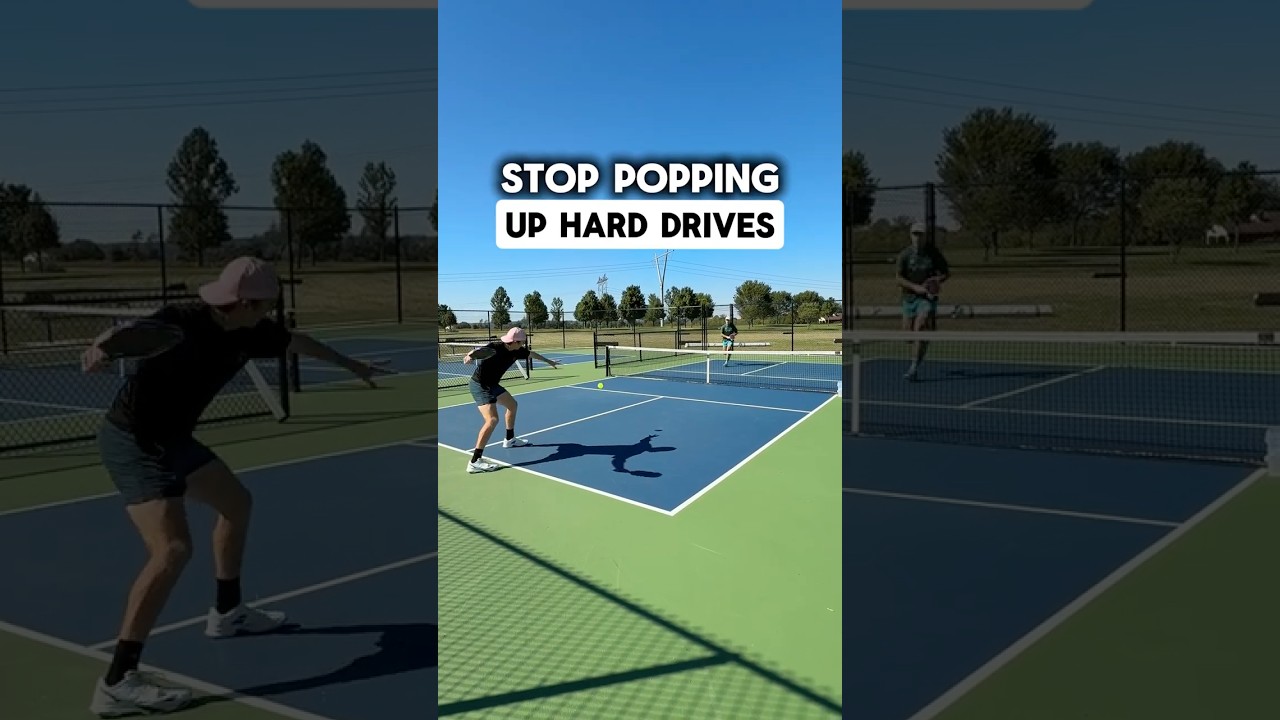
When you drive your third, the only thing that matters is height.
"It's not how fast you hit it, how hard you hit, how much spin you have," Coach Briones said. "It is keeping it low to the net."
A high drive, even a hard one, just feeds an aggressive opponent. They step in, take it out of the air, and put it away with an angle.
So drive at 60 to 80 percent, not 100. A controlled, low drive sets up your next ball and lets you crash the kitchen behind it.
A wild 100 percent drive that sails high does the opposite.
This is the same logic behind the drive and drop combo: the drive is a setup, not a finishing shot.
If your drives keep popping up, work on a third shot that stays low so you have a soft option when the drive is not there.
 The Dink Media Team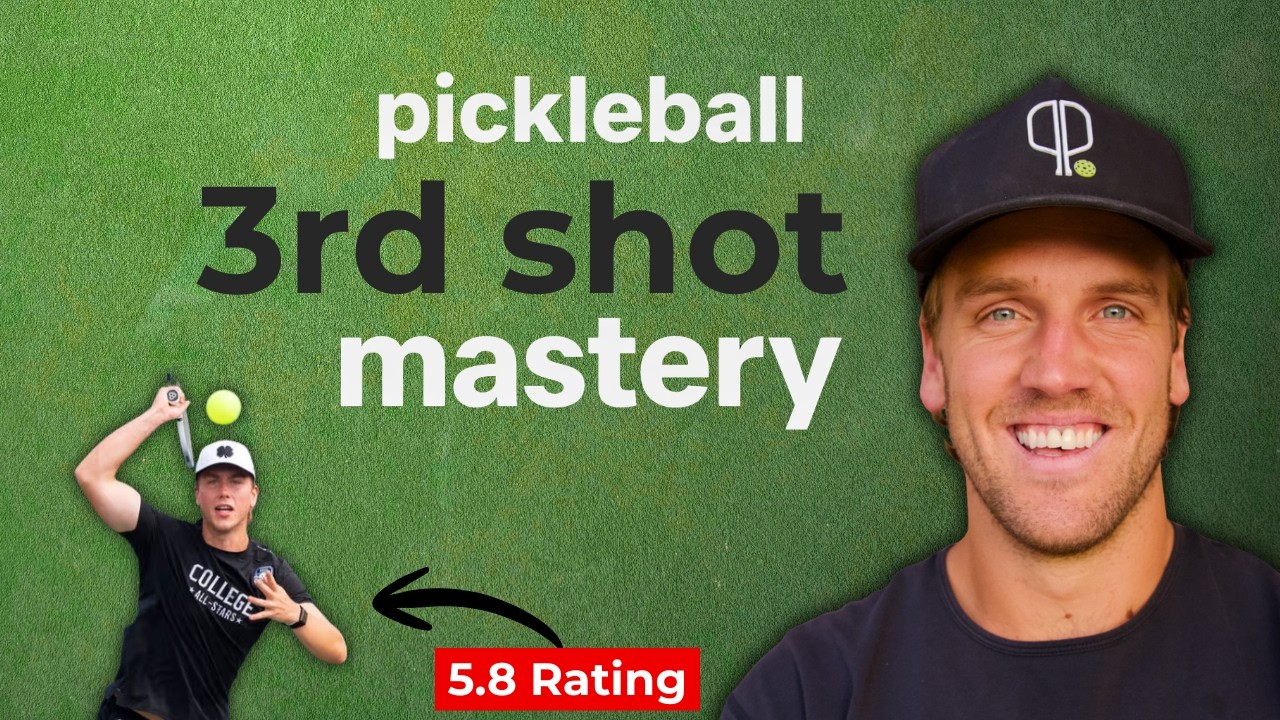
4. Let the High Balls Go Out Against Aggressive 4.0 Players
One thing experienced 4.0 players do better than almost anyone: they let out balls go.
Any ball clearly above the shoulders near the kitchen is usually sailing long, and disciplined players simply pull their paddle and let it fly.
Aggressive opponents bait you into countering everything. Every ball you reach up and swat at is a ball you could have watched land out.
Train your eyes to read shoulder height.
Below the shoulders, you play it. Clearly above, you let it go and take the free point.
This discipline is a direct product of knowing the pickleball rule changes for 2025 and understanding exactly where the baseline sits relative to your shoulder height at the kitchen.
Letting out balls is not passive play. It is earned discipline.
 The Dink Media Team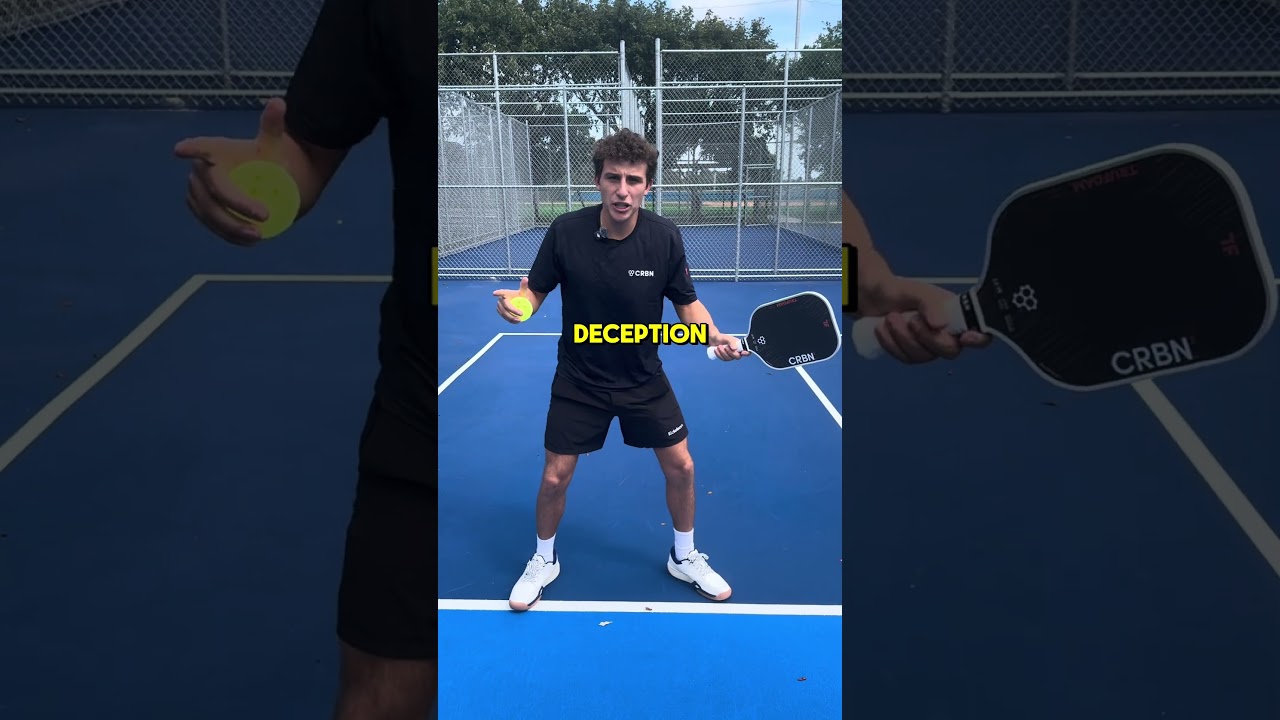
5. Return With Momentum, Then Lean In
Against aggressive players you have to reach the kitchen line off your return, every time.
Two things make that happen: moving forward as you strike, and getting the return high enough to buy time.
Josiah is a small framed kid, yet he gets to the line on nearly every return.
Watch him and you see the same sequence: he takes a step in before contact, makes a clean unit turn, and by the time he hits the ball he already has momentum carrying him forward.
Then he leans in, chest over his knees, and uses every inch of his reach. That forward posture is what turns a deep return into a trip all the way to the kitchen.
If you stall at the baseline after your return, start there. Move through the shot, do not admire it.
Cleaner footwork off the return is the foundation, and a few simple footwork drills from Coach Mary Barsaleau will tighten up the pivot and crossover steps that get you there.
The 12 drills you need to play your best pickleball in 2026 include several specifically targeting return momentum and approach footwork.
Start there if this is where you keep leaking points.
 The Dink Media Team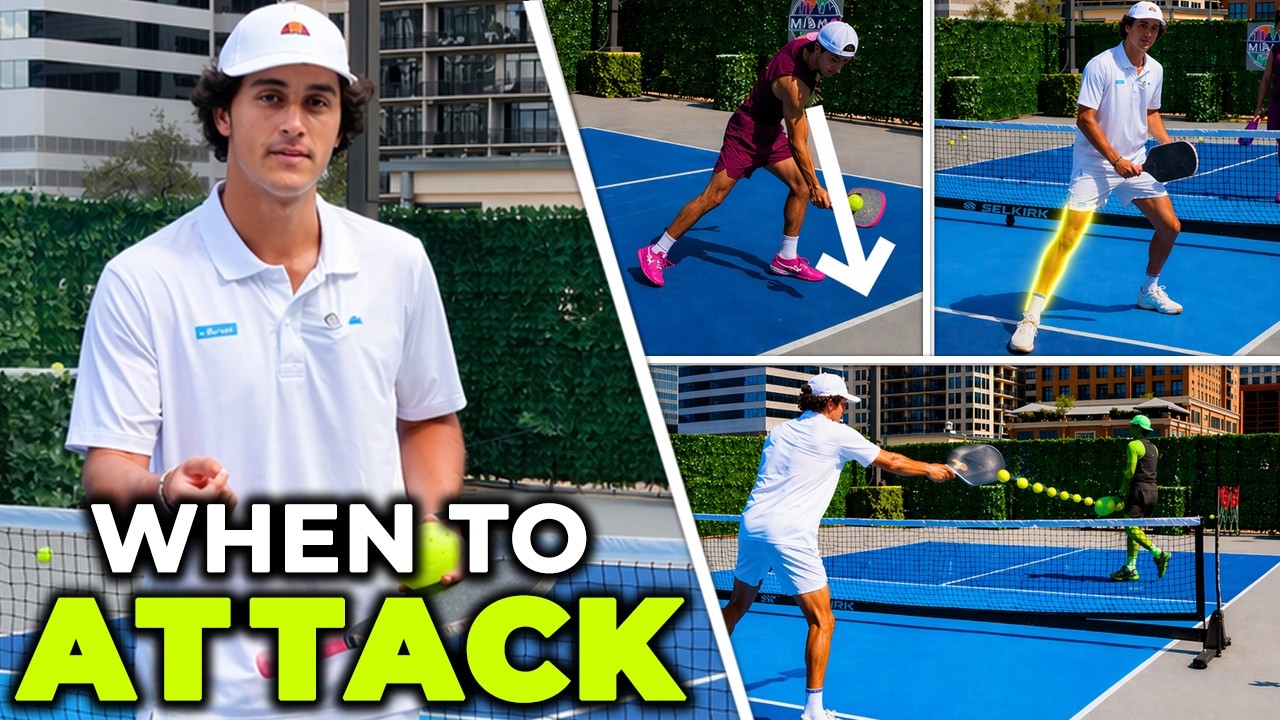
6. Build a Transition Game That Does Not Crack Against Aggressive Players
Aggressive players love to catch you in the transition zone, that stretch between the baseline and the kitchen where you are most vulnerable.
The way through it is stability, not speed.
The keys are simple and they showed up on every clean point Josiah played in the middle:
- Wide, stable base. A wide split step lets you lunge out without falling over.
- Slow, short swings. Fast swings in transition pop balls up. Soft and short resets them.
- Stay grounded. Keep your feet down and do not jump as you reset.
- Split step, then read. Split as your opponent strikes, then react to the ball in front of you.
When you do attack a slow, lifted ball in transition, that is the moment for a bigger swinging volley.
On fast, low balls, reset and live to fight the next one. For more on this, see these tips to navigate the transition zone.
Stability in transition is one of the clearest dividing lines between 3.5 and 4.0 play.
According to USA Pickleball's 2025 player rating criteria, 4.0 players are specifically evaluated on their ability to control pace and reset under pressure, which is exactly what the transition zone tests.
 The Dink Media Team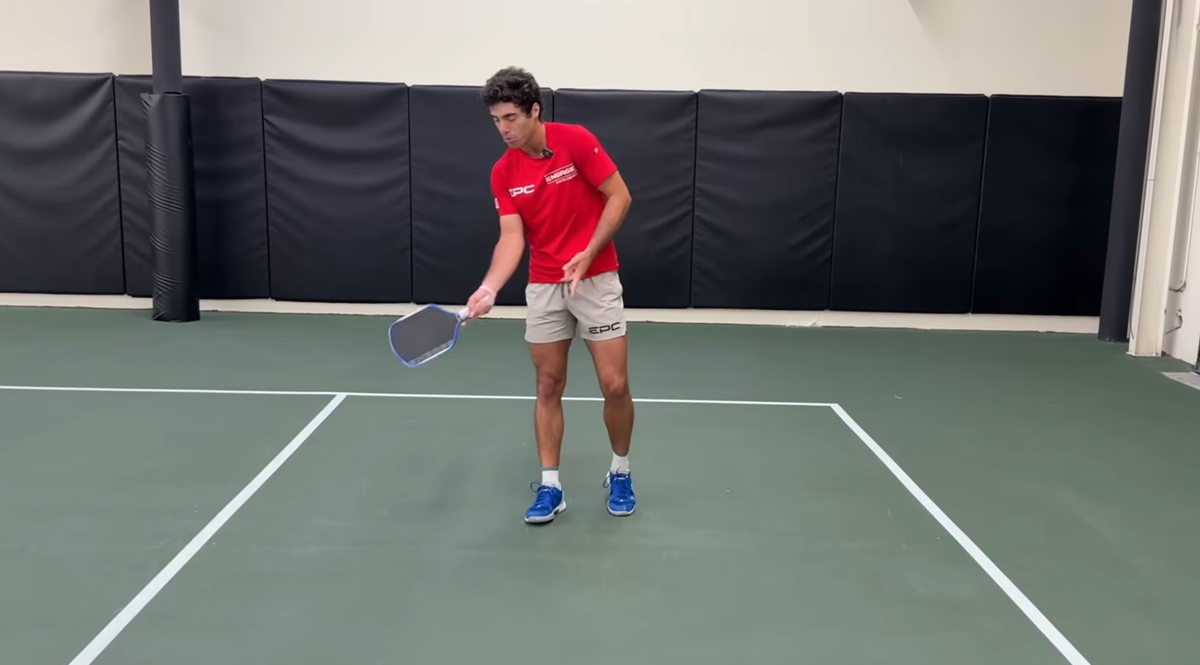
7. Add a Two-Handed Backhand Counter and Cover Your Line
The higher you climb, the more you face players who can attack both wings.
Josiah's answer is a two-handed backhand counter, which Coach Briones calls the "two-hander."
The two-handed backhand counter is a defensive shot you hit with both hands on the paddle when a ball arrives high or outside your left shoulder.
The second hand adds power and, just as important, makes it easier to get the ball back down.
"If you're struggling with your backhand counters outside of your left shoulder, the two-hander could be something you can add to your game," Coach Briones said, "especially if you don't have a strong shoulder."
We are seeing it more and more in today's game, and Anna Leigh Waters built much of her kitchen line dominance on exactly this two-handed backhand.
Covering your line is the other half. A strong opponent will eventually attack down your backhand sideline, so being big in the middle is not enough.
Shade far enough that you can still defend the line speed up without leaving the middle wide open.
And in the fast hands battles that follow, after you initiate at the kitchen line, keep your next stroke shorter.
The counter is coming back faster than you think, so a compact paddle wins those hands battle exchanges.
A few wall drills for faster hands will sharpen those reactions on their own.
The two-hander is also one of the 5 pickleball shots you must master before 2026 if you want to break into the 5.0 tier. Learn it now, not later.
 The Dink Media Team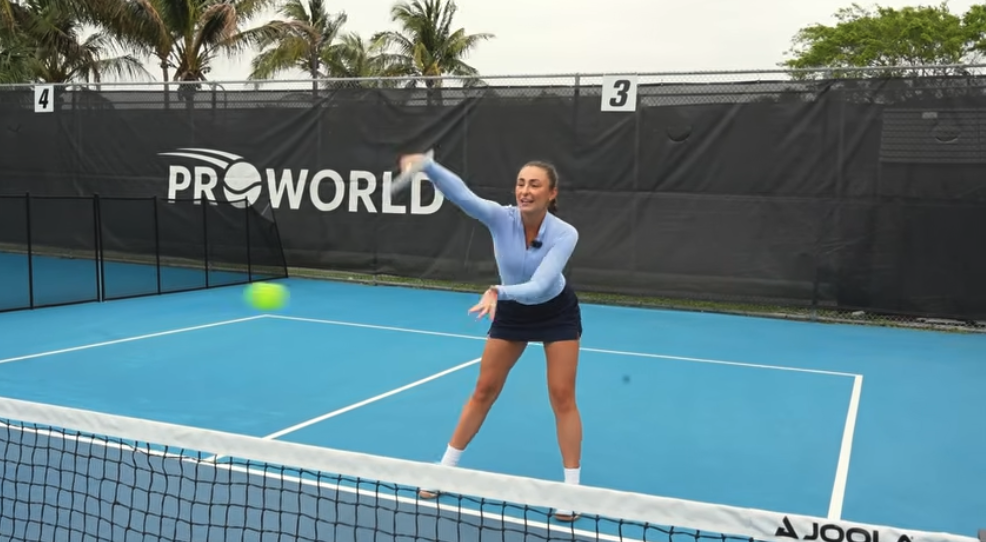
Cover Your Partner, and Move Early
One quieter lesson tied the whole match together: cover your partner with the fourth shot volley, but move early.
When your partner is driving and crashing, watch the ball, stay calm, and step before the opponent strikes rather than after.
Dan, the grandpa, did a nice job sliding toward the center line to help on counters, but a half second earlier would have turned good defense into easy offense.
The same goes for covering the middle: the decision has to happen before the ball, not after.
Frequently Asked Questions
How Do You Beat Aggressive 4.0 Players Who Just Bang the Ball?
Against bangers, win with your return and your reset, not your power. Get the return deep and high enough to reach the kitchen line, shade toward the middle to cover the angle, and keep your third shot drive low. Let any ball clearly above your shoulders sail out instead of countering it.
What Is the Best Shot Against a Constant Lobber?
Cover the lob as a team and let your stronger overhead take it. If you are repeatedly beaten over the head, back up a half step before the lob comes and let the partner with the more reliable overhead handle it. Chasing a lob you cannot finish only gives the point away.
Why Does My Third Shot Drive Keep Getting Put Away by Aggressive Players?
Almost always because it is too high. Aggressive 4.0 players step in on any high drive and finish it with an angle. Drive at 60 to 80 percent and prioritize keeping the ball low to the net over hitting it hard.
Should I Use a Two-Handed Backhand Counter?
A two-handed backhand counter is a great addition if you struggle with high balls outside your left shoulder or do not have a strong shoulder. The second hand adds power and helps you get the ball down. It is one of the fastest growing defensive shots in the modern game.
How Do I Stop Getting Attacked in the Transition Zone?
Slow down and stabilize. Use a wide split step, keep your feet on the ground, and take short, soft swings to reset rather than swinging hard. Move through the zone in controlled steps and only take a bigger swing when you get a slow, lifted ball.
What Separates Players Who Lose to Aggressive 4.0 Players From Those Who Win?
The biggest separator is decision-making speed under pressure, not raw shot skill. Players who beat aggressive 4.0 opponents consistently know when to reset, when to drive, and when to let the ball go before the point develops. Drilling these decisions is just as important as drilling your strokes, and building the right habits with the essential shots for 2026 will accelerate that process.
Love Pickleball? Join 100k+ readers for free weekly tips, news & gear deals.
Subscribe to The Dink