
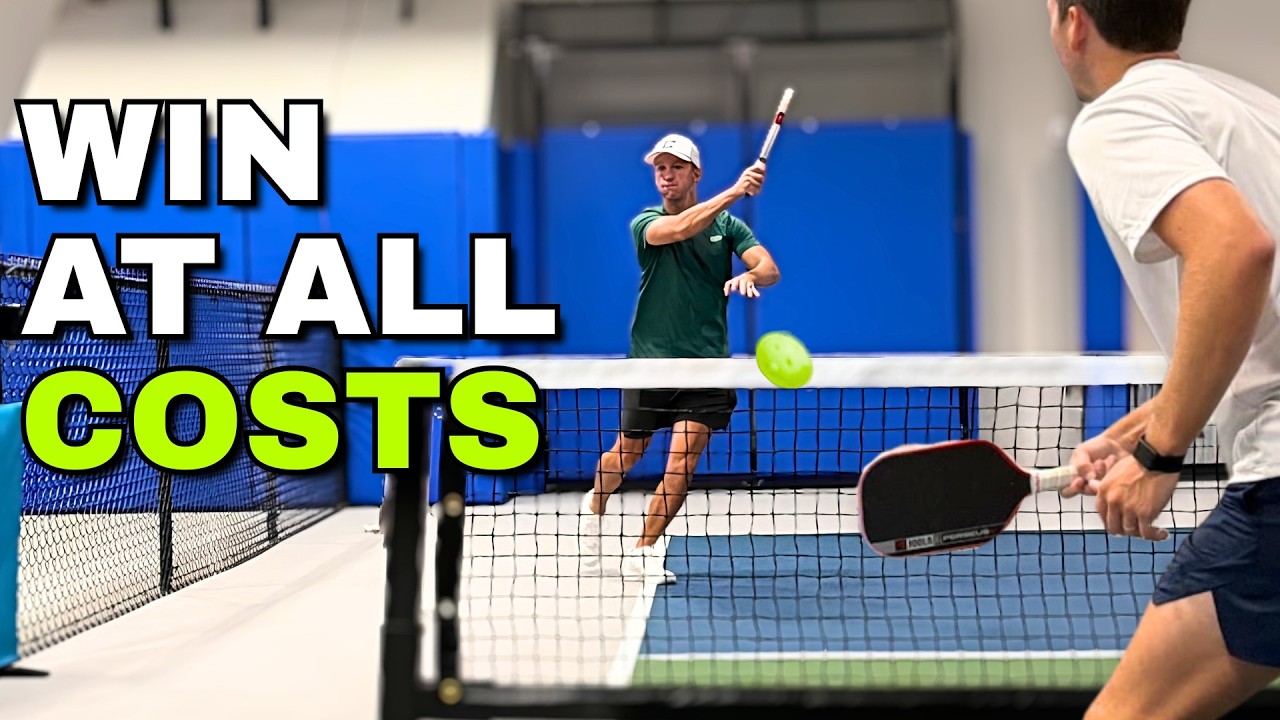
Why You Keep Losing Pickleball Leads (And the 6 Fixes That Stop It)
Closing out pickleball matches is harder than building a lead. These 6 strategies stop the collapse before it starts.
Closing out pickleball matches should be the easy part. You did the work to build the lead, so why does it vanish by 10-9?
This is one of the most common and most frustrating patterns in recreational pickleball.
You get up 9-4, start playing loose, and before you know it the other team is celebrating a comeback they had no right to pull off.
The six fixes below come directly from Cracked Pickleball on YouTube, and they cover everything from serve strategy to the mental habits that separate players who close out games from players who collapse in them.
Love pickleball? Then you'll love our free newsletter. We send the latest news, tips, and highlights for free each week.
Fix 1: Know Exactly How You Got the Lead
The first reason players blow leads is embarrassingly simple. They have no idea how they built those points in the first place.
Pickleball is a game of patterns. If an opponent had a shaky backhand at 2-0, that backhand is still shaky at 9-4.
People do not fix their shots mid-match, especially as fatigue sets in and players fall back on ingrained habits.
Before you serve at 9-4, you should be able to answer one question: what has been working?
Most players cycle through three reliable strategies worth knowing.
- Target the backhand. Start with one player's backhand. If they handle it fine, move to their partner. Someone almost always has a weaker backhand.
- Attack the middle. Communication breaks down under pressure. A ball hit at the seam between two players forces them to decide who takes it. That hesitation creates easy errors.
- Test the lob. Many recreational players have zero overhead background. One lob tells you everything. If they mis-hit it or back up awkwardly, that becomes your safety shot whenever the point gets tight.
Find what works and keep doing it. Do not mix things up just to mix things up.
Fix 2: Cut the Unforced Errors Out Completely
Unforced errors are the single biggest reason leads disappear. The frustrating part is that players know they are making them and still cannot stop.
There are two failure modes when you are ahead.
- The first is laziness, where you get comfortable and stop trying.
- The second is the opposite, where you start going for hero shots you would never attempt at 4-4.
Both are killers. The fix for both is the same: commit to high-percentage shots on the three most important touches in the game.
Your serve must go in. Every time. This is not the moment to practice a power serve.
Hit it deep, make it bounce high, and force your opponent to work for a clean return.
A serve that puts pressure on without going for too much is exactly what you want.
Your return needs the same treatment. Hit it deep to the middle, keep your opponents pinned back, and make them execute a quality third shot.
You are not trying to win the point on the return. You are trying to make them earn it. For more detail on this, these serve and return fixes cover the mechanics closely.
Your third shot, when you are serving, should be simple.
A soft drop toward the middle, landing cleanly, forces your opponents to start offensive from a neutral position. That is where they tend to misfire.
Fix 3: Put Real Pressure on With Your Serve
Keeping your serve in does not mean going soft. A lazy serve removes all the pressure from the opponent and hands them an easy return.
By the time you are up 9-4, you should know what bothers each opponent. Use that information on your serve.
Here are three things to consider.
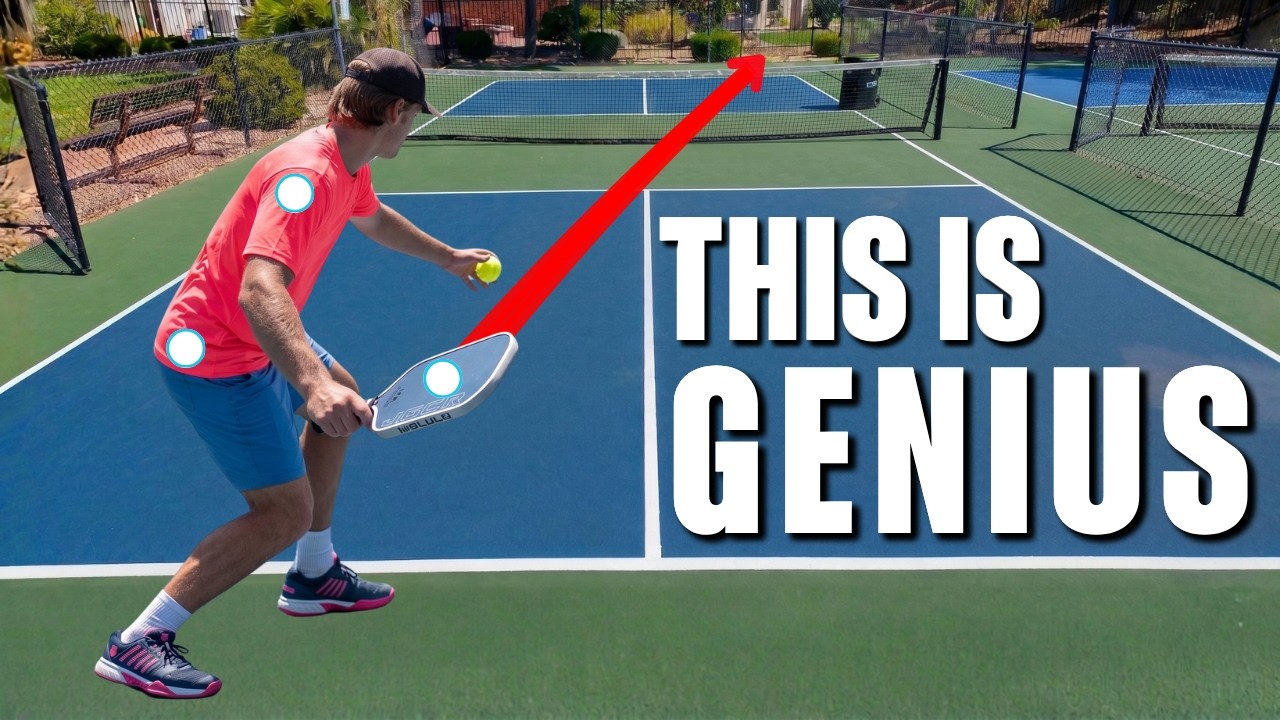
- Hit with pace and clear margin. Aim about a paddle's length above the net. This ensures the ball clears safely and still carries deep into the court.
- Add height and spin for a high bounce. Most players are comfortable with balls bouncing around their knees. A serve that bounces up near the hips or stomach, especially at the baseline, is genuinely uncomfortable and forces errors in big moments.
- Target the backhand. Even on serve. You may not win the point directly, but you give yourself a much easier third shot when the return comes back soft or off-balance.
The goal is a serve that makes their return harder, not just a serve that goes in. There is a real difference, and it matters late in a match.
These three serve types are built exactly for that situation.
 The Dink Media Team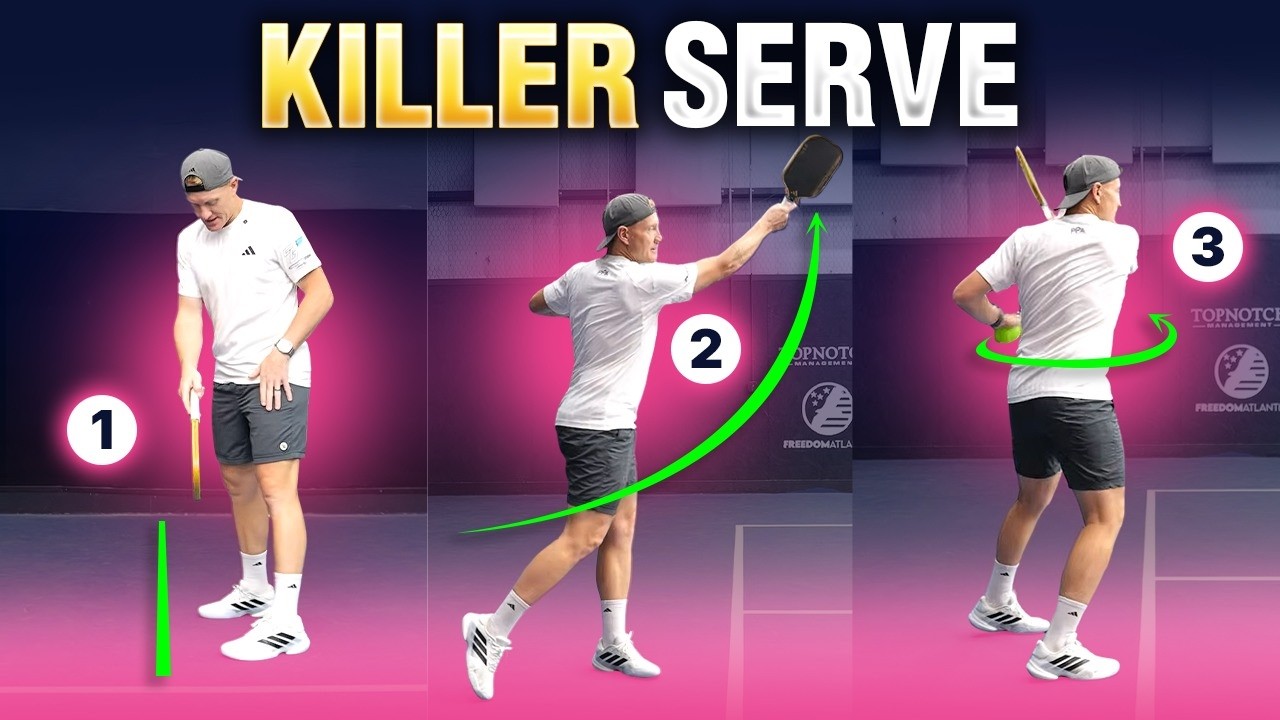
Fix 4: Control the Momentum, Not Just the Score
Momentum is real in pickleball, and you can manage it deliberately. This is probably the most underrated fix on this list.
When you are on a hot streak, you want to keep the pace fast. Serve quickly after winning points. Hustle to retrieve the ball instead of walking.
Get back into ready position before your opponent even has a chance to breathe. Do not give them time to reset mentally.
When the other team starts going on a run, flip the approach entirely. Slow everything down. Take a little extra time before the return.
Dry off with a towel between points if you have one handy. Walk the ball back at a normal pace instead of rushing.
None of this is against the rules. It is exactly how timeouts work in every other competitive sport. One team gets hot and the other calls time to break the rhythm.
If you just lost the first game and sides are switching, take the full changeover.
That is a built-in reset that most players waste by jogging to the other side without thinking.
Standing in ready position before your opponent is set is also a quiet confidence signal.
It shows you are locked in and eager, which adds pressure they have to manage on top of the score.
 The Dink Media Team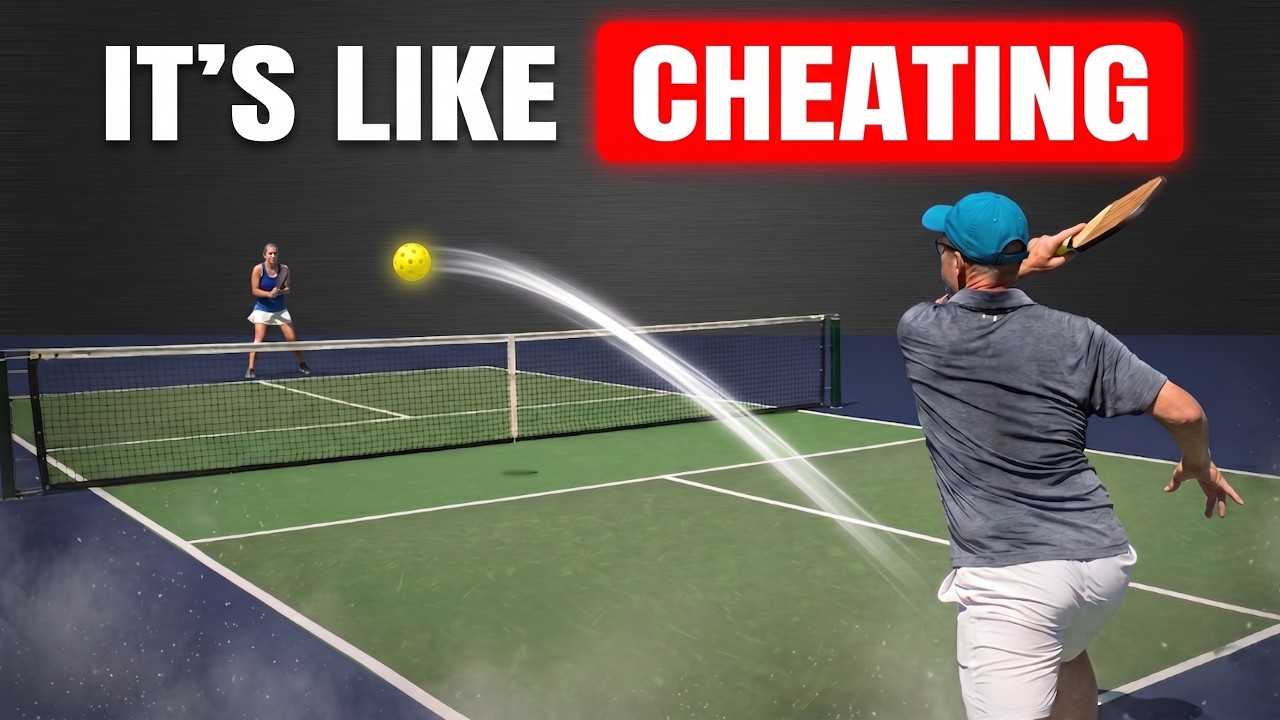
Fix 5: Communication Drops When You Are Winning
It should not, but it almost always does. When teams are ahead, the chatter stops because everyone feels like the win is already locked in.
That is exactly when communication matters most. Late in a game, everyone on the court is tired. Fatigue causes mental errors.
Talking to your partner cuts those errors before they happen.
There are three specific ways to keep communication sharp under pressure.
- "Me" or "You" on every middle ball. This one call eliminates the most common late-game confusion. If you can call it, call it. Silence on a middle ball is a gift to the other team.
- Talk strategy between points. If they close it to 9-6, remind each other how you got to 9-4. Say it out loud. "We've been winning on their backhand. Let's keep going there." It sounds basic, but it refocuses both players immediately.
- Use hand signals on returns. Before your partner returns serve, signal where you want it. Pinky out means the player on the left. Thumb out means the player on the right. Look back and confirm they got it. This takes two seconds and wins free points.
Simple partner communication is one of those things that separates teams who close out matches from teams who collapse.
Cutting unforced errors almost always starts with better doubles coordination.
 The Dink Media Team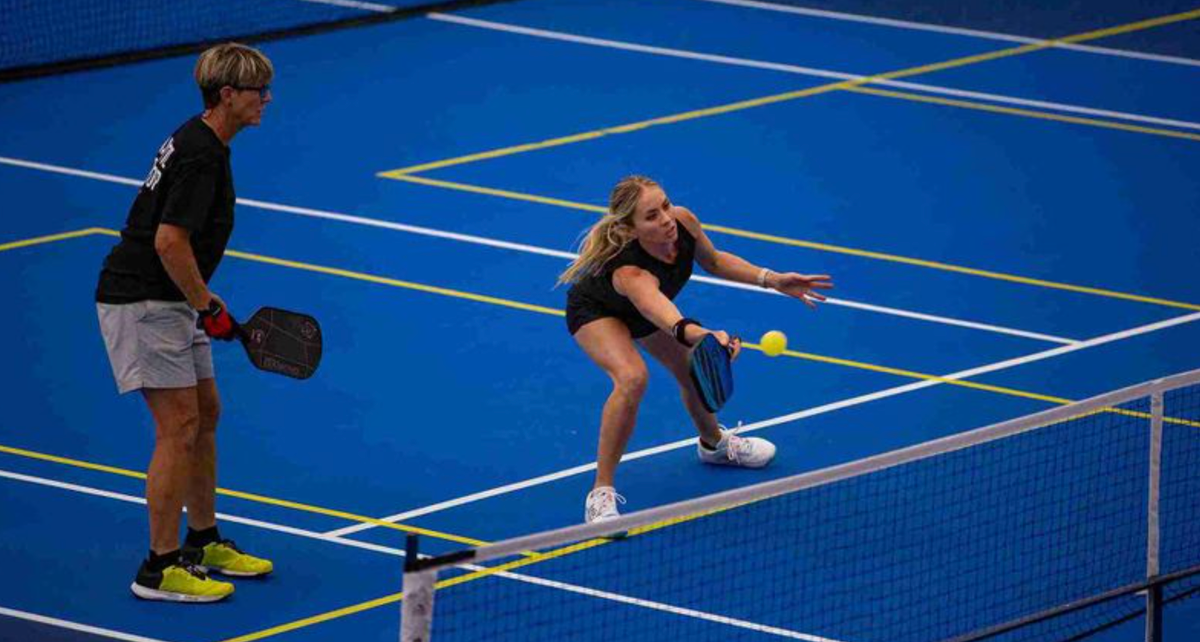
Fix 6: Develop a Closing Mentality
The closing mentality is almost entirely physical in how it starts and almost entirely mental in what it produces.
You know the feeling of playing from behind when something clicks in. The urgency sharpens. Every shot matters.
The goal when you have a lead is to manufacture that same urgency on purpose, not wait until you need it.
Here is what that looks like in practice.
- First, stay low and stay athletic. When you are up big, the tendency is to stand tall and play casual. Do the opposite. Get even lower before each shot than you were at the start of the match. Your body tells your brain this is serious. Working on your lateral movement in practice builds that ready position into muscle memory.
- Second, control your breathing. When players get comfortable with a lead, breathing gets shallow and lazy. Breathe like you are about to start a workout. Deep breaths lower your heart rate and keep you calm when the other team starts cutting into the score.
- Third, watch the ball all the way through contact. This is the most concrete focus point you have. Not the score, not your opponent's expression, not the gap between you and the win. Watch the ball. Make clean contact. Repeat. Grip pressure is directly connected to how cleanly you make that contact, and staying mindful of it late in a match makes a measurable difference.
The irony of the closing mentality is that playing more athletically actually conserves energy.
You close the match faster instead of dragging it out across five more shaky points.
Combine athleticism, breathing, and ball focus and you will find yourself closing out matches that used to slip away.
The mental side of this goes deeper than most players realize, and training it specifically pays off in moments exactly like these.
These six fixes do not require better technique. They require better awareness and discipline when the pressure is highest. T
hat is something you can start doing in your next match.
The lead is yours. Now you know how to keep it.
Frequently Asked Questions
Why do I keep losing big leads in pickleball?
The most common reason is a shift in behavior when you get comfortable. Players stop doing what built the lead, start going for low-percentage shots, and let unforced errors pile up. The fix is staying disciplined with deep serves, deep returns, and simple third shots until the match is actually over.
What is the best strategy for closing out a pickleball match?
Keep doing whatever got you the lead in the first place. If you were targeting a backhand, keep targeting it. If the middle ball was creating confusion, keep using it.
Do not switch strategies just because the score feels safe.
How do I control momentum in pickleball?
When you are hot, serve fast and hustle to retrieve the ball to keep the pace up. When they are on a run, slow the pace down by taking more time between points, using a towel, or walking the ball back calmly. Both are legal and both are effective.
What should I do differently on my serve when I am ahead?
Hit it deep with real pace or high spin, and target the opponent's weaker side, usually the backhand. A soft, casual serve removes the pressure you want them to feel. A deep, bouncing serve to an uncomfortable spot forces a weak return and makes your third shot much easier.
How can I and my partner communicate better at the end of a close match?
Call "me" or "you" on every ball that could go to either player, especially middle balls. Use hand signals before returns to direct where your partner should aim. Talk briefly between points about what is working and keep reminding each other of the strategy that built the lead.

Love Pickleball? Join 100k+ readers for free weekly tips, news & gear deals.
Subscribe to The Dink