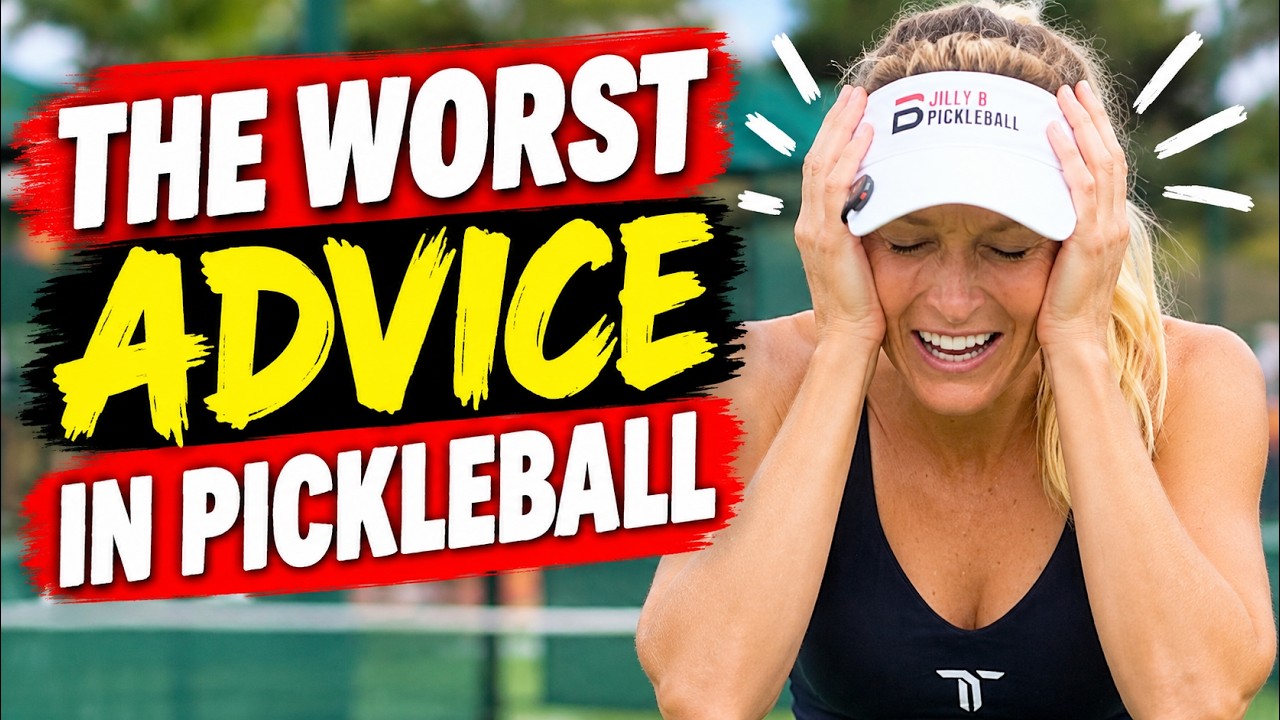
Anna Bright, the #2 pickleball player in the world, breaks down the exact pickleball improvement tips that separate pros from amateurs. From drilling habits to mental resilience, here's what actually moves the needle.
The gap between a casual player and a competitive one isn't always talent.
Anna Bright, the #2 pickleball player in the world, recently laid out the exact pickleball improvement tips that have defined her rise through the sport.
And here's what's refreshing: none of them require you to be naturally gifted. They require you to be intentional.
In a recent video on her channel, Bright walks through five core reasons she's better than most players at pickleball.
But more importantly, she explains how those reasons can apply to anyone serious about getting better.
These aren't flashy techniques or secret paddle tricks. They're habits. And habits, unlike talent, are something you can actually control.
Love pickleball? Then you'll love our free newsletter. We send the latest news, tips, and highlights for free each week.
1. Drill More Than You Play Rec
Let's start with the most obvious one that almost nobody actually does: drilling.
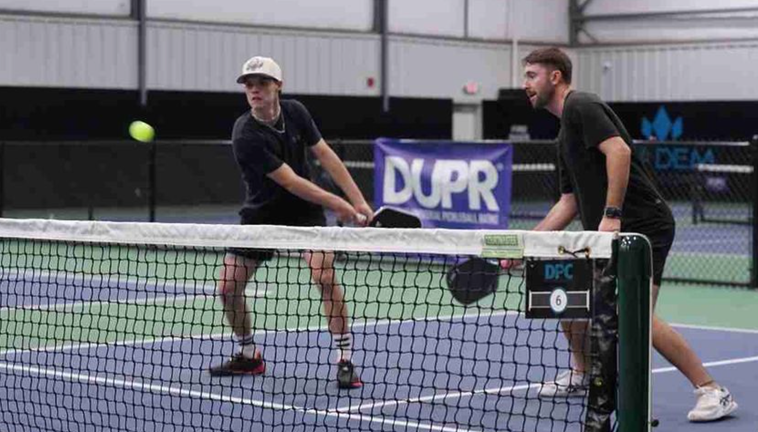
Bright drills significantly more than she plays recreational games. She estimates a 65-35 split, sometimes even 3-to-1 in favor of drilling.
That's not a typo. For every game of rec she plays, she's drilling three times.
Here's why this matters. When you play rec, you're reacting. You're trying to win the point. When you drill, you're building.
You're getting more touches on the ball, refining new skills, and getting dedicated repetitions on shots you're weak at. Rec is fun. Drilling is work.
 Alex E. Weaver
But drilling is what breaks through plateaus.
Bright admits she barely drilled in her first year of pickleball because she was improving so fast just from playing. But eventually, everyone hits a wall.
And when you do, drilling is the only thing that gets you through it faster.
The implementation pipeline matters here. You don't go from not having a shot to using it in matches overnight.
You drill it, test it in rec, then deploy it in competition. That progression only works if you're actually drilling.
2. Hate Missing More Than You Hate Losing
This one's psychological, but it's also measurable.
Bright hates unforced errors. Not the kind where you're going for a speed-up and it doesn't work out.
The kind where you just give your opponent a free point because you weren't focused. And she's not alone.
The pros who regularly make quarters, semis, and finals all share this trait.
Here's the thing: almost everyone watching her video could improve by half a rating point just by reducing unforced errors by 10 percent.
That's not a guess. That's the math of pickleball. So much of improvement is literally just missing less.
Ben Johns, the #1 player in the world, is apparently disgusted by his own errors even in practice.
If the best player on the planet cares that much about not missing, you should too.
Not to the point of derailing your whole session, but enough that it bothers you. Enough that you notice it and adjust.
This is where mental toughness enters the conversation. You're not building a better forehand by ignoring your mistakes.
You're building a better player by acknowledging them, feeling something about them, and then fixing them.
The Dink Media Team
3. Try Harder in Rec Than You Think You Should
Rec is practice. But practice how you play, not how you feel like playing that day.
Bright tries hard in recreational games. She and her practice partner Anna Leigh Waters are, by her own admission, "pretty psycho" about winning even in rec.
They emote. They say "come on" to each other. They care about the outcome.
This doesn't mean making tight line calls or being a nightmare to play with. It means bringing intention to every session.
Every shot you hit either makes you better or makes you worse.
If you're being lazy with your footwork in rec, you're building bad habits that will show up in matches.
If you're making poor decisions just because it's casual play, those decisions will haunt you when the pressure's on.
The standard you hold yourself to in practice becomes your default in competition.
So if you're sloppy in rec, you'll be sloppy when it counts.
The Dink Media Team
4. Watch Yourself Play (Yes, Really)
This one makes people uncomfortable. But it works.
Bright watches herself play religiously. Not to relive winning moments, but to learn. She watches full matches, especially ones where she didn't play well.
And she notices things she'd never catch in the moment.
When you watch footage of yourself, you see tendencies you're blind to during play.
- You notice your technique isn't as clean as you thought.
- You realize you miss certain shots more than you believed.
- You discover you make way more errors than you expected.
- You might realize you're not getting to the kitchen nearly enough.
Knowledge is power. If you don't know what you're doing wrong, you can't fix it.
Bright recently watched footage of herself playing Ben Johns and realized she wasn't mixing up her spots on a certain shot like she thought she was.
Ben knew this. Ben was sitting on it. She only learned it by going back and watching.
The discomfort is temporary. You'll feel slow. You'll look uncoordinated. But with exposure, it gets easier. And the improvement is real.
5. Watch Other Players More Than You Watch Yourself
Here's the secret that top pros don't really hide: they copy each other.
Bright watches other players constantly. Not just pros at her level, but peers and players slightly better than her.
She learned her forehand misdirect up the line by watching Vivian David religiously.
She'd rewind YouTube videos 10 seconds at a time, watching the same shot over and over until her subconscious figured it out.
Ben Johns has said openly that he's copied so many people and picked up bits and pieces from their games.
Heads up: hundreds of thousands of pickleballers read our free newsletter. Subscribe here for cutting edge strategy, insider news, pro analysis, the latest product innovations and more.
Most of how Bright got good is copying stuff from other players and adapting it. She can point to specific people she got most of her shots from.
This is the cheat code nobody talks about. You don't improve in a vacuum. You improve by studying the people around you and stealing what works.
When Bright practices with Anna Leigh Waters, she watches her hit a good shot and immediately does a shadow swing, trying to figure out how she did it.
The broader point: all top pros are a blend of shots they've seen throughout their careers. No one invents pickleball in isolation.
You learn by watching, copying, and adapting.
The Dink Media Team
Why These Five Tips Matter Right Now
The pickleball world is getting more competitive every year. The gap between casual and competitive is widening.
But here's what Bright's framework shows: you don't need a tennis background or natural talent to close that gap. You need intention.
- You need to drill more than you play.
- You need to care about your errors.
- You need to bring effort to practice.
- You need to study yourself.
- You need to study others.
These aren't revolutionary ideas. But they're also not what most players are actually doing. Most players are playing rec, having fun, and wondering why they're not improving.
Bright is drilling, hating her mistakes, trying hard in practice, watching footage, and copying the best players around her.
The difference isn't talent. It's discipline.
Frequently Asked Questions
What's the best ratio of drilling to recreational play?
Bright recommends a 65-35 split in favor of drilling, though she sometimes does a 3-to-1 ratio. The exact split depends on your level and goals, but the principle is clear: you should be drilling significantly more than you're playing rec if you want to break through plateaus.
How do I stop making unforced errors?
Start by noticing them. Watch footage of yourself playing and count how many unforced errors you make. Then bring that awareness to your next session. You don't need to get angry about it, but you should feel something. The pros care deeply about not giving away free points, and that mindset is learnable.
Is it really necessary to watch myself play?
Yes. Watching footage reveals tendencies, technique flaws, and decision-making patterns you can't see in real time. Start with one full match and take notes. It's uncomfortable at first, but it's one of the fastest ways to improve.
Can I learn by watching pros if I'm only a 3.0 or 4.0?
Absolutely. You can learn footwork, positioning, shot selection, and tendencies from players at any level. Bright learned by watching players slightly better than her and studying their movement patterns. The key is watching with intention, not passively.
How do I practice like I play in matches?
Bring effort and intention to every session. Care about the outcome. Use good footwork. Make smart decisions. Treat rec like it matters, because the habits you build there will show up when the pressure's on.

Love Pickleball? Join 100k+ readers for free weekly tips, news & gear deals.
Subscribe to The Dink