An advanced pickleball player doesn't just hit harder or faster. They think differently about the game, from footwork to strategy to mental toughness. Here are the 10 habits that separate the best from the rest.
If you've been playing pickleball for a while, you've probably noticed something: the gap between intermediate and advanced players isn't just about power or athleticism.
An advanced pickleball player thinks about the game differently. They move differently. They make decisions faster. 3 pickleball skills that separate average from advanced players is the companion read that puts Ignatowich's habits in a skill-based framework.
And they do things that most casual players never even consider.
Ava Ignatowich, a professional pickleball player on the PPA Tour, recently broke down exactly what separates the elite from everyone else.
Her insights aren't about flashy shots or highlight-reel moments. They're about the unglamorous, repeatable habits that win matches.
Love pickleball? Then you'll love our free newsletter. We send the latest news, tips, and highlights for free each week.
1. The Footwork Foundation: Why Split Step Timing Separates Advanced Pickleball Players
Here's what most players get wrong about the split step: they think it happens when their opponent hits the ball. Wrong.
An advanced pickleball player splits steps before their opponent makes contact.
Why? Because you need time to react.
If you're at the kitchen and you split step at the exact moment your opponent strikes the ball, you're coming out of that split step right when you need to react to a speed-up. That's too late.
By splitting step early, you buy yourself precious milliseconds. Those milliseconds are the difference between a defensive pop-up and a controlled reset.
This is one of those habits that separates casual players from serious competitors. Split step pickleball: the ready position most players skip drills this exact timing into a repeatable habit that any advanced pickleball player can build fast.
It's not complicated. It's just a matter of understanding the geometry of the game.
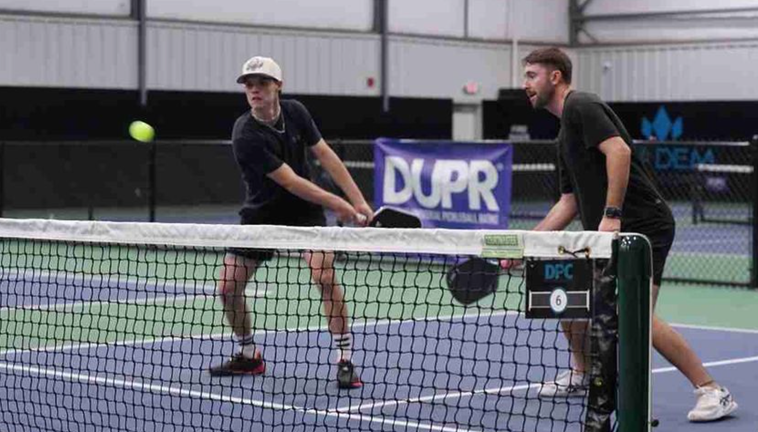
2. Staying Low at the Kitchen: The Posture That Changes Everything
You'll rarely see an advanced pickleball player standing upright while dinking. Ever notice that? There's a reason.
When you stay low with a good bend in your knees, your reaction time improves dramatically.
- You can move laterally faster.
- You can get to balls you'd otherwise miss.
It's biomechanics, plain and simple.
Your center of gravity is lower, your muscles are primed, and your body is ready to explode in any direction. Beginners often stand too tall at the kitchen.
They think they're in a ready position, but they're actually in a vulnerable one.
An advanced pickleball player knows that staying low isn't just about looking athletic. It's about being athletic.
Perfecting pickleball posture as the foundation for better control and balance makes staying low the non-negotiable starting point of every advanced pickleball player's kitchen game.
 The Dink Media Team
3. Dead Dinks Don't Stay Dead: How Elite Players Recognize the Attack Window
Here's a concept that separates intermediate from advanced: dead dinks. A dead dink is a soft shot that lands low and doesn't have much pace.
Most players see a dead dink and think, "Okay, I'll just dink it back."
An advanced pickleball player sees a dead dink and thinks, "Attack."
Why? Because advanced pickleball players understand that the team that attacks first wins the point more often.
A dead dink is the easiest opportunity to start an offensive sequence.
- You can speed it up.
- You can hit an aggressive dink back.
- You can take the initiative.
And once you do, the momentum shifts.
This is strategic thinking. It's not about being aggressive for aggression's sake. It's about recognizing the moment when the court is yours to take.
The 4 rules of a successful pickleball attack are built around this exact dead dink principle, and internalizing them is one of the fastest ways to start thinking like an advanced pickleball player.
The Dink Media Team
4. Recovery: The Shot After the Shot That Defines Advanced Pickleball Play
After an advanced pickleball player hits the ball, they don't watch it. They recover.
Recovery means moving back to where you should be on the court based on where you hit the ball and where your partner is positioned.
It sounds simple, but most amateur players miss this entirely. They hit a shot and then stand there, watching the rally unfold.
Meanwhile, an advanced pickleball player is already repositioning, already preparing for the next shot. This habit compounds over time.
- Every shot you hit, you recover.
- Every rally, you're in the right place.
Over the course of a match, that's dozens of extra opportunities to be in position. That's dozens of extra chances to make a play.
Pair this habit with the 5 pickleball shots you must master to break 5.0 and your advanced pickleball player improvement curve accelerates fast.
The Dink Media Team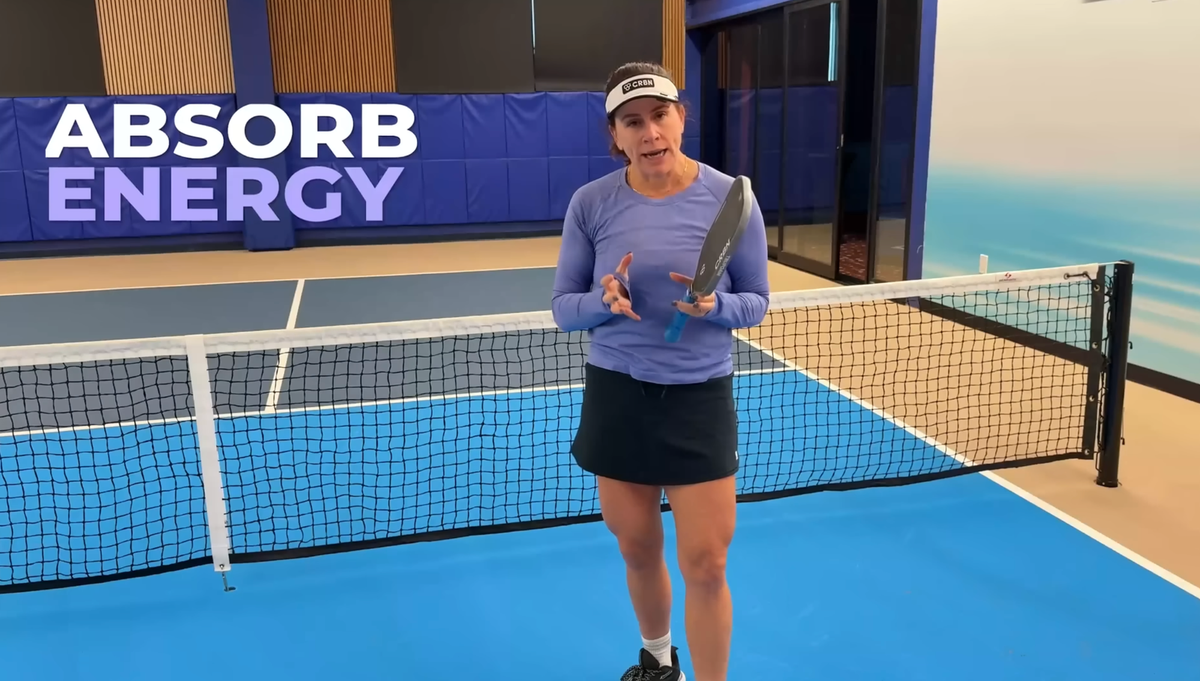
5. High Percentage Over Highlight Plays
Watch amateur players and you'll see them going for Ernies constantly. They're speeding up every ball, no matter how low it is or how far back they are.
They're trying to hit winners from impossible positions.
An advanced pickleball player doesn't play that way.
- They play high percentage pickleball.
- They hit shots with high margins for error.
- They favor middle dinks and crosscourt shots.
- They speed up the right balls, not every ball.
Here's the thing: advanced pickleball players don't work harder. They work smarter. They understand that consistency beats heroics.
A match is won through strategic, repeatable shots, not through one spectacular moment.
Why professional pickleball players abandoned the slice shot and smart shot decisions beat power in advanced pickleball together explain exactly how the elite think about shot selection at the highest level.
The Dink Media Team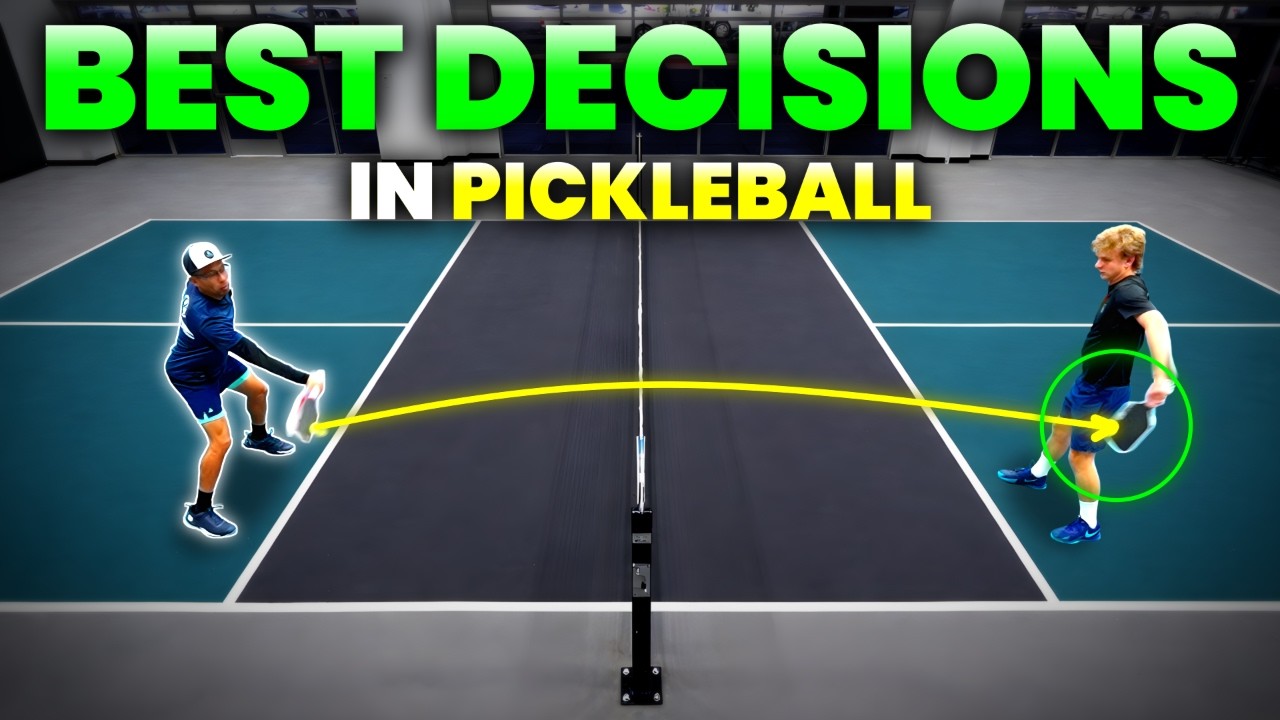
6. Film Study: How Advanced Players Watch Themselves to Level Up
One of the easiest ways to improve is also one of the most overlooked: watching yourself play.
An advanced pickleball player records their matches and reviews the footage. If they're struggling with a particular shot, they watch themselves hit it.
They see what they're actually doing versus what they think they're doing. Those two things are often very different.
Film study isn't glamorous. It's not fun. But it works.
- You can identify patterns in your game.
- You can see where you're making mistakes.
- You can go into your next practice with a specific strategy based on what you observed.
- The mental warfare elite 6.0 pickleball players engage in during every dink reveals the thinking patterns that film study helps you recognize and replicate.
The Dink Media Team
7. The Crosscourt Reset Advantage: Advanced Pickleball Strategy in the Transition Zone
Here's a concept that might blow your mind: advanced pickleball players reset crosscourt more often than they reset down the line.
The logic is straightforward. When you're in the transition zone hitting a reset, you have more margin for error going crosscourt. The distance is greater.
The ball has more time to dip before it crosses the net. You're more likely to land the reset in a low, defensive position.
Down the line, you have less distance to work with. The margin for error shrinks.
An advanced pickleball player understands this geometry and plays accordingly.
It's not flashy. It's just smart.
The four key strategies to winning in modern pickleball in 2026 give every advanced pickleball player a complete framework for applying this geometry across all shot types.
The Dink Media Team
8. Disguising Your Speed-Up: The Deception Skill That Wins Points
Amateur players telegraph their speed-ups. You can see it coming from a mile away.
Their takeback changes. Their paddle position shifts. You know what's coming.
An advanced pickleball player disguises their speed-up.
- They use the same takeback they'd use for a regular dink.
- They keep their paddle in the same position.
- Then, at contact, they accelerate through the ball and flick it forward.
Why does this matter? Because if your opponent doesn't see the speed-up coming, they're not prepared for it.
They don't take a step back. They don't have time to counter. You get a pop-up. You win the point.
This applies to out-of-the-air shots too. If you mix in dinks out of the air with speed-ups out of the air, your opponent can't predict what's coming.
The 6 pickleball shots shaping the game in 2026 breaks down exactly which shots belong in an advanced pickleball player's deception toolkit.
The Dink Media Team
9. Communication: The Underrated Doubles Skill That Advanced Pickleball Players Swear By
In doubles, an advanced pickleball player communicates constantly. They call "mine" or "you" on middle balls.
They say "go" or "up" to keep their partner informed. They're never silent.
Most amateur matches are eerily quiet. Players don't communicate. They don't know whose ball it is.
They don't know what's happening. Miscommunication leads to errors. Errors lose points.
An advanced pickleball player knows that communication prevents mistakes. It keeps both players on the same page. It builds confidence.
And it wins matches. Advanced pickleball doubles strategy shows how communication is at the core of every elite pairing, making it one of the most valuable reads for any advanced pickleball player working on their doubles game.
The Dink Media Team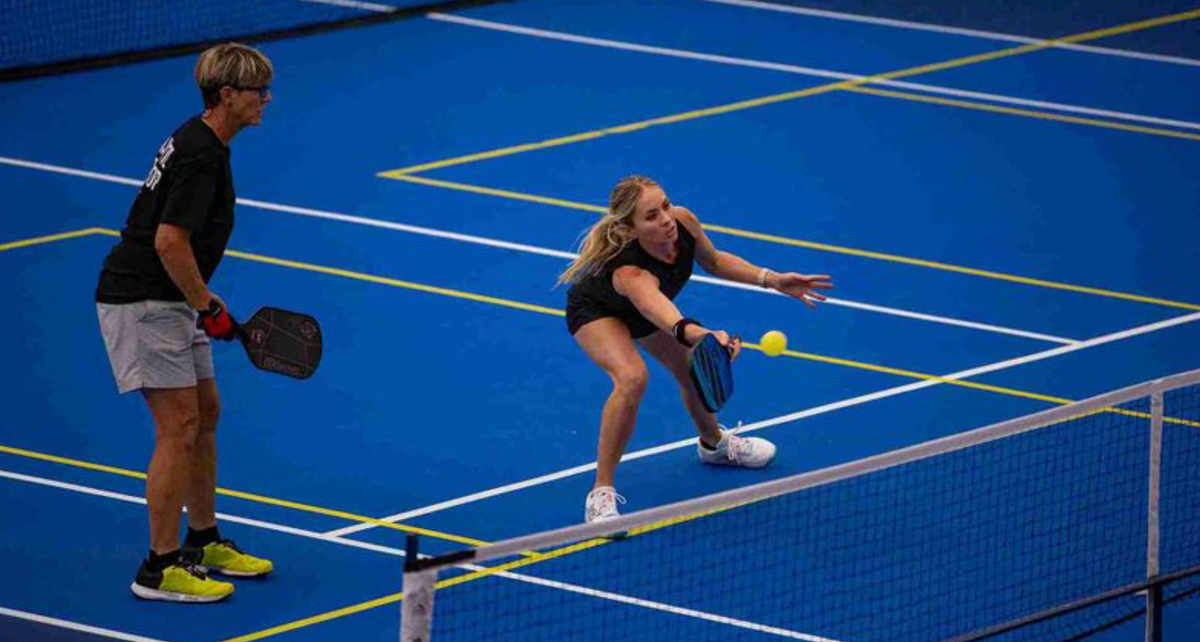
10. Expecting Every Ball to Come Back: The Mindset of an Advanced Pickleball Player
Here's a mindset shift that separates good players from great ones: an advanced pickleball player expects every ball to come back.
There's no such thing as hitting a winner in advanced pickleball. You split step until you visibly see your opponent miss the ball.
Only then do you come out of your ready position.
Why? Because at higher levels, most great shots do come back. Your opponents have better resets.
They have better athleticism. They have better gets. You can never relax. You can never assume the point is over.
This is a mental discipline. It's about staying engaged for every single shot, every single rally, every single point.
Understanding the 2026 pickleball rule changes helps sharpen this mindset even further, because knowing the rulebook gives every advanced pickleball player one fewer thing to second-guess on the court.
Frequently Asked Questions
What makes someone an advanced pickleball player?
An advanced pickleball player is defined by their strategic habits, not just their athleticism. They split step early, stay low at the kitchen, communicate constantly in doubles, and prioritize high-percentage shots over flashy plays.
Why do advanced pickleball players split step before their opponent hits?
Splitting step before contact gives you more time to react to what's coming. If you wait until your opponent strikes the ball, you're coming out of your split step exactly when you need to respond to a speed-up, which is already too late.
How much should I drill versus play matches to become a more advanced player?
Advanced pickleball players prioritize drilling over match play because drilling gives you more touches and builds muscle memory faster. In a match you get one out of four touches; in a drill, you get all of them.
What is a dead dink and why should advanced players attack it?
A dead dink is a soft, low shot with little pace that sits up and begs to be attacked. Advanced pickleball players recognize it as an offensive opportunity because the team that initiates first in these exchanges wins the point more often.
Why do advanced pickleball players reset crosscourt instead of down the line?
Resetting crosscourt gives you more distance and a larger margin for error. The ball has more time to drop before crossing the net, making it easier to land low and keep the rally neutral rather than handing your opponent an easy put-away.
For everything else we do, visit linktr.ee/dinkfam
Love Pickleball? Join 100k+ readers for free weekly tips, news & gear deals.
Subscribe to The Dink