
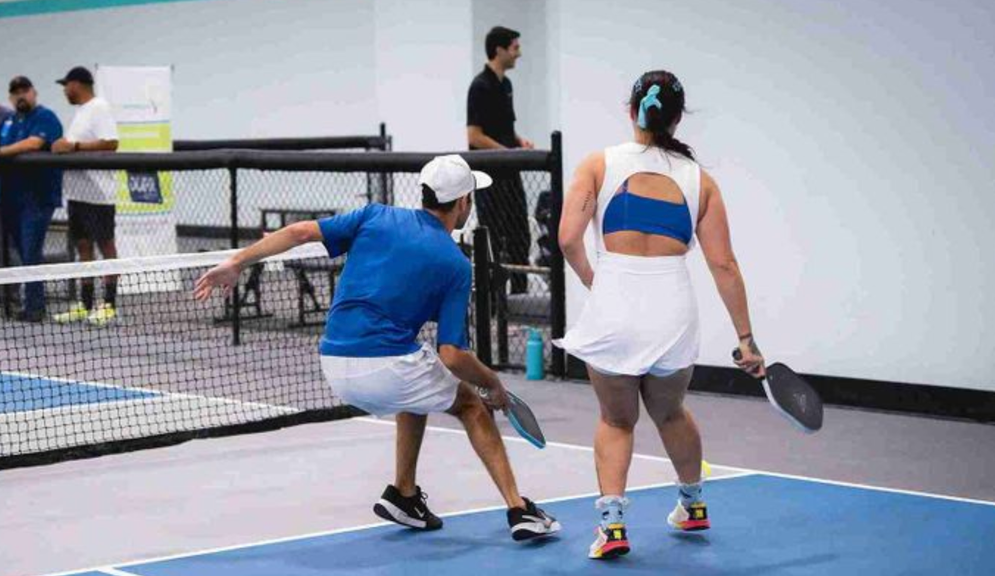
A fault in pickleball is any rule violation that immediately ends a rally and awards a point or side-out to the non-offending team. Understanding what is a fault in pickleball, and exactly which mistakes trigger one, is the fastest way to stop giving away free points on the court.
Knowing what is fault in pickleball is any violation that immediately stops the rally, giving the non-offending side either the point or the serve.
That's the clean definition.
But the list of ways you can commit one is longer than most players realize, and several of them trip up even experienced 4.0+ players on a regular basis.
Know what counts as a fault, and you stop donating free points. It really is that simple.
Love pickleball? Then you'll love our free newsletter. We send the latest news, tips, and highlights for free each week.
What Is a Fault in Pickleball, Exactly?
A fault in pickleball is defined as any action that violates the rules and results in a dead ball.
Per USA Pickleball's 2025 Official Rulebook, a fault ends the rally instantly. There's no playing through it, no reviewing it after the point.
The moment a fault occurs, the rally is over.
Here's the critical distinction players miss: who committed the fault determines what happens next.
If the serving team faults, the serve passes to the opponent (a side-out in singles, or to the second server in doubles).
If the receiving team faults, the serving team scores a point. Understanding that consequence is what makes fault awareness so valuable competitively.
For a deep look at how this plays out in doubles, our doubles rules breakdown is worth reading.
What Are the Most Common Types of Faults?
Most faults fall into five major categories: serve violations, kitchen violations, the two-bounce rule, out-of-bounds, and net violations.
Let's go through each one and explain exactly where players go wrong.
Serve Faults: Where Rallies Die Before They Start
A serve fault happens when the server violates any of the rules governing how and where the ball must be served.
According to USA Pickleball Rule 4.A, the serve must be hit with an upward arc, contact must be made below the waist (navel level), and the paddle head must be below the wrist at contact.
When players ask what is a fault in pickleball on the serve side, these are the most common answers:
- Foot fault: One or both feet touch the baseline or the court surface (including the sideline extension) before the ball is struck.
- Wrong court: The ball lands in the non-diagonal service box, or outside the service area entirely.
- Illegal motion: The paddle head is above the wrist at contact, or the ball is struck with a downward motion.
- Short serve: The ball fails to clear the kitchen line and lands in the non-volley zone.
The serve is one of the most scrutinized parts of the game right now.
Zane Navratil's serve study broke down how spin serves pushed legal boundaries before USA Pickleball banned the chainsaw serve in 2021.
And if you want to understand exactly how to use your serve as a weapon without crossing any legal lines, this piece on weaponizing your serve covers it well.
What Is a Fault in Pickleball's Non-Volley Zone?
This is the one that causes the most arguments at rec play. The non-volley zone, universally known as "the kitchen," is the 7-foot area on each side of the net.
You cannot volley (hit the ball out of the air) while standing in the kitchen or touching the kitchen line.
The kitchen fault rule goes further than most players know. Here's the exact language from USA Pickleball Rule 9.B:
A player volleys a ball from the non-volley zone.
This includes when the player's momentum carries them into or they touch the non-volley zone after volleying a ball.
That momentum clause is the killer.
You can jump from behind the kitchen line to hit a volley, but if your forward momentum carries your foot into the kitchen even after contact, it's still a fault.
Your partner's paddle touching the kitchen line? Also a fault. It's comprehensive.
For a detailed breakdown of how to position yourself legally and effectively, this guide on kitchen positioning is one of the most practical reads on the site.
 The Dink Media Team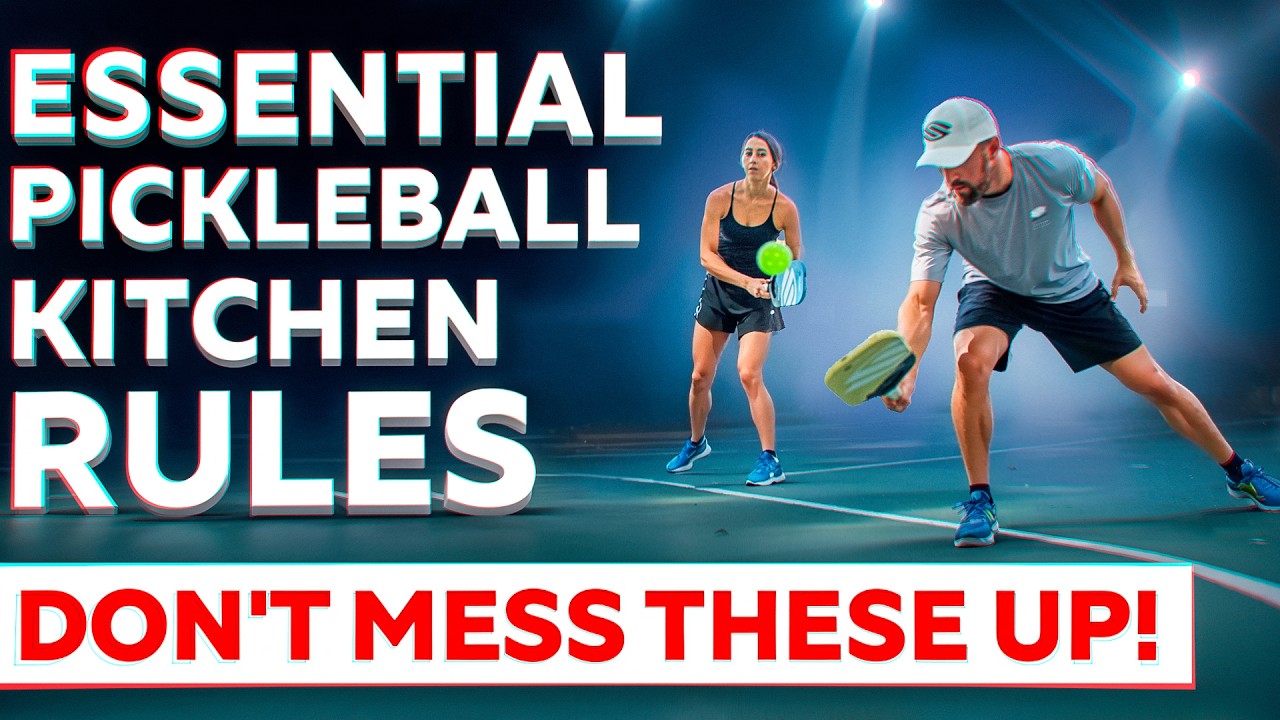
The Two-Bounce Rule: A Fault Players Forget Early On
The two-bounce rule (sometimes called the double-bounce rule) states that the serve must bounce once before the receiving team hits it, and then the return must also bounce once before the serving team hits it.
Both teams must let the ball bounce on the first shot of the rally.
Violation? That's a fault. Specifically:
- The server's team volleys the return of serve before it bounces.
- The receiving team volleys the serve before it bounces.
This rule exists to prevent the serving team from rushing the net for an immediate volley advantage.
Once both bounces have occurred, either team can volley freely.
Understanding your return of serve is deeply connected to this rule because a deep, high return eliminates the serving team's ability to volley early.
 The Dink Media Team
Out-of-Bounds: The Fault That Feels Obvious (Until It Isn't)
Any shot that lands outside the court boundaries is a fault. But a few sub-cases trip people up:
- A ball that clips the net post and lands out is a fault.
- A ball that lands on the kitchen line on a serve is a fault (the kitchen line is in-bounds during regular play, but out on a serve).
- A shot that passes under the net is a fault.
- A ball that goes through the net (in rare cases of net damage) is a fault.
Line calls are self-officiated in most recreational play, which is its own rabbit hole.
The episode on line call controversies gets into exactly how thorny this gets at higher levels of competition.
 The Dink Media Team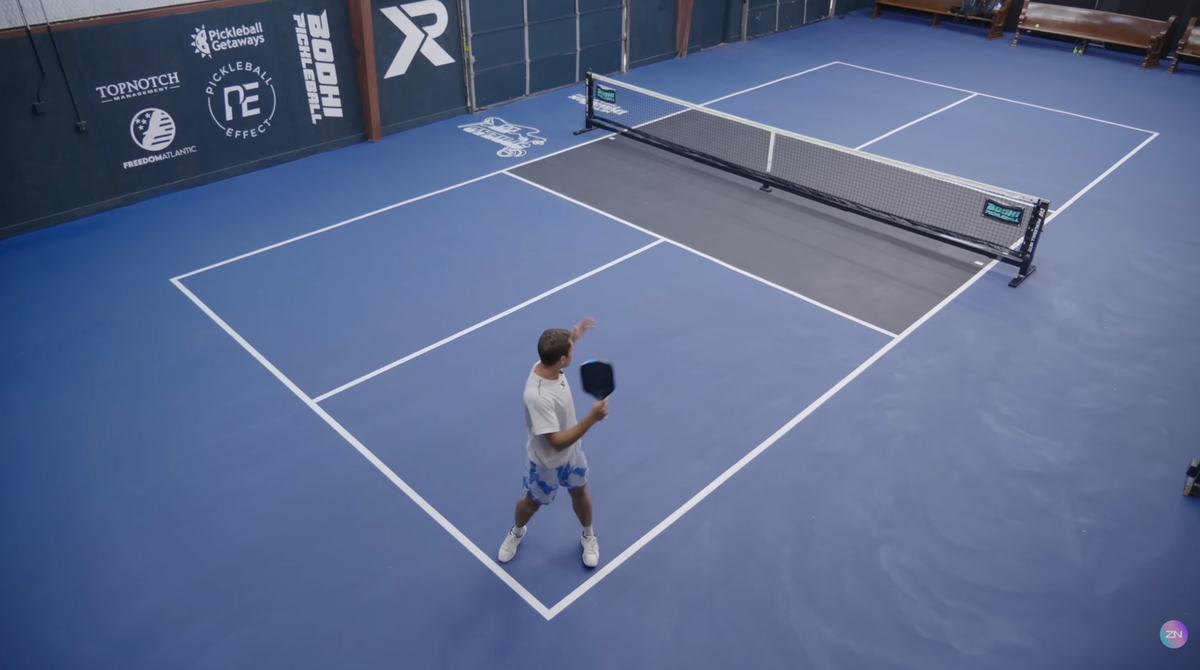
Net and Ball Faults: The Easy Ones to Remember
Rounding out what is a fault in pickleball: net and ball violations. These are straightforward but still worth listing:
- Hitting the net: Any shot that fails to clear the net is a fault.
- Touching the net: If a player, their clothing, or their paddle touches the net while the ball is in play, that's a fault.
- Letting the ball bounce twice: If the ball bounces twice on your side before you hit it, the rally is over.
- Catching or carrying the ball: If the ball rests on the paddle face rather than being cleanly struck, that's a fault.
- Distraction calls: Deliberately distracting an opponent is a fault per USA Pickleball's code of conduct provisions.
 Alex E. Weaver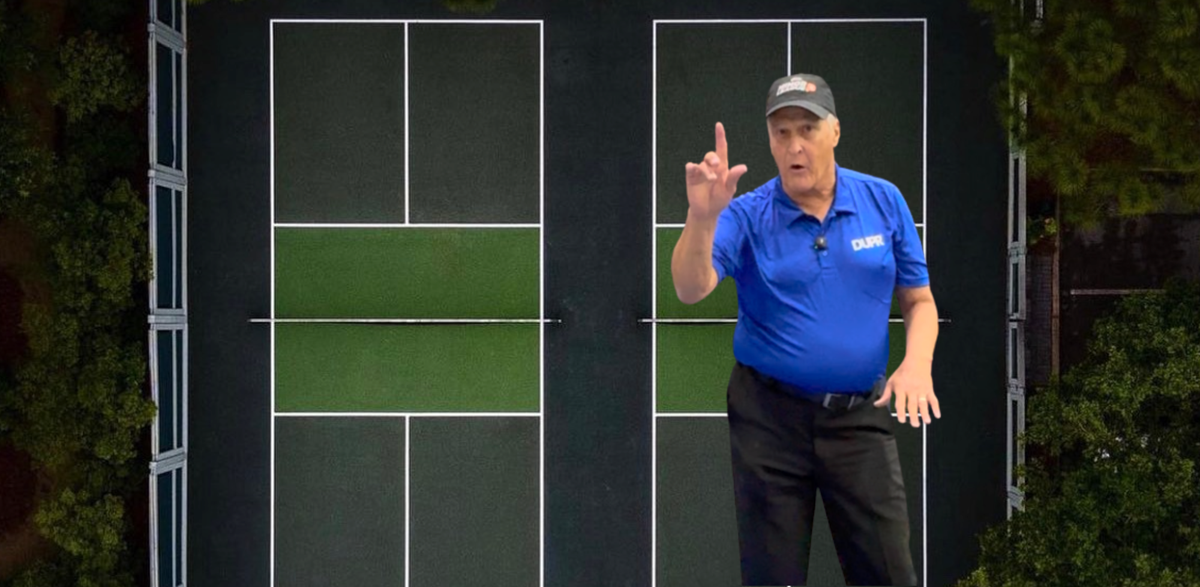
Does a Fault Always Result in a Point?
Not automatically. This depends entirely on which side commits the fault.
In traditional pickleball scoring (rally scoring is used in some formats, but standard rec play and most tournaments use sideout scoring):
- Serving team faults: The serve passes. In doubles, the second server gets the serve; after both servers fault, it goes to the opposing team.
- Receiving team faults: The serving team scores a point.
This is why understanding serve dynamics matters strategically.
Forcing your opponent into a fault through smart placement isn't just satisfying; it's the core of how high-level pickleball is played.
For new players still getting oriented, these three beginner tips connect fault awareness to overall game improvement in a really clear way.
 Robert S Cormack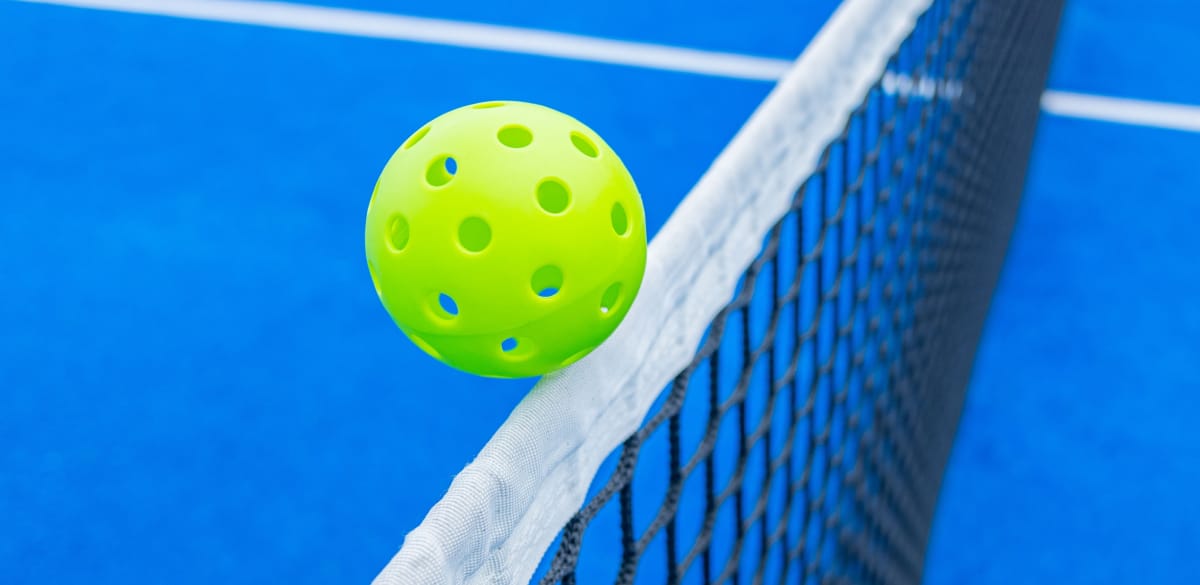
What Is a Fault in Pickleball During Doubles vs. Singles?
The fault types are identical in both formats. What changes is how the fault affects serve rotation.
In doubles, the serving side has two servers. The first server who commits a fault loses the serve to their partner (the second server).
After both servers fault, the serve passes to the opposing team. This is called a "side-out."
The exception is at the very start of the game: the team that serves first only gets one server before a side-out.
In singles, there's only one server per side. A serving fault means the serve goes directly to the opponent.
It's simpler, but the stakes per fault feel higher because there's no second-server cushion.
The doubles strategy piece covers how fault management directly affects momentum swings in team play.
 The Dink Media Team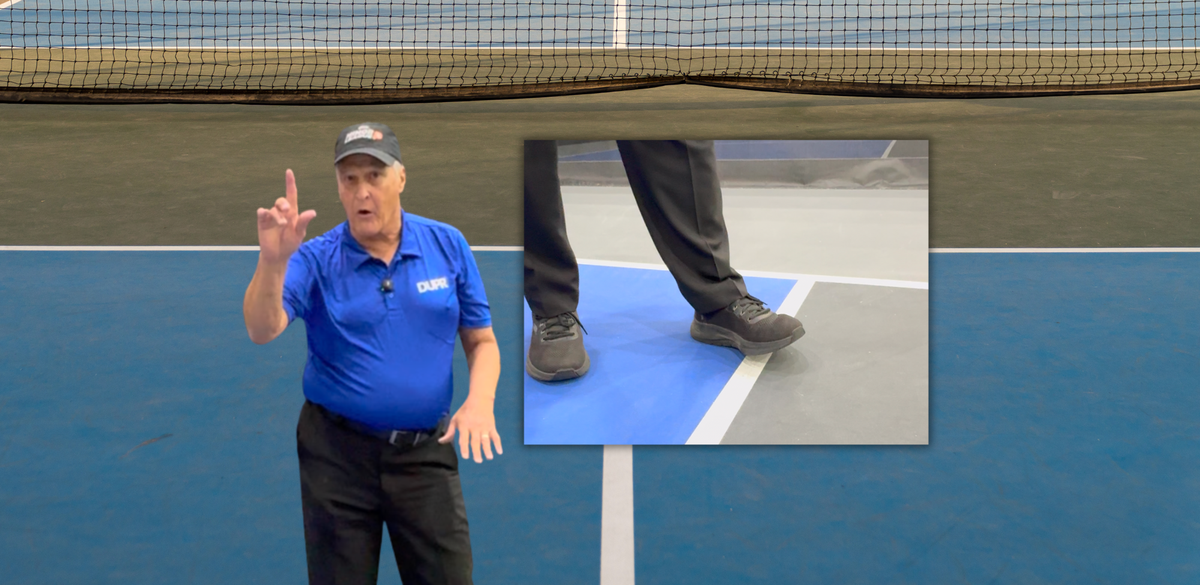
How to Stop Committing Avoidable Faults
Knowing what is a fault in pickleball is step one. Drilling out the habits that cause faults is step two.
The most commonly self-inflicted fault categories for intermediate players:
- Kitchen momentum faults: Fix this by stopping your forward drive after a volley. Practice staying behind the line.
- Serve foot faults: Video yourself serving. Most players don't realize their foot is drifting over.
- Double-bounce violations: Train your feet to recognize the serve trajectory early and hold position.
- Out-of-bounds aggression: Unforced errors from trying to rip a winner. The five shots you need to know give you better, safer options than the high-risk swings.
Structured drills help close these gaps faster than casual play.
Solo drills are a smart way to isolate your serve mechanics and foot positioning without needing a partner on court.
And if you want to identify what's quietly costing you games, this piece on mistakes amateur players make is a reliable diagnostic.
The best players aren't just skilled. They're disciplined about not handing opponents free points.
Every fault you eliminate from your game is a free shot at winning more rallies.
The rule changes that came through in recent seasons have made some of these lines even clearer, and this episode on rule changes tripping everyone up is worth a listen if you want to stay current.
 The Dink Media Team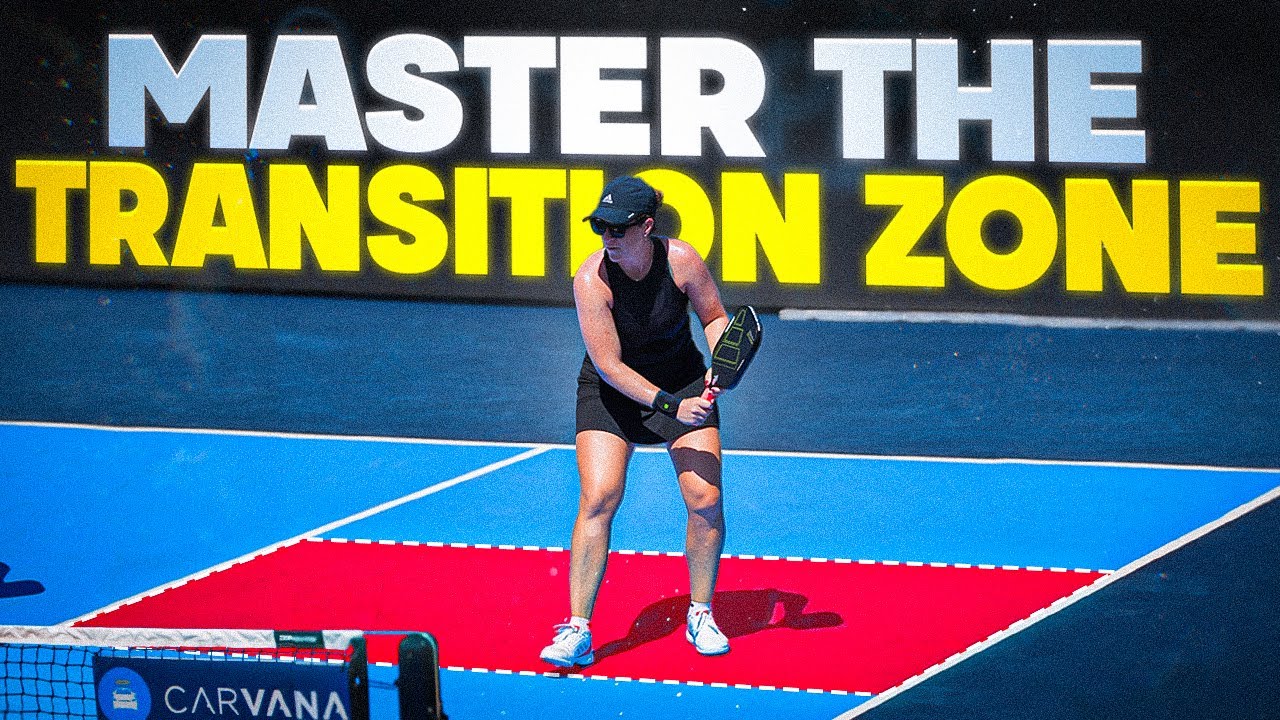
Key Takeaways
- A fault is any rule violation that ends a rally immediately.
- The most common fault types are serve errors, kitchen violations, double-bounce rule violations, and out-of-bounds shots.
- Only the serving team scores in traditional pickleball; a fault by the serving side results in a side-out, not a point for the receiver.
- Kitchen faults (non-volley zone violations) are the most misunderstood category, especially regarding momentum.
- USA Pickleball's official rulebook governs all fault rulings in sanctioned play.
Frequently Asked Questions
What is a fault in pickleball when the ball hits the net?
A ball that hits the net and fails to cross to the other side is a fault, and the rally ends immediately. However, if the ball hits the net and still lands in the correct service box on a serve, it is a let, not a fault, and the serve is replayed. During regular rallies, any ball that clips the net and still lands legally in bounds is playable.
Is stepping on the kitchen line a fault in pickleball?
Yes. Touching the non-volley zone line with any part of your body while volleying (or immediately after volleying due to momentum) is a fault. The line itself is considered part of the kitchen. This includes your foot, paddle, clothing, or any other body part touching the line at the moment of or following a volley.
What happens when you commit a fault on a serve?
If the server commits a fault, they lose the serve. In doubles, the serve passes to the second server on the same team. Once both players on a team have served and faulted, the ball goes to the opposing team (a side-out). In singles, a serving fault means the serve transfers directly to your opponent.
Can a pickleball fault be called by the opposing team?
In self-officiated recreational play, either team can call a fault they witness, including their own. Kitchen violations and foot faults are most often called by the non-offending team. In sanctioned tournament play with referees, the referee makes official fault calls. Players can appeal to the referee, but the call stands unless overturned per USA Pickleball's referee protocols.
What is the most common fault in pickleball?
Kitchen violations and serve faults are the two most frequently committed fault types at the recreational level. Specifically, the momentum-into-the-kitchen fault catches players off guard because the violation occurs after the volley is already struck. At the advanced level, unforced out-of-bounds errors become the leading fault type as serve mechanics tend to improve with experience.
Love Pickleball? Join 100k+ readers for free weekly tips, news & gear deals.
Subscribe to The Dink