

This advanced pickleball drilling routine focuses on building consistency, cleaner attacks, and faster hands under pressure.
Ever wonder what separates a 5.0+ player from everyone else? The answer isn't flashy shots or raw athleticism.
It's a pickleball drilling routine built on progression, consistency, and relentless repetition.
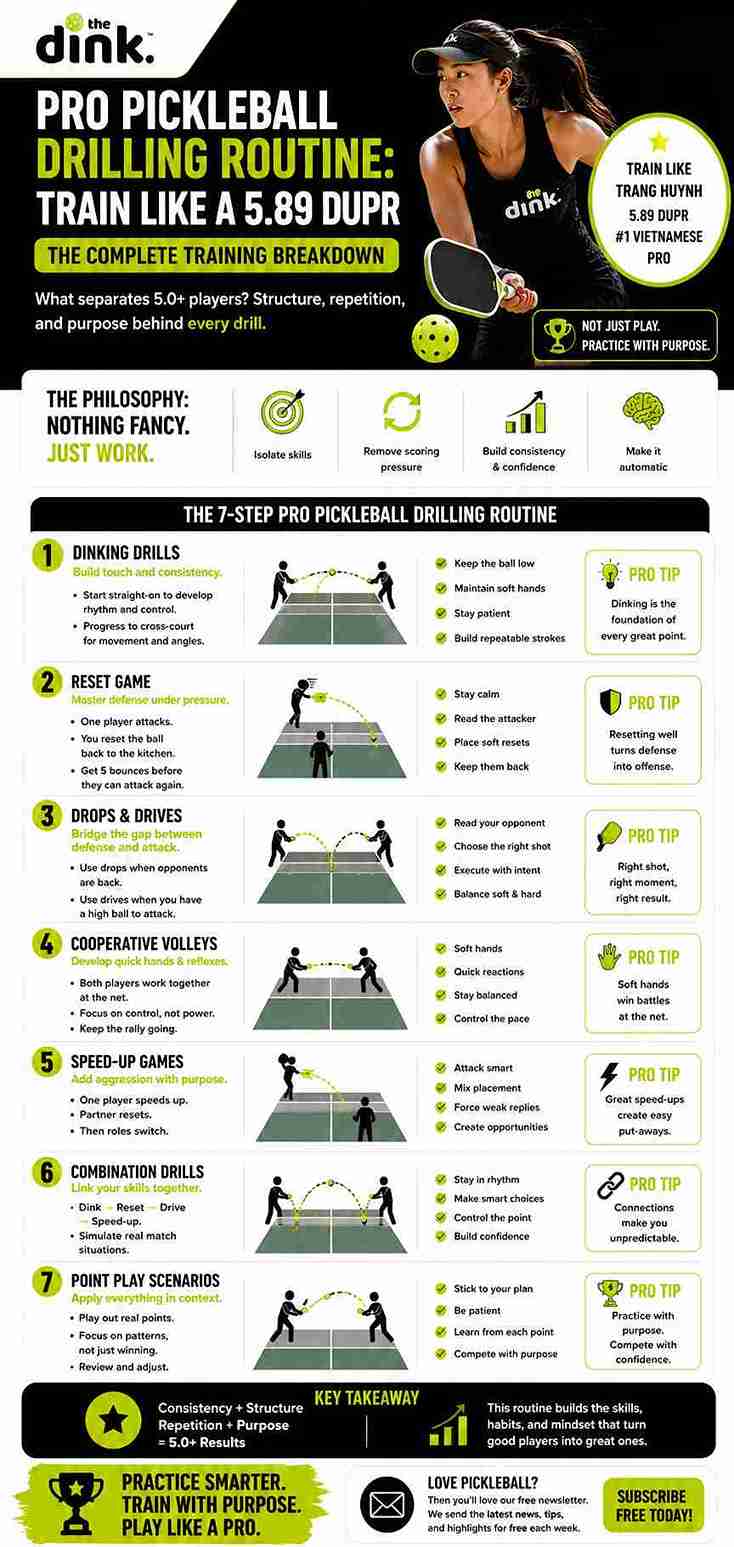
In a recent episode of "Court Work," Cori Elliott trained alongside Trang Huynh, a 5.89 DUPR player and the #1 Vietnamese pro, to break down exactly how elite players structure their pickleball drilling routine. How much you should drill vs. play, according to a top pro who did the math is the perfect primer before diving into this session.
This is what real improvement looks like.
Love pickleball? Then you'll love our free newsletter. We send the latest news, tips, and highlights for free each week.
What Makes a Pickleball Drilling Routine Different From Regular Play?
The biggest misconception about pickleball training is that playing matches equals improvement. It doesn't.
A structured pickleball drilling routine isolates specific skills, removes the pressure of scoring, and forces you to repeat movements until they become automatic.
Trang's approach proves this philosophy works.
 Alex E. Weaver
"Nothing fancy. Just work," as the video description states. That's the entire philosophy behind her training methodology.
Rather than playing full games, Trang breaks her practice into progressive drills that build on each other.
Each drill has a specific purpose: dinking drills develop touch and consistency, reset games teach defensive positioning, and speed-up combos build offensive aggression under pressure.
The progression matters more than the individual drills.
You don't jump straight into speed-up combos if your dinking foundation is shaky. This is the core difference between a structured pickleball drilling routine and just hitting balls around.
You build from the ground up, which is exactly what Trang demonstrates throughout the session.
Starting With the Foundation: Dinking Drills
How Dinking Anchors Every Pickleball Drilling Routine
Every elite pickleball drilling routine begins at the kitchen line. Dinking is the most important shot in pickleball, and Trang treats it that way.
She starts with straight-on dinking before moving to cross-court patterns, a deliberate progression that builds consistency before adding complexity.
In straight-on dinking, both players stand directly across from each other and exchange soft shots over the net.
The goal isn't to win points; it's to develop touch, timing, and rhythm.
Trang focuses on keeping the ball low, maintaining a consistent stroke, and building the muscle memory that separates pros from amateurs.
Cross-court dinking adds a directional element. Players now have to move laterally while maintaining their dinking consistency. This is where the real work happens. Pickleball's hardest dinking drill is worth adding once the basics feel automatic.
The court becomes wider, the angles change, and players must adjust their footwork and paddle positioning on the fly.
The Reset Game: Teaching Defensive Smarts
After dinking, Trang moves into what she calls the "reset game."
This is where the pickleball drilling routine shifts from pure consistency to tactical awareness.
In this drill, one player's job is to hit aggressive shots while the other player must reset the ball back into the kitchen.
The reset game teaches you how to handle pressure. When your opponent attacks, you can't panic.
You have to stay calm, read the ball, and execute a soft reset that neutralizes their aggression.
Trang plays this game with a specific rule: she must get the ball to bounce five times in the kitchen before her opponent can attack again.
This constraint forces precision.
You can't just lob the ball back; you have to place it strategically.
The reset game is where defensive instincts develop, and it's non-negotiable in any serious pickleball drilling routine. The pickleball reset: the one skill that takes you from 3.5 to 5.0 gives you the full mechanical foundation before you add the constraint-based game format.
The Dink Media Team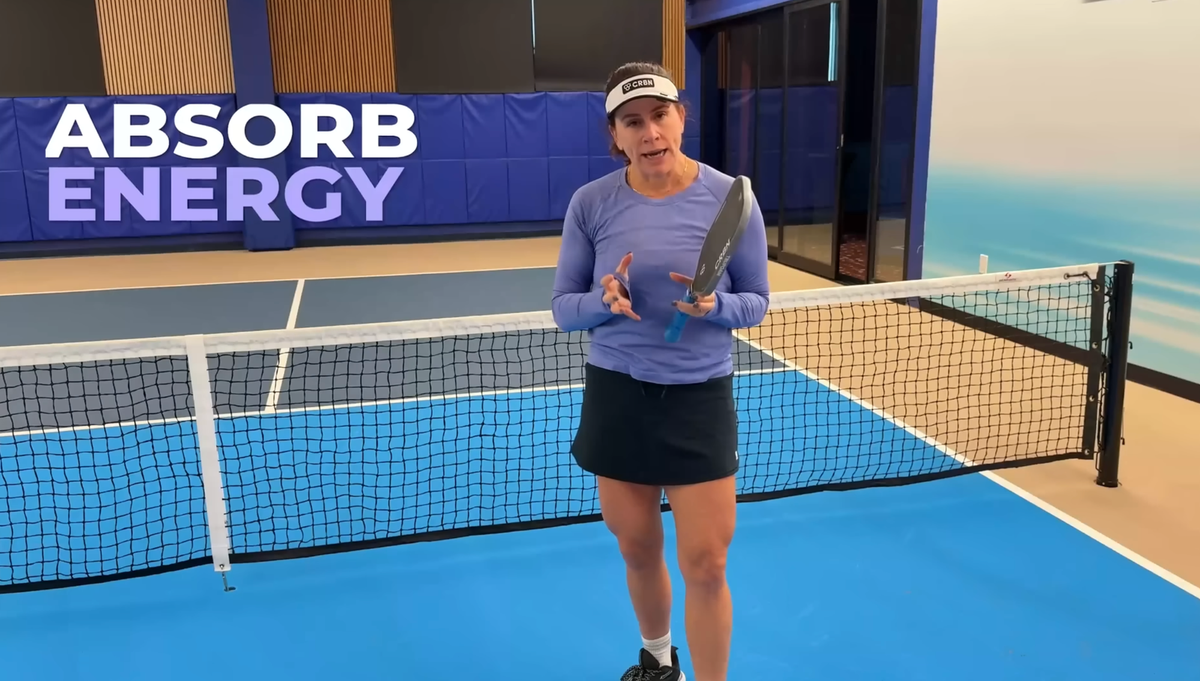
Building Offensive Weapons: Drops and Drives
Once the foundation is solid, Trang introduces drops and drives. These shots are the bridge between defense and offense.
A drop shot is a soft shot that lands just over the net in the opponent's kitchen, forcing them to hit up.
A drive is an aggressive, flat shot designed to end the point. Drops work when your opponent is back on the baseline.
Drives work when you've set up a high ball that you can attack.
The key to this phase of the pickleball drilling routine is understanding when to use each shot.
Trang practices both in sequence, which means she's training her brain to recognize the right moment for each shot.
During this drill, Cori Elliott notes that she's "really having to transfer body weight on these reps." That's the point.
Proper footwork and weight transfer separate clean shots from errors.
A structured pickleball training session that ignores mechanics is just hitting balls around. 5 drop shot techniques to elevate your pickleball game gives you the full drop shot menu once body weight transfer clicks.
The Dink Media Team
Cooperative Volleys: Building Hands and Reflexes
Cooperative volleys are exactly what they sound like: both players work together to keep the ball in play at the net.
There's no competition here, just pure repetition.
The goal is to develop soft hands, quick reflexes, and the ability to absorb pace.
This phase of the pickleball drilling routine is often overlooked by recreational players, but it's essential for pros.
Volleys happen in real matches, and they happen fast.
Cooperative volleys give you the reps you need to react instinctively rather than think your way through the shot. The kitchen sweep pickleball volley drill is one of the best structured formats for this exact kind of hands-and-reflexes work.
The Dink Media Team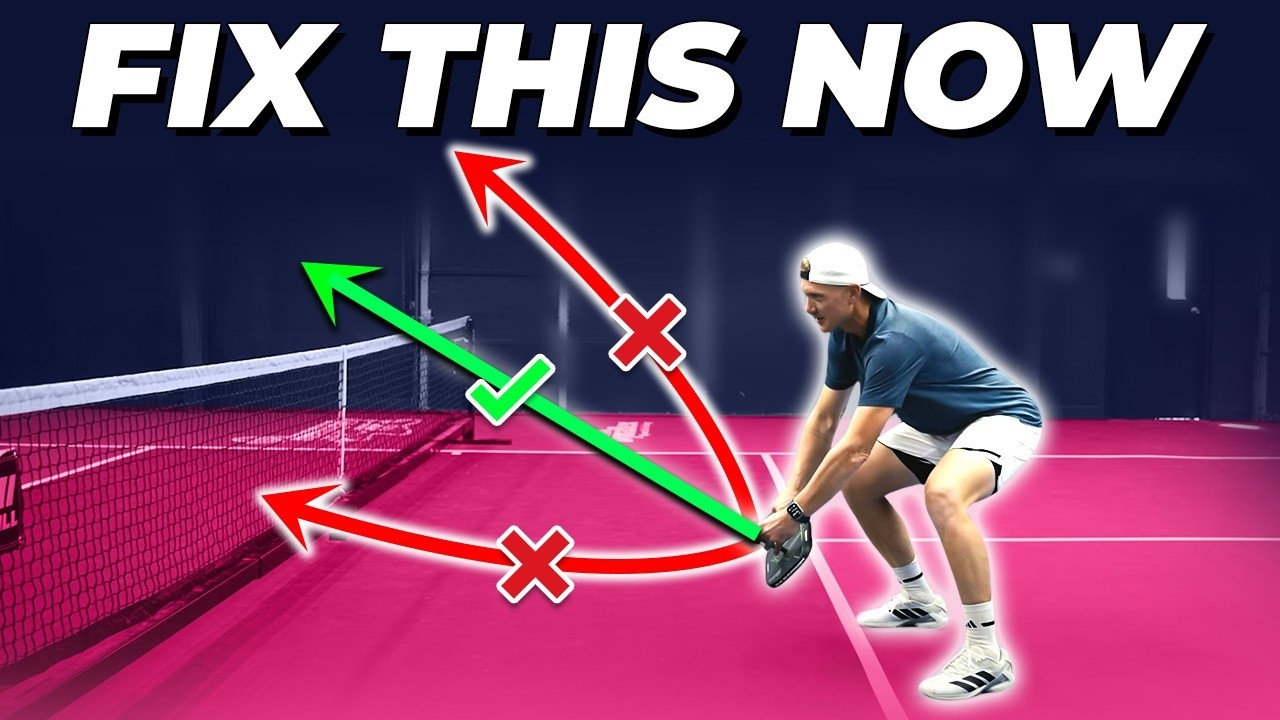
Speed-Up Games: Where Offense Meets Pressure
Making Your Pickleball Drilling Routine Game-Ready
Now we're getting to the aggressive stuff. One player works on attacking while the other practices countering.
The attacker tries to end the point with a hard, flat shot. The defender has to absorb that pace and either counter-attack or reset.
This is where a pickleball drilling routine becomes game-realistic. You know the attack is coming, so you can focus entirely on your response rather than managing the surprise.
Speed-ups happen in matches. Your opponent will attack you. You need to know how to handle it.
Trang practices this with specific roles: one player attacks first, then they swap.
This ensures both players develop both offensive and defensive speed-up skills.
The beauty of this drill is that it removes the randomness of match play.
You know the attack is coming, so you can focus on your response. Over time, your reactions become faster and your decision-making improves.
The Dink Media Team
Combo Drills: Putting It All Together
The final phase of Trang's pickleball drilling routine combines everything:
- Dinking
- Resetting
- Dropping
- Driving
- Speed-ups all in one sequence.
This is where the training becomes closest to actual match play.
In combo drills, players follow a predetermined pattern. For example: dink three times, then one player drops while the other drives.
The sequence forces you to transition between different shot types and mental states.
One moment you're in a soft, controlled dinking rally. The next moment you're attacking aggressively.
Combo drills teach your body and brain how to shift gears quickly, which is exactly what happens in real matches.
This is the bridge between practice and competition.
The Dink Media Team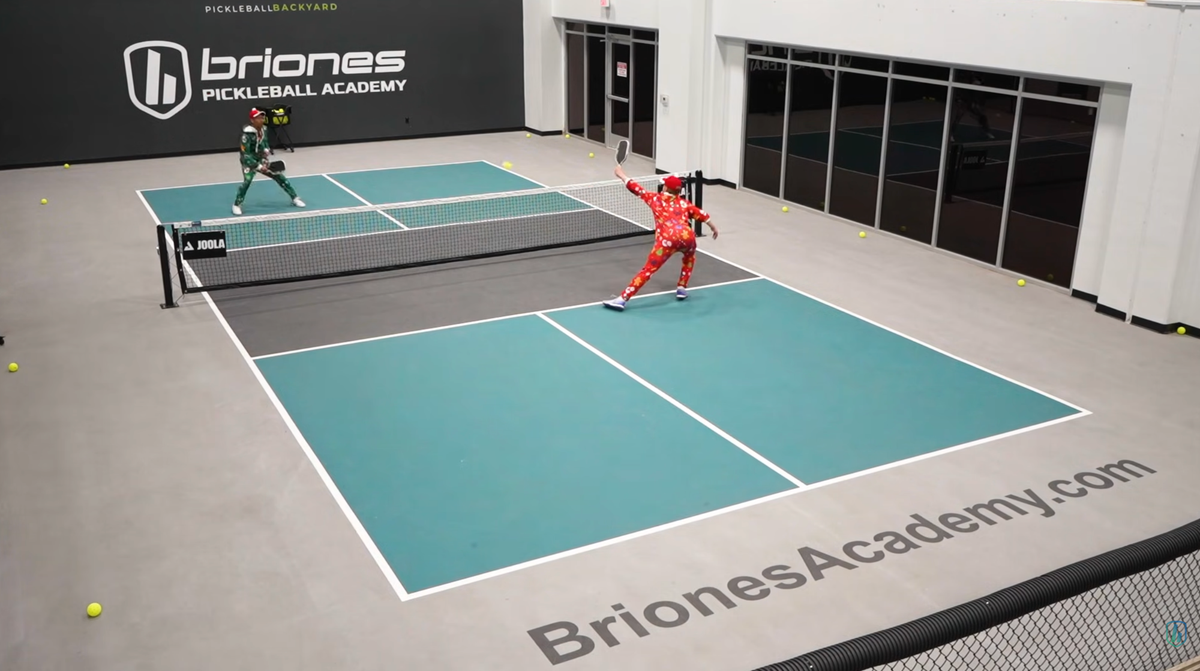
Why Progression Matters More Than Individual Drills
Here's the thing about pickleball drilling routines: the order matters. You can't build a house starting with the roof. Trang's progression is deliberate.
She starts with the softest, most controlled shots and gradually introduces aggression and pressure.
This approach has a name in sports psychology: progressive overload. You master one skill, then add complexity.
You build confidence at each level before moving to the next.
By the time you're doing combo drills, your foundation is so solid that the advanced work feels manageable. Most recreational players skip this progression.
They jump straight into match play, which means they're constantly making mistakes and never truly mastering individual skills.
Trang's approach is the opposite: master the fundamentals, then layer complexity on top.
That's one of the biggest differences between elite competitors and everyone else. 5 pickleball skill secrets to reach 4.0 fast maps out the exact progressive milestones that mirror Trang's drilling philosophy.
The Dink Media Team
The Mental Side of Elite Pickleball Training
A pickleball drilling routine isn't just physical. It's mental.
Trang talks about working on specific weaknesses and dedicating practice time to shots that need work.
This is targeted improvement, not random drilling. Elite players do this. Recreational players avoid it.
This approach requires self-awareness. You have to know your weaknesses and be willing to spend time on them, even when it's boring.
That's one of the biggest differences between 5.0+ players and everyone else.
The Dink Media Team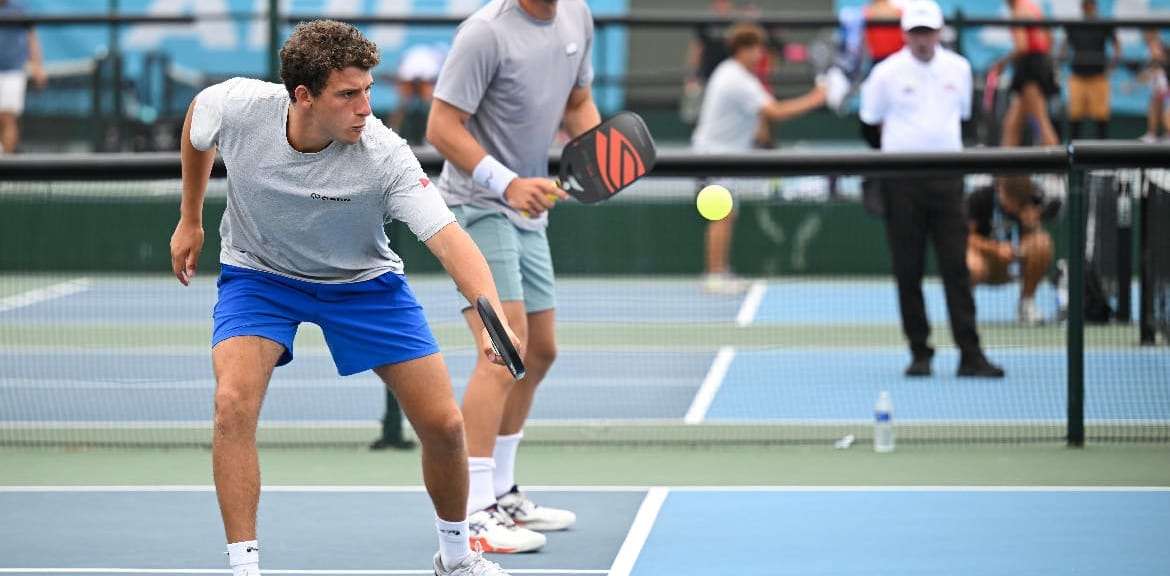
How to Build Your Own Pickleball Drilling Routine
You don't need to be a 5.89 DUPR to use Trang's framework. The progression works at any level.
Start with dinking drills, move to resets, add drops and drives, practice volleys, and finish with speed-ups.
The specific drills might look different at your level, but the structure remains the same.
The key is consistency. A pickleball drilling routine only works if you do it regularly.
Trang doesn't just drill once a week; this is her standard elite pickleball training structure.
If you want to improve, you need to commit to a similar level of consistency.
Also, find a partner who's willing to drill with you. Solo practice has its place, but most of these drills require two people. Simple wall drills to take your pickleball skills to the next level is the best option when a partner isn't available.
A good drilling partner is invaluable. They push you, they keep you accountable, and they make the work more enjoyable.
Frequently Asked Questions
What is the most important drill in a pickleball drilling routine?
Dinking is the foundation of all pickleball skills. If your dinking is weak, everything else falls apart. Most elite players spend significant time on dinking drills because consistency at the kitchen line directly translates to match success. A solid dinking foundation makes every other aspect of your game easier.
How long should a pickleball drilling routine take?
Trang's full session in the video runs about 12 minutes of actual drilling, but that's condensed for content. A typical practice session for serious players runs 60 to 90 minutes, with 20 to 30 minutes dedicated to drilling and the rest split between match play and additional skill work. The exact length depends on your goals and available time.
Can I do a pickleball drilling routine alone?
Most of the drills Trang demonstrates require a partner. However, you can practice solo drills like wall drills, footwork patterns, and shadow swings. Solo practice is useful for building muscle memory, but partner drills are essential for developing game-realistic skills. Ideally, you'd combine both.
How often should I do a pickleball drilling routine?
Consistency beats intensity. Drilling three to four times per week is more effective than one intense session per week. Your body needs time to adapt and build muscle memory. Regular, moderate-intensity drilling produces better results than sporadic, high-intensity sessions.
What's the difference between drilling and match play?
Drilling isolates specific skills and removes the pressure of scoring. Match play is unpredictable and competitive. Both are necessary. Drilling builds the foundation; match play tests it. The best players do both regularly, using drilling to improve specific weaknesses and match play to apply those improvements under pressure.

Love Pickleball? Join 100k+ readers for free weekly tips, news & gear deals.
Subscribe to The Dink