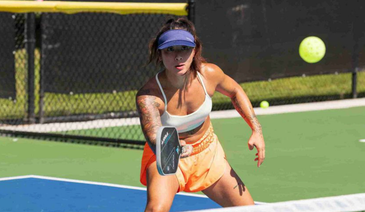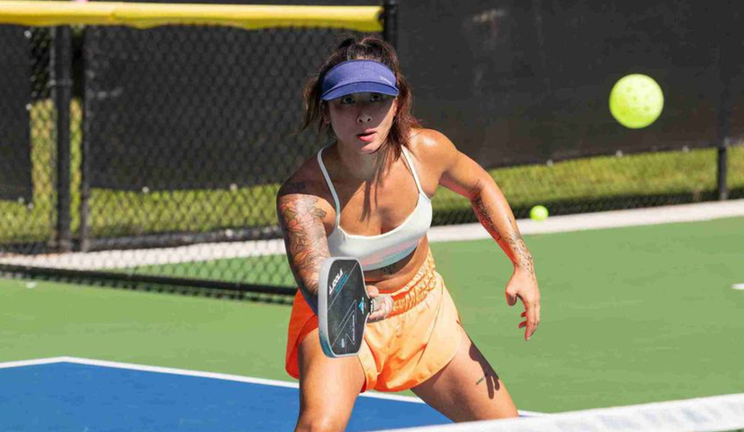
How to Poach Effectively in Pickleball: When, Why and How to Execute
Learning how to poach effectively in pickleball is one of the fastest ways to put pressure on your opponents in doubles. This guide breaks down the exact timing, footwork, and signals that turn a hesitant net player into a match-winning weapon.
If you want to poach effectively in pickleball, you need to stop thinking about it as stealing your partner's ball and start thinking about it as a calculated strike.
The poach is one of the most aggressive, momentum-shifting moves in doubles — and when it's timed right, it ends points before your opponents even realize what happened.
The problem? Most players either poach too early, tip off their opponents, or poach and leave their partner scrambling to cover a wide-open court.
Done wrong, it's a liability. Done right, it's a weapon.
This guide breaks down exactly when to go, how to move, and how to communicate with your partner so your poaches stop being gambles and start being match-winners.
Love pickleball? Then you'll love our free newsletter. We send the latest news, tips, and highlights for free each week.
What Is a Poach in Pickleball?
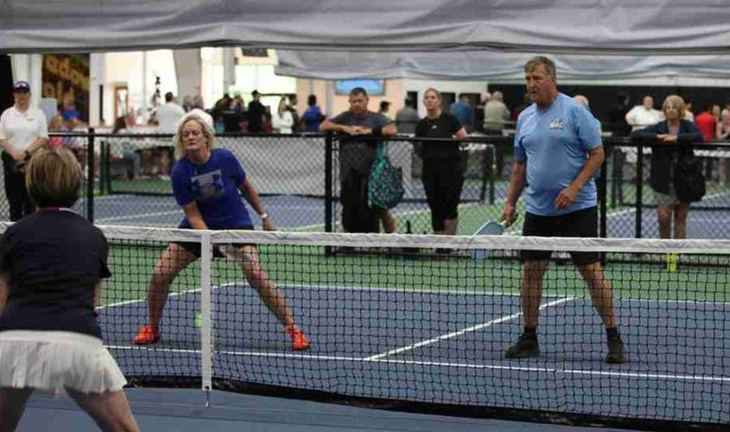
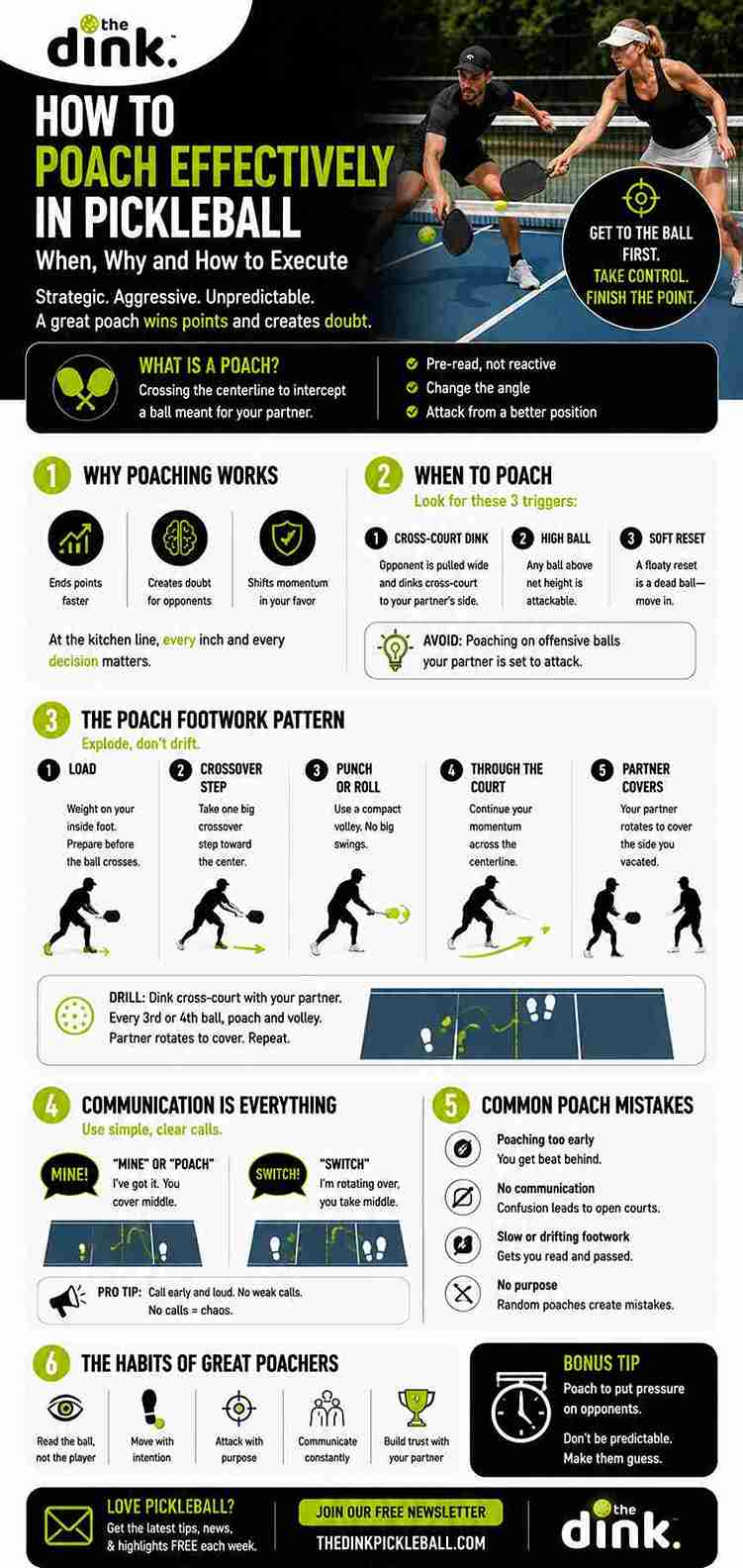
A pickleball poach is when one doubles player crosses the centerline to intercept a ball that would normally go to their partner.
It's a deliberate, pre-read movement, not a reactive lunge, and it's built on anticipation, not reaction.
The goal is simple: get to a ball in a position where you can attack it more aggressively than your partner could from their side.
You're not just covering court. You're changing the angle and putting your opponent in a position they didn't plan for.
According to USA Pickleball's official rulebook, there are no restrictions on where either player can stand on their side of the net during a rally, which means a well-timed pickleball poach is entirely legal and highly encouraged at higher levels of play.
Why Poaching Changes the Dynamic of a Doubles Rally
Most amateur doubles points are decided at the kitchen line. Both teams are dinking, looking for a speed-up, waiting for someone to go out of position.
That's where the pressure zone in pickleball lives, and a poach is the most direct way to exploit it.
Here's the thing: when you poach effectively in pickleball, you're doing two things at once.
You're winning the point on that ball, and you're planting doubt in your opponents' heads for every ball that follows.
That hesitation is worth more than the point itself.
Research on racquet sport decision-making consistently shows that unexpected player movement increases unforced errors (Journal of Sports Sciences, 2018).
The poaching strategy in pickleball weaponizes that cognitive load.
At the pro level, teams like Ben and Collin Johns built entire game plans around poach-heavy doubles coverage.
Read how the Johns equation works to see how opponents try to counter it.
When Should You Poach? Reading the Right Trigger
This is where most players get it wrong. They poach based on feel, and feel is unreliable.
The best pickleball poaches are triggered by ball trajectory, not instinct. Here are the three primary triggers to watch for:
The Three Triggers for a Winning Pickleball Poach
- 1. The predictable cross-court dink. When your opponent is pulled wide and dinking cross-court at an angle that puts the ball on your partner's forehand, you can pre-load your movement to intercept with your own forehand. That's your lane.
- 2. The high ball. Any ball that rises above net height is attackable. If you can get to it before your partner, and you're more centrally positioned, take it. High balls are invitations. Attacking the right ball is a skill in itself.
- 3. The soft reset that floats. When an opponent attempts a reset and it pops up, that's a dead ball. The player closest to center with the best angle should be moving before the ball even clears the net.
Avoid poaching when your partner is about to hit an offensive ball. You'll pull your partner's target and leave the middle open. That's not a poach. That's a mistake.
How to Poach Effectively in Pickleball: The Footwork Pattern
Knowing when to poach is half the battle. The other half is how you move.
Most players drift across when they poach, a slow slide that telegraphs the move well before they reach the ball. Good poachers explode, not drift.
The Step-by-Step Pickleball Poach Movement Sequence
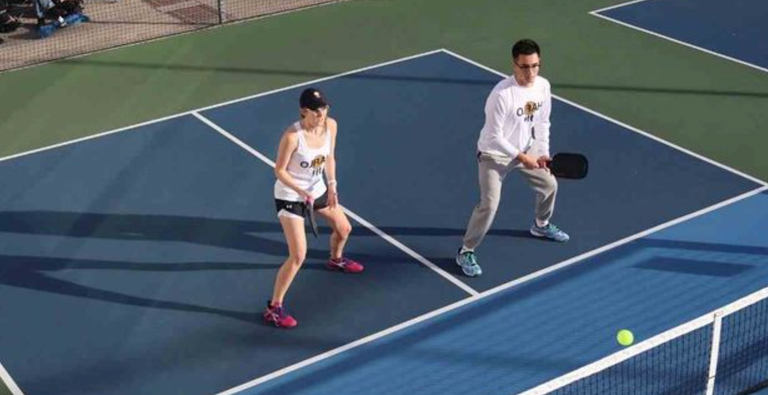
- 1. Load on your inside foot. Before the ball crosses the net on your opponent's side, your weight should shift to the foot closest to the center. This is your launch point.
- 2. Drive with a crossover step. One big crossover step to the center or beyond, not a shuffle. The crossover is faster and more explosive.
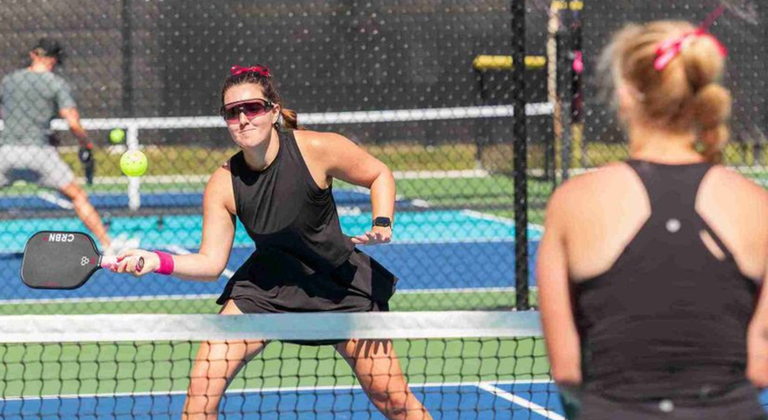
- 3. Punch or roll, don't swing. At the kitchen line, the poach finish should be a compact, directed volley. You don't have time for a full swing. Volley mechanics at the net matter here, compact and controlled wins every time.
- 4. Continue through the court. After poaching, your momentum carries you across the center. Your partner should rotate to cover the side you just vacated. This is non-negotiable.
One drill to wire this in: stand at the kitchen with your partner dinking cross-court.
Every third or fourth ball, explode across and punch a volley into the open court.
Your partner covers the vacated side. Reset and repeat until the timing is automatic.
Communication Is the Whole Game
You can have perfect footwork and sharp timing, but if you and your partner aren't talking, the poach will fall apart.
The two standard calls are "mine" (or "poach") and "switch." Here's how they work in practice:
- "Mine" or "poach" signals that you're going for the ball. Your partner immediately starts rotating to cover your vacated side.
- "Switch" confirms that the rotation is complete and you've each taken the other's side of the court after the poach.
Pre-set signals (especially in competitive or tournament play) tell your partner before the point starts that a poach is coming on a specific ball type, like a cross-court dink or a short return.
Without these calls, one of two things happens: you both go for the ball (collision, point lost) or neither of you goes (ball drops, point lost).
Simple tips to improve teamwork start with communication, and the pickleball poach is the most communication-dependent shot in the game.
Teams that change the way they think about doubles pickleball consistently outperform teams with more raw talent but poor coordination.
Your partner isn't a bystander. They're running cover the moment you commit.
How to Poach Effectively in Pickleball Without Getting Burned
The risk of the pickleball poach is real. When it doesn't come off, it leaves your partner fully exposed, often with a cross-court ball they can't reach.
Here's how to protect yourself:
- Don't telegraph. The most common tell is early body lean. If your weight shifts toward center before the ball is struck, a smart opponent reads it immediately and goes the other direction. Stay neutral in your ready position until the opponent's paddle is committed.
- Pick your spots. Don't poach every point. The pickleball poach works because of surprise and disruption. If you're crossing every rally, opponents adjust quickly. Use it 3 to 5 times per game at the right moments, not constantly.
- Match your poach to the game state. Big moments (game point, tiebreak situations) are not ideal for low-percentage poaches. Save those for moments where you've established a pattern and your opponent is predictable. Playing the percentages in pickleball always pays off in the long run.
- Commit fully. The worst poach is a half-poach: you move toward the ball, hesitate, pull back, and your partner has already given up the shot. If you're going, you're going. Full commitment, full speed.
The Fake Poach: A Hidden Weapon
Here's a move that fewer players talk about: the fake poach, also called a poach bluff.
You initiate the crossover movement, full weight shift, one step across, then pull back to your side as your partner takes the ball.
If your opponent sees your movement (and a good one will), they redirect their shot to the opposite side.
Your partner, who never moved, is right there waiting.
It's pickleball deception at its most cost-effective. Use it after you've already landed a real poach that game. Your opponent is watching you closely. Let them watch.
Key Takeaways
- Poach effectively in pickleball by triggering on ball trajectory (high balls, predictable cross-court dinks, floated resets), not on instinct.
- Use a crossover step for explosive movement, not a slow drift that tips off opponents.
- Communication (verbal calls and pre-set signals) is what separates a winning pickleball poach from a disaster.
- The fake poach is an underused tool that creates free errors without risk.
- Commit fully or don't go. The half-poach is the worst outcome.
- Use it strategically, not constantly. Frequency kills the surprise.
Frequently Asked Questions
What does it mean to poach effectively in pickleball?
To poach effectively in pickleball means reading the ball trajectory before it reaches your partner and crossing the centerline to intercept it with a decisive, aggressive volley. It's not reactive, it's pre-read movement that puts you in a better attacking position than your partner would have had from their side.
How do I know when to poach in a doubles rally?
The three best triggers are: a predictable cross-court dink to your partner's side, any ball that rises above net height, and a floated reset attempt from your opponent. If the ball is attackable and you're in the better position to attack it, those are your green lights. Avoid poaching when your partner is already set up to go offensive.
What is the proper footwork for a pickleball poach?
Load your weight on your inside foot, drive with a crossover step toward the centerline or beyond, punch or roll a compact volley at the kitchen, and let your momentum carry you across while your partner rotates to cover. Avoid the slow lateral shuffle, it telegraphs your move and slows your arrival.
How do I communicate with my partner during a poach?
Use clear, loud calls: "mine" or "poach" tells your partner you're going for the ball so they rotate immediately, and "switch" confirms you've each covered the other's side after the poach completes. In competitive play, pre-set hand signals before the point allow you to plan a pickleball poach before the ball is even served.
Is the poach a high-risk move in pickleball?
It carries risk if you telegraph it, commit halfway, or go at the wrong moment. But when executed correctly, full commitment, good timing, and proper rotation from your partner, the poach is a high-percentage play that also disrupts your opponents' confidence for the rest of the game. The fake poach is essentially zero-risk and often just as effective at creating free errors.

Love Pickleball? Join 100k+ readers for free weekly tips, news & gear deals.
Subscribe to The Dink