Proactive Pickleball: One Pro's #1 Takeaway After Years of Play
After years of competitive play, pickleball coach and pro Tanner Tomassi reveals the single most important lesson: proactive pickleball beats reactive play every time.
After four years grinding on the pickleball court, pro Tanner Tomassi has distilled his experience into one crystal-clear lesson: proactive pickleball is the difference between winning and losing.
- Not fancy footwork.
- Not a killer serve.
- Not even the most expensive paddle money can buy.
It's about mindset, positioning, and the willingness to hunt the ball instead of waiting for it to come to you.
It's the foundation that separates competitive players from recreational ones, and it's something every player at every level can implement immediately.
Love pickleball? Then you'll love our free newsletter. We send the latest news, tips, and highlights for free each week.
What Does Proactive Pickleball Actually Mean?
Here's the thing: proactive pickleball means you're dictating play instead of reacting to it. You're not waiting for your opponent's shot to come at you.
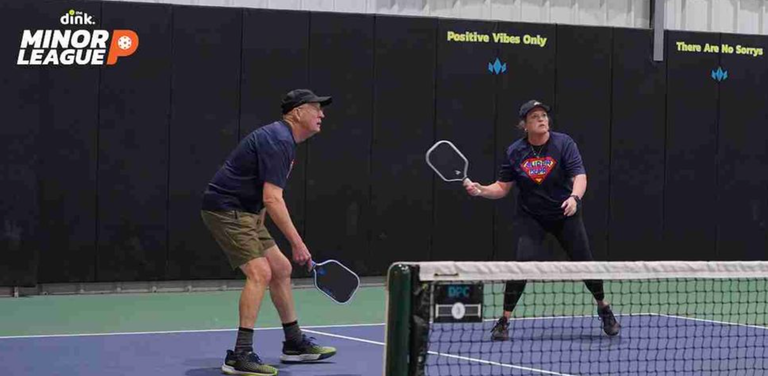
You're already positioned, already thinking two shots ahead, already leaning into the court with your paddle up and ready.
Tanner breaks it down with a simple visual. If the ball is coming cross-court from your opponent.
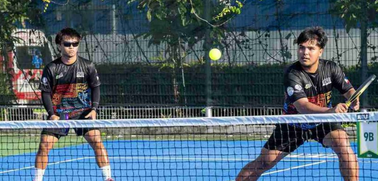
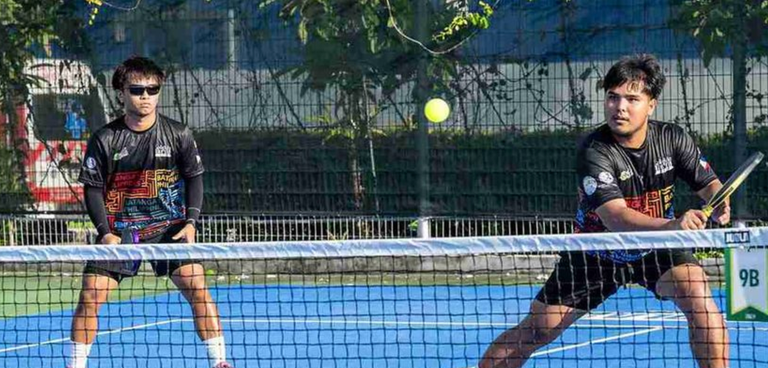
- Your paddle tip should already be pointed in that direction.
- Your weight should be forward.
- Your eyes should be locked on the incoming shot.
When your opponent tries to speed it up, you're already there to cover it.
- You're not scrambling.
- You're not late.
- You're ready.
Compare that to what most amateur players do. They stand in the middle of the court, looking around, waiting to see what happens.
The ball gets sped up, and suddenly they're reacting.
They're moving backward. They're too slow. By the time they get their paddle up, the ball is already past them.
Subscribe to our free e-newsletter at thedinkpickleball.com/signup
The difference between these two approaches is everything. One player controls the point. The other player is just trying to survive it.
The Court Positioning Game
Proactive pickleball strategy extends beyond just paddle positioning. It's about where your feet are and where your body is angled on the court.
When your opponents are at the back of the court, you shouldn't be standing at the baseline waiting to hit their shot.
You should be moving forward, leaning into the court, shrinking the space they have to work with.
This is called court pressure, and it's one of the most underrated weapons in pickleball.
When you're moving forward aggressively, your opponents feel it. They know you're hunting. They know you're looking for the opportunity to put the ball away.
That pressure forces them to hit better shots, and better shots are harder to execute under stress.
Think about it from a psychological angle. If you're standing back, your opponent has time to breathe. They can set up their shot. They can think about placement.
But if you're leaning forward, closing the net, they have to make a decision faster.
They have to hit a better shot or lose the point. Most players will make a mistake under that kind of pressure.
 Alex E. Weaver
Why Amateurs Stay Reactive
The reason most recreational players stay stuck in reactive mode is simple: it feels safer.
If you're standing back, you have more time to react. If you're leaning forward, you're taking a risk.
- You might get passed.
- You might get lobbed.
- You might look foolish.
But here's what Tanner understands after four years of competitive play:
Proactive pickleball isn't riskier. It's actually safer because you're controlling the point.
You're not giving your opponent the chance to hit a winner. You're not leaving yourself vulnerable to a passing shot because you're already positioned to cover it.
The mental shift from reactive to proactive is where most players struggle. It requires confidence. It requires trusting your positioning.
It requires believing that if you're in the right spot, you can handle whatever comes at you. And honestly, that belief is usually justified.
The court is smaller than you think when you're positioned correctly.
The Dink Media Team
The Paddle Tip Tells the Story
One of Tanner's most practical tips is this: your paddle tip position reveals whether you're playing proactive or reactive pickleball.
If your paddle is down, you're reactive. If your paddle is up and pointed at the incoming ball, you're proactive.
This is such a simple tell, but it changes everything about how you play. When your paddle is up, you're ready to block, reset, or attack.
When your paddle is down, you're hoping the ball doesn't come to you. You're hoping your opponent makes a mistake. You're hoping to get lucky.
Competitive pickleball isn't about luck.
It's about positioning, anticipation, and being ready for whatever comes next.
Tanner's four years of experience have taught him that the players who win consistently are the ones who keep their paddle up, keep their weight forward, and keep hunting for the next opportunity.
The Dink Media Team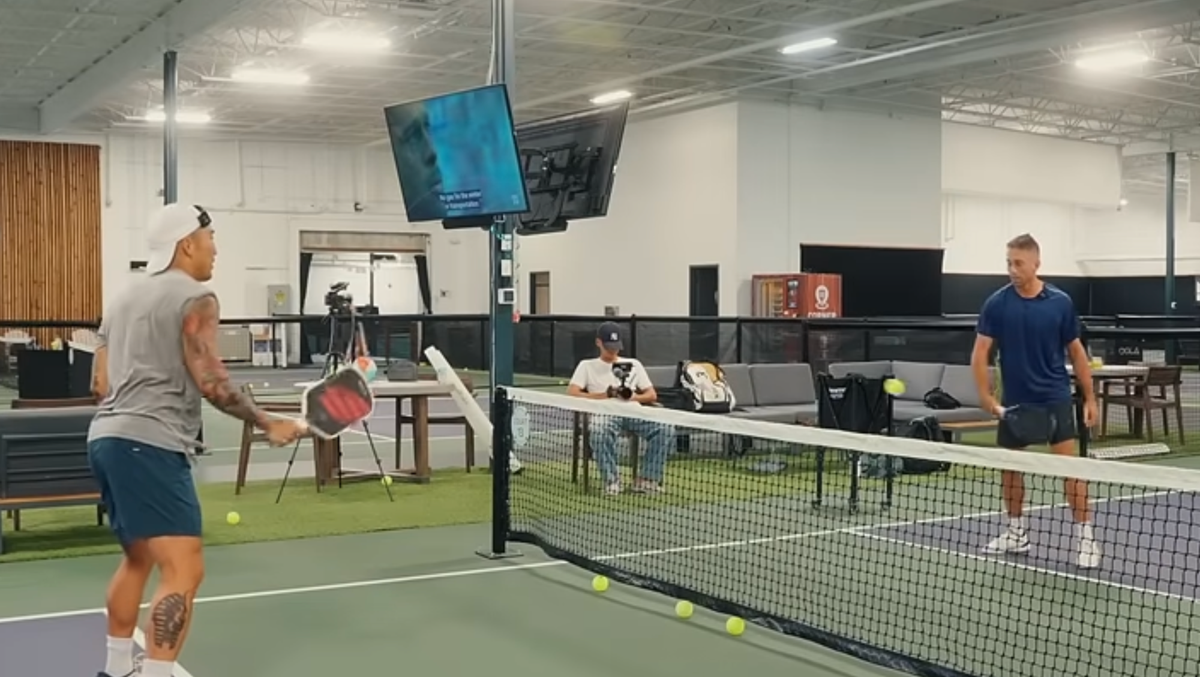
How to Start Playing Proactive Pickleball Today
The beauty of this lesson is that you don't need new equipment. You don't need a coaching certification. You don't need to spend hours drilling.
You just need to change your mindset and your positioning.
- Start with your paddle. Keep it up. Point it at the ball. Make that your default position on every single point.
- Next, work on your court positioning. When your opponent is at the back of the court, move forward. Lean in. Close the net. Make them feel your pressure.
- Finally, think ahead. Don't just react to the shot in front of you. Think about where the next shot is going. Position yourself for it. Anticipate. Hunt. That's proactive pickleball in action.
These adjustments won't happen overnight. But if you commit to them, you'll notice a difference in your win rate almost immediately.
You'll feel more in control. You'll make fewer errors. You'll put more pressure on your opponents.
And most importantly, you'll stop feeling like the ball is playing you and start feeling like you're playing the ball.
Frequently Asked Questions
What's the difference between proactive and reactive pickleball?
Proactive pickleball means you're anticipating shots and positioning yourself before the ball arrives, with your paddle up and ready. Reactive pickleball means you're waiting for the ball to come to you and then scrambling to respond. Proactive players control points; reactive players survive them.
How do I know if I'm playing reactive pickleball?
Your paddle position is the biggest tell. If your paddle is down, you're likely playing reactively. If your paddle is up and pointed at the incoming ball, you're playing proactively. Also notice your court position: are you leaning forward or standing flat-footed?
Can beginners play proactive pickleball?
Absolutely. In fact, beginners benefit the most from adopting a proactive mindset early. It's easier to build good habits from the start than to break reactive habits later. Focus on paddle position and court positioning, and the rest will follow.
Why do amateur players struggle with proactive pickleball?
It feels riskier to move forward and hunt the ball. Amateurs often prefer standing back where they have more reaction time. But this actually gives opponents more time to hit better shots. Proactive positioning gives you more control and forces opponents into tighter situations.
How long does it take to become a proactive player?
It depends on your commitment, but most players see noticeable improvement within a few weeks of focusing on paddle position and court positioning. The mental shift from reactive to proactive is the hardest part, but once it clicks, it becomes your default approach.
For everything else we do, visit https://linktr.ee/dinkfam
Love Pickleball? Join 100k+ readers for free weekly tips, news & gear deals.
Subscribe to The Dink