Tips and Drills To Enhance Your Pickleball Serving Strategy, Spin and Speed
Every single point in pickleball begins with a serve. It can dictate the direction a point will go, and it can be a huge advantage when used correctly at all levels.
The serve and its use differs drastically between singles and doubles. A smart pickleball serving strategy looks different depending on which format you're playing, so I will do my best to speak to both throughout this piece.
Three Keys to Effective Pickleball Serving Strategy
1. Depth is everything
No need to separate this out between singles and doubles, as this is universal across both games. Depth is king in pickleball and is the most important feature a serve can have. If you can consistently hit your serve near the baseline, you will get weaker returns and easier looks at third-shot drops or drives.
Hitting your serve deep takes away your opponents' time, delaying their arrival to the kitchen line, and provides you more space to hit a drop or drive. If you want to fix your pickleball serve forever, depth is always the first place to start.
Serving deep, while important in both singles and doubles, is only essential in singles. While it is a bonus in doubles, it is not worth missing your serve long while attempting to hit it deep.
In singles, it's worth missing a serve or two if it means consistently getting shorter returns from your opponent over the course of two or three games in a pickleball match. In that case, the potential con of missing a few serves deep is outweighed by the pros of getting shorter returns and therefore easier third-shot opportunities.
I'm not condoning missing more than a few serves over the course of two or three games. The most important takeaway is of course to make your serves. But in singles, it is absolutely worth going for a bit more depth.
2. Spin Can Be Helpful in Getting Depth, But Is a Double-Edged Sword
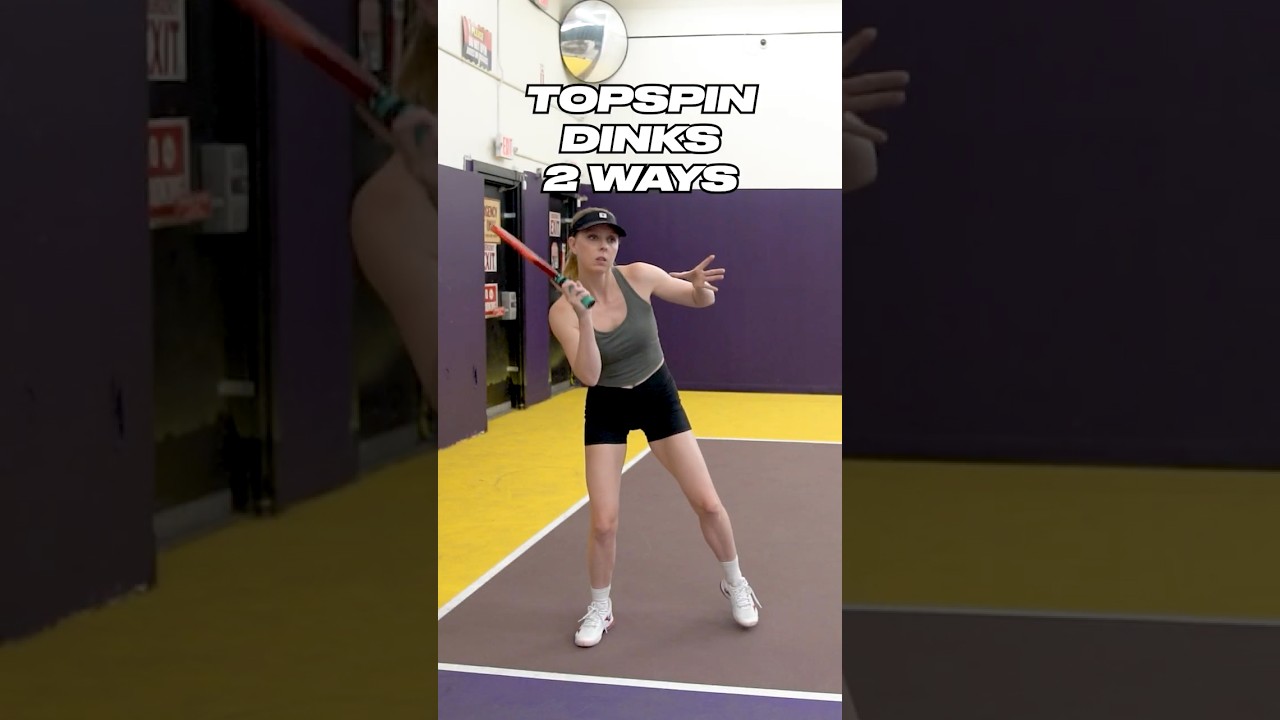
In doubles, I like to use topspin to help roll my serve a little bit deeper in the court. The act of brushing up the back of the ball translates to the ball going further (combined with an upward swing trajectory), and will cause the ball to spin into your opponent after landing. No need to go crazy on your serve in doubles. Find a routine and combination of spin and power that results in a good, relatively deep serve that can't be attacked, and stick with it.
On the flip side, trying to hit too much spin can cause you to miss in the net. It is crucial not to try to overspin the ball (whether topspin or slice), as that can cause poor swing timing and misses wide, in the net, or even long. For a full breakdown of where players go wrong, these 5 common topspin mistakes and how to fix them are well worth reviewing. Use spin sparingly.
In singles, put the slice serve in your back pocket and only take it out as a change of pace or a mix-up every now and then. Slicing the ball causes it to have back or side spin and will make it easier for your opponent to hit topspin and also be in position to rush the net on the return. A good slice serve can be a great change of pace, but stick with loopier topspin serves to help you get the ball deep (and spinning into your opponent).
If you want to develop a more complete spin game off the bounce, check out this complete 3-step topspin progression for pickleball. It's easy to see other people's mistakes, but sometimes we are blind to our own.
 Jason Flamm
3. Speed is overrated
Another key that goes for both singles and doubles. The pros are by no means the standard for exemplary serves. Yes, a lot of them like Dekel Bar or Tyson McGuffin have great ones, but their ability to generate pace on their serves is not so easy to learn.
Instead of trying to bomb a fast serve, use topspin and think about the height of the trajectory of your serve instead. Hitting a higher-looping serve with topspin deep can be as effective (if not more effective) than hitting a fast serve.
Again, look back at the first key above. Depth is everything. Pinning your opponent back and delaying their transition to the kitchen is what translates to success. Hitting the ball deeper via hitting it higher can be a great way to achieve this.
Basic Pickleball Serving Strategy
Let's talk about basic pickleball serving strategy. First, come up with a quick and easy routine to get yourself ready before every serve. A lot of players like to do the same few steps every time to help them build consistency and be ready. I like to bounce the ball a few times, bend my legs, and visualize my target across the net.
Everyone has a different way to get ready. Find yours and practice it before every serve. Don't serve before you are ready!
For a deeper look at serve technique and pro tips from Michael Loyd, that resource covers everything from stance to follow-through at a high level of detail.
Jason Flamm
From a doubles serving strategy standpoint, keep it simple. Don't be a hero and go for huge serves. On the other side of things, don't baby your serve in to where your opponents can crush the return.
If you are up big in a game, maybe you consider going for a bigger serve if you are feeling loose. If you are getting destroyed, it might be worth going for a bigger serve to try to get return errors. However, in doubles, just focus on making a consistent serve that is unattackable. There are 8 doubles strategies nobody talks about in pickleball that can give you a real edge once your serve is locked in.
Singles in pickleball is where pickleball serving strategy really comes into play. Again, I can't stress this enough: go for your serve. It is crucial to hit an aggressive, deep serve in order to start the point in your favor and get looks at makeable third-shot drops and drives. The goal in singles is to move forward and apply pressure on your opponent, and starting the point with a deep serve is a fantastic way to do this early.
If your opponent has a weaker side (forehand or backhand), do your best to target it with your serve. Remember that unlike in tennis, the service box is narrower, so trying to force your serve to one side and making errors is a risk. But it can be worth it if your opponent has a much weaker side.
To round out your singles game around your serve, these 7 essential pro tips for dominating pickleball singles are a natural next read.
Lastly, be strategic about your variety. Again, depth is key, and if you are feeling good on your serve and able to consistently hit the ball close to the baseline, keep doing it. If you are struggling, throw in some variety on your serve. Work in an occasional slice, vary the height of the ball, and vary the speed. Keep your opponent on their toes and disrupt their rhythm on the return.
Recommended Drill: Basket of Balls
This drill is straight out of a movie. Picture you can't come in for dinner (according to your parents) until you make X number of serves. For me, it's 25 serves on both sides. Grab a basket of balls and work on finding depth on the serve. Muscle memory can only come from reps.
Work on both topspin and slice serves. Work on hitting a target (place a cone or your water bottle in a spot and try to hit it). Work on varying speed and height. But at the base of everything, remember to practice getting the serve consistently deep.
The 12 drills you need to play your best pickleball include serve-focused work that pairs well with the basket-of-balls approach and will push your entire game forward.
Enjoy the grind, and remember, you can't dink all day if you don't start in the morning.
Frequently Asked Questions
What is the most important element of an effective pickleball serving strategy?
Depth is the single most important factor in your pickleball serving strategy. A deep serve pushes your opponent back, delays their transition to the kitchen line, and gives you more time to set up your third shot.
Should I use topspin or slice when serving in pickleball?
Topspin is the preferred option for most serves because it helps the ball travel deeper into the court and kicks into your opponent after the bounce. Slice can work as a change of pace in singles, but overusing it gives your opponent an easy opportunity to attack and rush the net.
How much speed should I put on my pickleball serve?
Speed is largely overrated when it comes to serving in pickleball. A high-looping topspin serve that lands near the baseline is often more effective than a hard flat serve, because depth and placement matter far more than raw pace.
Is pickleball serving strategy different for singles versus doubles?
Yes, serving in pickleball differs significantly between the two formats. In singles, you should be aggressive and go for depth even at the cost of an occasional miss, while in doubles the priority is a consistent, unattackable serve that keeps the point neutral.
What is the best drill to improve my pickleball serve tips and repetitions?
The basket-of-balls drill is one of the most practical pickleball serve tips you can act on today. Grab 25 or more balls, set a target near the baseline, and practice hitting your serve deep on both sides until your muscle memory locks in the motion.
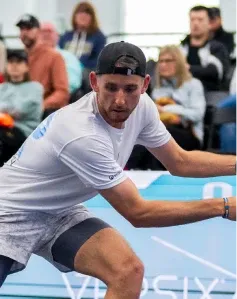
Eric Roddy
Eric is a PPA tour pro living in Charlotte, NC, sponsored by Paddletek. In addition to playing PPA events, he teaches pickleball 2-3 hours a week, enjoys golf, and listening to his favorite band Goose.
Love Pickleball? Join 100k+ readers for free weekly tips, news & gear deals.
Subscribe to The Dink