
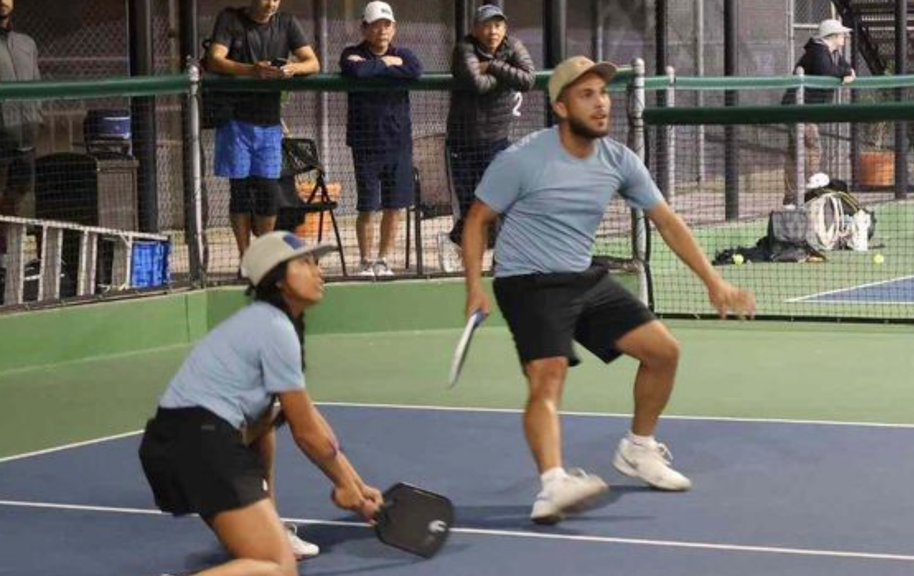
The Pickleball Comeback Strategy That Turns a 2-Point Deficit Into a Win
A two-point deficit is the most common score gap in close pickleball, not a lost game. This pickleball comeback strategy covers the three adjustments that flip it: cutting gifted points, changing one pattern, and resetting before the run becomes the game.
Down 8-10 with the other team serving, the best pickleball comeback strategy is also the least dramatic one: stop handing them points.
Nobody wants to hear that. Everyone wants the hero speed-up, the ATP, the moment where you flip the match with one swing.
But two points is not a hole. Two points is a rounding error, and a smart pickleball comeback strategy treats it that way.
The scoreboard says you're losing. The math says you're one clean rally from being right back in it.
Love pickleball? Then you'll love our free newsletter. We send the latest news, tips, and highlights for free each week.
Why Does a Two-Point Deficit Feel So Much Bigger Than It Is?
Because your brain is doing bad math.
A two-point gap in a game to 11 is the most common score gap in competitive pickleball, which means it's the most normal place to be, not the edge of a cliff.
Games go to 11, win by two, so a 10-8 scoreline still contains an entire match worth of rallies if you force them.
Here's the thing about the end of close games: it's where quality collapses.
One analysis of competitive play found that 41% of all unforced errors happen between 9 and 11.
Both teams get tight. The question is just who gets tight first, and whether you've got a plan for the pressure zone or you're improvising.
Rule One of Any Pickleball Comeback Strategy: Stop Gifting Points
The fastest way to close a gap is to stop widening it yourself. At 8-10, you do not need winners.
You need the ball to keep coming back, which means knowing when you're actually on defense instead of pretending otherwise.
Tight opponents miss, and a patient pickleball comeback strategy puts that pressure directly on them.
What Exactly Is a "Gifted Point"?
A gifted point is any point the other team wins without earning it.
Think net balls on a serve you rushed, a dink popped into the net, a return sailing long, a speed-up at a terrible moment. No winner, no great shot, no credit to them.
You just handed it over. At the 3.5 level, gifted points can account for close to 40% of total points in a match, which is a staggering amount of free merchandise.
So the first audit is simple and a little uncomfortable: of the last six points, how many did you actually lose versus give away?
Most players find the answer is three or four, and most of those trace back to rushing mistakes rather than skill gaps.
The fix isn't a new shot. It's playing more consistent pickleball for four minutes.
The Three-Ball Rule That Makes a Pickleball Comeback Strategy Work
Commit to hitting three more balls than feels natural before you attack anything. That's it. That's the whole discipline.
When you're down, the urge is to end rallies early because long rallies feel like risk. Backwards. Long rallies are where tight teams crack.
If the dink is slightly high but not clearly attackable, let it go and reset it instead.
If you're stuck in the transition zone, a soft ball at their feet beats a desperate drive every time, and knowing when to attack versus when to reset is the single clearest difference between a 3.5 and a 4.5 under pressure.
Three extra balls per rally doesn't sound like strategy. Over five rallies, it's the entire comeback.
 The Dink Media Team
How Do You Change the Pattern When You're Down Two?
You change one thing, not five. Teams that are winning have found something that works: a target, a pace, a serve pattern.
Your job is to break that rhythm with a single adjustment, then let it run for a few points before judging it.
Pick a Target and Keep Going Back to It
Winning teams almost always have one player carrying them and one player quietly hanging on. Find the second one.
Attacking the right spots on your opponents beats spraying the ball around hoping something sticks, and the weaker player's backhand, dominant shoulder, or feet is usually the softest real estate on the court.
The middle is the other obvious seam.
Confusion over who covers the middle creates free points at exactly the moment when nobody wants to be the one who called it wrong. Go there twice in a row and watch what happens to their footwork.
Why Deep Returns Belong in Every Pickleball Comeback Strategy
Because depth buys time, and time is what you don't have when you're behind.
A deep return pins the serving team back and makes their third shot genuinely difficult.
A short return invites them to drop and walk in like they own the place.
This is the least glamorous adjustment in the game, and it's the one I'd make first. Getting more out of your return of serve costs nothing technically.
Aim two feet inside the baseline, hit it high and heavy, and get to the line. Do that four times in a row and the other team's third shot error rate climbs on its own.
Same logic applies to your serve. Deep and to the backhand, every time, until they prove they can handle it.
Playing the percentages is not a passive choice when you're trailing. It's the aggressive one.
 Eric Roddy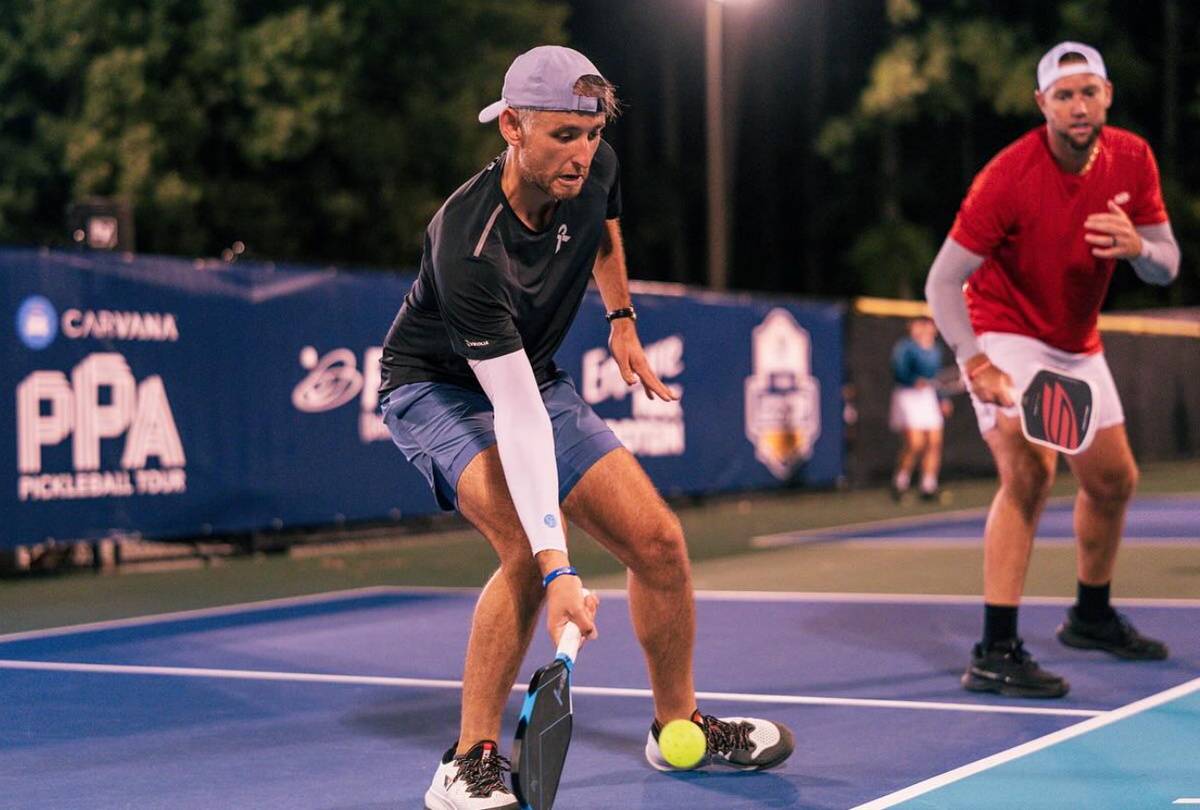
Every Pickleball Comeback Strategy Needs a Reset Button
Momentum is real, and it's also beatable once you stop treating it like weather.
Reading and managing momentum across neutral, advantage, and disadvantage states is what separates teams that stop a run from teams that just hope it ends.
Call the Timeout Earlier Than Feels Comfortable
Most players save their timeouts like they're going to get a refund. Call it after two straight points, not four. The run you're trying to stop is already underway.
Then use the 60 seconds for something real. Not "come on, let's go."
Pick one adjustment, say it out loud, and agree on it: serve deep to the backhand, return high and deep, dink to the middle.
Teamwork gets sharper when the instruction is specific enough to actually execute.
How Do You Reset Your Head Between Points?
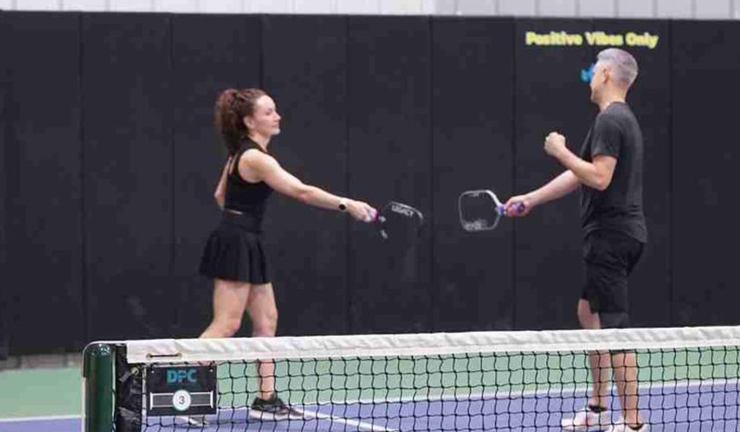
Build a routine and run it every single time, win or lose. Tap paddles with your partner, exhale, pick your target before you step in.
Players who recover from a bad miss have a mental reset they repeat on autopilot. Players who spiral have a feeling they try to argue with.
Honestly, this is where most two-point deficits become five-point deficits.
One bad shot becomes a replay in your head, the replay costs you the next point, and suddenly you're chasing.
Give yourself one breath and the next serve, and nothing else.
One more thing worth remembering: being behind makes you harder to play against, not easier, as long as you keep the ball in play.
Teams protecting a lead start steering shots instead of hitting them. Stay unattackable at the line and let them find the net.
 The Dink Media Team
Key Takeaways
- A pickleball comeback strategy starts with math, not heroics: two points is the most common score gap in close games, not a lost game.
- Cut unforced errors first; nearly 40% of points at the rec level are gifted away.
- Hit three more balls than feels natural before attacking anything.
- Change one pattern: target the weaker opponent, go to the middle, return deeper.
- Call your timeout after two straight points, and leave it with one specific adjustment.
Frequently Asked Questions
What is the best pickleball comeback strategy when you're down game point?
Extend rallies and make the other team hit one more ball than they want to. Errors cluster heavily at the end of close games, so patience is statistically your best weapon. Stop attacking marginal balls, reset anything above your chest, and serve or return deep to keep them pinned back.
Can you still win a pickleball game from 8-10?
Yes. Games are played to 11 and you must win by two, so a 10-8 score can still stretch to 12-10 or beyond. Side-out scoring also means the leading team has to earn the serve and then close it out, which gives trailing teams multiple openings.
Should I attack more or play it safe when I'm behind?
Play smarter, not safer. Keep the ball low and in play, but be aggressive about placement: target the weaker opponent, the middle seam, and your opponents' feet. That's pressure without risk, and it's one of the doubles strategies nobody talks about when the score gets tight.
When should I call a timeout in pickleball?
After two consecutive points against you, not four. The point of a timeout is to interrupt a run before it becomes the game, and waiting until 5-10 usually means you're calling it after the damage is done. Use it to name one concrete adjustment with your partner.
How do I stop my partner from unraveling late in a game?
Keep communication specific and forward-looking. Call the next pattern instead of reviewing the last mistake, tap paddles after every point regardless of outcome, and read their body language and take the middle ball if they're hesitating. Shared routines steady both of you faster than encouragement does.

Love Pickleball? Join 100k+ readers for free weekly tips, news & gear deals.
Subscribe to The Dink