
The Flat Top Hybrid Paddle: 3 Reasons Every Player Is Switching
The flat top hybrid paddle is one of the fastest growing shapes in pickleball right now. Here are the three reasons it went from niche to mainstream in 2026.
If you have been shopping for a pickleball paddle lately, the flat top hybrid paddle is everywhere.
It is hard to ignore, and there is a real reason it has taken over the conversation in 2026.
This is not just a trend driven by marketing. There are specific technical and practical reasons why this shape is outperforming what came before it.
Understanding those reasons will help you decide if it belongs in your bag.
This breakdown comes from Pickleball Studio on YouTube, where they covered exactly why flat top hybrids have exploded in popularity and what makes them different from the original hybrid designs.
Love pickleball? Then you'll love our free newsletter. We send the latest news, tips, and highlights for free each week.
What Is a Hybrid Paddle Shape, Exactly?
A hybrid pickleball paddle sits between a standard shape and an elongated shape in terms of dimensions.
It gives you more reach and surface area than a traditional paddle without going as long as a full elongated.
That tradeoff historically made it the choice for players who wanted maneuverability without giving up reach.
If you want the full rundown on how length, width, and core thickness interact, this explainer on paddle shapes and what 14mm and 16mm really mean covers it.
Why the Arrow Curve Ruled for So Long
The original hybrid had a distinctive arrow curve head at the top.
That tapered, pointed top was a deliberate design choice that kept the paddle quick in the hand by cutting weight at the very tip.
Six Zero introduced the hybrid shape first, and the arrow curve was their signature.
Almost every brand that followed copied that tapered top because it worked, and for years that was simply what a hybrid looked like.
Then things started to change.
Reason 1: The Flat Top Hybrid Paddle Has a Bigger Sweet Spot
The flat top design wins because of what it does to the sweet spot.
A squared-off top edge means more usable surface area at the top of the paddle face, which expands where you can make clean contact.
This is not a small difference. When you hit slightly high on an arrow curve paddle, you catch the tapered edge where the sweet spot falls off fast.
A flat top hybrid paddle keeps that sweet spot larger and more forgiving across the top third of the face, which is exactly where most mishits happen.
What Plow Through Does for Your Contact
There is also a plow through benefit.
More mass distributed evenly across a flat face means the paddle does not deflect as much on hard contact, so your shots stay on the intended line instead of twisting on off-center hits.
If your paddle has ever felt like it was fighting you on contact, a larger sweet spot with better plow through is the fix.
You can fine-tune that feel further with lead tape or this guide to adding weight to pickleball paddles.
 Alex E. Weaver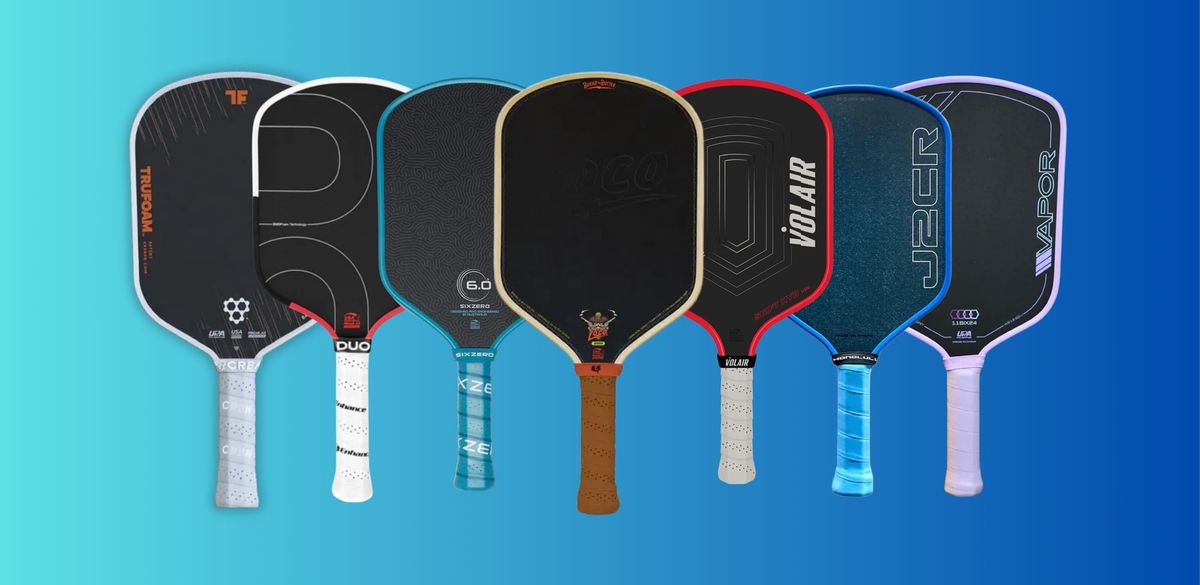
Reason 2: Lighter Foam Finally Made the Flat Top Possible
The flat top was understood as a performance advantage long before it showed up on hybrids. The problem was weight.
Squaring off the top adds material, and more material at the top of the paddle kills the quick, wristy feel that made hybrids popular in the first place.
That is why the arrow curve survived: tapering the head reduced swingweight and kept the paddle fast.
For a long time you could have a flat top, or you could have a fast hybrid. You could not have both.
The Foam Breakthrough That Changed the Math
New foam materials changed everything.
The latest generation of full foam cores and face materials is significantly lighter than what was available even a few years ago.
When the whole paddle builds lighter, brands have margin to work with.
They can add the mass of a flat top and still land at a total weight that feels fast in the hand, which is the same arms race driving CRBN's TruFoam and the push to Gen 4 paddle tech.
The engineering finally caught up to what players actually wanted.
 The Dink Media Team
How the Flat Top Hybrid Paddle Compares to Other Shapes
- Arrow curve hybrid: Fast in hand, smaller sweet spot at the top, tapered head reduces plow through on high contact
- Elongated paddle: Large sweet spot and more reach, but slower to swing and harder to maneuver at the kitchen
- Flat top hybrid paddle: Large sweet spot, strong plow through, and maneuverability now comparable to the arrow curve thanks to lighter foam
You are getting the best combination of those three options in one shape.
That is a fundamental improvement in what a hybrid can offer, and it is why hybrid picks keep climbing in roundups like these 2026 paddle predictions from top reviewers.
 The Dink Media Team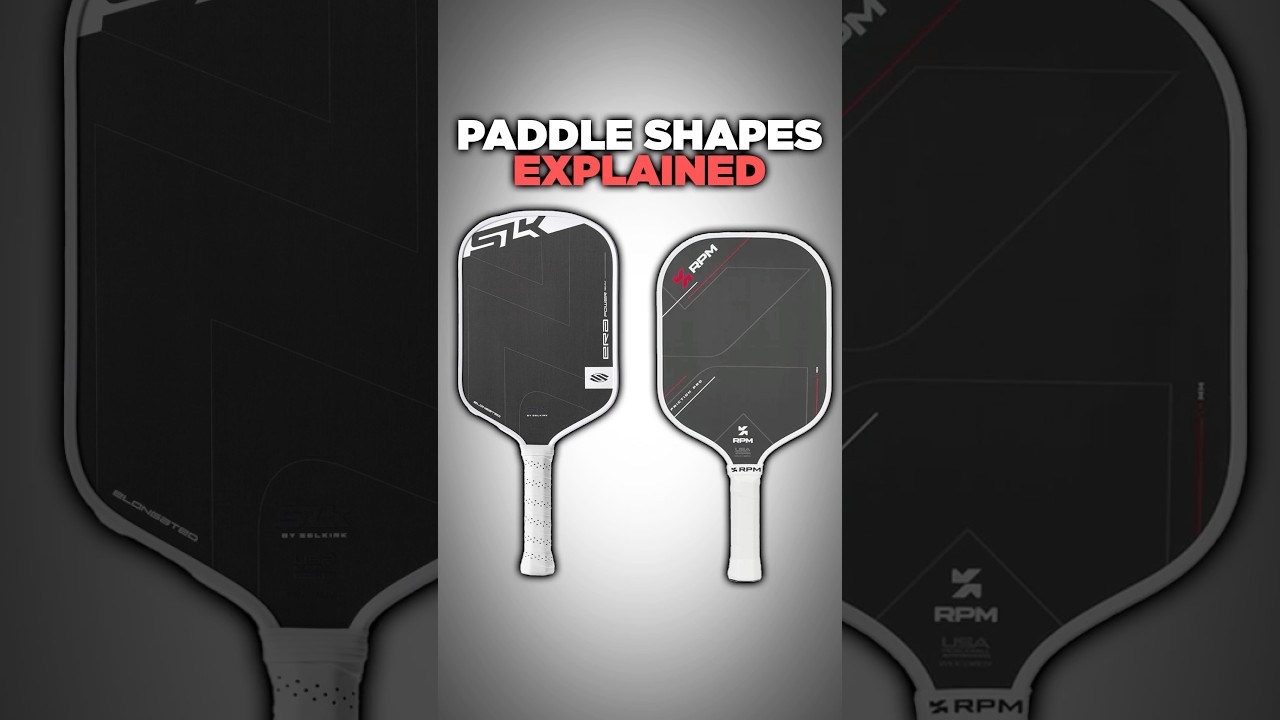
Reason 3: Joola Put the Flat Top Hybrid Paddle on Everyone's Radar
The technology explains why flat top hybrids are better. It does not explain why they got popular this fast.
JOOLA introduced one.
Before 2026, Joola had no hybrid shape in their lineup at all.
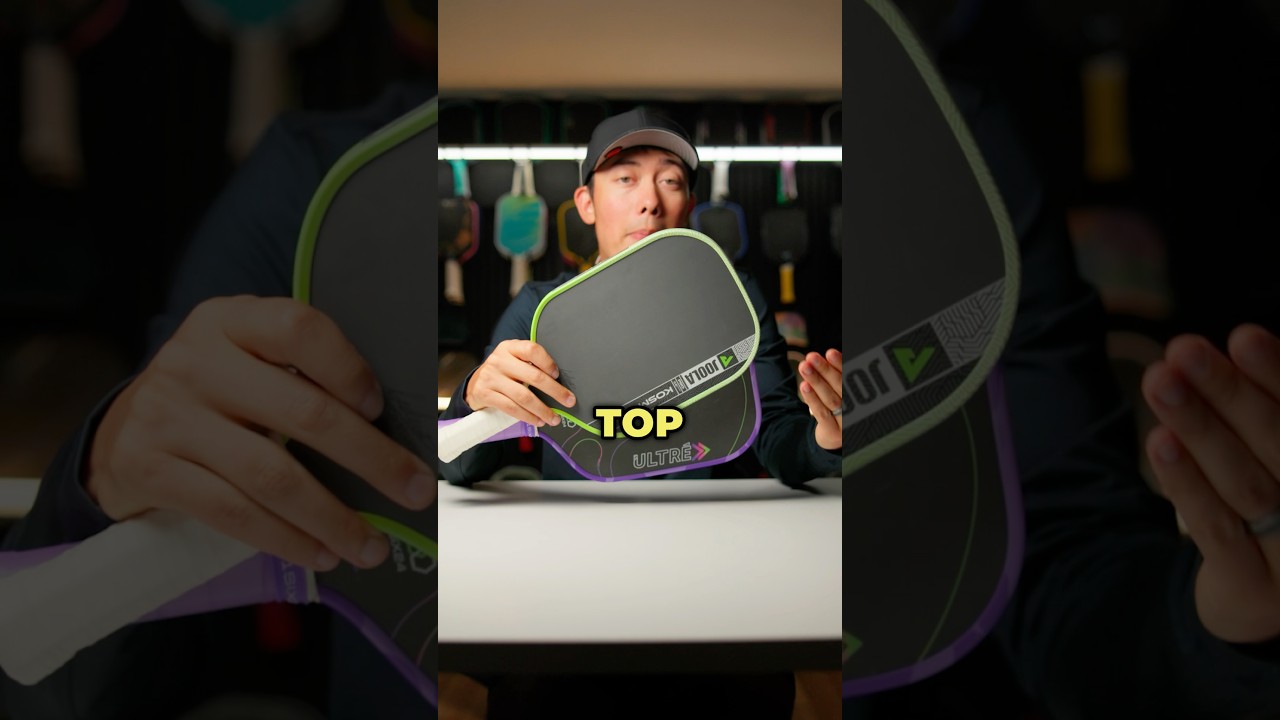
When they released the Kosmos, they skipped the traditional arrow curve that every other brand used and went straight to a flat top.
Flat top hybrids existed before Joola made one.
Gearbox and Chorus both had versions on the market, but neither brand had the reach to make the shape mainstream.
Joola is a different story.
Their pro partnerships, marketing reach, and track record mean their decisions carry weight with the entire pickleball buying public, the same audience that pushed Amazon paddle sales up 55% in 2025.
When Joola validated the shape, the market followed.
 Alex E. Weaver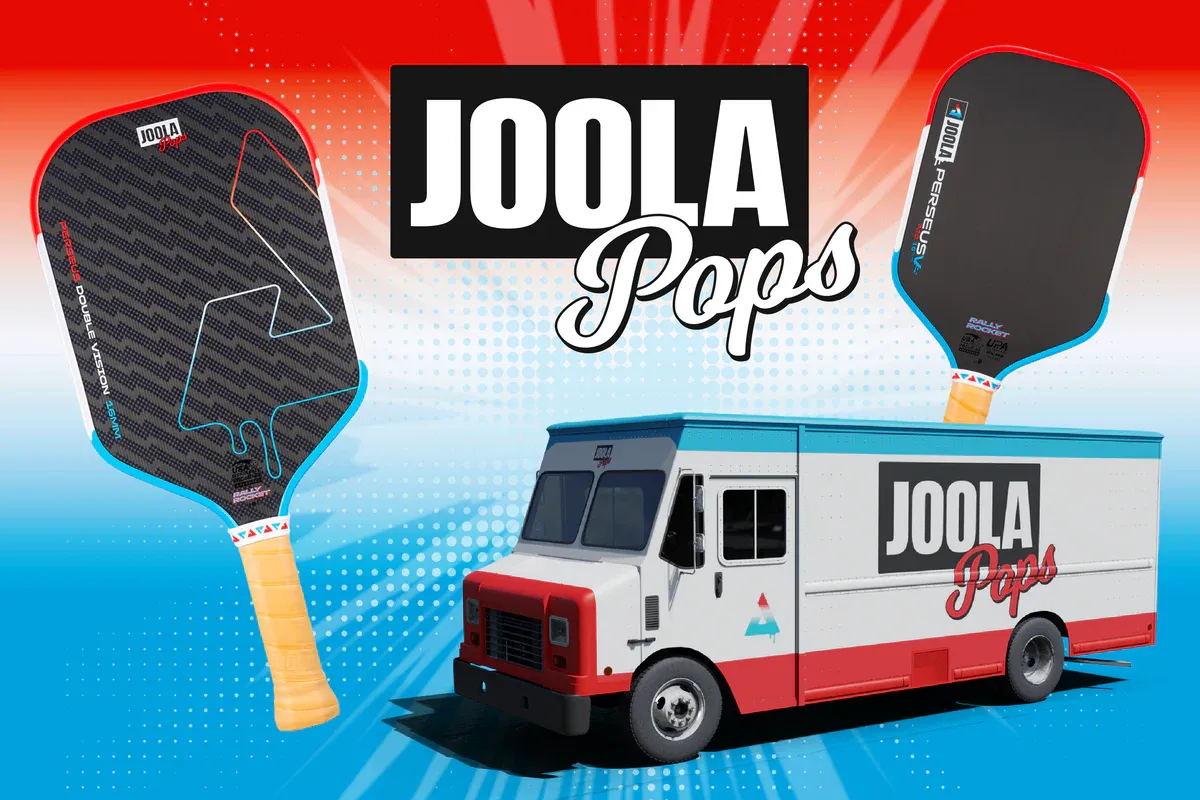
Does the Shape Actually Change How You Play?
Yes, and at every skill level. The expanded sweet spot is the benefit you feel first.
At the kitchen line, the margin between a clean dink and a popup is often a centimeter or two of contact.
A larger sweet spot reduces how often those marginal hits go wrong, which is half the battle in stopping popups and cleaning up your paddle positioning.
Where the Flat Top Hybrid Paddle Shows Up Shot by Shot
- Dinking: More consistent contact on slightly off-center dinks, fewer popups from high contact
- Reset shots: Better stability on hard incoming balls, less twist on off-center blocks
- Third shot drops: Cleaner feel through the hitting zone and a more predictable result at the kitchen
- Speed-ups and counters: Plow through keeps the ball on line even when you are reaching or hitting late
- Overhead finishes: More confidence on high contact you might otherwise dump into the net
The maneuverability question deserves a direct answer too.
Because of the lighter foam, a flat top hybrid paddle does not feel sluggish the way you might expect a heavier head to feel.
It responds well where quick hands matter, so it pairs naturally with winning kitchen line hands battles.
 Alex E. Weaver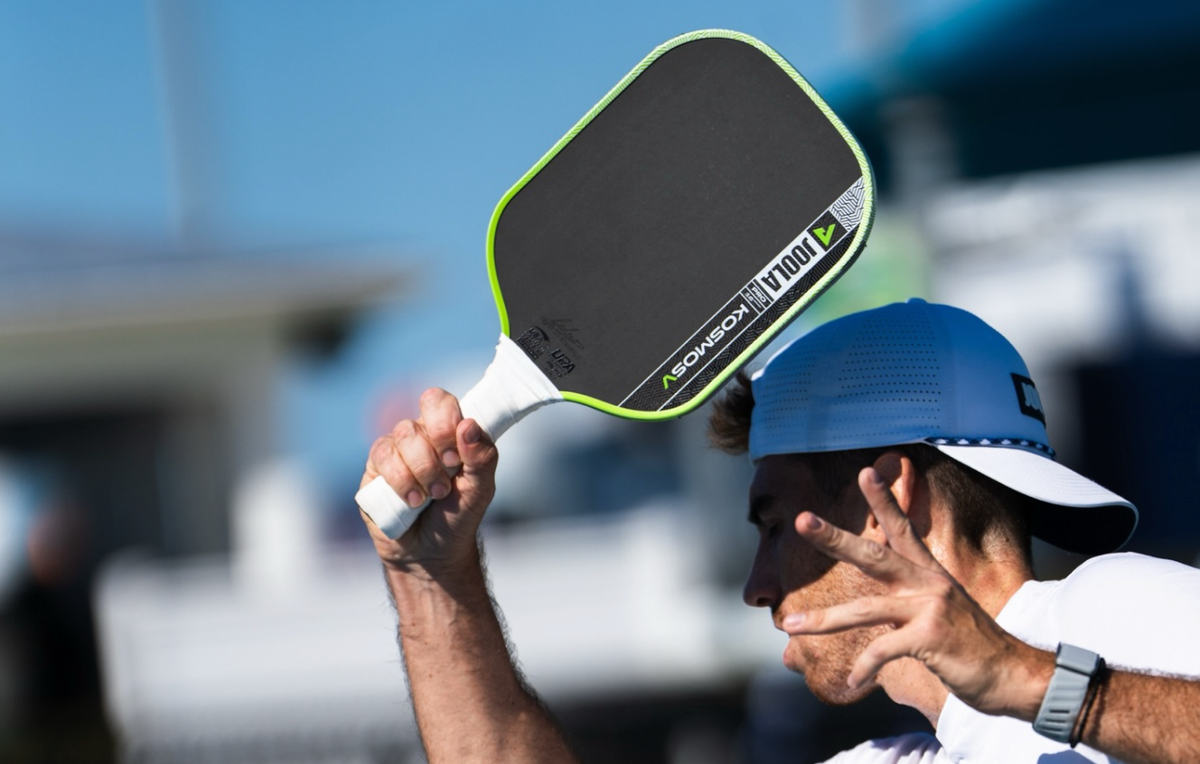
Should You Switch to a Flat Top Hybrid Paddle?
That depends on what you are playing now and what problem you are solving.
If you are on a standard shape and feeling limited by reach and surface area, a flat top hybrid paddle is probably an upgrade worth making.
You get more paddle without the full commitment of an elongated shape.
If you already love your elongated, the improvement may be modest. The elongated still gives you more total length.
If you are on an arrow curve hybrid and losing points to off-center high contact, that is your signal to switch. T
he sweet spot difference is real and you will feel it inside a session, which is why hybrid reviews like the Vulcan V550 breakdown keep landing on the same conclusion.
Paddle shape is one piece of the puzzle.
Your technique still determines how much any paddle can help, and these 11 tips for going from 3.5 to 4.5 are a good reality check before you spend money on gear.
The flat top hybrid trend is not going away.
With lighter materials getting cheaper and brands like Joola setting direction, expect more of these shapes throughout 2026 and beyond.
The bottom line is simple. The flat top hybrid is now the best version of the hybrid shape, and the sweet spot advantage over the arrow curve is not a marketing claim.
It is a structural reality.
If you are shopping, this shape deserves serious consideration. Start with our pickleball paddle buying guide, and if you have already tried one, you probably know why this conversation is happening.
Frequently Asked Questions
What makes a flat top hybrid paddle different from a standard hybrid?
A flat top hybrid has a squared-off top edge instead of the tapered arrow curve that original hybrids used, which increases sweet spot size and improves plow through on high contact. The arrow curve existed to cut weight at the tip, but newer foam cores let brands keep a flat top light enough to stay fast.
Who made the flat top hybrid paddle popular in 2026?
JOOLA brought the shape into mainstream awareness with the Kosmos release. Gearbox and Chorus had flat top hybrids first, but neither had the market reach to turn the design into a trend.
Is a flat top hybrid paddle better than an elongated paddle?
They serve different needs, and an elongated paddle still gives you more total length and reach. The flat top hybrid is faster in the hand and easier to maneuver at the kitchen line, so it wins if you want sweet spot size without losing hand speed.
Why did it take so long for flat top hybrids to become common?
The barrier was weight, because squaring off the top adds material and raises swingweight. Older foam materials left no margin to add that mass, and newer lighter foams solved it.
Does paddle shape actually affect performance for recreational players?
Yes, mostly through sweet spot size, since rec players make more off-center contact than advanced players. A larger sweet spot reduces the penalty for slightly high or off-center hits, which directly cuts unforced errors in real play.
Love Pickleball? Join 100k+ readers for free weekly tips, news & gear deals.
Subscribe to The Dink