

10 Pickleball Doubles Strategy Mistakes Every Beginner Gets Wrong
Most pickleball doubles players lose points not because of bad shots, but because of poor positioning, weak communication, and lack of structure. Here are the 10 pickleball doubles strategy mistakes that separate casual players from consistent winners.
The thing about pickleball doubles strategy is that it's not really about hitting harder or faster.
It's about positioning, communication, and making smarter decisions than your opponents. Most players don't lose points because of bad shots.
They lose because they're standing in the wrong spot, hitting the wrong ball, or leaving their partner completely exposed.
Pro pickleball player Michael Loyd, who's been competing professionally since 2023 and has won over 135 matches on the Pro Tour, has watched thousands of doubles points fall apart for the exact same reasons.
And he's identified the 10 pickleball doubles strategy mistakes that every beginner makes.
Love pickleball? Then you'll love our free newsletter. We send the latest news, tips, and highlights for free each week.
Why Positioning Matters More Than You Think
Here's the thing: pickleball doubles strategy starts with where you stand, not how hard you hit.
Loyd emphasizes that if one player is at the kitchen line and the other is back at the baseline, you're losing that point. Period.
The first mistake beginners make is failing to move to the kitchen together. This isn't about sprinting forward at full speed.
It's about moving as a unit. When your partner hits a third shot drop, you both move forward. You both stop.
Love pickleball? Then you'll love our free newsletter. We send the latest news, tips, and highlights for free each week.
You both split step together. Half commitments and forgetting to move forward give your opponents an easy opportunity to finish the point.
Loyd demonstrates this with a simple principle: don't get too staggered. When teams aren't moving up together, big gaps form in the middle of the court.
It's easier for opponents to attack. But when you move forward in unison, even if it takes a couple of balls to get there, you're in a strong position.
The good news? You don't need to be perfectly in sync.
If your partner is moving up a little bit before you and you're right behind them, you're still in a good spot. The key is making forward progress together, not individually.
The Middle of the Court Is Your Most Valuable Real Estate
The second major pickleball doubles strategy mistake is giving away the middle. The middle is the highest percentage target in doubles.
Why? The net is lower at the center. There's no risk of hitting out to the left or right. And you create partner confusion.
Here's a simple rule that Loyd teaches: forehands take the middle. If you both have backhands in the middle, someone calls it early.
Silence often equals confusion, and confusion loses points.
Loyd uses an "X" concept to explain middle coverage. Anything coming from one side of the X to the other means you're responsible for that middle dink.
If the ball is going to your partner's side, you should be more worried about the middle. Your partner should be worried about their line.
The principle is straightforward:
Pay attention to what's closest to you.
That's what you're responsible for. This clarity prevents collisions and miscommunications that can get messy real quick.
 The Dink Media Team
Communication Before the Point Changes Everything
The third mistake is communicating too late. Most communication happens in the middle of the point, when it's already too late. Loyd says,
Good teams talk before the serve. Bad teams are surprised.
Before the point starts, you need clarity on several things:
- Who's taking lobs?
- Who's covering the middle?
- Are you going to stack? Are you attacking a specific player?
- Do you prefer drops or drives?
- Is one of you trying to crash consistently?
You don't need a speech. You just need clarity.
Loyd gives a practical example: if one partner has a really good overhead and the other isn't as comfortable running back, pick one person to take that ball every single time.
No guessing. No hesitation.
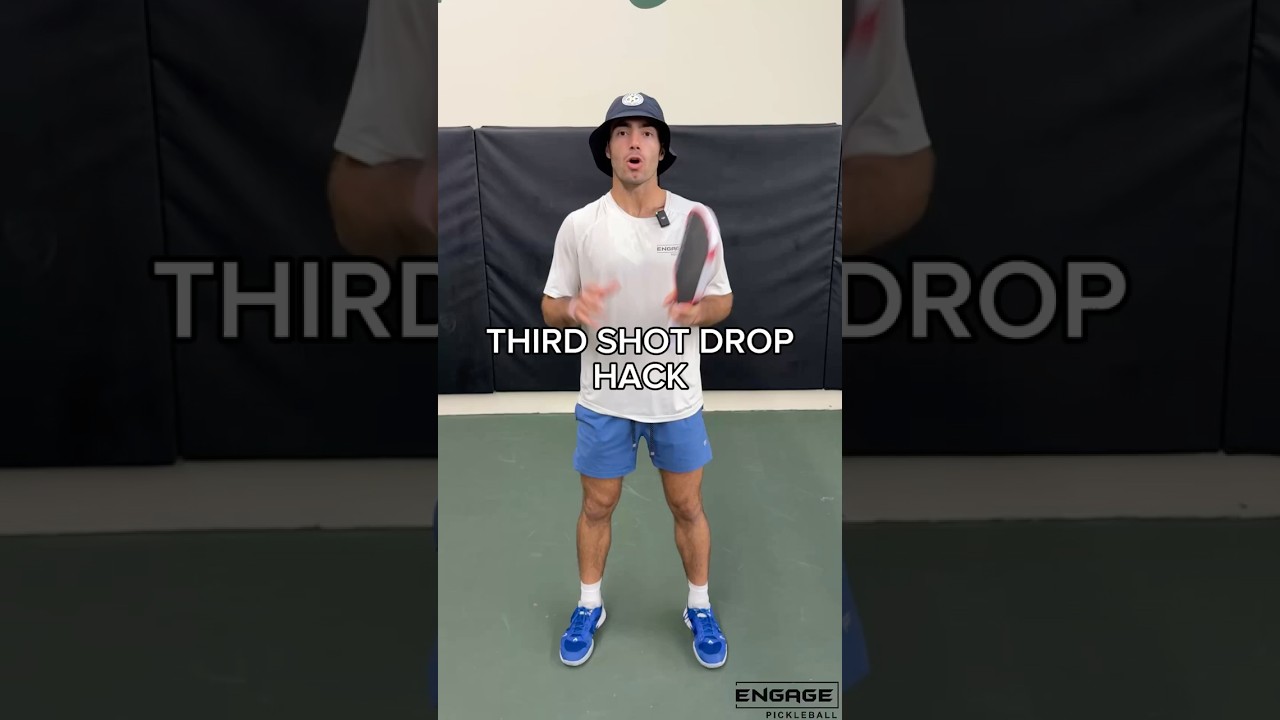
Another critical pre-point conversation is third shot selection. If one of you has a really good drive and the other has been successful with drops, make sure those roles are clearly defined.
This prevents both players from trying to do the same thing and creates a cohesive game plan.
Why Crosscourt Is Your Best Friend
The fourth mistake is defaulting to down-the-line shots.
New players love going down the line. Pros live in the crosscourt.
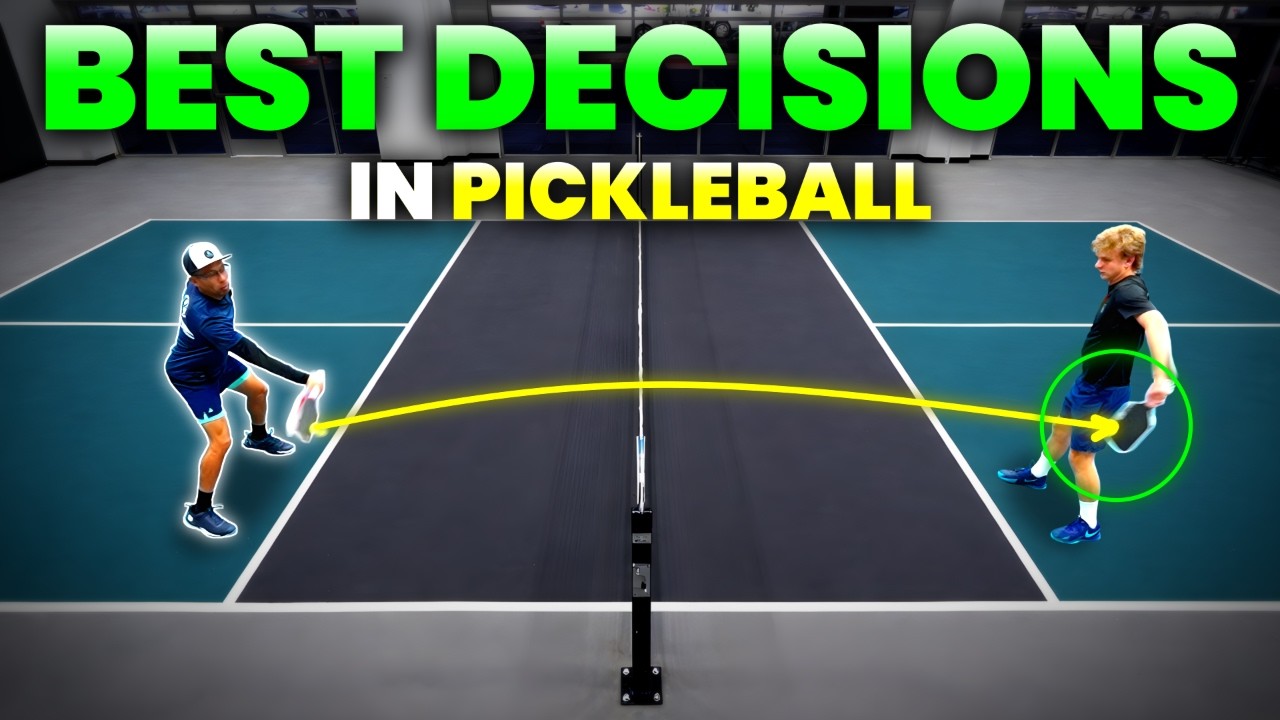
Why? You've got a lower net in the center, more court space, and more margin for error. You also get more reaction time.
Ben Johns, widely considered the GOAT of pickleball, plays most of his rallies crosscourt until someone earns the attack.
The crosscourt gives you tons of variety. You can hit to his forehand, his inside foot, or go wide to his backhand. You've got options.
The mistake beginners make is getting stuck hitting the same ball to the same spot over and over again.
If you're hitting the same ball to your opponent's backhand repeatedly, they'll get into a rhythm.
That's hard to break down. Instead, throw in different looks within the crosscourt pattern.
One caveat: don't give them too much angle. If you push them too far out wide, you expose yourself to an attack. Stay within the crosscourt but vary your targets.
The Dink Media Team
The Speeding Up Trap
The fifth mistake is speeding up everything.
Speeding up is fun. Speeding up is also how you lose points fast.
Loyd's rule is simple: only speed up when
- The ball is above net height
- Your opponents are leaning or reaching
- You have balance and space
If you're hitting up on the ball, don't attack. If you're at the baseline or transitioning while your opponents are at the kitchen line, don't attack.
Patience wins points more than power.
Loyd demonstrates what happens when you speed up a ball that's too low. Your opponents already have their paddles up and ready.
They'll stuff it with a nice counterattack. You lose the point.
The cue to look for is whether you've stretched your opponents. If they're leaning or off balance, that's a good look to attack.
But you also need to be balanced yourself. You should be stationary, leaning forward, with your weight up on the kitchen when you're looking to attack.
 The Dink Media Team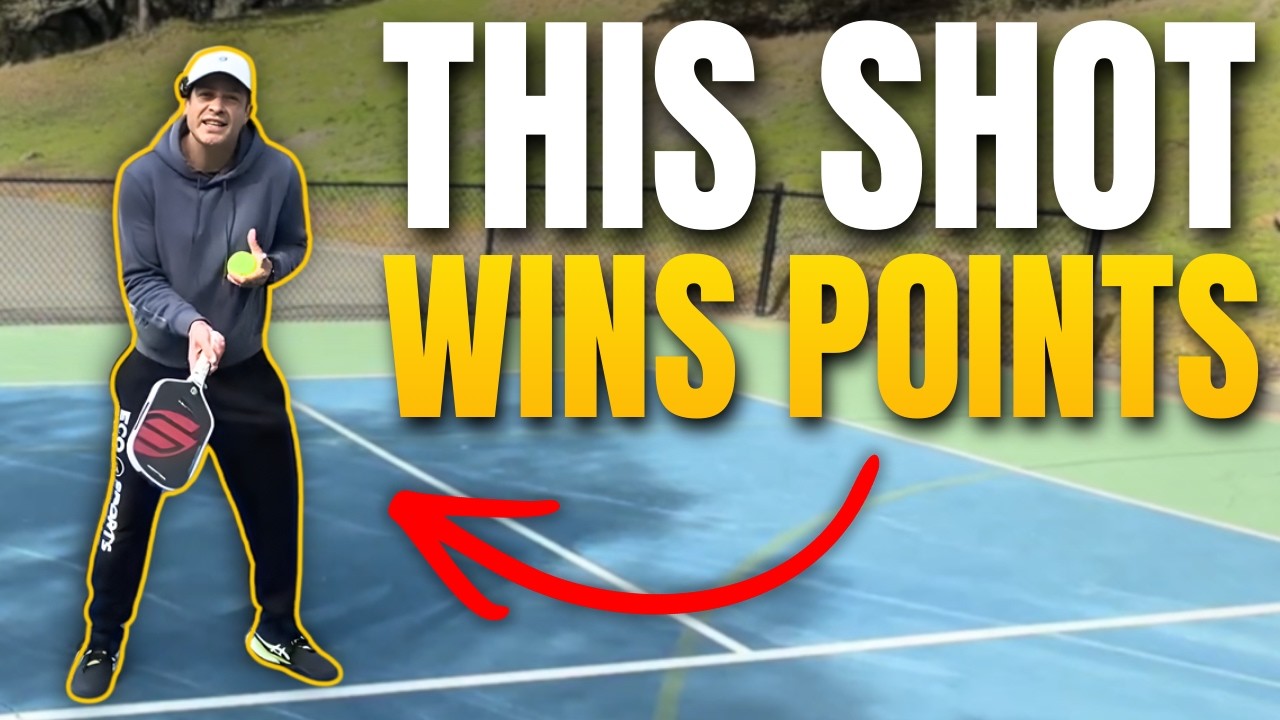
Targeting Feet, Not Faces
The sixth mistake is aiming for the body when you attack. Body shots sound cool and funny, but feet shots win rallies.
Pros don't hit harder. They hit lower.
When you attack, aim low. Feet force pop-ups, weak volleys, and defensive resets.
Even if your opponent hits a good ball, it's still something you can be aggressive with on the next shot. You're never really giving them something they can counter back at you.
Aiming for the feet also gives you the most margin to work with. Anytime you aim for the body, you're flirting with the ball going long.
In a situation where you already have the upper hand, that's a mistake.
The Dink Media Team
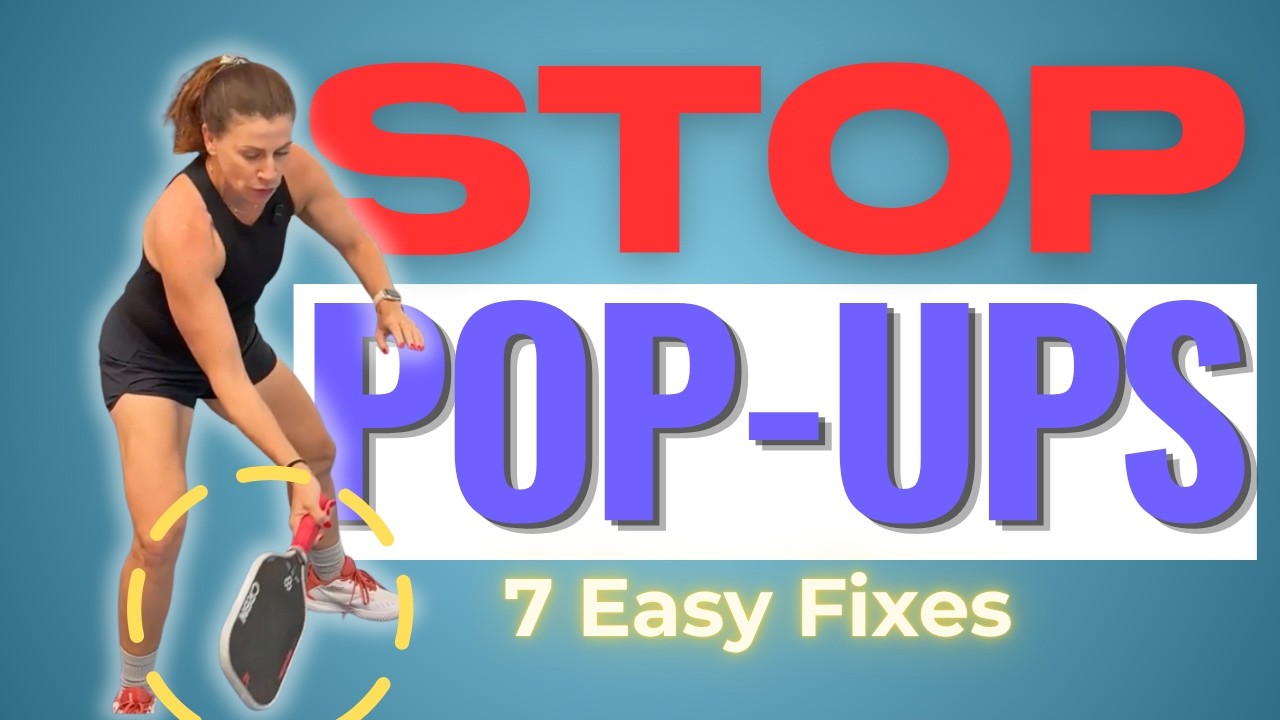
Resets Aren't Bailouts
The seventh mistake is viewing resets as defensive shots where you've done something wrong. Wrong. Resets are how you
- Survive pressure
- Slow the game down
- Regain kitchen position
A soft block into the kitchen is a smart play, not a panic move.
Loyd explains that resets help you avoid pressure and get yourself in a better spot so you can do something offensive later. It's a vital part of the game.
It can actually be very offensive if you're doing it the right way and setting up the point later on.
Sometimes you get stuck in the same spot and feel like you're not making progress. But you're still making the ball.
That's still pressure on your opponents. If you don't give anything up, they still think they need to hit a better shot.
A lot of times that leads to an error on their side.
 The Dink Media Team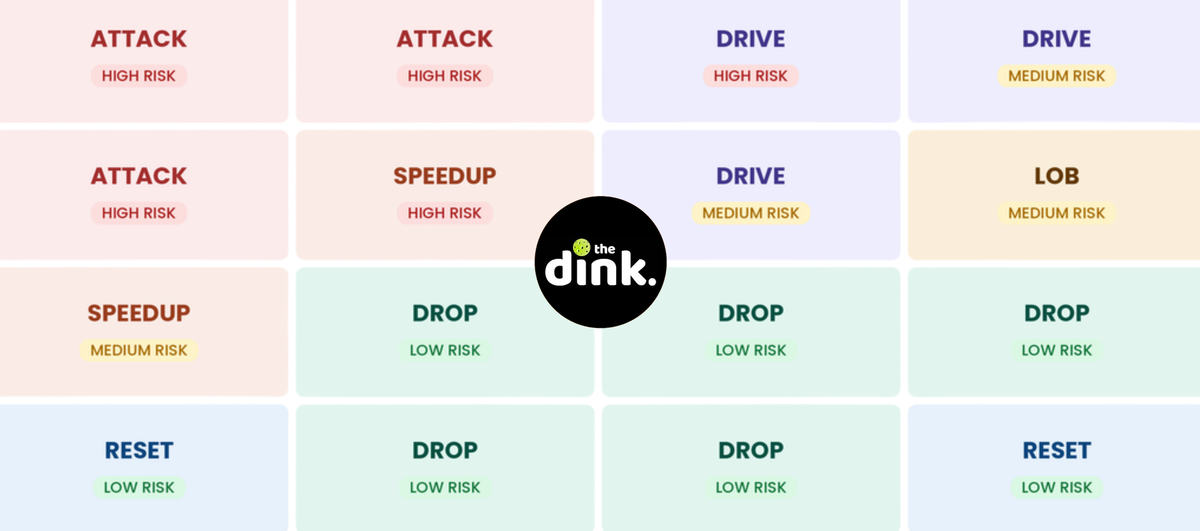
Understanding Stacking
The eighth mistake is ignoring stacking completely. You don't have to stack, but you should understand it.
Stacking lets you keep your stronger forehand in the middle, hide weaker backhands, and control patterns.
Loyd explains that you might want to stack because you have somebody who's a little more aggressive, has a stronger forehand, or has more length.
You can stack casually or fully, but ignoring it completely leaves advantages on the table.
When stacking on return, there are a couple of different ways to do it. You can have your partner standing off to the side, or you can have the two partners switch after the return is hit.
Traditionally, you give a hand signal to indicate whether you're switching or staying.
Moving in Sync With Your Partner
The ninth mistake is functioning as two individuals instead of a united team.
It's important to stay in sync with your partner, especially when approaching the kitchen.
This should be done together to avoid leaving big gaps in the court.
At times, you or your partner will be forced to hit from less ideal positions. You might be out wide, on your back foot, or lunging forward.
Your job is to cover the most likely place the next ball is going. That's generally going to be in the middle of the court.
While moving to cover the gaps and protect your partner doesn't guarantee you'll win the point, it does give you the best odds of doing so.
Good doubles teams work together in unison, not independently.
Loyd points out that a lot of amateurs watching pro pickleball think pros are just super fast. But a lot of it has to do with anticipation.
Pros are already in position before the ball even comes their way.
 The Dink Media Team
Winning the Boring Points
The tenth and final mistake is not winning the boring points. Most points are won because
- Someone struggled with their third shot
- Missed a dink, attacked too early
- Hit to the wrong spot
If you can keep the ball in play, stay patient, play smart, and make one fewer mistake than your opponent, you'll beat teams with better shots all day long.
Most points aren't won with winners. They're lost with errors.
Loyd emphasizes that you don't have to hit some fancy dink every time or hit the best serve or return in the world.
A lot of times you can rely on your opponent's errors to win matches. Up at the kitchen line, focus on hitting good, clean, consistent dinks.
These don't have to be perfect. You can just rely on something you can make over and over again.
A lot of times your opponents will give you a free misplaced dink in the middle of that rally.
The key is being patient, waiting for good opportunities, and seeing if they get impatient.
Maybe they speed up a bad ball. Maybe they hit an out ball. Any of these are good opportunities to win another boring point.
 The Dink Media Team
Frequently Asked Questions
What is the most important pickleball doubles strategy for beginners?
Moving to the kitchen together as a unit is the most fundamental pickleball doubles strategy for beginners. If one player is at the kitchen and the other is back at the baseline, you're losing that point. Focus on making forward progress together, not individually.
How do I improve communication with my doubles partner?
Talk before the serve, not during the point. Discuss who's taking lobs, who's covering the middle, whether you're stacking, and what your third shot strategy is. You don't need a long speech, just clarity on roles and responsibilities.
Why is the crosscourt pattern so important in pickleball doubles?
The crosscourt gives you a lower net in the center, more court space, and more margin for error. You also get more reaction time and more variety in shot placement. Most pro players stay in the crosscourt until they earn an attack opportunity.
When should I speed up the ball in doubles?
Only speed up when the ball is above net height, your opponents are leaning or reaching, and you have balance and space. If you're hitting up on the ball or transitioning while your opponents are at the kitchen, don't attack. Patience wins more points than power.
What's the difference between a reset and a bailout?
A reset is a smart, strategic shot that helps you survive pressure and regain kitchen position. A bailout is a panic shot. Resets are actually offensive when done correctly because they set up better opportunities on the next ball.
Love Pickleball? Join 100k+ readers for free weekly tips, news & gear deals.
Subscribe to The DinkGet 15% off pickleball gear at Midwest Racquet Sports