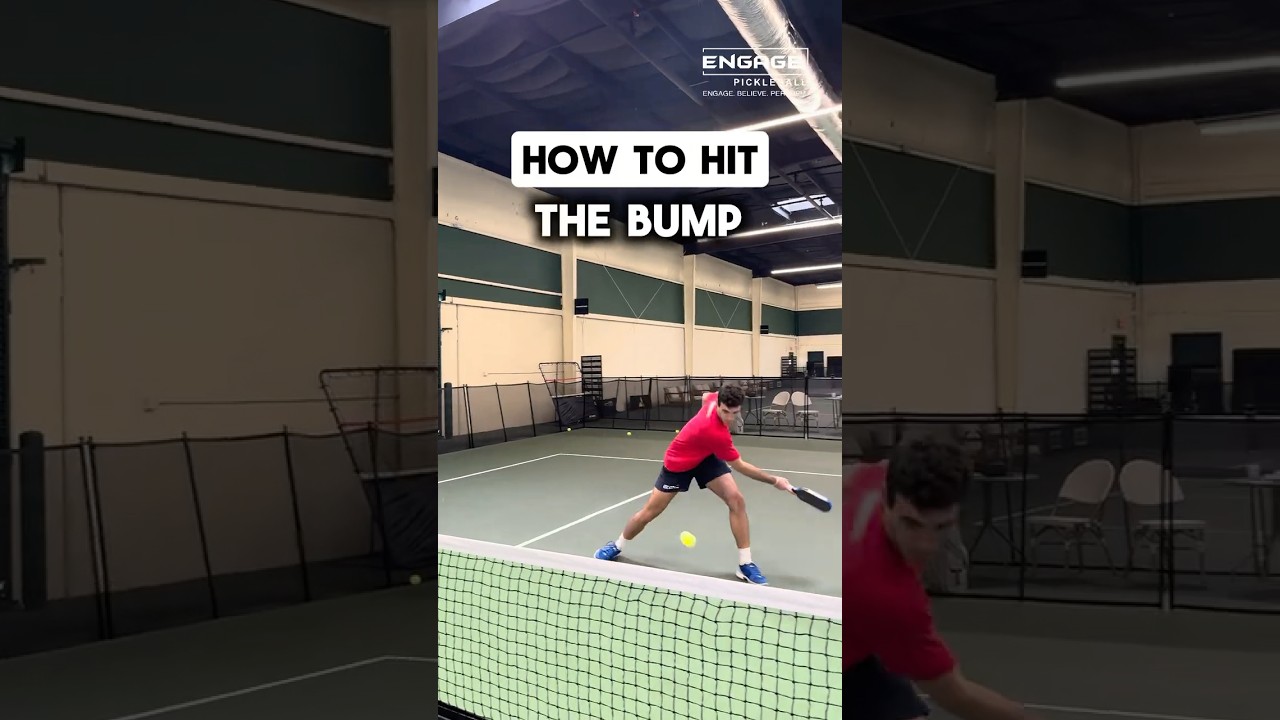
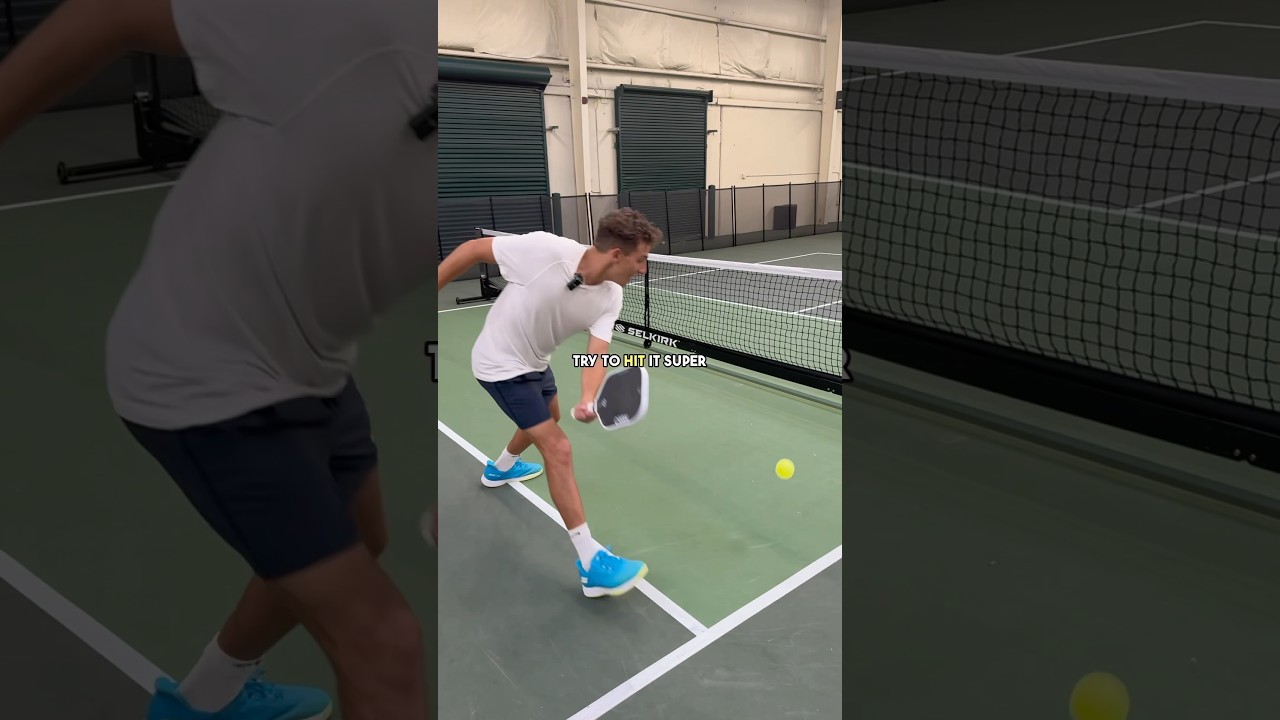
You can't just show up and hit balls. You need a plan, and that plan should build progressively from simple to complex.
There's something refreshing about a pickleball coach who doesn't overcomplicate things. Jordan Briones, the mind behind Briones Pickleball Academy, just dropped a comprehensive pickleball drilling guide that feels less like a lecture and more like a conversation with someone who genuinely wants to see you improve.
This isn't a random smattering of drills, either: it's a methodical, progressive breakdown of 12 tried-and-true pickleball drills designed to address the fundamentals that separate casual players from competitive ones.
Love pickleball? Then you'll love our email newsletter. We send the latest news, tips, and highlights for free each week.
The Foundation: Why These Pickleball Drills Matter
Here's the thing about pickleball improvement: most players chase the flashy stuff. They want to hit harder serves, execute perfect third-shot drops, or pull off that one-in-a-million lob.
But Briones approaches it differently. His framework starts with the assumption that you're probably missing the basics, and that's not an insult; it's just reality.
The 12 pickleball drills he outlines in the video are structured to build competency from the ground up, starting with footwork and hand control before moving into game-situation scenarios.
 The Dink Media Team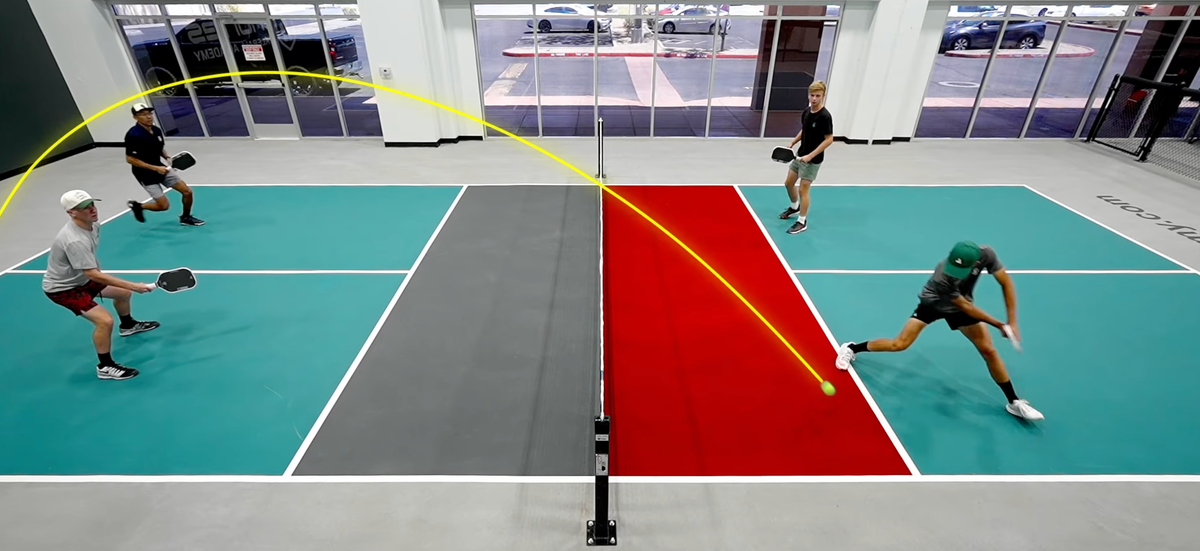
The Pickleball Drill Breakdown
Warm-Up Pickleball Drill Series (Drills 1-2)
1. The Dink Warm-Up kicks things off with something deceptively simple. Briones emphasizes footwork, specifically the shuffle step and angled shuffle step, while also working on taking balls out of the air. The goal here isn't to win points; it's to build habits.
He recommends spending at least five minutes on this, focusing on movement and creating space rather than speed.
2. The Dink Patience Drill takes the warm-up concept and adds structure. Players go to 10 points using rally scoring, switching sides after each miss to practice dinking from the even side, odd side, and straight on. It's a simple concept that forces consistency and removes the temptation to attack prematurely.
Volley and Attack Drills (Drills 3-4)
3. Volley Hands Control mirrors the dinking progression but at the net. Briones hits volleys at 60-75% power, moving the ball around without trying to put winners away. The emphasis on compact strokes and keeping the paddle in front of your shoulders is the kind of technical detail that separates 3.5s from 4.0s.


4. The Initiator Attack Game introduces a competitive element. One player is designated as the initiator and can attack off balance or out of the air, while the other can only counter. It's a clever way to practice both offensive aggression and defensive patience simultaneously.
Transition Zone Pickleball Drills (Drills 5-6)
5. Three and Go (Transition) has Briones standing in transition while his partner pressures him below the waist. He must hit three resets minimum before advancing to the net. This pickleball drill directly addresses one of the most common weaknesses in intermediate play: struggling in the transition zone.
6. Transition Attack Drill flips the script. Briones feeds short balls to his partner, who attempts to drive them aggressively. The goal is to win at least one out of three attempts, which is a realistic benchmark for players working on their offensive game.
7. Three and Go (Baseline) applies the same reset concept from the transition drill but from the baseline, focusing on drop shots instead of drives. Briones makes an important point here: you don't need a perfect third shot. Giving yourself margin and making good decisions about when to advance is more valuable than hitting a flawless drop every time.
8. Drive and Drop combines two essential shots. Briones receives a deep ball, drives it, stabilizes, and then hits a fifth shot before advancing. It's a sequence that mirrors real match situations where you're forced to generate offense from the baseline.
Defensive and Game-Situation Pickleball Drills (Drills 9-12)
9. Serve Counter Drill is unconventional but effective. One player serves aggressively while the other volleys from the net, then they play out the point. It works on serve placement, counter volleys, and court positioning simultaneously.
Briones also touches on shading, explaining how the middle of the court is more vulnerable when your opponent is serving.
 Alina Leontarakis
10. Overhead Defense Drill has one player feeding deeper balls while the other lobs them over the net. The lobber then plays defense while the feeder attempts overheads. It's a drill that builds both offensive and defensive skills in a single exercise.
11. Lob Retrieval Drill is where things get fun. Players dink normally, but at any moment, one player lobs the other without warning. The lobbed player must let it bounce, track it down, and then play it out.
It's chaotic in the best way, forcing players to stay mentally sharp and ready for anything.
12. Skinny Singles wraps things up with a competitive game played crosscourt only. Briones plays to five points (though he notes most players go to 11), and it serves as a capstone to the drilling session. This is where all the individual skills come together in a game-like scenario.
The Bigger Picture: Why Consistency Beats Intensity
What stands out about Briones' approach is his repeated emphasis on fundamentals over flash. By organizing these pickleball drills in a specific sequence, he is essentially saying that improvement isn't random.
You can't just show up and hit balls. You need a plan, and that plan should build progressively from simple to complex.
If you're serious about improving your pickleball game heading into 2026, this video is worth your time.
The 12 pickleball drills work because they address real weaknesses in most intermediate players' games. Whether you're struggling with consistency, transition play, or decision-making under pressure, there's something here for you.
Want to know if you're drilling enough? Pro players have done the math; learn how much you should drill vs. play for maximum improvement.
Heads up: hundreds of thousands of pickleballers read our free newsletter. Subscribe here for cutting edge strategy, insider news, pro analysis, the latest product innovations and more.
Frequently Asked Questions
What is the best pickleball drill for beginners?
The Dink Warm-Up is the most accessible starting point for new players because it focuses on movement patterns and hand control rather than power or aggression. Spending at least five minutes on shuffle steps and taking balls out of the air builds the foundational habits that support every other skill on the court.
How many drills should I include in a pickleball drilling session?
A structured drilling session of five to seven drills is a solid target for most recreational and intermediate players, especially when each one is practiced with genuine focus for five to ten minutes. Deliberately targeting specific weaknesses, such as resets or transition play, will always outperform randomly cycling through shots.
What is the most important skill a pickleball drill can develop?
Consistency at the kitchen line is the single biggest differentiator between intermediate and advanced players, and the dink-based drills Briones outlines are specifically designed to build that consistency over time. The more your drilling routine emphasizes patience and control at the net, the faster your overall rating will climb.
How does Skinny Singles improve your overall pickleball game?
Skinny Singles forces you to apply every skill you've built in a realistic, competitive scenario without the safety net of a full court to spread the ball around. It exposes gaps in your dinking consistency, transition movement, and court awareness under real pressure, making it the ideal capstone to any drilling session.
Is it better to drill or just play to improve your pickleball game?
Both are essential, but structured drilling accelerates improvement faster than open play alone because it isolates specific weaknesses in a repeatable and measurable way. Top pickleball pros dedicate significant time to structured practice on and off the court, and those who consistently combine a deliberate drilling routine with match play see the fastest long-term gains.
Love Pickleball? Join 100k+ readers for free weekly tips, news & gear deals.
Subscribe to The DinkGet 15% off pickleball gear at Midwest Racquet Sports