
Pro Ping Pong Player Teaches Pickleball's Most Devastating Shot: the Punch Volley
The punch volley isn't about raw power or athleticism. It's about understanding angles, timing, and compact mechanics – all things you can practice and improve, regardless of your current skill level.
There's a moment in pickleball when everything slows down. You're at the net, your opponent fires a hard ball at you, and you've got maybe half a second to react. Most players panic. They swing big, they miss, they lose the point.
But what if you could turn that chaos into an offensive weapon?
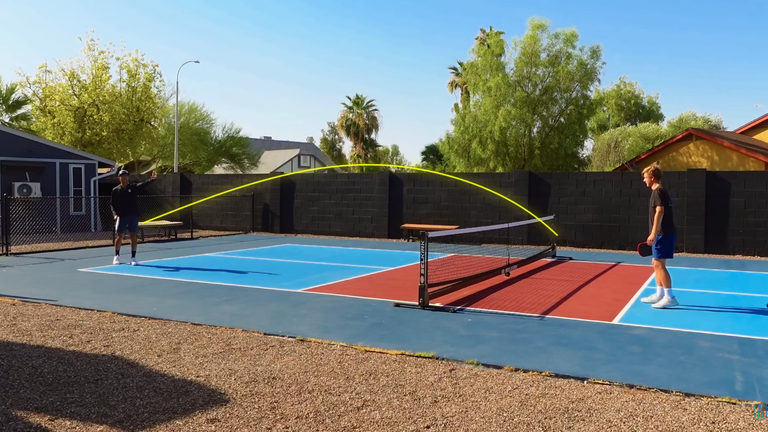
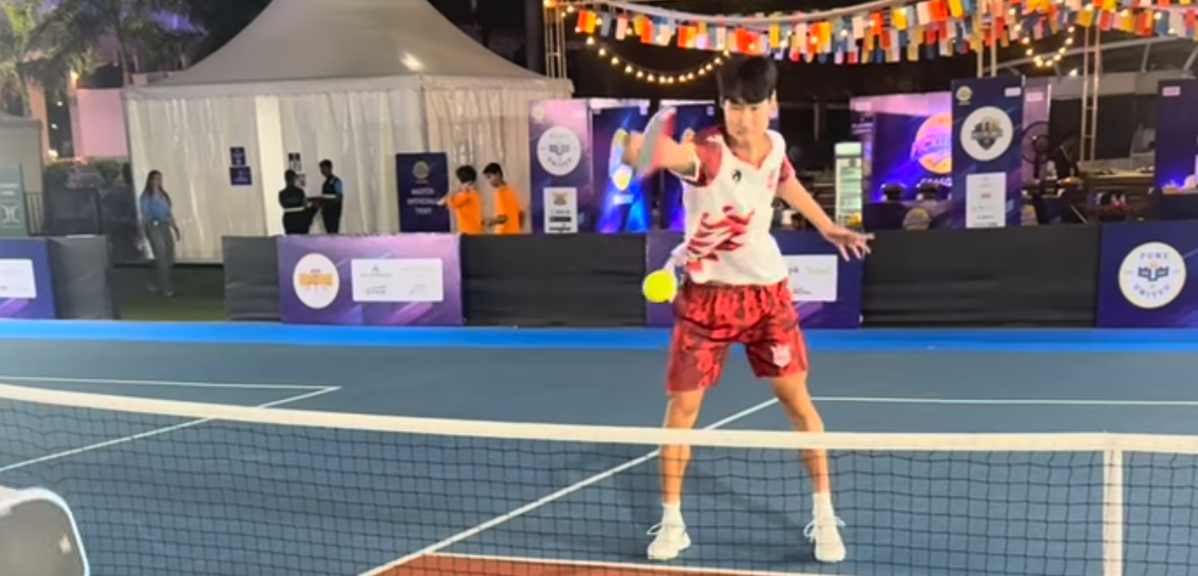
That's exactly what Eung Gwon Kim, a former South Korean professional ping pong player ranked 50th in his country, demonstrated in a recent video with Tanner Tomassi.
In just 60 seconds, Kim breaks down the punch volley, one of pickleball's most underrated and effective shots.
Love pickleball? Then you'll love our free newsletter. We send the latest news, tips, and highlights for free each week.
Why a Ping Pong Legend Matters in Pickleball
Pickleball is still borrowing heavily from its older cousins. Ping pong players bring a completely different skill set to the court, and when someone like Kim shows up, you pay attention.
His backhand punch volley isn't just nasty because he's got quick hands. It's nasty because he understands the fundamentals that translate across racquet sports.
The punch volley is a compact, aggressive shot designed to take time away from your opponent and end a point quickly.
Instead of a full swing, you're using a short, controlled motion to redirect a hard ball right back at them.
The Three-Step Breakdown
Kim's approach is refreshingly simple, which is probably why it works so well. He distills the punch volley into three clear steps that anyone can practice.
 The Dink Media Team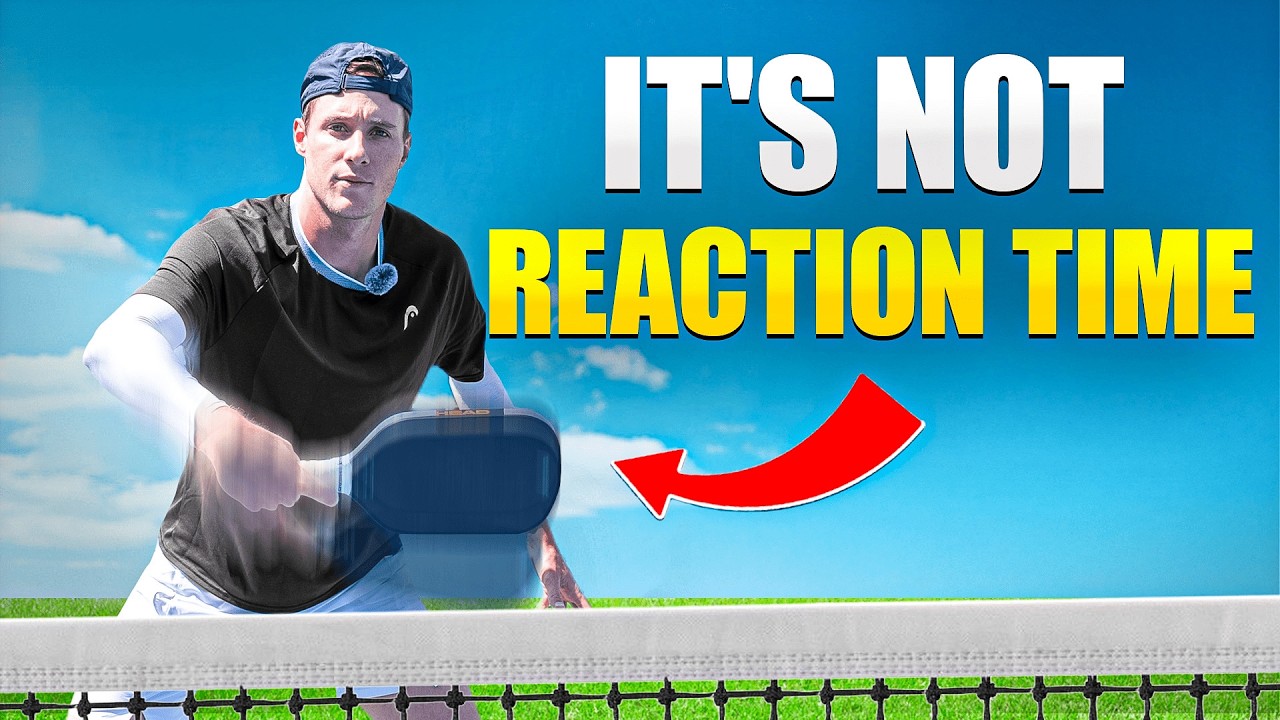
1. Get Ready Early and Keep the Paddle in Front
You can't hit a punch volley if you're late to the ball.
Kim emphasizes getting your paddle up and ready before the ball even reaches you. Think of it like a boxer keeping their hands up. Your paddle should be in front of your body, not behind it, and you should be on the balls of your feet, ready to move in any direction.
The "paddle in front" part is crucial because it gives you options. If the ball comes at you hard, you can block it back. If it's slower, you can add a little pace. You're not committed to one type of shot; you're positioned to react.
 The Dink Media Team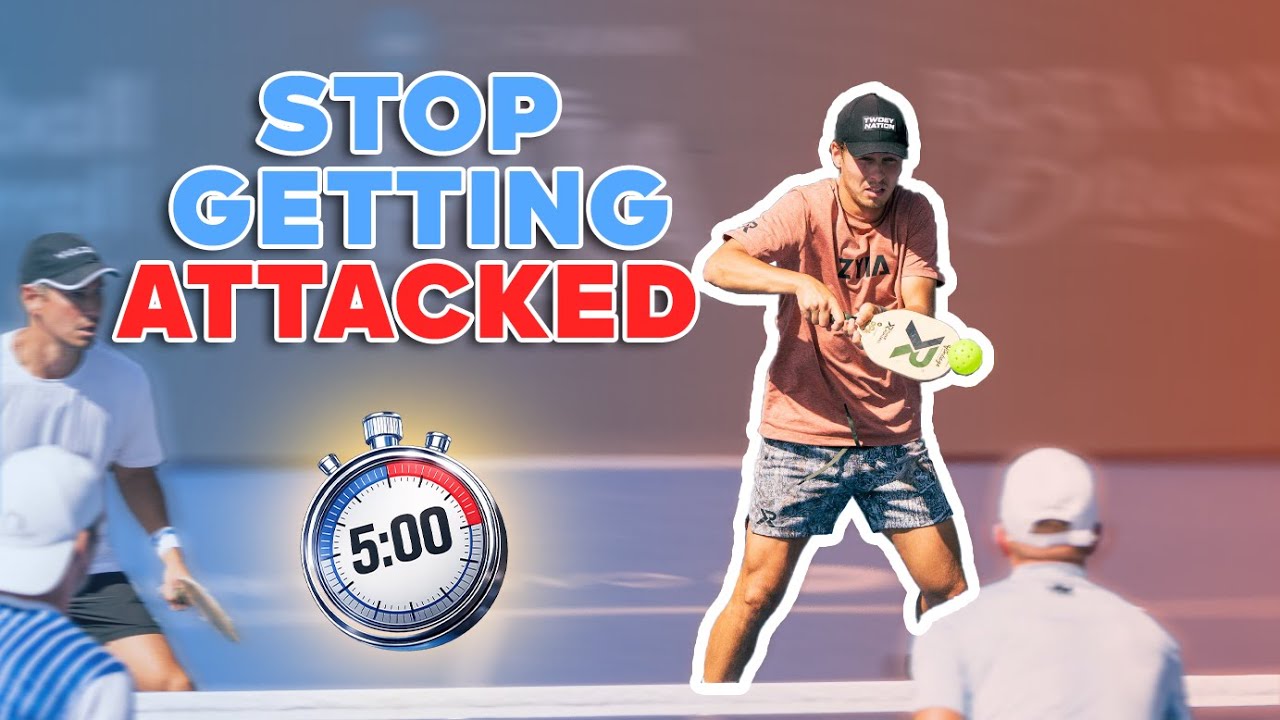
2. Rock the Wrist and Push with the Arm
This is where the punch volley gets its name. You're not swinging; you're punching. Kim describes a wrist motion that's quick and snappy, combined with a push from your arm. It's a compact movement that generates power without a big backswing.
The wrist action gives the shot its bite. You're flicking the paddle face slightly to control the direction and add a touch of spin. Meanwhile, your arm is driving forward, transferring your body weight into the shot. It's a coordinated movement, but it happens fast. Really fast.
3. Keep a Compact Swing and Stay Ready for the Next Ball
This is the part that separates good players from great ones. After you hit the punch volley, you're immediately back in ready position.
You're not following through with a big finish. You're compact, controlled, and prepared for whatever comes next.
This is especially important in doubles, where the ball can come back at you in a hurry. If you're still recovering from your last shot, you're already behind.
Kim's emphasis on staying ready is a reminder that pickleball is a game of constant positioning and anticipation.
 The Dink Media Team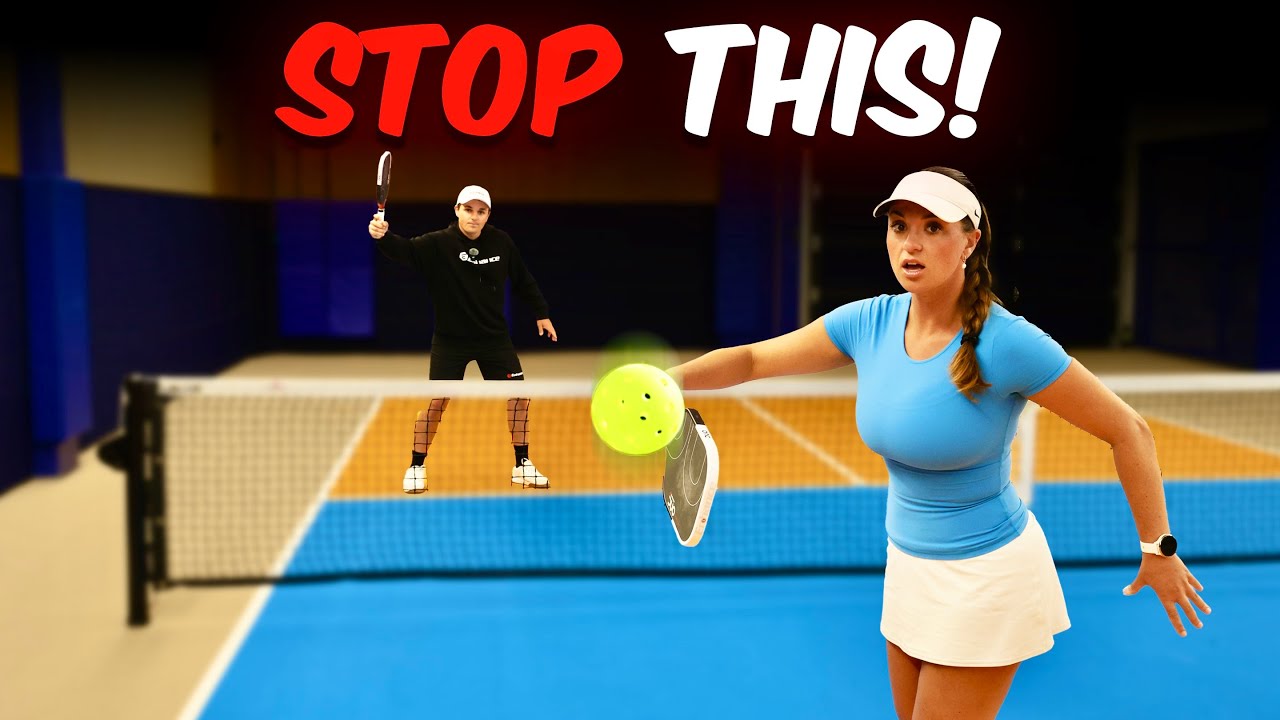
The Bigger Picture: Why Technique Matters
What's interesting about Kim's breakdown is that it doesn't require you to be a former professional athlete to execute. The punch volley isn't about raw power or athleticism. It's about understanding angles, timing, and compact mechanics.
These are things you can practice and improve, regardless of your current skill level.

Love Pickleball? Join 100k+ readers for free weekly tips, news & gear deals.
Subscribe to The DinkGet 15% off pickleball gear at Midwest Racquet Sports