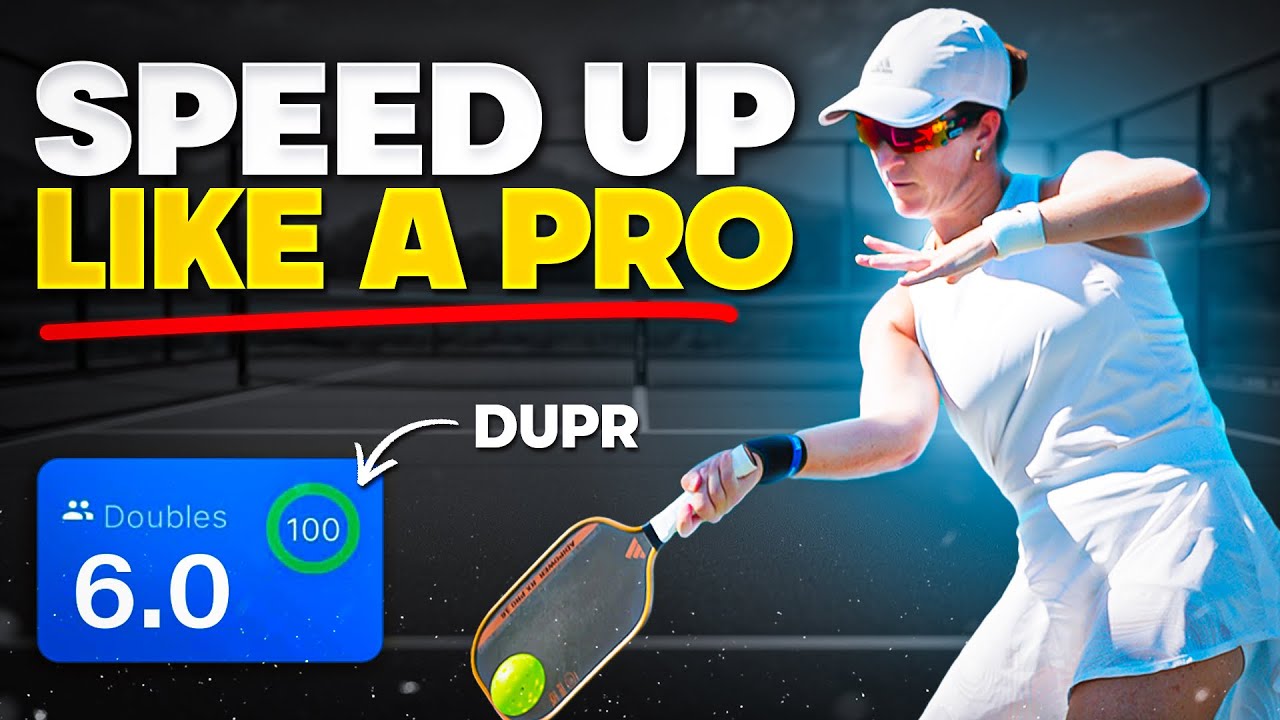
How to Hit a Pickleball Drive Harder and Smarter: 5 Essential Steps
Most pickleball players focus on hitting hard, but the real edge comes from combining power with strategy. Here's how to master the pickleball drive in five proven steps.
You've probably spent countless hours trying to crush the ball in pickleball, but here's what most players miss: the real power in a pickleball drive comes from combining hard hits with smart strategy.
It's not just about swinging faster. It's about understanding the mechanics, the court positioning, and the mental game that separates casual players from competitive ones.
According to Aylex Pickleball Academy, an NCCP-certified coaching resource, the secret to hitting a better pickleball drive lies in five specific, teachable steps. These aren't complicated techniques reserved for pros. They're fundamentals that any player can master with focused practice.
Love pickleball? Then you'll love our free newsletter. We send the latest news, tips, and highlights for free each week.
1. Get Your Contact Point Right
The foundation of every solid pickleball drive starts with where you make contact with the ball. You want that contact point well in front of your body, similar to how you'd position yourself on a serve. This creates room for you to generate power and extension.
If you're taking the ball too close to your body, you're already limiting yourself. You won't get the full extension needed to create real power, and you'll feel cramped and awkward. Think of it this way: the further out in front you can reach, the more space you have to work with.
The wrist action matters here too, but it depends on where you are on the court. At the baseline, you can use your wrist more freely, especially when adding topspin. But as you move closer to the net, you'll want to lock that wrist down and rely more on your core and legs.
2. Put Your Whole Body Into It
Here's where most recreational players go wrong: they think a pickleball drive is an arm shot. It's not. Your legs, hips, and core are where the real power comes from.
When you throw a ball overhead as hard as you can, you don't just use your arm. You turn your shoulders, push off with your legs, and drive your hips through the motion. The same principle applies to your pickleball drive. If you're standing stiff and only moving your arm, you're leaving power on the table and risking injury over time.
The key concept here is coiling.
As the ball approaches, twist into yourself like you're loading a spring. Then, as you make contact, unleash that energy. You'll feel the difference immediately. Your shots will be more powerful, more controlled, and honestly, less tiring because you're using your bigger muscle groups instead of relying solely on your arm.
 The Dink Media Team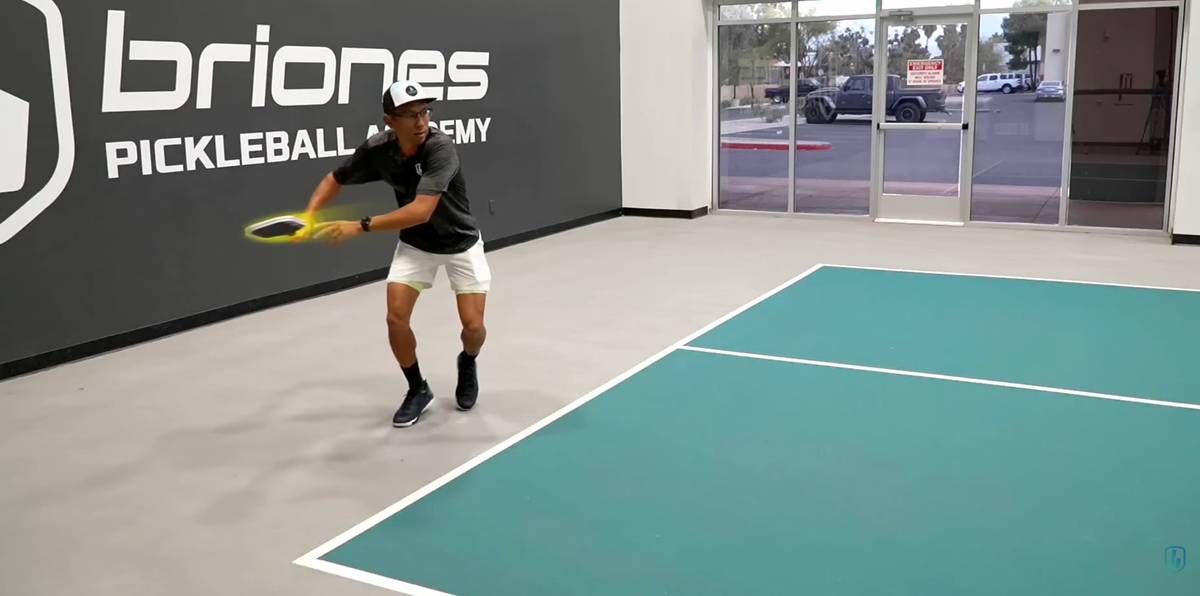
3. Add Topspin to Your Arsenal
Topspin is the bridge between hitting hard and hitting smart. It's created by brushing the ball with a low-to-high motion, similar to how you'd hit a topspin shot in table tennis. The ball rotates forward, which means it dips down toward the court instead of sailing long.
Why does this matter? Because topspin lets you hit harder without sacrificing control.
A flat drive might go out of bounds if you swing aggressively. But with topspin, that same aggressive swing keeps the ball in the court. The spin also creates deception. Your opponent can't predict where the ball will land until it leaves your paddle.
There's another tactical advantage too. When you hit topspin, the ball dips below the net, forcing your opponent to hit up on their return. And when they hit up, you get your chance to attack. Suddenly, you've shifted from being on defense to being on offense with one shot.
 The Dink Media Team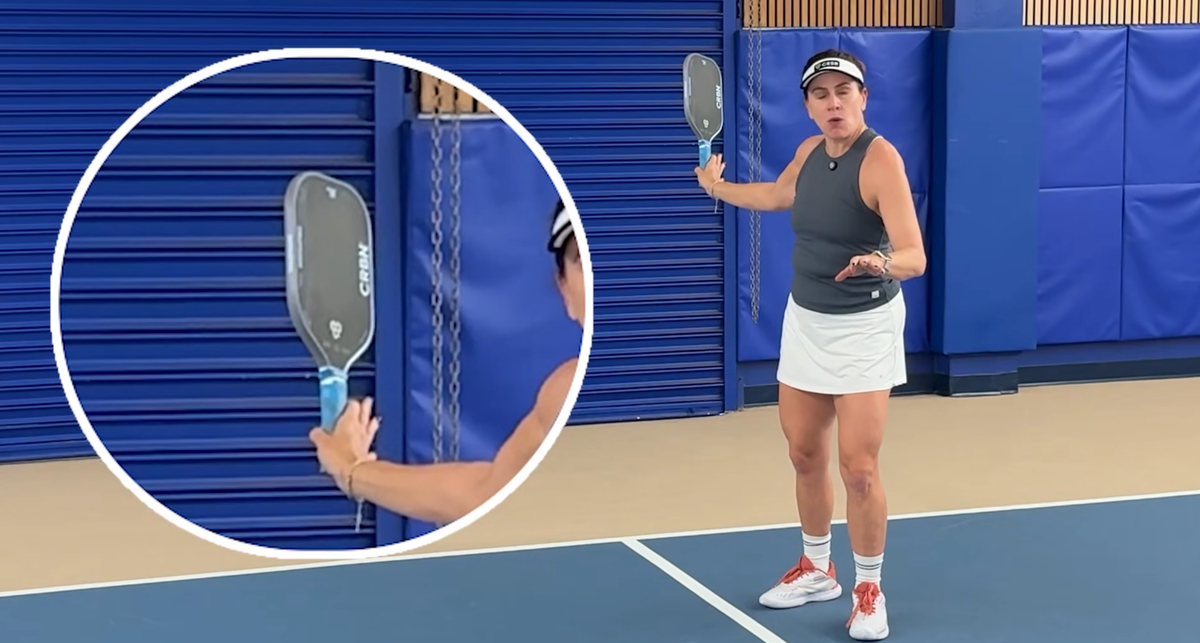
4. Adjust Your Swing Based on Court Position
This is where strategy enters the picture. You can't hit the same swing from the baseline that you hit from the transition zone. The court won't allow it.
At the baseline, you have room to take a big backswing. In the transition zone (the middle of the court), you need to shorten that backswing significantly. Think of it like a table tennis swing.
- Your motion becomes more compact, more controlled.
- Your backswing stays closer to your body, and most of the movement comes from your elbow and core rather than a big shoulder rotation.
Heads up: hundreds of thousands of pickleballers read our free newsletter. Subscribe here for cutting edge strategy, insider news, pro analysis, the latest product innovations and more.
The good news? You can still apply topspin with a compact swing. You just need to use more wrist action and add a slight hip hinge to get lower without reaching. This combination keeps the ball in the court while maintaining power.
5. Master the 30, 60, and 90 Percent Drives
This final step separates good players from great ones. A pickleball drive isn't just about one speed. It's about having three speeds in your toolkit.
- A 90% drive is your baseline power shot, designed to overwhelm your opponent.
- A 60% drive is hit when your opponent is in the middle of the court. You're aiming for their feet to force them to hit up.
- A 30% drive is your softer option, used when you're close to the net or when you need to keep the ball low and controlled.
Here's the critical part: you use the same mechanics for all three. You're still getting low, making contact out front, coiling, and brushing through the ball. The only variable is how much power you're applying. This is what separates a one-dimensional player from someone who can adapt to any situation.
Your court position determines which speeds are available to you. From the baseline, you can hit all three. From the transition zone, you're limited to 60% and 30%. From near the kitchen line, you're mostly hitting 30%. Understanding these limitations actually frees you up because you stop trying to do things the court won't allow.
 The Dink Media Team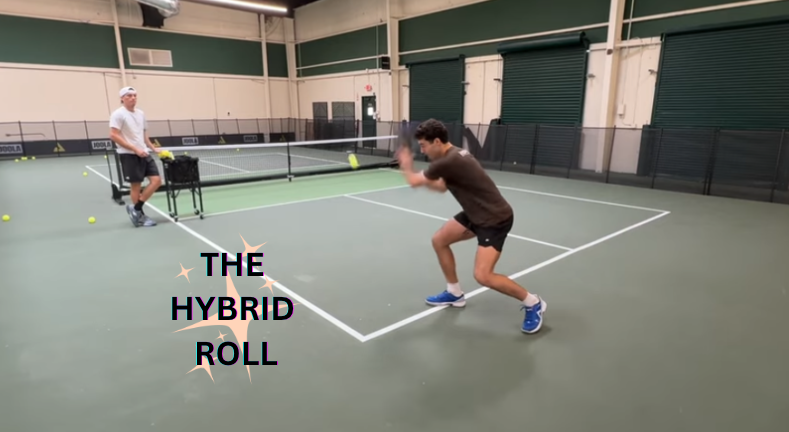
Why This Matters for Your Game
The five-step approach to hitting a pickleball drive isn't just about technique. It's about building a foundation that works across every situation you'll face on the court. Whether you're playing recreational doubles or competing in a tournament, these principles apply.
Most players plateau because they focus only on hitting harder. They never learn to hit smarter. But when you combine power with positioning, topspin, and speed variation, you become unpredictable. Your opponents can't read your shots. They can't anticipate where the ball will land. That's when you start winning more matches.
 Alex E. Weaver
Frequently Asked Questions
What's the difference between a pickleball drive and a dink?
A pickleball drive is an aggressive shot hit from the baseline or mid-court with significant power and topspin. A dink is a soft, controlled shot hit near the net with minimal pace. Drives are offensive weapons; dinks are defensive or neutral shots used to set up attacks.
Can I hit a 90% drive from the transition zone?
Technically yes, but it's not recommended. From the transition zone, you lack the court depth to safely hit a full-power drive. A 60% drive is the better choice because it gives you control while still maintaining offensive pressure.
How long does it take to master these five steps?
Most players see improvement within 2-3 weeks of focused practice. However, true mastery takes months of consistent work. The key is practicing each step individually before combining them into a complete shot.
Do I need a specific paddle to hit a better drive?
No. While some paddles are designed for power, the fundamentals matter far more than equipment. Master these five steps with any quality paddle, and you'll see dramatic improvement in your game.
Should I always use topspin on my drives?
Yes, topspin should be your default on most drives. It gives you control, creates deception, and forces your opponent into a defensive position. The only exception is when you're hitting a very short drive from near the net, where a flatter stroke might be more appropriate.

Love Pickleball? Join 100k+ readers for free weekly tips, news & gear deals.
Subscribe to The DinkGet 15% off pickleball gear at Midwest Racquet Sports