

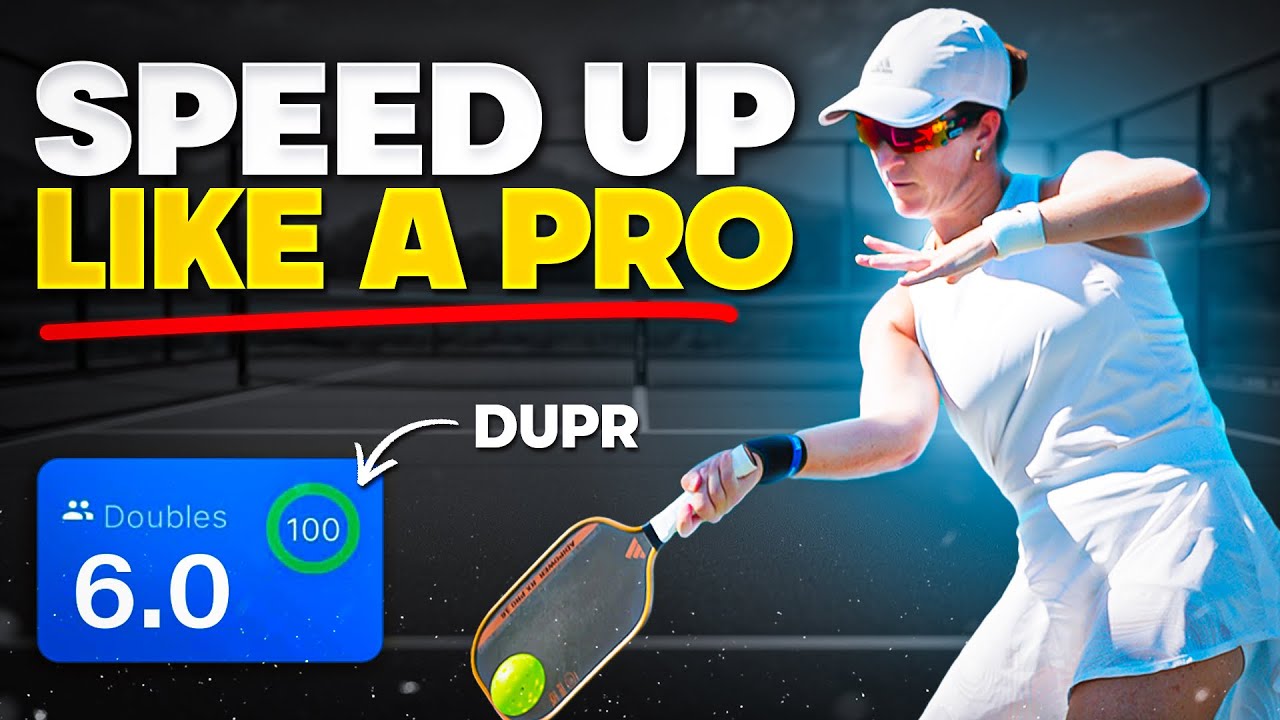
Pro Mari Humberg breaks down the three essential guidelines for hitting a forehand speed up that actually works in matches: disguise, positioning, and timing.
The forehand speed up has become one of the most important shots in modern pickleball. As the game evolves and players attack off the bounce just as much as they do out of the air, knowing how to execute this shot properly can be the difference between winning and losing crucial points.
According to pro Mari Humberg, the forehand speed up isn't just about hitting harder. It's about strategy, positioning, and understanding when and where to attack.
In a recent instructional video, Humberg breaks down the exact mechanics and mindset needed to master this shot.
The Three Guidelines That Actually Matter
Here's the thing: most players think a forehand speed up is just a harder dink. That's where they go wrong. Humberg emphasizes three core guidelines that separate amateurs from players who consistently win points with this shot.
1. Disguise Your Speed Up
You cannot telegraph your intentions.
If your regular dink has a short, compact swing and your speed up involves a massive backswing, your opponent will see it coming from a mile away.
The key is making your speed up look identical to your dink until the last possible moment.
This doesn't mean you can never use a big backswing. Some pros do it intentionally to mess with opponents. But if you're going to use that strategy, you need to be consistent.
If you sometimes dink with a big swing and sometimes speed up with one, you've created unpredictability that works in your favor. The bottom line: whatever your dink looks like should match what your speed up looks like.
 The Dink Media Team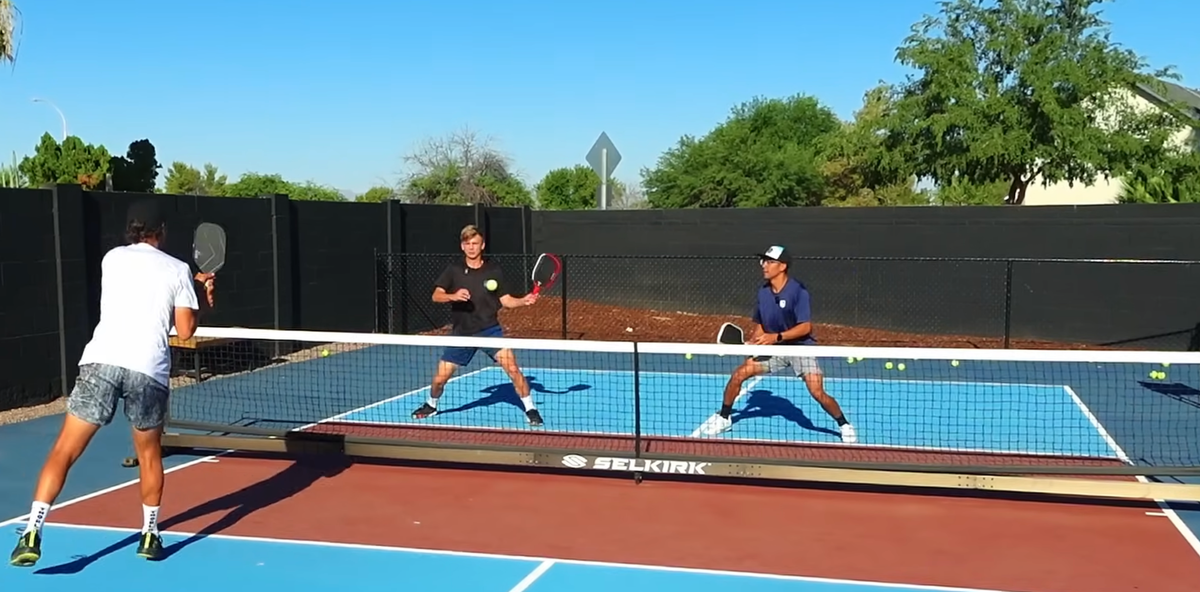
2. Understand Ball Height and Realistic Expectations
Here's a harsh reality: it's really hard to hit a winner with a forehand speed up off the bounce.
Why? Because most balls you're speeding up aren't bouncing high enough for you to hit down on them. They're typically within the upper 25 percent of the net or right at net height. That means you're not getting the downward angle you need for a clean winner.
This is where combo shots come in.
Instead of expecting one speed up to end the point, you're setting up a two-shot sequence. You speed up the first ball, stay ready, and put away the next one. That's the real objective. Too many players watch their own speed up and admire the shot instead of preparing for the counter. You'll never win the point if you're not ready for what comes back.
 The Dink Media Team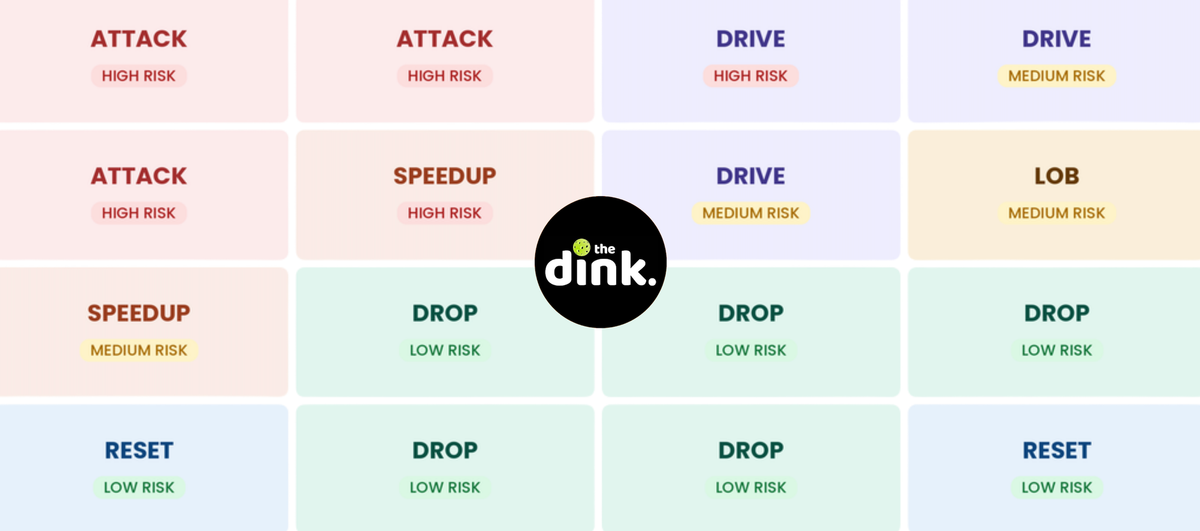
3. Execute with Proper Placement and Control
Your goal isn't just to speed up the ball; it's to speed it up in a way that gives you an advantage in the hands battle. Specifically, you want to avoid leaving the ball above your opponent's belly button. If you hit it from low to high, it's easy to counter. If you hit it even higher, it's worse.
Heads up: hundreds of thousands of pickleballers read our free newsletter. Subscribe here for cutting edge strategy, insider news, pro analysis, the latest product innovations and more.
Instead, speed up balls that are somewhat low for your opponent so you have more than a 50 percent chance of winning the hands battle. Pickleball is a game of chess and probabilities. You're trying to create a situation where you have the upper hand, not just hit it hard and hope.
Body Positioning: The Foundation of Everything
You can have perfect technique, but if your body isn't in the right position, the shot falls apart. Mari Humberg stresses that your weight needs to be forward and you need to be well-established before you attempt a speed up.
One of the most common mistakes she sees is players speeding up when they're off-balance or out of position. Maybe they got pushed back in a dink rally and instead of resetting, they panic and speed up. Even if the shot goes in, you've left yourself no room to recover if your opponent counters. You're essentially giving them a free point.
The best speed ups come when you're stable, your weight is forward, and you're ready to move immediately after the shot.
This positioning also gives you more control and consistency. You're not relying on luck; you're relying on solid fundamentals.
 The Dink Media Team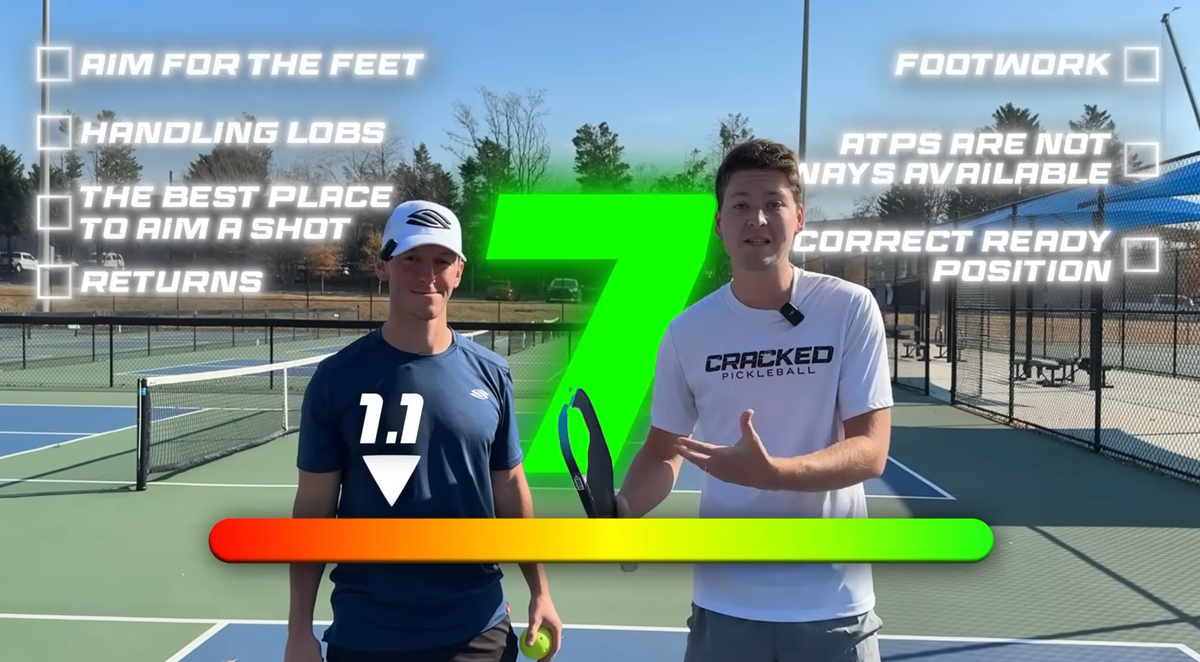
Why Combos Are the Real Strategy
Here's what separates good players from great ones: they understand that a forehand speed up is rarely a finishing shot. It's a setup shot. The real point-winner comes on the next ball.
In the video, Humberg demonstrates several combo sequences where she speeds up to a specific location, stays ready, and then puts away the next ball. She hits one to her opponent's right hip, gets a backhand back, counters again, and finishes on the third shot. She moves her opponent around, uses the net, and creates uncomfortable angles.
The spots matter too. Humberg has discussed in other content the six spots where you can attack opponents most effectively. When you combine those spot concepts with a well-timed speed up, you're creating a situation where your opponent is forced into a difficult position. They either pop it up or hit it back weakly, and you finish the point.
This is why the forehand speed up is so valuable in modern pickleball. It's not a one-shot wonder. It's the beginning of a sequence that puts you in control.
 The Dink Media Team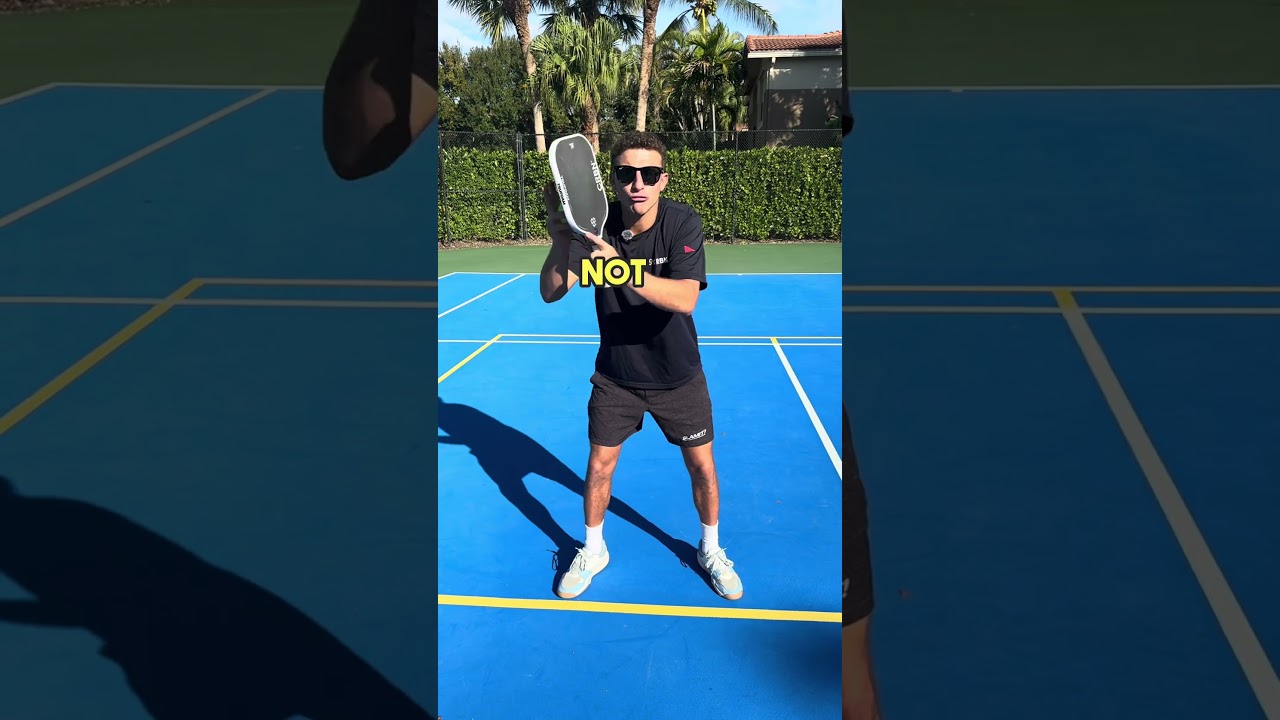
The Mental Game: Staying Ready
One detail that Humberg emphasizes repeatedly is the importance of staying ready after you hit the speed up. Don't watch your own shot. Don't admire it. Get ready for the counter.
This sounds simple, but it's where most players fail. They hit a great speed up and then relax, thinking the point is over. Their opponent counters, and suddenly they're scrambling. The best players in pickleball are always in a ready position, always anticipating the next shot.
This applies to every shot in pickleball, but it's especially critical with the speed up because you're attacking. You've initiated the aggression, so you need to be prepared for the response. Your opponent might hit it back harder, they might pop it up, or they might counter-attack. Whatever happens, you need to be ready.
 The Dink Media Team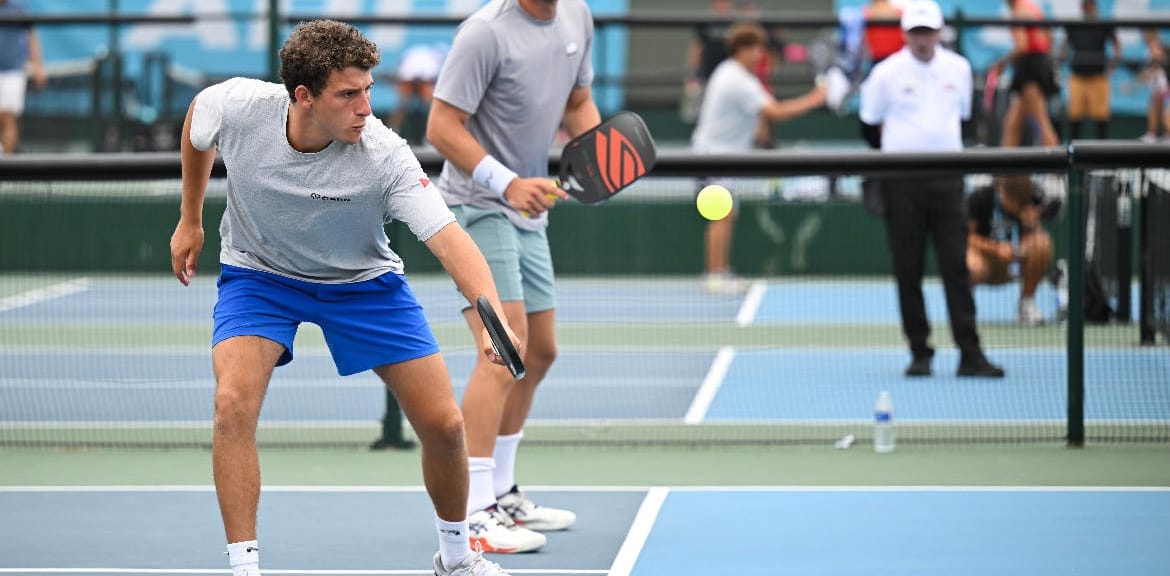
When to Speed Up and When to Hold Back
Not every dink is a candidate for a speed up. Knowing when to attack is just as important as knowing how to attack. If you're already in a defensive position or your opponent has the upper hand in the rally, speeding up might be a mistake. You're better off resetting and getting back into the point.
The best time to speed up is when you have a slight advantage or when you're in a neutral position with a good opportunity. You're looking for balls that are somewhat low for your opponent, balls that are in a spot where you can create discomfort. If the ball is high and easy, sure, you might speed it up. But if you're struggling to stay in the rally, a speed up is often a panic move that ends badly.
This is where experience and court sense come in. The more you practice the forehand speed up, the better you'll understand when it's the right time to use it.
Frequently Asked Questions
What's the difference between a speed up and a drive in pickleball?
A speed up is hit off the bounce during a dink rally, while a drive is typically hit from further back on the court with more aggressive intent. Speed ups are designed to accelerate the ball while maintaining control and setting up a combo. Drives are more about power and finishing the point immediately.
How do I know if I'm disguising my speed up properly?
Your speed up should look identical to your regular dink until the moment of contact. If your opponent is consistently reading your speed ups before you hit them, your backswing or setup is giving it away. Film yourself or have a partner watch and give feedback on whether your motion looks the same.
Can I hit a winner with a forehand speed up?
It's possible, but it's rare. Most balls you speed up off the bounce aren't high enough to hit down on for a clean winner. Instead, focus on setting up a combo where you speed up and then finish on the next ball. This approach is more reliable and gives you better odds of winning the point.
What should I do if my speed up gets countered?
Stay ready and be prepared to hit another shot. This is why positioning is so important. If you're well-established and your weight is forward, you'll be able to react quickly to a counter. Don't panic; just keep the rally going and look for your next opportunity to attack.
How much practice does it take to master the forehand speed up?
Like any shot in pickleball, the forehand speed up requires consistent practice. Start in practice rallies where you can focus on the mechanics without match pressure. Once you feel comfortable, begin using it in matches. Most players see significant improvement within a few weeks of dedicated practice.

Love Pickleball? Join 100k+ readers for free weekly tips, news & gear deals.
Subscribe to The DinkGet 15% off pickleball gear at Midwest Racquet Sports


