
How to Fix Your Pickleball Volley and Stop Hitting Into the Net
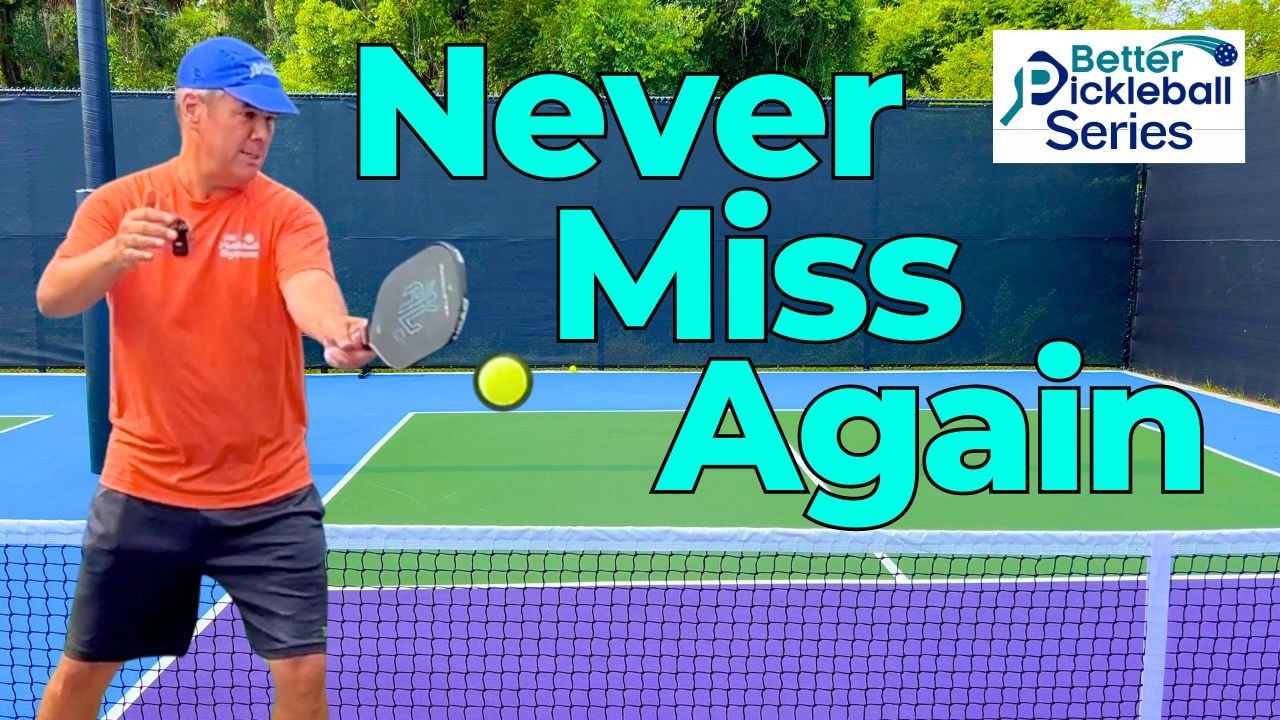
Your pickleball volley isn't failing because of your swing. According to coaching expert Tony Roig, the real culprit is poor footwork that causes your shoulder to drop at contact. Here's how to fix it.
If you've been blaming your swing for those volleys that keep nosediving into the net, it's time to stop.
The real problem isn't your paddle motion or your follow-through.
According to Tony Roig, a master teaching professional and senior pro player at In2Pickle, the culprit is almost always something much simpler: your footwork.
In a recent instructional video, Roig breaks down exactly why your pickleball volley keeps failing and, more importantly, how to fix it.
The answer might surprise you because it has nothing to do with your arm.
Love pickleball? Then you'll love our free newsletter. We send the latest news, tips, and highlights for free each week.
The Real Reason Your Volleys Are Dying in the Net
Here's what's actually happening when you hit a volley into the net: your shoulder is dropping. That's it. That's the whole problem.
When you don't move your feet into the proper position before hitting the volley, your body gets stuck.
As you reach for the ball without having repositioned yourself, your shoulder dips downward.
Your paddle follows that shoulder drop, and since you're swinging forward, the ball naturally travels downward into the net.
"The problem that you're having is actually not a swing problem," Roig explains in the video. "It's one with your shoulder."
This is a game-changer for most players because they've been spending hours at the court trying to fix their swing mechanics when the real issue is happening before they even make contact with the ball.
Understanding the Three Pillars of a Solid Volley
To understand why footwork matters so much, you need to know how pickleball volley mechanics actually work.
Roig breaks this down into three interconnected components: footwork, foundation, and paddle swing.
Your footwork is how you move around the court. Your foundation is the relationship between your feet and shoulders.
Your paddle swing is the shoulder-to-paddle motion. All three need to work in sync.
When one breaks down, the whole system fails.
In the case of volleys landing in the net, it's almost always a footwork problem that cascades into a foundation problem, which then ruins your paddle swing.
Think of it like a building. If your foundation is weak, everything built on top of it will eventually crack. Same principle applies to your volley.
Why Your Shoulder Drops (And Why It Matters)
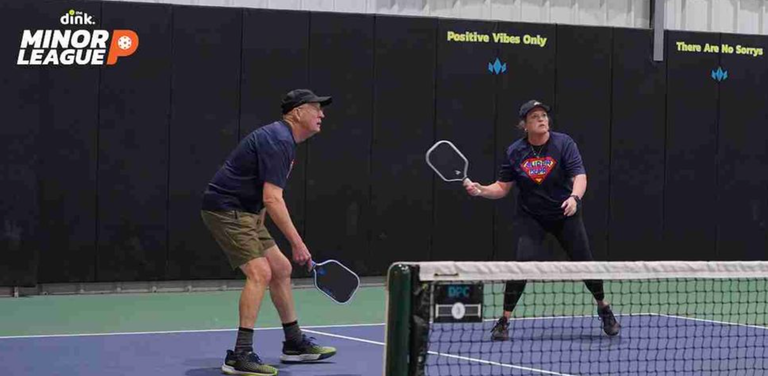
The mechanics are straightforward. When you're in ready position and a ball comes at you, you have two choices: move your feet or reach without moving.
Most players choose the second option because it feels faster. You're already at the net, the ball is coming, so why waste time stepping?
The problem is that reaching without repositioning forces your shoulder to compensate.
As you extend your arm to reach the ball, your shoulder naturally dips to give you more reach.
This shoulder drop is the kiss of death for your volley.
Once your shoulder goes down, your paddle goes down with it.
And once your paddle is angled downward, there's no way to hit the ball anywhere except into the net.
Roig demonstrates this in the video by showing the exact moment the shoulder drops and how the paddle immediately follows.
It's a cause-and-effect relationship that's impossible to overcome with a better swing.
 Alex E. Weaver
The Fix: Better Footwork Creates Level Shoulders
The solution is elegantly simple: move your feet.
Specifically, take either a half-step or a full step toward the ball so that your body is in the correct position to execute the shot.
When you do this, something magical happens.
Your shoulders stay level. Your paddle stays level.
And suddenly, you're hitting volleys that go where you want them to go instead of into the net.
Roig uses a helpful analogy here. Imagine you're holding a construction level (the kind used in building houses) on your shoulders.
The more you can keep that level steady as you hit, the better your shots will be.
This mental image is powerful because it gives you something concrete to focus on during practice.
The footwork adjustment doesn't require a complete overhaul of your technique. You're not learning a new swing. You're not changing your grip.
You're simply moving your feet into position before you swing, which allows your shoulders to remain level throughout the shot.
The Dink Media Team
Putting It All Together: The Step-by-Step Fix
Here's how to implement this fix in your game:
- Start in ready position at the net
- As the ball approaches, identify where you need to be
- Take a half-step or full step to position your body correctly
- Keep your shoulders level as you step
- From this new position, execute your volley swing
- Notice how your paddle stays level and the ball goes where you want it
The key is doing this consistently. One good volley doesn't mean you've fixed the problem.
You need to build this footwork pattern into muscle memory so that it becomes automatic.
Roig emphasizes that this isn't about moving faster or being more athletic.
It's about understanding the mechanics and then practicing the correct movement pattern until it becomes second nature.
The Dink Media Team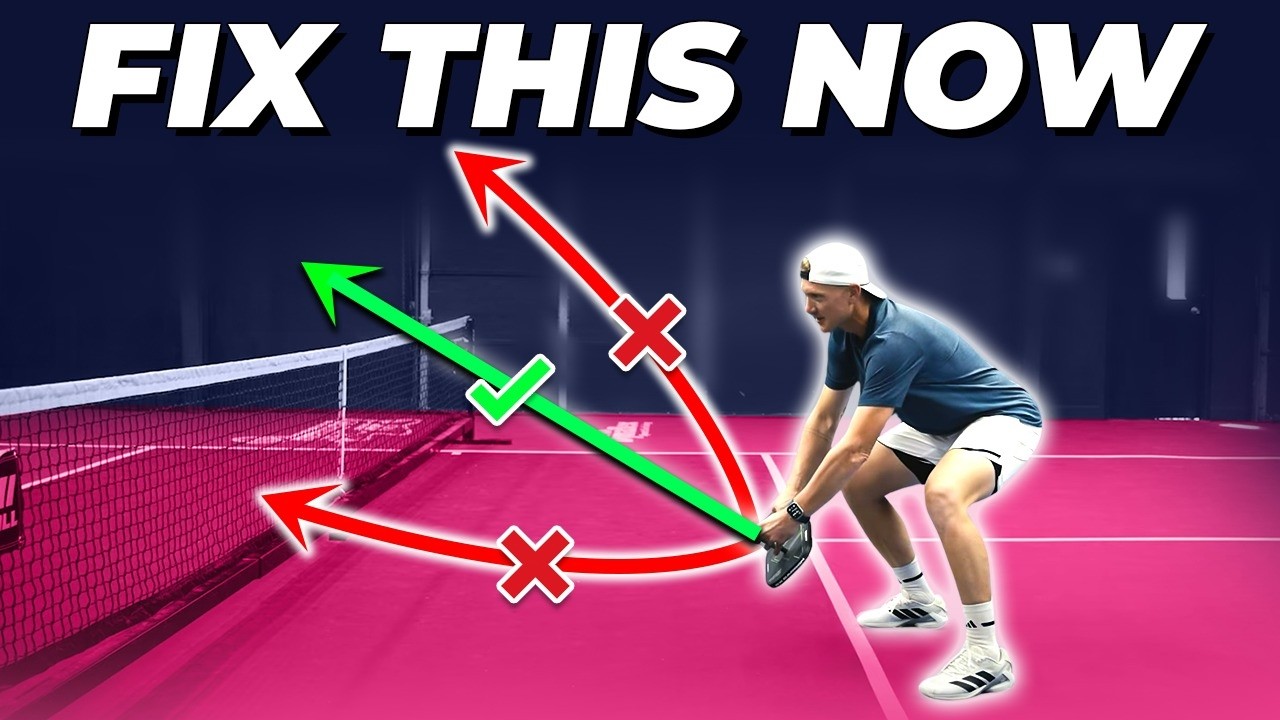
Why This Matters for Your Game
If you're stuck at a certain skill level in pickleball, volleys into the net might be holding you back more than you realize.
The volley is one of the most important shots in the game because it's where points are won and lost at the net.
When you can consistently hit volleys that stay in the court and put pressure on your opponent, you control the point.
When you're hitting them into the net, you're giving away free points.
This footwork fix is the kind of fundamental adjustment that can immediately improve your game. You don't need new equipment.
You don't need to spend money on lessons (though those help).
You just need to understand why the problem is happening and then practice the correct movement pattern.
The beauty of this approach is that it applies to players at every level.
Whether you're a beginner just learning the game or an advanced player trying to tighten up your technique, better footwork will improve your pickleball volley consistency.
The Dink Media Team
The Bigger Picture: Footwork as Foundation
This lesson about volleys extends to other shots in pickleball too.
Poor footwork is the root cause of many common mistakes.
The third shot drop, the drive, the dink, the serve return, the overhead, the lob, the reset shot, and the attack all benefit from proper positioning.
If you find yourself consistently missing shots or hitting them in the wrong direction, the first place to look is your footwork.
Are you moving into position before you swing, or are you reaching and hoping for the best?
Roig's approach to coaching emphasizes this principle: identify the correct source of the problem before you try to fix it.
Most players spend time fixing the wrong thing because they don't understand what's actually causing the error.
In this case, the error is volleys into the net. The source is poor footwork. The fix is moving your feet into position.
Once you understand this cause-and-effect relationship, you can apply it to other aspects of your game.
Frequently Asked Questions
Why do my volleys keep going into the net?
Your shoulder is likely dropping because you're not moving your feet into the correct position before hitting the volley. When your shoulder drops, your paddle follows, and the ball travels downward into the net. The fix is to take a step toward the ball so your body is properly positioned, which keeps your shoulders level.
Is it a swing problem or a footwork problem?
It's almost always a footwork problem. Most players assume their swing mechanics are wrong, but the real issue is that they're reaching for the ball without repositioning their feet. Once you move into the correct position, your swing naturally improves because your shoulders stay level.
How do I practice this footwork fix?
Start at the net in ready position. Have a partner or coach feed you balls. Before each volley, consciously take a step toward the ball to position your body correctly. Focus on keeping your shoulders level as you step. Repeat this pattern until it becomes automatic. You can also practice this drill alone by hitting against a wall.
Will this fix work for all my volleys?
Yes. Whether you're hitting a forehand volley, backhand volley, block volley, or any other volley variation, the principle remains the same. Better footwork creates level shoulders, which allows you to hit the ball where you want it to go instead of into the net.
How long does it take to see improvement?
Most players notice immediate improvement once they understand the concept and start practicing the correct footwork pattern. However, building it into muscle memory takes consistent practice. Expect to see significant improvement within a few weeks of focused practice.

Love Pickleball? Join 100k+ readers for free weekly tips, news & gear deals.
Subscribe to The Dink