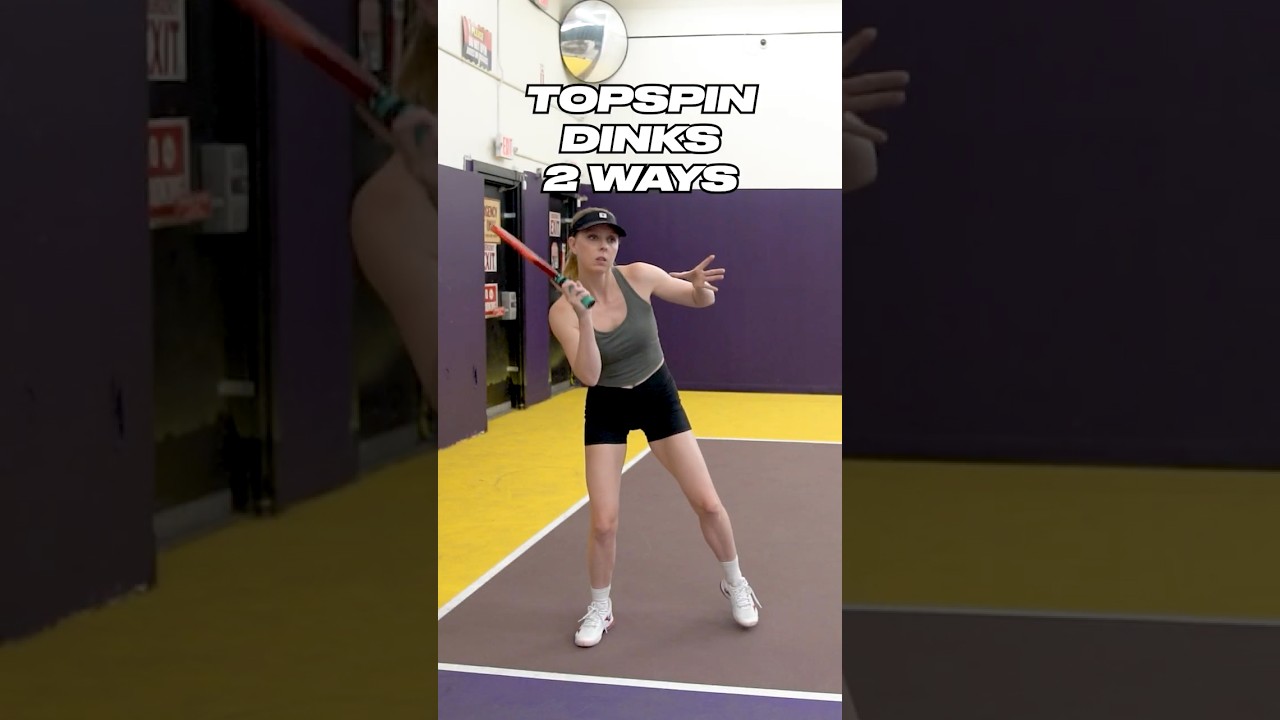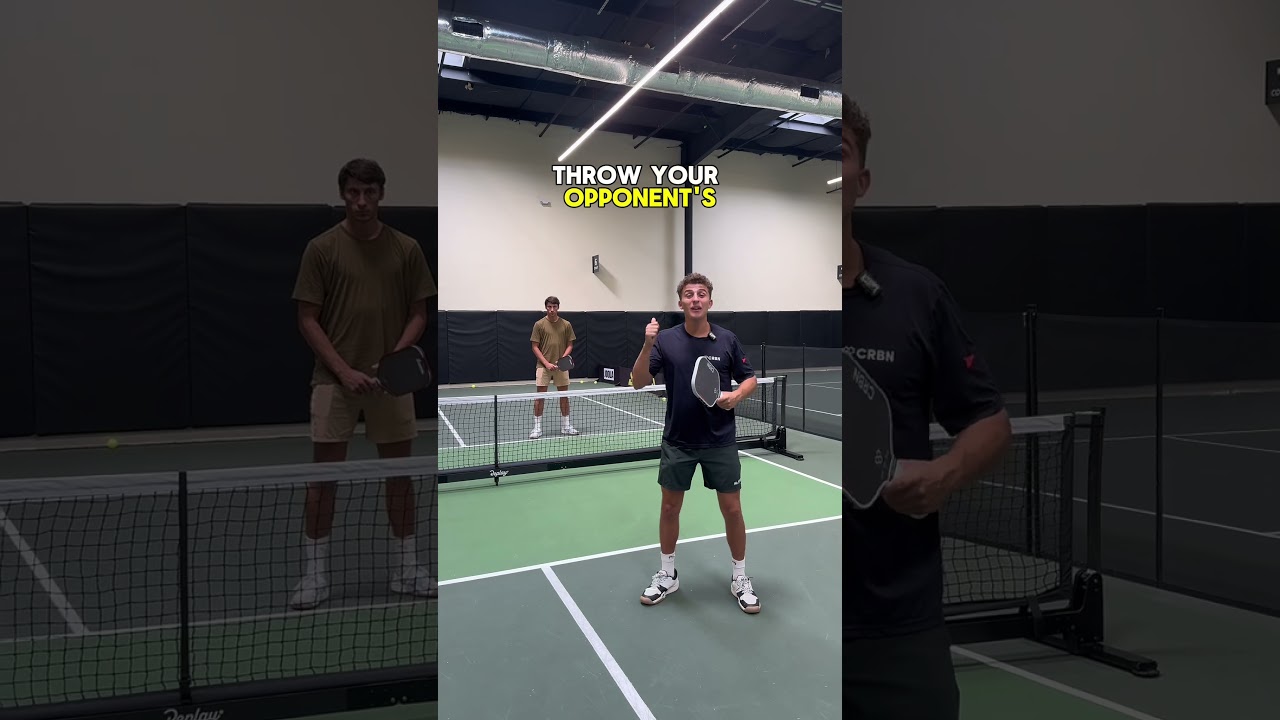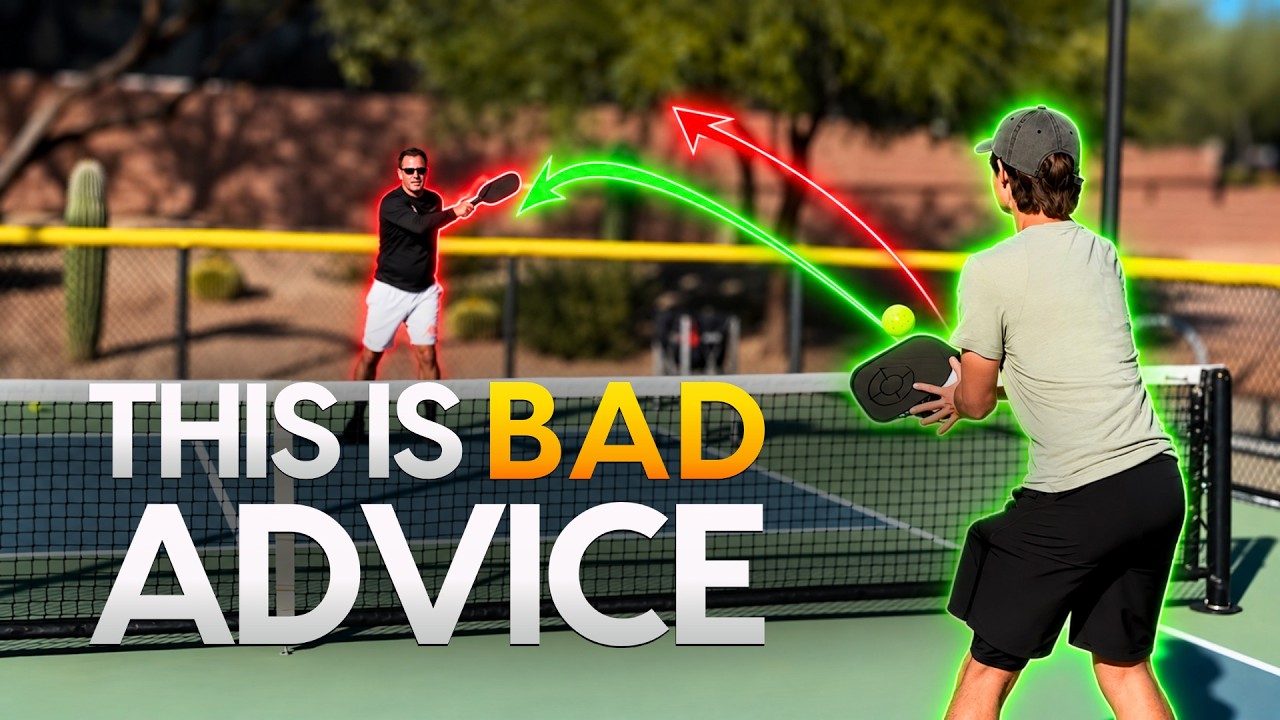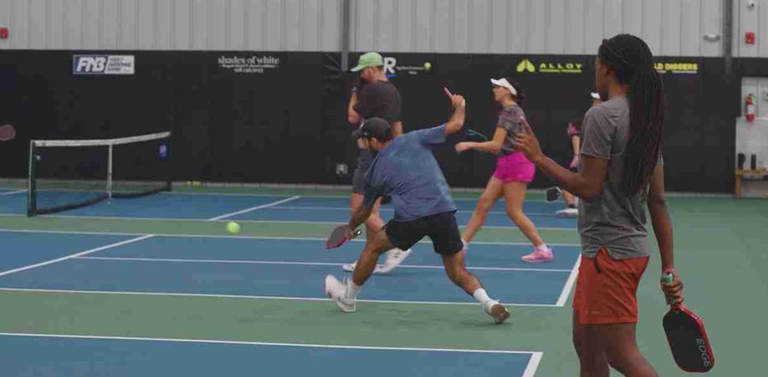


Professional pickleball players have mastered specific pickleball skills that make them nearly impossible to attack. Ashley Griffith breaks down the exact techniques high-level players use to stay confident and stable during rallies.
If you're tired of opponents speeding you up, pressuring you, and attacking every ball that comes your way, it's time to develop the pickleball skills that separate amateurs from pros.
The difference isn't always about hitting harder or moving faster.
It's about understanding how to neutralize aggression and control the point before your opponent even gets the chance to attack.
Ashley Griffith, a professional pickleball player on the PPA Tour, recently broke down the five pickleball skills that will transform how you play defense and make you significantly harder to attack.
These aren't flashy techniques or trick shots.
They're the foundational concepts that high-level players use to stay stable, confident, and in control during rallies.
Love pickleball? Then you'll love our free newsletter. We send the latest news, tips, and highlights for free each week.
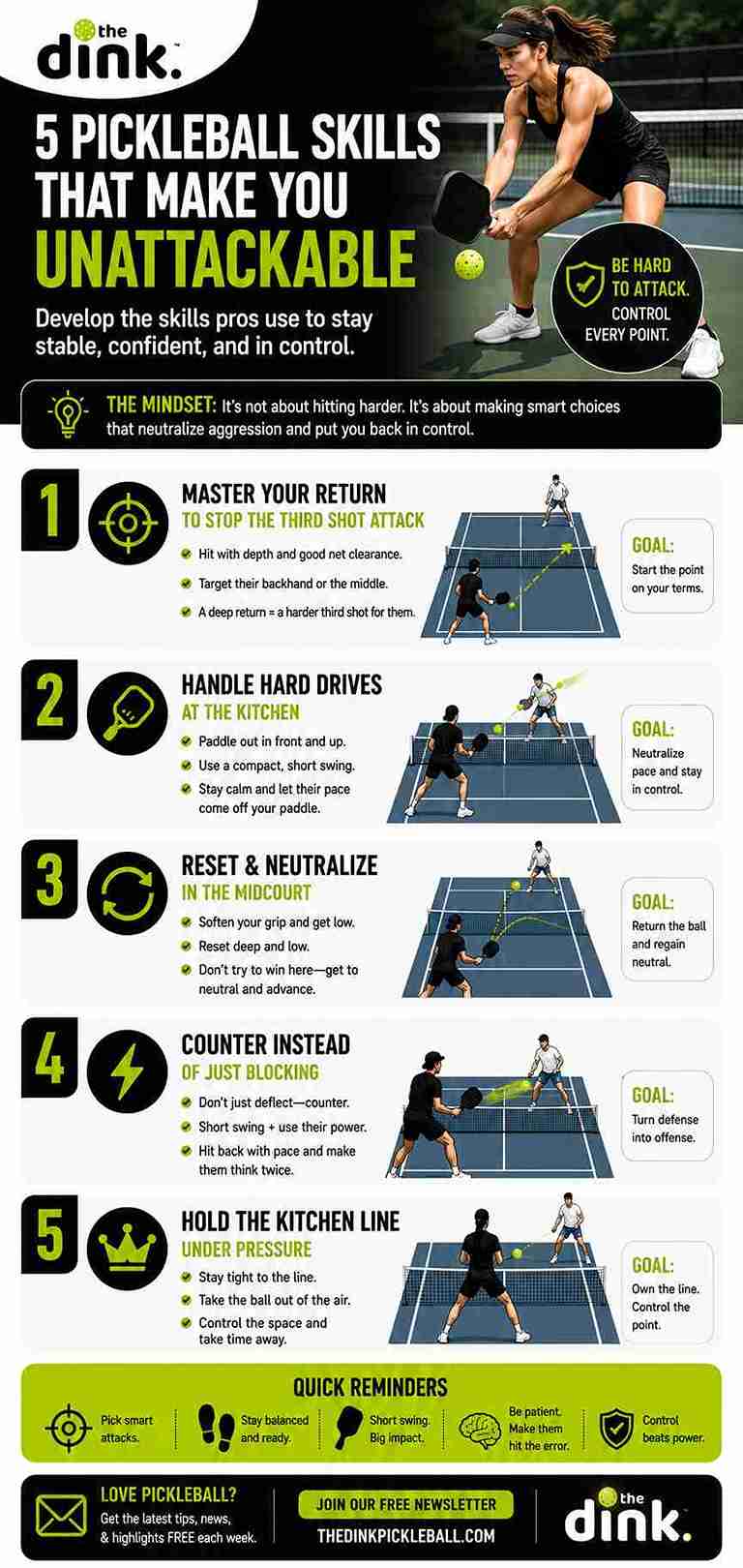
1. Master Your Return: The Pickleball Skill That Stops Third Shot Attacks
Your return of serve is the first opportunity to set the tone for the entire point.
Most amateur players hit weak returns that invite their opponents to attack immediately on the third shot. This puts you on your heels from the start.
The key pickleball skill here is understanding that depth and net clearance are everything.
When you hit a return with good depth, you force your opponent to back up and make their third shot much harder. A shallow, weak return does the opposite.
It gives them the perfect opportunity to step in and take control.
Griffith recommends targeting the shot your opponent is least comfortable hitting thirds on.
For most players, that's the backhand. Pulling them wide to their backhand or hitting to the middle makes it harder for them to execute a clean drop or drive.
The difference between an attackable return and a solid one is the difference between playing defense the entire point and starting neutral.
hen you nail this pickleball skill, you're already ahead.
Why Return Depth Changes the Entire Point
Most players underestimate how much their return of serve controls the shape of the rally.
A deep return forces your opponent into a more difficult third shot position, shrinking their options before the point even develops.
Pair it with a smart return strategy for beating bangers and you'll rarely find yourself playing catch-up again.
2. Handle Hard Drives at the Kitchen Without Panicking
Hard drives at the kitchen are one of the most intimidating shots in pickleball.
When a ball comes at you fast while you're up at the net, your instinct is often to react wildly. That's exactly what your opponent wants.
The solution is a specific pickleball skill that involves three components: keep your paddle out in front and up, use a compact and short swing, and stay calm.
When you draw your paddle back, you lose time and control. A short swing lets the paddle do the work for you and neutralizes the pace naturally.
The Pickleball Skill of Staying Calm Under Fire
Calmness is underrated in pickleball. When you panic and swing hard, you often pop the ball back short and attackable.
When you stay composed and let their pace come off your paddle, you get a better ball back.
The calmer and more stable you are, the better your response will be.
Developing calm under pressure is itself a learnable pickleball skill, not a personality trait. Practice this scenario repeatedly and the composure will come.
3. Reset and Neutralize Attacks in the Midcourt
The transition zone is where most amateur players get killed. It's the toughest part of the court because you're neither at the net nor at the baseline.
Many players try to speed up and play aggressive from the midcourt, which exposes them to hard attacks.
The winning pickleball skill in the midcourt is resetting and getting back to neutral.
Soften your grip pressure and get low in your legs. The lower you get, the easier it is to reset a ball.
Loose grip pressure lets the paddle absorb the ball's energy instead of fighting it.
Good margin is critical here too. This is where advanced players thrive and amateurs struggle.
You're not trying to win the point from the midcourt. You're trying to get yourself to neutral so you can advance to the kitchen and take control.
Speed up later, not now.
The midcourt reset is one of the most overlooked defensive weapons in the game.
Once you own it, the transition zone stops feeling like a danger zone and starts feeling like just another part of the rally.
4. Counter Instead of Just Blocking
This pickleball skill was a game changer for Griffith when she realized it.
The difference between blocking and countering is the difference between reacting and controlling.
When someone hits it hard at you, blocking means you're just deflecting or reacting.
Countering means you're ready, you take a short swing, and you hit it back fast at them. You're using their power against them instead of absorbing it passively.
Pro players counter almost every speed up they face.
- They're not trying to hit down on it or do anything fancy.
- They're taking a short swing and blasting it back with pace.
Once your opponent realizes that every speed up they hit is going to come back at them with pace, they start thinking twice about attacking.
This pickleball skill shifts the psychological dynamic of the point. You're no longer the one being pressured.
You're the one creating pressure.
5. Hold the Kitchen Line Under Pressure
Many amateur players drift back from the kitchen line when they're under pressure.
Being back a few steps might feel safer, but it's actually the opposite. It makes you vulnerable to attacks at your feet and leaves gaps for your opponent to exploit.
The final pickleball skill is staying tight on the kitchen line.
Being up on the line allows you to be aggressive, take balls out of the air, and take time away from your opponent.
You're not getting attacked to your feet because you're already in position to handle the ball.
Staying on the line also sends a message to your opponent.
- You're not playing passive.
- You're not backing down.
- You're ready to compete for every ball.
This kitchen line positioning translates directly into better decision-making and better shot selection.
The rope rule is a simple mental model for staying connected to the line under pressure.
This confidence translates into better positioning and better decision making.
Why These Pickleball Skills Matter More Than You Think
The common thread through all five of these pickleball skills is control. You're not trying to hit winners or make spectacular shots.
You're trying to control the point and prevent your opponent from attacking you.
High-level players understand that pickleball is about staying stable and confident.
When you master these pickleball skills, you're not just improving your game. You're changing how your opponents perceive you.
They'll start thinking twice before attacking because they know you can handle it.
That psychological shift is worth more than any single shot in your arsenal.
The skills that separate average from advanced players are rarely about power. They're about clarity, composure, and consistency.
The beauty of these techniques is that they're not about athleticism or natural talent. They're about understanding the game and practicing the right things.
Anyone can develop these pickleball skills with focused practice and the right mindset.
Frequently Asked Questions
What's the most important pickleball skill for beginners?
The return of serve is the foundation. If you can hit a solid return with depth and net clearance, you immediately put yourself in a better position. Most beginners struggle here, which is why it's the first pickleball skill to master.
How do I stop panicking when hard drives come at me?
Practice handling pace with a compact swing and loose grip. The more you practice this specific scenario, the more comfortable you'll become. Calmness comes from repetition and confidence in your technique.
Why is the midcourt transition zone so difficult in pickleball?
The midcourt is difficult because you're in a transition zone. You're not at the net where you have control, and you're not at the baseline where you have time. The key is resetting and getting to neutral rather than trying to win the point outright.
Can I counter every speed up I face?
Not every speed up, but most of them. The goal is to be ready and take a compact short swing. Some balls will be too fast or too close, but developing this pickleball skill means you'll counter more than you block.
How long does it take to develop these pickleball skills?
It depends on your current level and how much you practice. The fundamentals can be understood quickly, but mastery takes time. Focus on one pickleball skill at a time and practice it consistently before moving to the next.
Love Pickleball? Join 100k+ readers for free weekly tips, news & gear deals.
Subscribe to The Dink