In sports, failure is often viewed as a setback, a moment to dread and avoid. However, for many successful athletes, failure is not just an obstacle; it's a crucial part of their journey.
Embracing failure can cultivate pickleball mental resilience and drive resilient performance.
We use the term "resilient performance" rather than the buzzword "optimal" or "peak" performance because we want athletes to be able to perform on any given day, regardless of their emotional state. Resilience means prioritizing learning by focusing on adaptability and consistency, empowering athletes to thrive even in challenging circumstances.
As The Dink mentions in 5 Advanced Pickleball Strategies to Become a 5.0 Player, pickleball is like a game of chess. Learning from setbacks is a key part of transforming your game.
Like in chess, there are times when your opponent may think they have the upper hand, but a single strategic move can shift the entire game. Similarly, a well-timed adjustment or willingness to learn from failure can turn the tide in pickleball, revealing new opportunities and strategies your opponent may not anticipate.
For example, Christian Alshon often runs around his backhand to take a forehand cross-court. Now, why would he do this just to dink it cross-court again? Later in the match, this allows him to go cross-court, speed up down the middle, or even go down the line. Even if he misses the speed-up (failed attack), it still keeps his opponent guessing. This is where he's thinking two steps ahead, just like in chess.
What Is Failure in Pickleball?
In the context of pickleball, failure is often defined as falling short of expectations, whether that means losing a match, missing critical shots, or struggling to execute strategies. While many perceive failure as a negative experience, this perspective can limit growth and pickleball mental resilience.
Common Misconceptions About Failure
Failure Equals Defeat: Many players equate failure with losing, fostering a fear of competition that may discourage them from taking risks or trying new strategies.
Failure Is Permanent: Some believe that a loss defines their skills, leading to a fixed mindset that prevents improvement and re-entry into competition.
Only the Weak Fail: There's a notion that failure reflects weakness, especially in a sport that celebrates victories and rankings.
The Reality of Failure in Pickleball
In truth, failure is an essential part of the pickleball journey. Every player experiences setbacks, and these moments can be catalysts for growth and improvement. It is essential to use your failures and setbacks as your greatest superpower.
Building Pickleball Mental Resilience Through Setbacks
Universal Experience of Setbacks in Pickleball
Professional Players: Even top 5 men's pickleball player Christian Alshon experienced losses. After a disappointing match, he meticulously analyzes his performance, identifying weaknesses and adjusting his training regimen. For instance, following an unexpected loss in a tournament, Alshon often reviews footage to pinpoint areas for improvement, using the experience to refine his skills.
This dedication to self-assessment and growth is a hallmark of his approach to the game.
Check out Christian Alshon on YouTube!
Similarly, the Johns Brothers, known for their dominance on the court, also face setbacks. After a tough match, they dive into analysis, often dissecting game footage to enhance their strategies. Colin Johns, in particular, is often referred to as "the algorithm" for his analytical approach to gameplay, enabling him to adjust and elevate his performance consistently.
This commitment to learning from losses is what keeps these top players at the forefront of the sport.
Check out Ben Johns and Collin Johns on social media.
Recreational Players: Players of all levels face challenges on the court. Whether it's a long return, a block that goes nowhere, or a missed serve, these experiences are universal. Recognizing that even seasoned players have faced similar struggles can help amateur athletes see setbacks as part of their development.
The Failure Cycle vs. The Growth Cycle
Understanding the cycles of failure and growth is essential for athletes to navigate challenges effectively. As the ESPN feature on Angelo Rossetti coaching pickleball in a Connecticut prison makes clear, the sport's power to build mental resilience extends far beyond the recreational court.
The Failure Cycle

- Fear: Fear comes from an athlete’s ego, making them anxious about failing and avoiding risks. When they tie their performance to self-worth, competition feels like a test of who they are, which keeps them from growing and trying new things.
- Failure: an outcome you believe does not meet your expectations. When fear manifests as actual failure—be it a lost match, a poorly executed strategy, or an outcome you believe does not meet your expectations, such as finishing last in a tournament—it can reinforce negative feelings, leading to self-doubt and frustration.
- Frustration: After experiencing failure, athletes may feel frustrated, questioning their skills and commitment. Frustration is the gap between performance and expectations of winning, and this can create a cycle that discourages future attempts.
The Growth Cycle
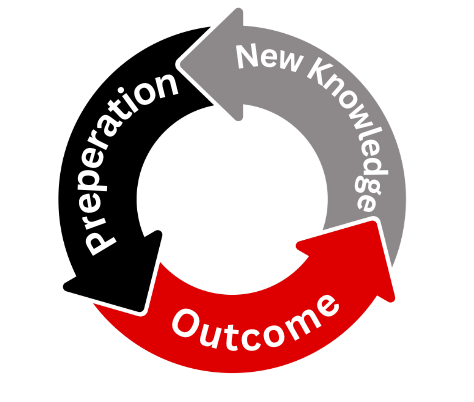
- Preparation: Successful athletes prepare both physically and mentally for their challenges. This preparation includes practicing skills, developing strategies, and building mental resilience. Some skills that have been effective are mental rehearsals, film study, and physical training.
- Outcome: This is the result of the athlete's performance, whether it’s winning a match, executing a specific shot, or achieving a personal goal. For example, if an athlete loses a match, the outcome reflects what happened during the game
- New Knowledge: After evaluating the outcome, athletes reflect on their performance to gain insights. They analyze what went well and what didn’t, identifying specific areas for improvement. For instance, an athlete might realize that they rushed their shots under pressure and decide to work on their composure in future practices.
Real Life Example using the No. 1 Pickleball Player in the World- Ben Johns
Transitioning From the Failure Cycle to the Growth Cycle
To move from the failure cycle to the growth cycle, athletes can take several intentional steps. This shift is at the heart of true pickleball mental resilience.
Acknowledge Fear: Recognize that fear is a natural response and try to reframe it as excitement or anticipation for growth.
Reflect Constructively: After a setback, take time to reflect on what happened without self-judgment. Focus on the actions taken and the lessons learned rather than the outcome.
Set Learning Goals: Rather than fixating on winning, establish specific controllable goals for each match. Focus on whether you gave maximum effort, learned something new, and managed to keep external factors from affecting your gameplay. This shift encourages a growth mindset and reduces the pressure of fear associated with outcomes.
Cultivate Resilience: Practice mental techniques, such as visualization, imagery, and positive self-talk, to build resilience. This will help shift your mindset to embrace challenges rather than avoid them.
As the Dink's coverage of breaking out of the pickleball rut shows, resetting your mental approach is often the most powerful move you can make. Understanding why 95% of pickleball players plateau often comes down to a mental block, not a physical one.
NAVIGATE THE GROWTH CYCLE
Secret Weapons You Can Use Today:
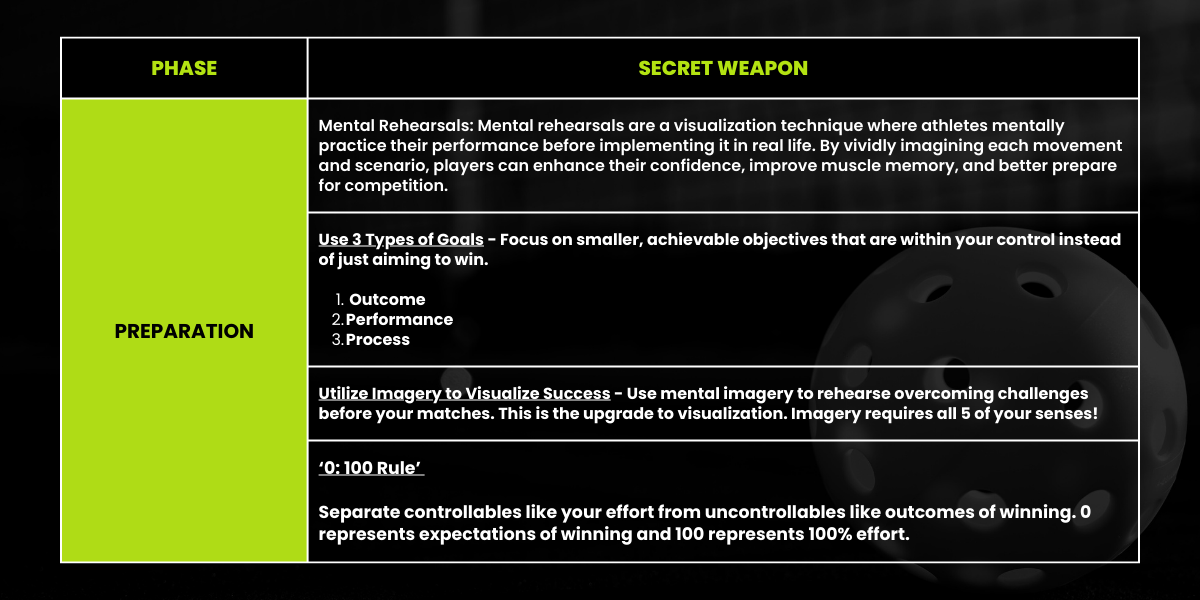
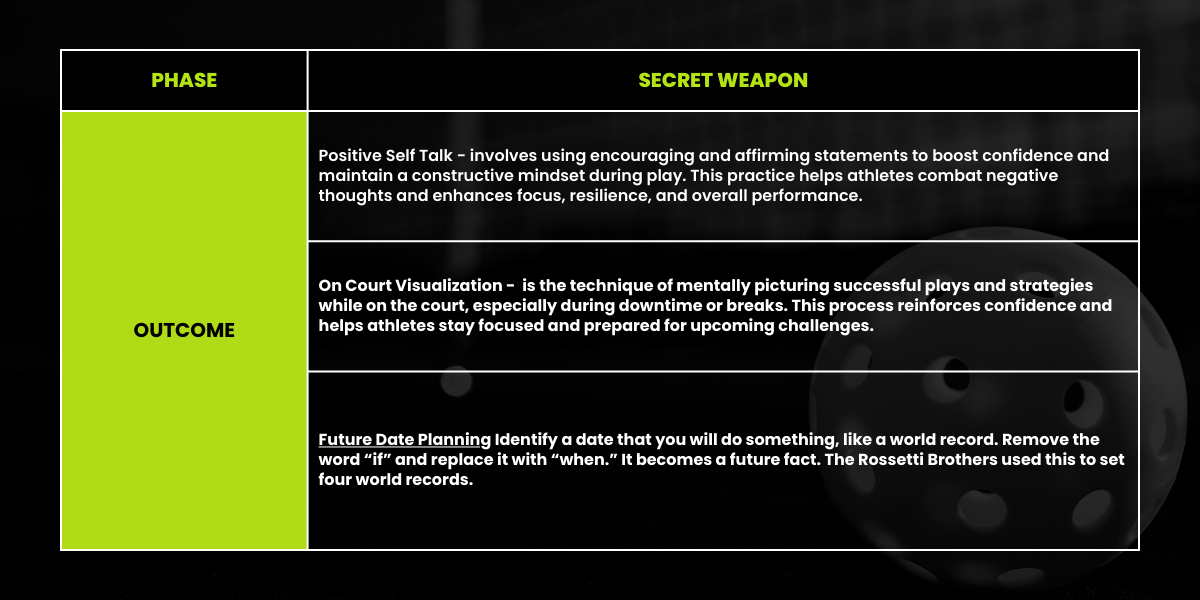
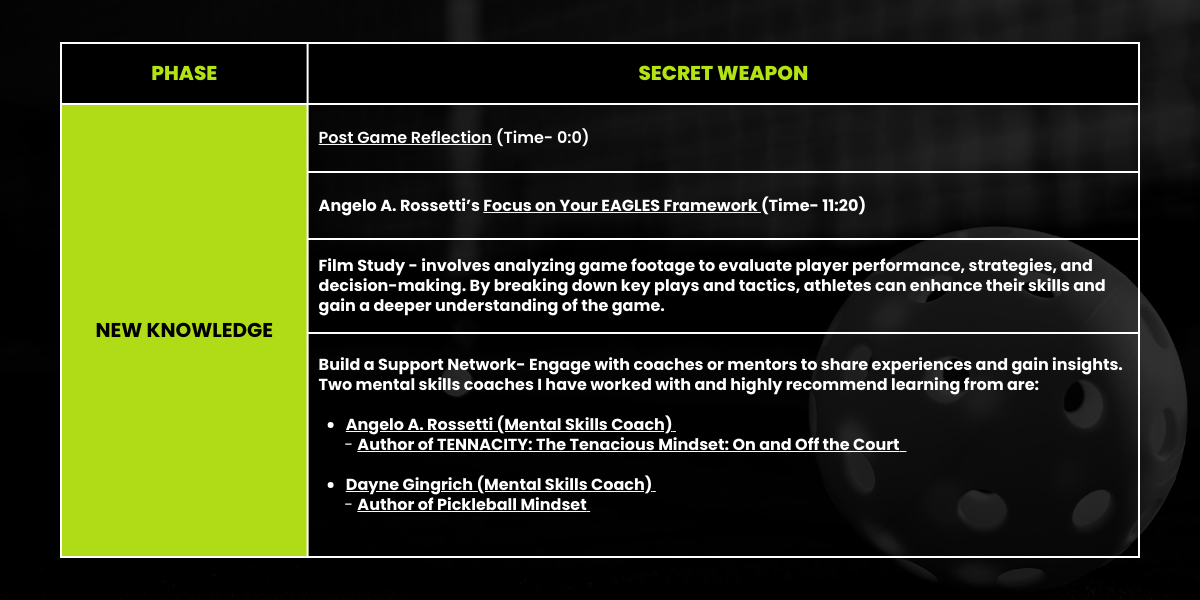
Secret Weapons You Can Use Today: Insights From the Fail First Podcast
The Fail First Podcast dives deep into the idea that failure is not the end but a crucial part of the learning process. Each episode features athletes and experts sharing their experiences and strategies for overcoming setbacks. One recurring theme is the importance of reframing failure: instead of viewing it as a defeat, see it as an opportunity for growth.
Pickleball mental resilience is a learnable skill, and the Fail First Podcast is one of the best resources for developing it. The frameworks shared in each episode align closely with the mental game strategies covered in what elite 6.0 pickleball players think during every dink.
As noted in CBS Sports coverage of mental health and athletic performance, the mental side of athletic competition is increasingly recognized as essential to sustained performance at every level.
For more from The Fail First Podcast, check out these episodes:
- 'Road to Pro' Founder, Pro Coach, and Former ATP Tour Tennis Pro
- Achieving the UNTHINKABLE in Pickleball: How DREAMS That SCARE You Drive Success
- Elite Reflection Techniques for Pickleball Athletes
- BOOST CONFIDENCE in Pickleball! Master the Mental Game.
Applying a Growth Mindset to Your Pickleball Journey
In pickleball, as in life, failure is not the end of the road; it's a vital part of the journey. Every player, from beginners to professionals, experiences setbacks that can lead to growth and improvement. By redefining failure as a valuable learning opportunity and embracing it, players can cultivate pickleball mental resilience and achieve greater success on the court.
Just like the champions of the game, we can turn our defeats into stepping stones for future victories. Learning how to set realistic, achievable pickleball goals is one of the most concrete ways to put this principle into practice. Understanding how Christian Alshon plans multiple shots ahead offers a masterclass in the strategic mindset that separates growing players from stagnant ones.
If you're looking for more insights on mental resilience and overcoming setbacks, be sure to check out the Fail First Podcast on YouTube, Instagram, and Spotify! There's also a compelling story in a Fail First Podcast episode about bonds mended through pickleball that illustrates just how deeply the growth mindset can transform more than just your game.
The 6-second mental reset technique is one tool players can use right now to put resilience into action between points.
COMING SOON: TENNACITY™ SKOOL COMMUNITY
A segment of the Fail First Podcast will be launching a SKOOL community called TENNACITY: Tenacious Mental Skills On and Off the Court, where athletes can cultivate their mental skills as they relate to pickleball, or any sport for that matter. Drawing inspiration from the book TENNACITY: The Tenacious Mindset On and Off the Court, this community will provide resources, strategies, and support to help individuals develop resilience, focus, and confidence both on and off the court.
Here, athletes learn, practice, and stay accountable with mental skills and fitness development. Members will have access to videos, discussions, and practical exercises designed to enhance their mental game, fostering a strong sense of camaraderie and growth among fellow athletes. Join us to elevate your pickleball experience and build a tenacious mindset that lasts a lifetime!
Who is Alec Martone
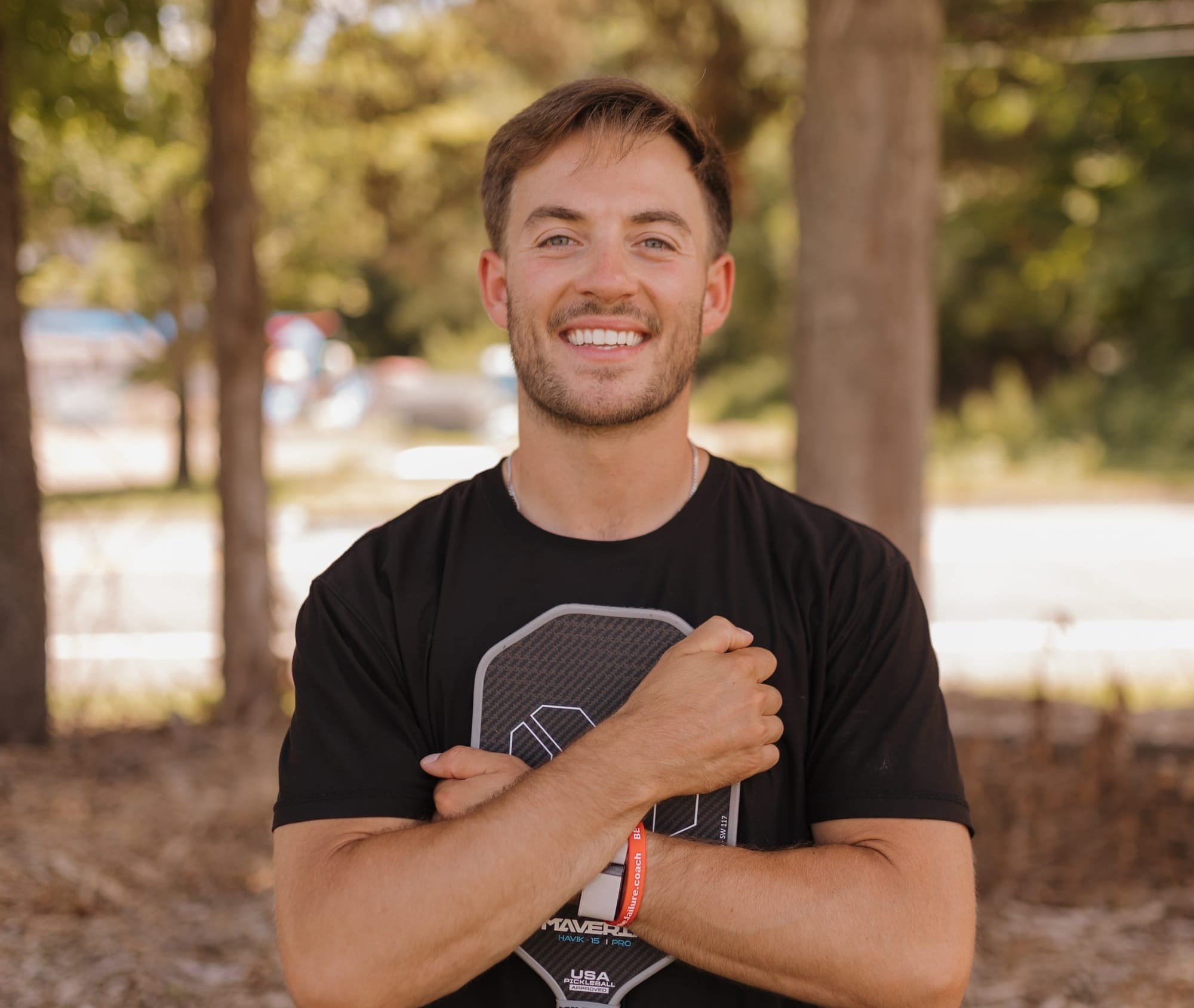
Alec Martone is a lifelong athlete and former aerospace engineer who now pursues The Fail First Project and pickleball full-time. Through the Fail First Podcast, he unites athletes, coaches, entrepreneurs, and other professionals, fostering meaningful conversations about resilience and growth.
With a passion for mental fitness, Alec encourages individuals to embrace their greatest failures as powerful learning experiences. By blending his technical expertise with his athletic background, he empowers others to redefine challenges as pathways to success, empowering those in both the sports and business communities.
Who is Angelo A. Rossetti
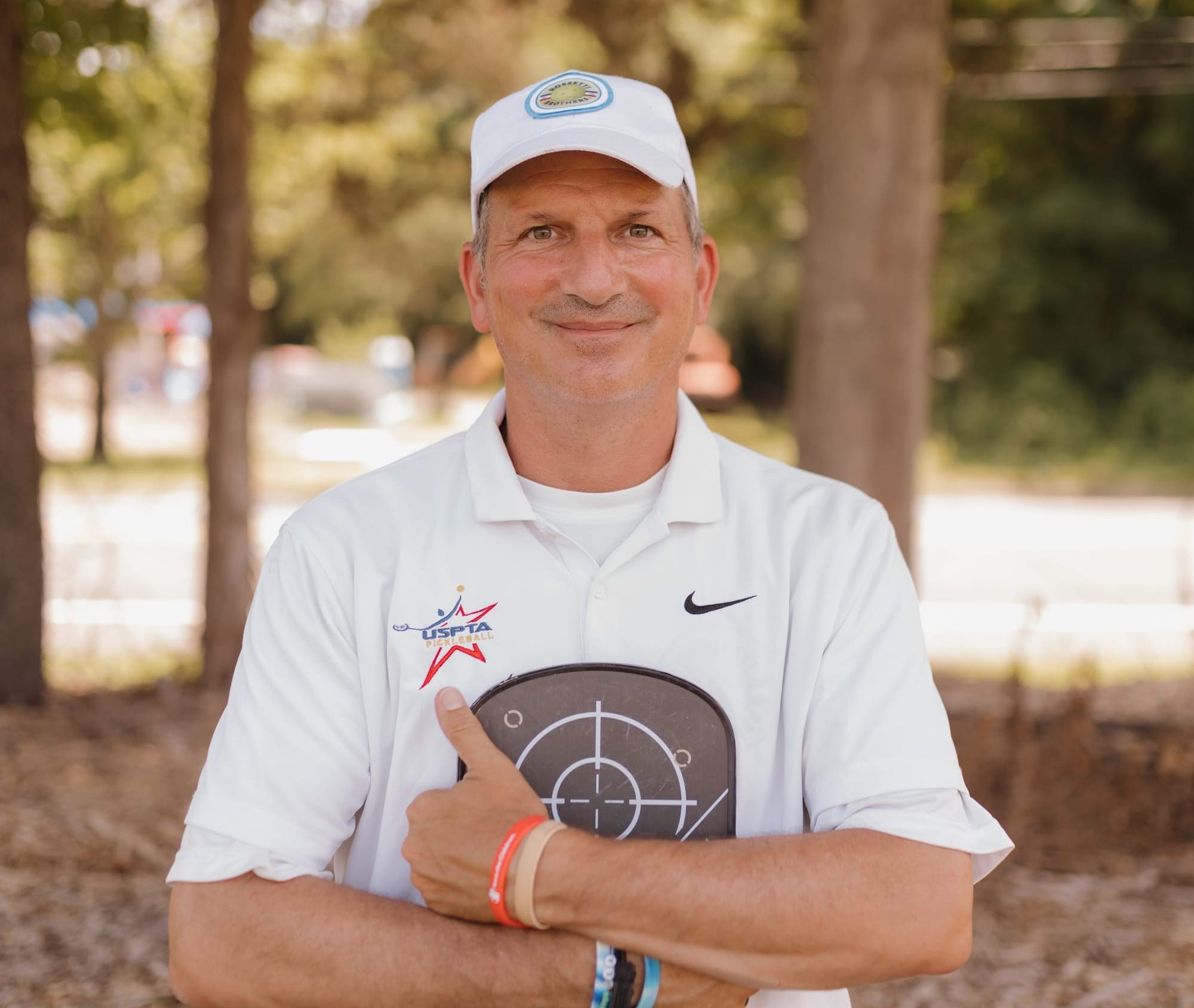
Angelo A. Rossetti, Founder of Rossetti Brothers Pickleball, is a certified mental skills and pickleball master instructor with over 30 years of coaching experience, including coaching professional athletes like Alec Martone, in sports such as pickleball and tennis.
He is the author of Tennacity, a book and online course that helps athletes, companies, and clubs. Angelo, a 4X Guinness World Records title holder with his identical twin Ettore, is also the 2023 National Pickleball League national champion. He is dedicated to helping others find their purpose through their mindset, on and off the court, including coaching pickleball in prisons.
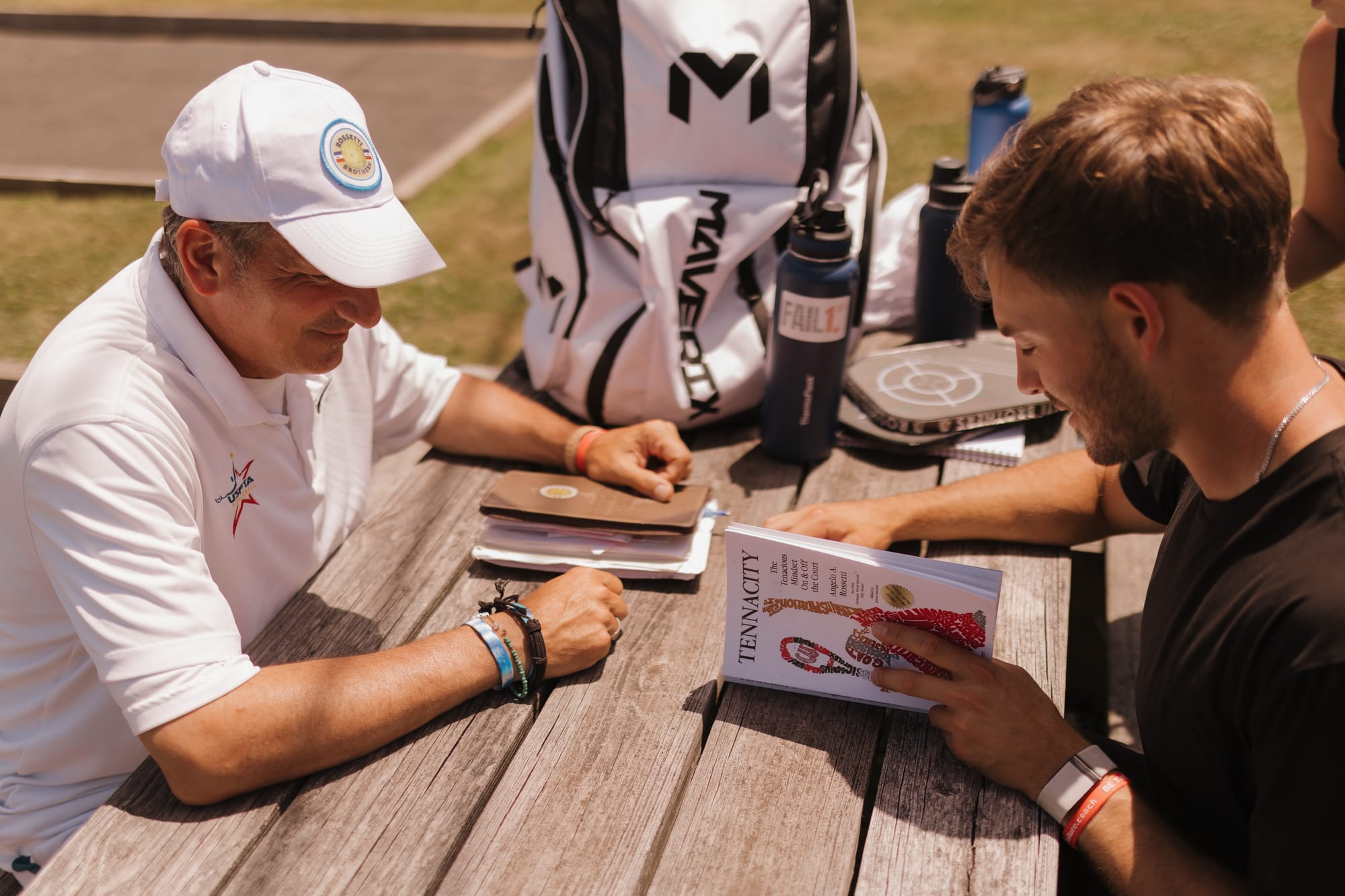
Many of the frameworks that are outlined in this article come from The Fail First Podcast: Mental Fitness Education Series with coach Angelo A. Rossetti, founder of Rossetti Brothers Pickleball. Author of TENNACITY: The Tenacious Mindset On and Off the Court.
Republishing, repurposing, or redistribution with consent from the book author only as there are copyrighted material and trademarks owned by Tennacity book’s author.
Frequently Asked Questions
What is pickleball mental resilience and why does it matter?
Pickleball mental resilience is the ability to bounce back from setbacks, losses, and mistakes while continuing to compete and grow. It matters because even technically skilled players struggle to reach their potential when fear, frustration, or a fixed mindset holds them back.
How can I stop letting a bad shot or lost point affect the rest of my game?
One effective technique is the 6-second mental reset, which involves a brief physical or mental ritual between points to clear your mind and refocus. Many coaches and pros recommend pairing this with positive self-talk and a focus on the next point rather than the last.
Is it normal for even professional pickleball players to feel frustrated after a loss?
Yes, absolutely. Pro players like Ben Johns and Christian Alshon experience losses and frustration just like recreational players. The difference is that top competitors use those setbacks as data, reviewing footage and adjusting their training rather than letting frustration drive their self-assessment.
What is the difference between the failure cycle and the growth cycle in pickleball?
The failure cycle is driven by ego and fear, where a loss reinforces self-doubt and discourages future risk-taking. The growth cycle, by contrast, treats every outcome as information, focusing on preparation, honest reflection, and building new knowledge that raises your level over time.
How does the Fail First Podcast help pickleball players build mental toughness?
The Fail First Podcast features athletes, coaches, and experts who share firsthand experiences with setbacks and the specific mental frameworks they used to move forward. Its core message is that failure is not the opposite of success; it is the path to it, which makes it one of the most practical mental fitness resources available for competitive and recreational pickleball players alike.
|
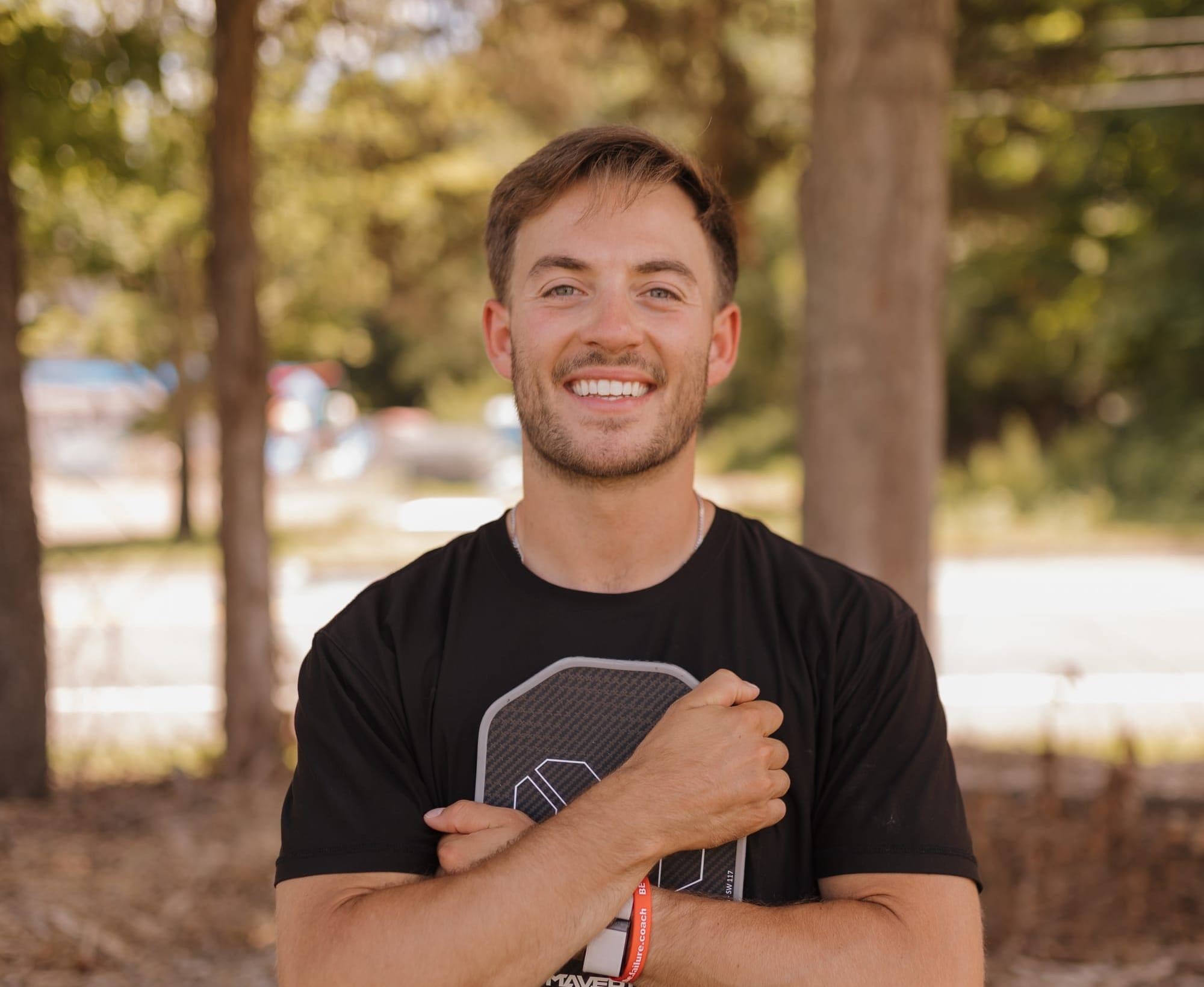
Alec Martone
Alec Martone is a lifelong athlete and former aerospace engineer who now pursues The Fail First Project, which fosters meaningful conversations about resilience and growth.
Love Pickleball? Join 100k+ readers for free weekly tips, news & gear deals.
Subscribe to The Dink