Understanding 5.0 pickleball requires watching elite players in action. In this breakdown, a competitive player shares exactly what separates 5.0 pickleball from lower skill levels and what it takes to compete at the highest amateur level.
5.0 pickleball is among the highest amateur skill rating in the sport, and most players never get to see what it actually looks like in real time.
The gap between 4.5 and 5.0 isn't just incremental. It's a fundamental shift in consistency, court positioning, and shot selection.
To truly understand what separates elite players from everyone else, you need to watch them compete.
That's exactly what Ty Butson did recently in Nashville.
The competitive player got on the court with some of the best players in the city to see where his game stands before competing in the PPA Atlanta tournament.
What he discovered offers a masterclass in what 5.0 pickleball actually demands.
Love pickleball? Then you'll love our free newsletter. We send the latest news, tips, and highlights for free each week.
Why Playing Against 5.0 Players Changes Everything
The first thing you notice about 5.0 pickleball is the consistency. These players don't miss easy balls. They don't pop up dinks.
They don't leave balls short at the kitchen line.
Every shot has purpose, placement, and precision.
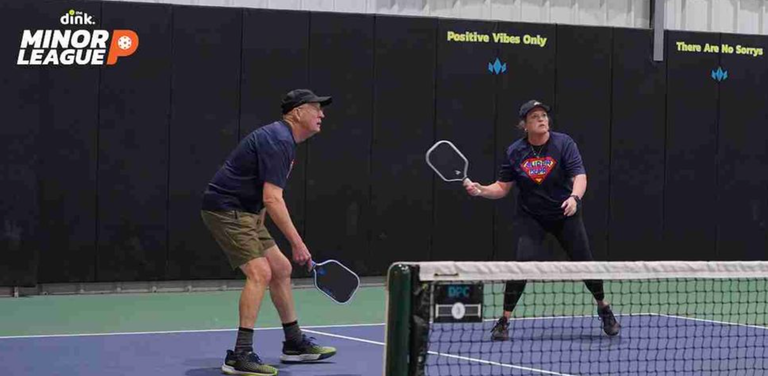
Butson played against Nathan, Paul, and Joseph—all established 5.0 players in Nashville. What struck him most wasn't their power or athleticism.
It was their ability to control the point from the kitchen line and dictate play through intelligent shot selection.
"I felt really confident with my game," Butson explained after the matches.
I was making a lot of balls. I was playing the right and the left. But I definitely feel better as a left side player because I have more experience over there.
The matches revealed something crucial:
5.0 pickleball isn't about hitting harder. It's about hitting smarter.
The best players at this level win points through
- Positioning
- Patience
- Knowing exactly when to attack
What Separates 5.0 From 4.5 Pickleball
Here's the thing about the gap between 4.5 and 5.0 pickleball: it's wider than most people think.
At 4.5, you'll find solid players who can execute most shots and understand court positioning.
At 5.0, you're dealing with players who've mastered consistency and can exploit even the smallest mistakes.
Butson noted that his opponents at the 5.0 level made it to the kitchen line consistently and worked points methodically.
They weren't trying to end rallies with one spectacular shot. Instead, they built points, created angles, and forced errors through superior placement.
One key difference: 5.0 pickleball players excel at the third shot.
This is the shot hit after the serve and return of serve, and it's arguably the most important shot in the game.
At this level, players use the third shot to either neutralize the net advantage or take control of the point immediately.
The Kitchen Line: Where 5.0 Pickleball Is Won
The kitchen—that seven-foot no-volley zone on both sides of the net—is where 5.0 pickleball matches are decided.
Getting to the kitchen line and staying there is non-negotiable at this level.
Butson's strategy against his 5.0 opponents centered on aggressive third shots and quick kitchen access.
"Being aggressive on the thirds and really getting to the kitchen and then dictating the point at the kitchen line, especially on the left side," he said, was crucial to his success.
What makes this different from lower levels is the margin for error. At 4.0 or 4.5, you might get away with a slightly high dink or a soft volley.
At elite amateur pickleball, those mistakes get punished immediately.
The best players at this level are constantly looking for opportunities to attack, but they're also patient enough to wait for the right ball.
The dink, that soft, short shot hit just over the net, becomes almost meditative at the 5.0 level. Players exchange dinks for extended rallies, mixing up patterns and depths to set up offensive opportunities.
Butson found himself dinking more than he expected, which speaks to how 5.0 pickleball demands patience alongside aggression. If you want to understand the critical kitchen line skill most rec players are missing, attacking the ball in the air is where it starts.
 The Dink Media Team
Reading the Court: How 5.0 Players Think Differently
One of the most underrated aspects of 5.0 pickleball is court awareness. Elite players know where their opponents are positioned at all times.
They understand angles, court geometry, and how to use the full width of the court to their advantage. You can develop this kind of court position awareness at any level, but at 5.0, it's fully automated.
Butson's approach involved hitting crosscourt dinks to open up the court, then targeting the opposite side player. This is textbook 5.0 pickleball strategy: create width, then attack the open court.
It's simple in theory but requires exceptional execution.
"I felt like we were just able to really dictate the points, get into the kitchen line and really work the point that way," Butson said about his matches with Nathan. This dictation, controlling the pace, depth, and direction of play, is what separates 5.0 from everything below it.
The flick is another shot that becomes essential at this level. This is an aggressive reset hit from below the net line, usually aimed at catching opponents off guard.
Butson identified the flick as one of his strongest weapons, and for good reason: at 5.0, the flick can turn defense into offense in a single shot. According to CBS Sports' coverage of the sport's rapid competitive growth, the technical ceiling of amateur pickleball keeps rising as access to elite coaching and competition improves.
Alex E. Weaver
What About the 4.5 Level? Why It's Different
Butson is preparing for the PPA Atlanta tournament where he'll compete at the 4.5 level in men's doubles and mixed doubles.
This raises an interesting question: how does 4.5 pickleball differ from 5.0?
The answer is more nuanced than you might think. While 4.5 players are still highly skilled, they tend to be less consistent and more willing to take risks.
They might hit more drives and aggressive shots earlier in rallies. They're also more likely to make unforced errors.
"The four fives don't like to dink that much," Butson observed. "So there's probably going to be a lot more volleying and blocking and probably some really weird shots that I have to get back."
This is crucial context for understanding competitive pickleball.
The 4.5 level is where you find players who are good enough to be dangerous but not quite refined enough to be predictable.
They're unorthodox. They're aggressive. And they can catch you off guard.
Playing against 5.0 players actually prepared Butson well for this challenge. The consistency and discipline he experienced at the 5.0 level will help him adapt to the more chaotic, aggressive style of 4.5 competition.
The Dink Media Team
The Mental Game at 5.0 Pickleball
Beyond the technical and tactical elements, 5.0 pickleball demands mental toughness. These players have played thousands of matches.
Butson went into his Nashville sessions feeling uncertain about his paddle choice and his overall game. But once he stepped on the court, his confidence grew.
He won most of his matches and felt sharp throughout the morning session, which ran from 7 a.m. to 9:30 a.m.
This mental resilience is part of what defines elite pickleball play. The best players don't let early losses or mistakes derail them.
They adjust, they adapt, and they stay focused on executing their game plan.
The Dink Media Team
What Butson Learned About His Own Game
After reviewing footage from his matches, Butson identified specific areas for improvement.
His forehand resets in midcourt needed work—they were hitting the edge of his paddle rather than the sweet spot.
His forehand volley roll also needed refinement; he was leaving balls up too high.
But here's what's important: these are refinements, not fundamental flaws.
At the 5.0 level, the difference between good and great often comes down to these small technical details.
A reset that's slightly off can give your opponent an attacking opportunity. A volley that's an inch too high can be punished.
This is what makes 5.0 pickleball so compelling to watch and study. The margins are razor-thin. The execution is exacting.
And the players who succeed are those who obsess over these details.
The Dink Media Team
Preparing for Atlanta: Why High-Level Competition Matters
Butson's trip to Nashville served a specific purpose: preparation for the PPA Atlanta tournament.
By playing against 5.0 players, he gained confidence and experience that will translate to his 4.5 competition.
"I think that I need to be playing these higher level games just to give me that confidence going into Atlanta," he said. This is smart preparation.
Playing up—competing against better players—is one of the best ways to improve and build confidence.
He's also trying out the ERA paddle, a relatively new addition to his equipment arsenal. Testing equipment against elite competition is the best way to know if it works for your game.
Butson felt good with the ERA during his Nashville sessions, though he's still deciding on his final paddle choice for Atlanta.
Erik Tice
The Bigger Picture: What 5.0 Pickleball Tells Us About the Sport
Watching 5.0 pickleball in action reveals something important about the sport's evolution. Pickleball has matured significantly.
The skill ceiling keeps rising. Players are more athletic, more technical, and more strategic than ever before. The PPA Tour and other professional circuits have accelerated this development.
As more resources flow into the sport, players have access to better coaching, better equipment, and better competition.
This raises the overall level of play across all skill ratings. As NBC Sports has reported on pickleball's rapid competitive evolution, the sport's growth at both the amateur and professional levels is reshaping what elite play looks like.
For recreational players, this means the gap between 4.0 and 5.0 will likely continue to widen. The 5.0 level represents the absolute peak of amateur pickleball, and reaching it requires dedication, thousands of hours of practice, and a genuine love for the game.
Frequently Asked Questions
What does 5.0 pickleball mean?
5.0 is the highest amateur skill rating in pickleball, assigned by the Professional Pickleball Association (PPA). Players at this level demonstrate exceptional consistency, court awareness, and shot execution. They can compete at professional tournaments and represent the top tier of recreational play.
How is 5.0 pickleball different from 4.5?
5.0 players are significantly more consistent and disciplined than 4.5 players. They dink more, make fewer unforced errors, and dictate points through intelligent shot selection rather than power. 4.5 players tend to be more aggressive and unorthodox, which can make them unpredictable but also more prone to mistakes.
Can you reach 5.0 pickleball without playing tournaments?
While it's theoretically possible to reach 5.0 through recreational play alone, tournament competition is the standard way players are rated and recognized at this level. The PPA rating system is based on tournament results, so most 5.0 players have significant tournament experience.
What's the most important shot in 5.0 pickleball?
The third shot is arguably the most important shot at the 5.0 level. This shot determines whether you can neutralize your opponent's net advantage or take control of the point immediately. Mastering the third shot is essential for competing at the highest amateur level.
How long does it take to reach 5.0 pickleball?
There's no set timeline, as it depends on your starting point, practice intensity, and access to quality coaching and competition. Most players who reach 5.0 have played for several years and invested significant time in skill development and tournament play.
Use code "inf-thedink" on Selkirk to get a free gift card at checkout, and follow us on IG @thedinkpickleball for more insights into competitive pickleball.

Love Pickleball? Join 100k+ readers for free weekly tips, news & gear deals.
Subscribe to The Dink