Understanding the Pickleball Transition Zone: When to Play Safe vs. When to Attack
The best players in the world aren't just comfortable in the pickleball transition zone — they actively use it to their advantage.
You've probably heard it before: "Never get caught in the transition zone." It's the kind of advice that sounds authoritative, gets repeated at the courts, and makes you feel like you're doing something wrong when you're stuck between the baseline and the kitchen.
But that advice is backwards.
The best pickleball players in the world aren't afraid of the transition zone. They own it.
They're comfortable staying there for multiple shots, mixing defense with offense, and turning what looks like a vulnerable position into a scoring opportunity.
According to a new breakdown from Selkirk TV, mastering this space might be the single most important skill you can develop to level up your game.
The Pickleball Transition Zone Myth
Let's start by dismantling the idea that the mid-court is some kind of danger zone you need to escape as quickly as possible. That mentality actually makes your game worse, not better.
When you're terrified of being stuck in the pickleball transition zone, you start making desperate decisions. Your third shot drop becomes so tentative that you're cutting it dangerously close to the net. You're rushing to get all the way to the kitchen instead of staying patient and playing the point from where you are.
The irony? That fear is what creates the problems you're trying to avoid. You're essentially sabotaging yourself before your opponent even gets a chance to.
Comfort in the transition zone is non-negotiable for serious players. The reasoning is straightforward: if you can't handle being here, you can't execute a solid third shot drop. And if your third shot drop is weak because you're panicking, you're giving your opponents free points.
It's a vicious cycle that starts with mindset.
 The Dink Media Team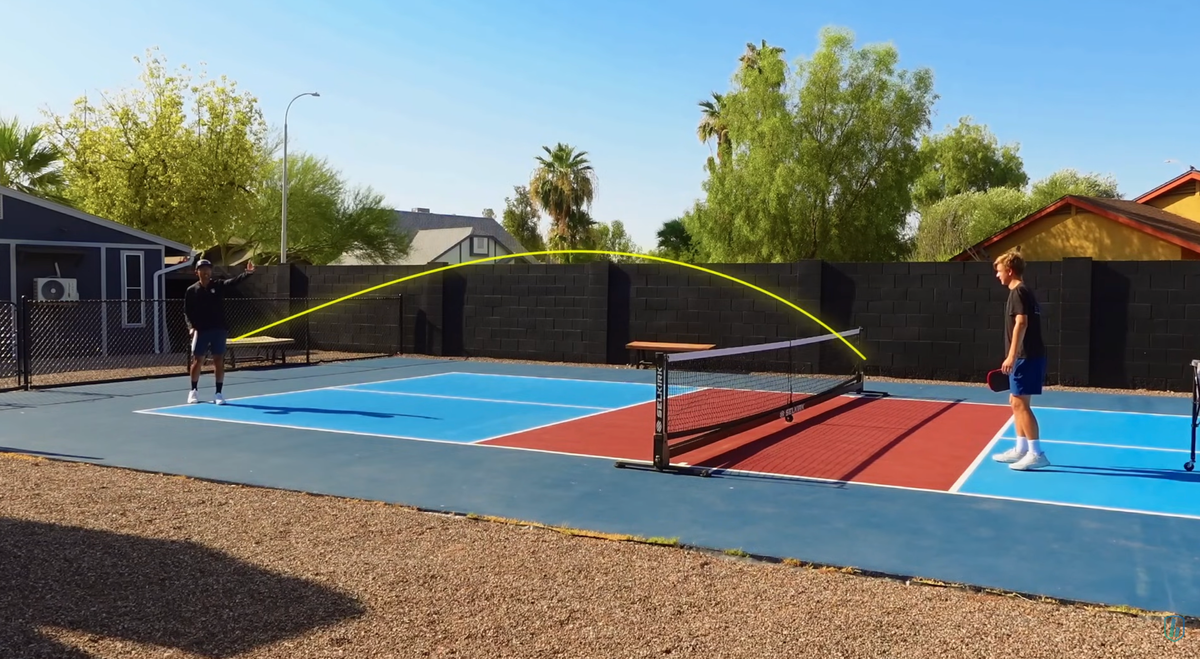
Building Your Foundation: The Defensive Drill
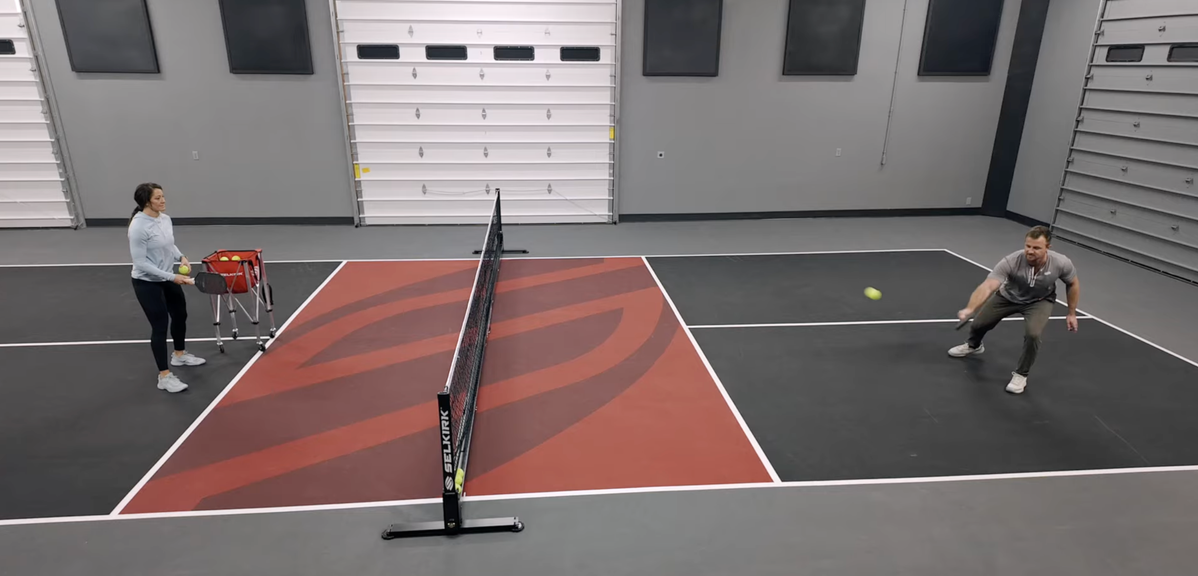
Before you start thinking about offensive opportunities in the pickleball transition zone, you need to establish a baseline of defensive competence. Selkirk TV walks through a fundamental drill that sounds simple but requires real focus: everything you touch should land in the kitchen.
The mechanics matter here. You're working on body positioning, which means getting your feet wider than your hips for a solid base of support. Your butt needs to be back while you reach forward, creating that athletic ready position.
The goal is to be low enough that if the ball spontaneously hits your paddle, it's going over the net instead of into the bottom of the net.
This is where grip pressure becomes crucial. You want a light grip, around a three out of ten. A tight grip adds tension to your arm and makes the paddle less absorbent.
When you're light and relaxed, the paddle does more of the work for you. You're essentially becoming a backboard, letting the ball's energy do the heavy lifting rather than trying to muscle it.
One mental trick that Selkirk TV emphasizes: when you make a mistake, tell yourself one thing you need to do differently next time. Don't dwell on what went wrong. Just give your body a clear instruction.
The Offensive Shift: When to Attack in the Transition Zone
Here's where things get interesting. You don't have to hit everything soft in the pickleball transition zone. In fact, if you take the ball out of the air, that's your moment to be aggressive.
The drill evolves into a mixed approach:
- If the ball bounces, you make it bounce back (keeping it soft and controlled)
- If it comes out of the air, you have the green light to attack
This is where you're trying to hit through your opponent, targeting the uncomfortable space right around their hip. It's not a put-away shot necessarily, but it's a ball that's difficult to handle, and there's a good chance they'll either let it go or pop it up for you to finish.
 The Dink Media Team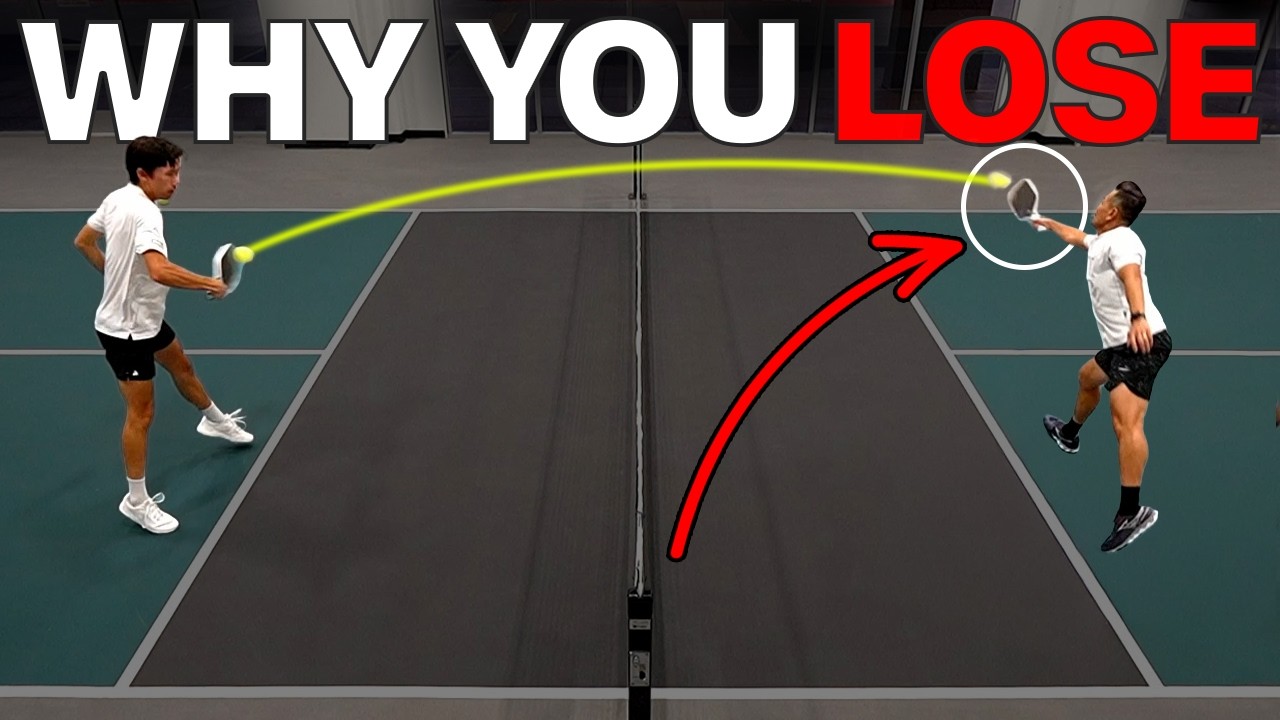
The Strength Component: Core Rotation and Power in the Pickleball Transition Zone
You can't be offensive from the pickleball transition zone without the physical tools to back it up. Selkirk TV demonstrates this with a medicine ball exercise that targets the exact muscles you need: your legs, core, and shoulders.
The movement mimics what you're doing on the court. You're reaching to the side, loading your hip, and driving it back as if you're trying to generate power from your lower body. The obliques get serious work here because whenever you have something outside your body and you need to generate power, your shoulders alone don't have enough juice.
You need that core rotation.
The hip drive is the key. You're loading that hip and then explosively driving it forward, which is where the power comes from. This isn't arm strength; it's rotational power generated from your lower body and core.
 The Dink Media Team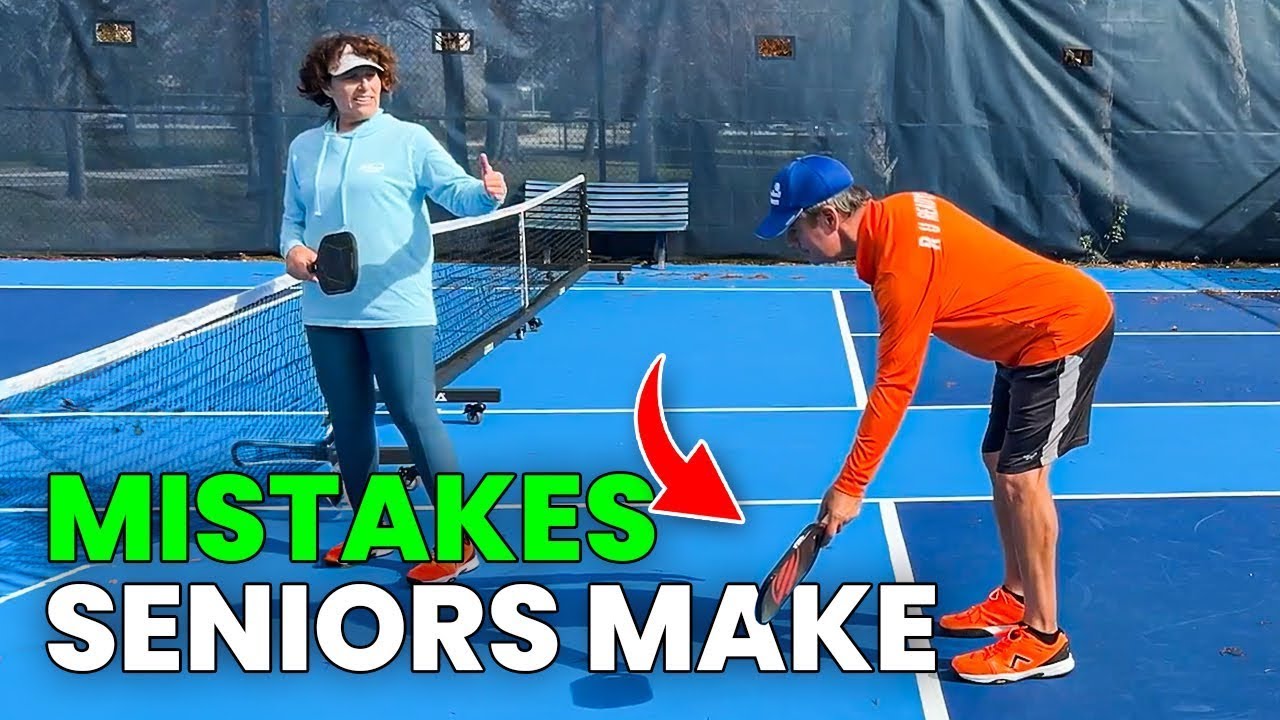
How the Pickleball Transition Zone Connects to the Rest of Your Game
The broader lesson here is that the transition zone isn't a place to fear or rush through. It's a place to develop mastery. You start with solid defensive fundamentals, understanding body position and grip pressure.
You progress to mixing in offensive opportunities when the ball comes out of the air. And you build the physical strength to actually execute those aggressive shots.
Selkirk TV's approach is methodical and practical. There's no magic here, just clear instruction on how to think about the space, how to move through it, and how to build the strength to be effective.
The pickleball transition zone becomes less about survival and more about control.
Frequently Asked Questions
What exactly is the pickleball transition zone?
The pickleball transition zone is the area of the court between the baseline and the kitchen (non-volley zone line). It's the mid-court space that players pass through when moving from the back of the court toward the net. Many players try to avoid lingering here, but elite players learn to use it strategically.
Why do most players struggle in the pickleball transition zone?
Most players struggle because they approach the transition zone with fear rather than a plan. That anxiety leads to rushed movement, tentative shots, and poor body positioning. The fix is building defensive competence first, then gradually layering in offensive decision-making.
Should you always try to rush through the pickleball transition zone?
No — rushing through the transition zone is one of the most common tactical mistakes in recreational pickleball. Staying patient, playing the ball correctly based on whether it bounces or comes through the air, and maintaining solid posture will produce far better results than sprinting to the kitchen without control.
When is it okay to attack from the pickleball transition zone?
The green light to attack from the mid-court comes when you can take the ball out of the air as a volley. That ball-in-air scenario gives you the angle and pace advantage to drive through your opponent, ideally targeting the area around their hip for a difficult return. If the ball bounces first, default to keeping it soft and controlled.
How does physical conditioning relate to transition zone performance?
Core rotation, hip drive, and shoulder strength are all directly tied to your ability to generate offensive power from the pickleball transition zone. Players who train rotational strength off the court — through exercises like medicine ball work — find that their mid-court volleys carry more punch and consistency during actual play.

Love Pickleball? Join 100k+ readers for free weekly tips, news & gear deals.
Subscribe to The DinkGet 15% off pickleball gear at Midwest Racquet Sports