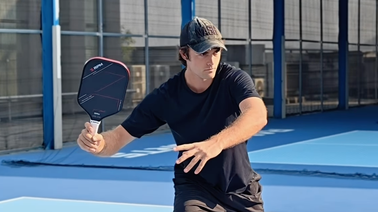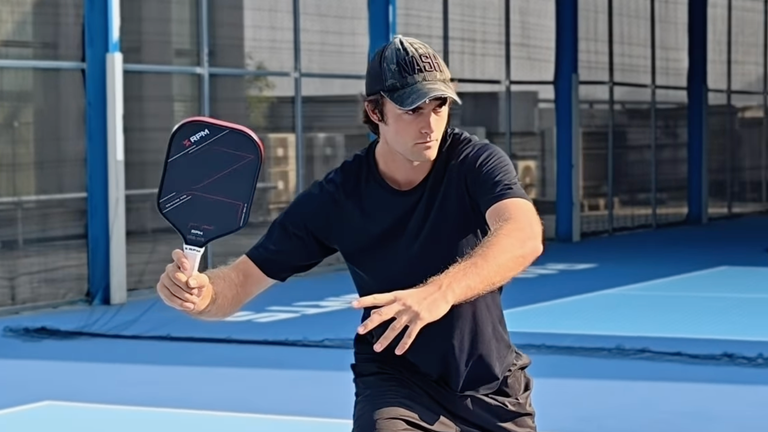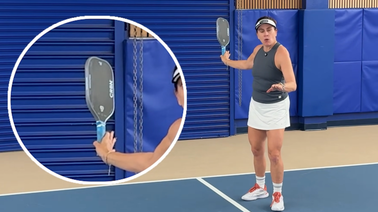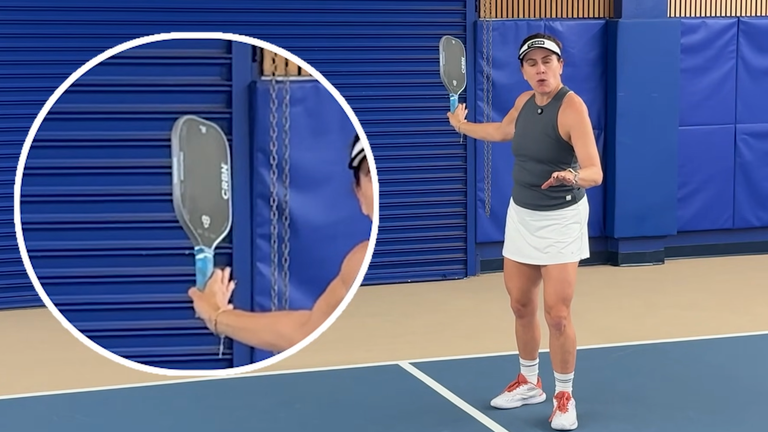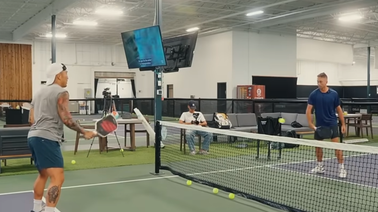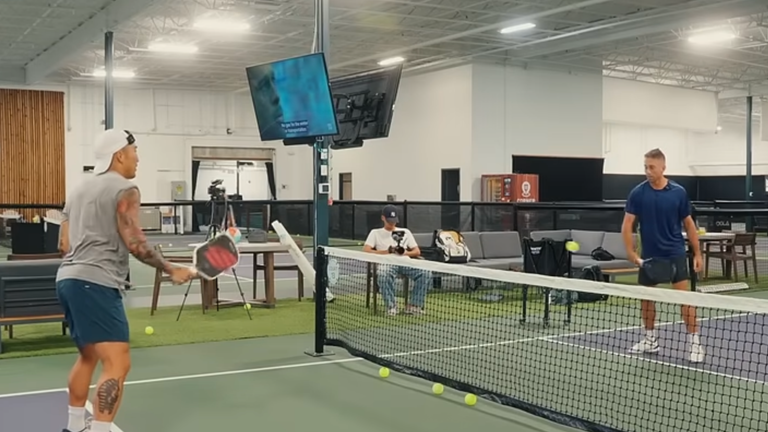

It’s the area where you’re most vulnerable because you’re caught between two worlds: the safety of the baseline and the dominance of the kitchen line.
We’ve all been there. You’re stuck in that awkward middle ground between the baseline and the kitchen, a ball comes screaming at you, and your brain short-circuits. Instead of a controlled shot, you swing for the fences, the ball flies out, and your partner gives you that look. You know the one.
Mari Humberg, a pro who clearly understands the mental gymnastics of the mid-court, recently broke down this exact scenario on her YouTube channel.
She calls it the "struggle zone," and honestly, that might be an understatement. It’s where points go to die, especially in women’s doubles where firefights often break out in the worst possible spots.
Love pickleball? Then you'll love our email newsletter. We send the latest news, tips, and highlights for free each week.
Welcome to the Red Zone
First things first, let’s talk about where this "struggle zone" actually lives. If you take about three steps in from the baseline, you’ve entered the transition zone. It’s the red zone.
It’s the area where you’re most vulnerable because you’re caught between two worlds: the safety of the baseline and the dominance of the kitchen line.
Humberg points out that the biggest mistake players make is initiating a firefight from here.
Trying to out-power them from the middle of the court is a losing battle. So, how do you survive? It starts with your feet and ends with a very specific decision-making process.
The Traffic Light System for Resets and Counters
The secret to making it out of the transition zone alive isn't just about having fast hands; it’s about knowing when to use them.
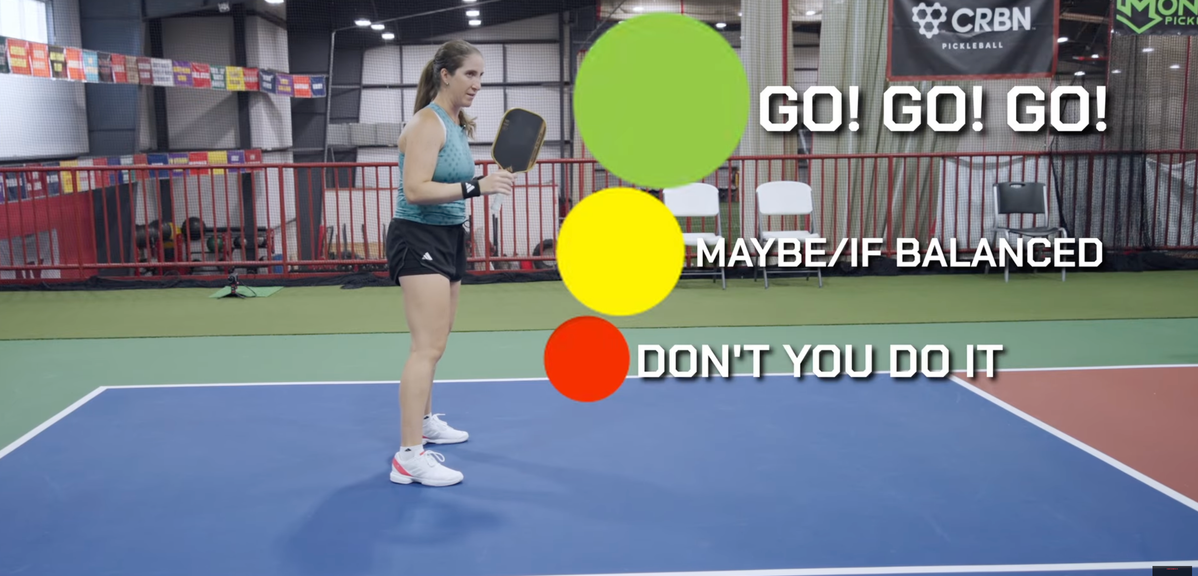
Humberg uses a simple height-based system to decide whether to reset the ball (drop it softly into the kitchen) or counter (hit it back hard).
Think of it like a traffic light:
- The Red Light (Below the Knee): If the ball is low, don't even think about attacking. You’re hitting up on the ball, which just gives your opponents an easy smash. Your only job here is to reset. Soften your hands, absorb the pace, and drop it into the kitchen.
- The Yellow Light (Between Knee and Hip): This is the "maybe" zone. You can counter if, and only if, you are perfectly balanced. If you’re leaning or reaching, just stick to the reset. It’s better to live to fight another shot than to gift a point on a wild swing.
- The Green Light (Above the Hip): Now we’re talking. If the ball is high and you’re well-balanced, you have the green light to counter. This is your chance to put some pressure back on the opponents.
 The Dink Media Team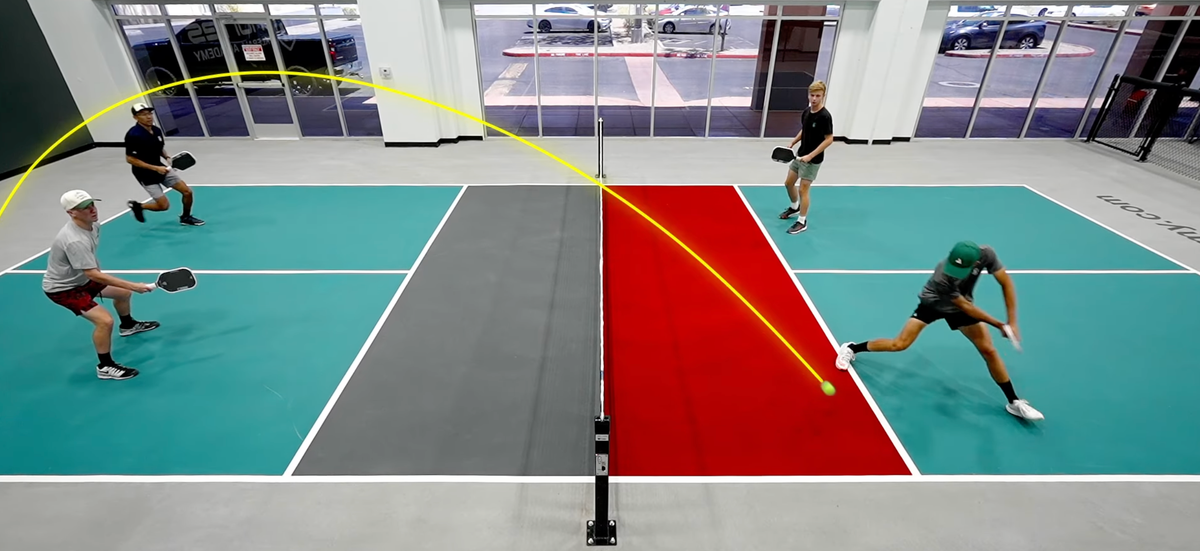
It’s a Journey, Not a Sprint
One of the most relatable things Humberg mentions is that transitioning to the net isn't a race. We often feel this frantic need to get to the kitchen line as fast as humanly possible. But when you rush, you lose your balance. And when you lose your balance, your shots go to garbage.
She emphasizes:
- Staying in an athletic stance
- Getting low
- Making contact in front of your body
If it takes you three or four shots to work your way up from the baseline, that’s perfectly fine. Each shot should be a calculated move to improve your position, not a desperate dash.
 The Dink Media Team
Why This Changes Your Game
The transition zone is arguably the hardest part of pickleball. It’s where the pros separate themselves from the amateurs. By committing to this decision-making framework, you stop guessing and start reacting with purpose.
You’ll find that your points last longer, you’re less frustrated, and you’re actually making it to the kitchen line with a chance to win the rally. As Humberg puts it, this area of the court deserves the most practice. If you can master the "struggle zone," the rest of the game starts to feel a whole lot easier.
Heads up: hundreds of thousands of pickleballers read our free newsletter. Subscribe here for cutting edge strategy, insider news, pro analysis, the latest product innovations and more.

Love Pickleball? Join 100k+ readers for free weekly tips, news & gear deals.
Subscribe to The DinkGet 15% off pickleball gear at Midwest Racquet Sports