
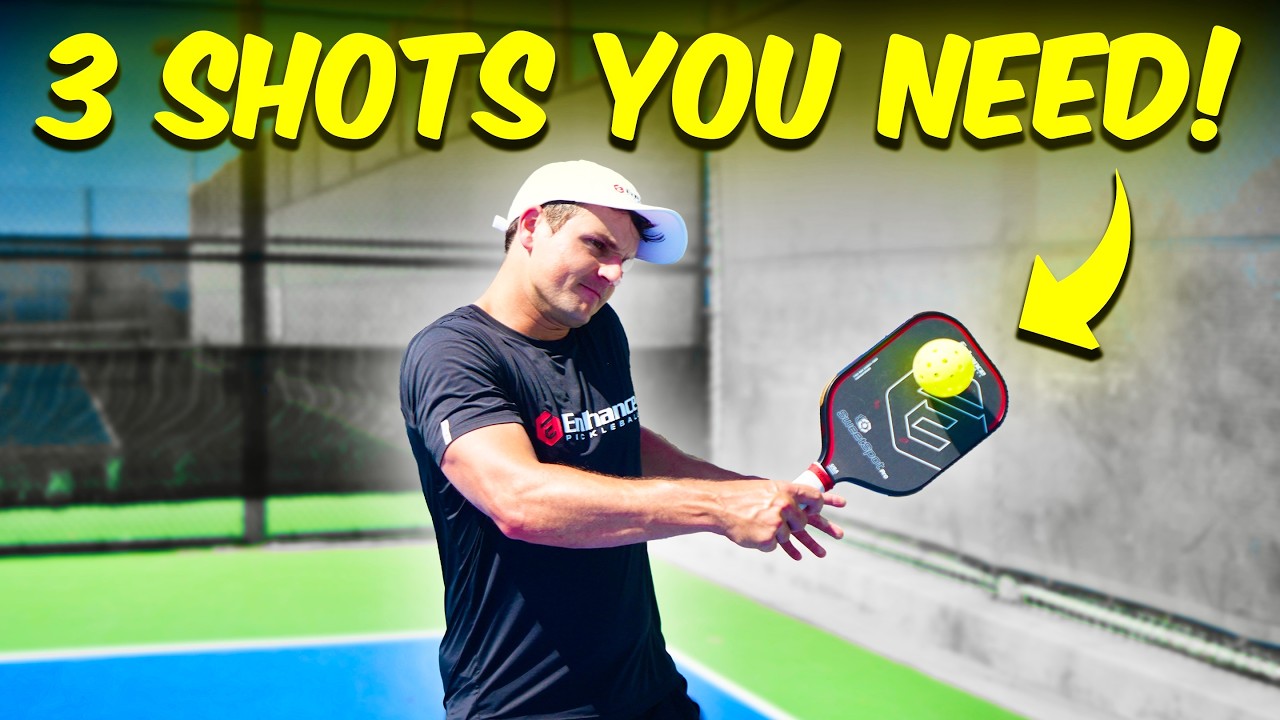
The counterattack cancels your opponent's attacks. The deceptive speedup ends rallies in your favor. The strategic third shot gets you into the kitchen where you belong.
Not all pickleball shots are created equal. Just three shots decide roughly 70% of the points you'll play. Master these, and you'll win more games, play with confidence, and start outsmarting opponents you used to struggle against.
Enhance Pickleball breaks down exactly what these shots are and how to hit them like a pro.
Love pickleball? Then you'll love our free newsletter. We send the latest news, tips, and highlights for free each week.
1. The Counterattack: Your First Line of Defense
When bangers start attacking you relentlessly, you can't just float the ball back and hope for the best. You need to stop their momentum with a solid counterattack.
The counterattack is all about speed and precision, not power. Here's what separates an effective one from a weak one:
- Keep your motion compact and concise. A big swing slows you down and kills your accuracy.
- Use a firm wrist and grip to absorb your opponent's power rather than generate your own.
- Position your paddle at net height in your ready stance so you don't have far to travel.
One sneaky technique, "paddle shading," can give you a huge edge. If your opponent is hitting from a wide angle, they often can't go cross-court without the ball sailing out. So shade your paddle toward the middle and assume they'll attack down the line. You'll cut their reaction time in half.
Where to Aim Your Counter
The goal isn't to win a hands battle. It's to take control of the point immediately.
If you have a higher ball, aim for your opponent's feet. A ball at their feet forces a mistake or a weak pop-up you can finish. If the ball is lower, aim for their belly button or straight down the middle. This prevents opponents from attacking on the next shot and keeps you in the rally.
Avoid going right at their backhand if they're already "sitting" on it. They'll be ready for it.
 The Dink Media Team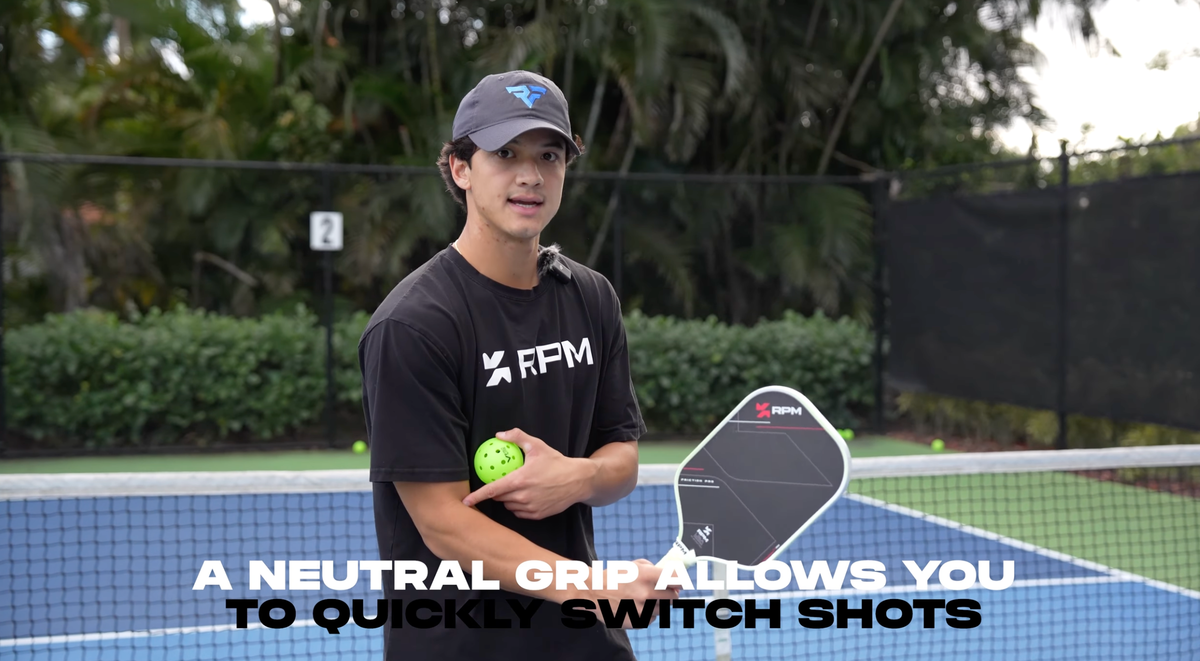
2. Speedups: The Art of Deception
Most dinking rallies end with either a mistake or a speedup. But here's the problem: if your speedup is predictable, it's just bait for a good counterattack.
The secret is deception.
- Don't telegraph your speedup with a big backswing.
- Instead, prepare as if you're hitting a normal dink.
- At the last second, flick your wrist to generate power.
Your opponent won't see it coming until the ball is already flying toward them.
This wrist flick is especially useful on the backhand, where many players struggle to generate power without risking tennis elbow. A paddle with lower swing weight makes this easier and safer.
Heads up: hundreds of thousands of pickleballers read our free newsletter. Subscribe here for cutting edge strategy, insider news, pro analysis, the latest product innovations and more.
When to Attack
High balls are the obvious choice for speedups, but better players rarely give you those. Look for other opportunities:
- Volley dinks (intercepting the ball out of the air) take away 10-15% of your opponent's reaction time just by being closer to the net.
- When your opponent is out of position or moving backward, that's your window.
- Anything slightly higher than a normal dink is fair game if you have the technique to disguise it.
The two golden targets are down the middle and at your opponent's right shoulder. These spots work most consistently. Avoid their backhand side if they're already positioned there.
 The Dink Media Team
3. The Third Shot: It's Not Just About the Hit
The third shot is the gatekeeper. If you can't hit a good third shot, you can't get to the kitchen, and you can't score. But here's what most players get wrong: they focus only on the shot itself, not what happens after.
The key is using "feel" to decide where to move. Don't wait to see where your ball lands. Move based on how the contact felt.
Reading Your Own Shot
- If you make clean contact on a drop, start moving toward the kitchen immediately. You need that head start to reach the line in time for your next shot.
- If the contact feels medium or okay, move to the transition zone instead. This gives you more time to react to whatever comes back.
- If you hit it poorly or too high, stay back. Give yourself space to react to the attack that's coming.
Drives and the Transition Zone
When you drive the third shot, you rarely have time to reach the kitchen. Instead, hit it hard and low, move forward a few steps into the transition zone, and prepare for what's next.
If your opponent pops it up, keep moving forward and attack. If they hit a good volley, stay back and reset the ball into the kitchen on the fifth shot.
Here's the modern twist: with today's more powerful paddles, some players are attacking from the transition zone rather than constantly resetting.
If your opponent gives you anything slightly high while you're moving forward, don't be afraid to surprise them with an aggressive shot. It keeps them guessing and prevents them from crowding the net.
 The Dink Media Team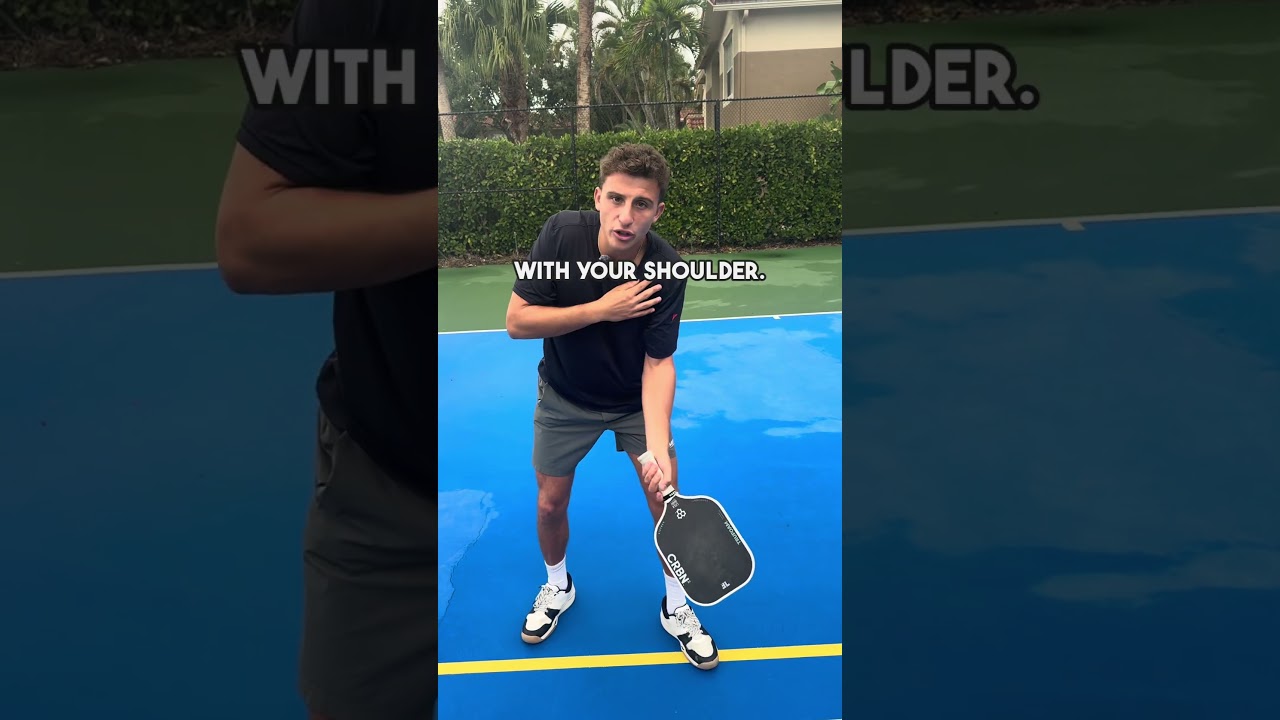
Put It All Together
These three shots are the foundation of winning pickleball. The counterattack cancels your opponent's attacks. The deceptive speedup ends rallies in your favor. The strategic third shot gets you into the kitchen where you belong.
Practice these during your next session and watch your win rate climb. Your opponents won't know what hit them.

Love Pickleball? Join 100k+ readers for free weekly tips, news & gear deals.
Subscribe to The DinkGet 15% off pickleball gear at Midwest Racquet Sports