Testing Counterfeit Pickleball Paddles: Real vs. Fake Performance
Counterfeit pickleball paddles flood the market, but they're not just illegal—they often perform terribly. We break down exactly how fake paddles differ from the real thing.
If you've been shopping for pickleball paddles online, you've probably noticed suspiciously cheap versions of premium models floating around on sites like AliExpress and Temu.
A counterfeit pickleball paddle might look nearly identical to the real thing at first glance, but the differences run deep and they matter far more than price. This is as much a pickleball paddle review as it is a warning.
The team at Enhance Pickleball decided to put a few popular models and their counterfeits to the test.
Love pickleball? Then you'll love our free newsletter. We send the latest news, tips, and highlights for free each week.
Disclaimer: the findings below are based on testing done by Enhance Pickleball and intended for educational purposes only. They don't support the manufacturing of counterfeit pickleball paddles nor do they recommend purchasing them.
Why Counterfeit Pickleball Paddles Are Everywhere
The pickleball boom has created a perfect storm for counterfeiting.
As brands like Selkirk, JOOLA, and Franklin command premium prices—sometimes $300 or more per paddle—knockoff manufacturers saw an opportunity.
A counterfeit pickleball paddle selling for $30 on AliExpress versus a $333 Selkirk Boomstik creates an irresistible temptation for budget-conscious players.
But here's the thing:
You're not just buying a cheaper paddle. You're buying a completely different product that happens to wear the same logo. For context on how widespread this has become, fake pickleball paddles are flooding the market and hurting the game's future breaks down the scale of the problem across the entire industry.
The Appearance Game: How Close Are They Really?
At first glance, counterfeit paddles can fool you. The graphics, colors, and overall shape might seem spot-on.
But zoom in, and the cracks appear immediately.
Take the Selkirk Boomstik, one of the most counterfeited paddles on the market.
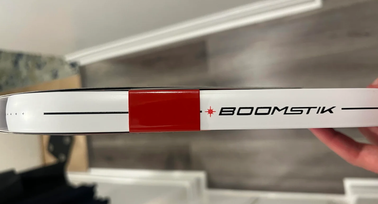
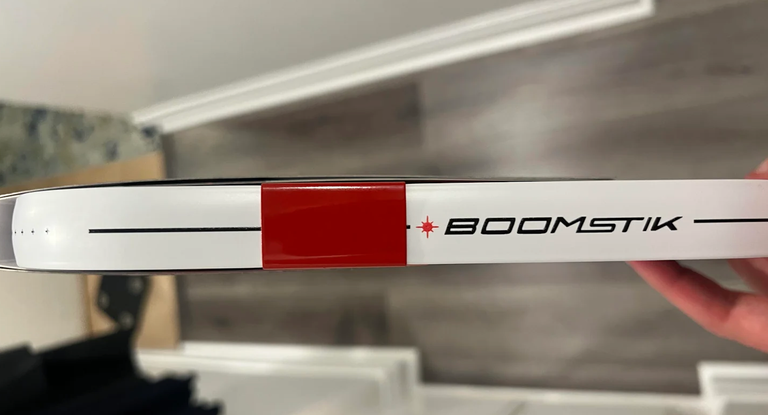
The real version features proprietary MOI weights—those weighted elements along the edges that Selkirk invented specifically for this paddle.
On the authentic model, these weights are substantial and precisely engineered. On the counterfeit?
They're nearly half the length, meaning significantly less weight distribution and a fundamentally different paddle geometry.
The real Boomstik uses InfiniGrit, Selkirk's exclusive grit technology that provides superior spin and durability on an authentic carbon fiber pickleball paddle construction.
Counterfeits use standard carbon fiber—the kind you'll find on budget paddles everywhere.
When you run your finger across the counterfeit's graphics, they feel smooth and slick.
On the real paddle, the Infinigrate texture remains consistent even over the printed graphics, preserving friction where it matters most.
Handle length is another dead giveaway.
The counterfeit Boomstik is nearly half an inch shorter than the authentic version, which fundamentally changes how the paddle feels in your hand and performs on court.
 Alex E. Weaver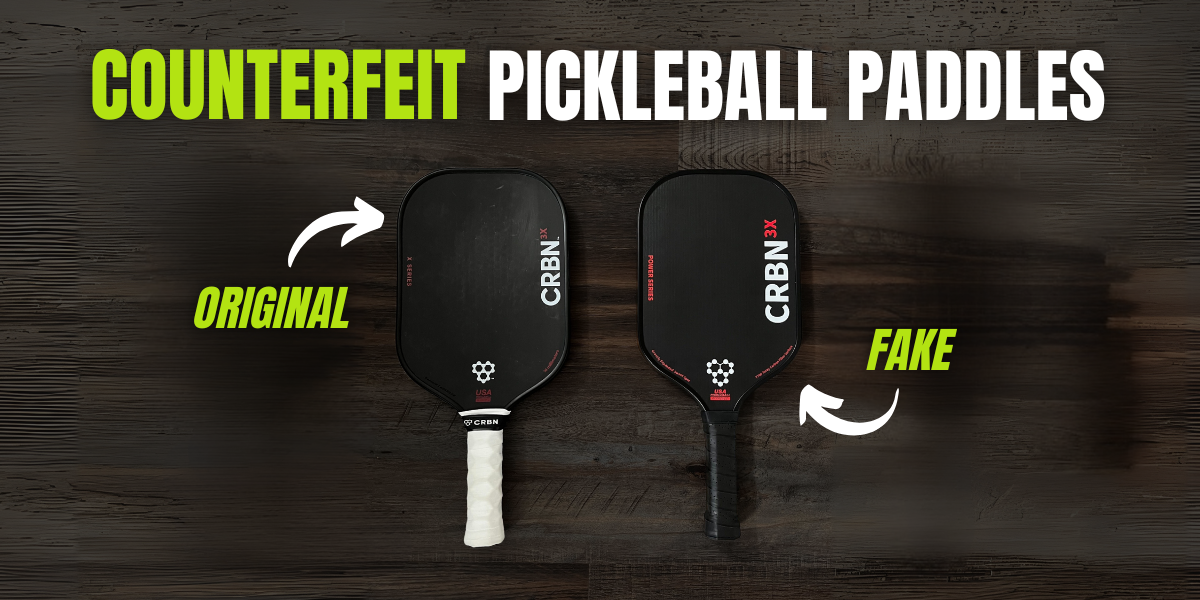
The Sound Test: Your First Red Flag
Before you even hit a ball, listen. Counterfeit pickleball paddles often produce a distinctly different sound when they bounce the ball.
The fake versions can have a deeper, more hollow tone—almost like hitting with a damaged paddle.
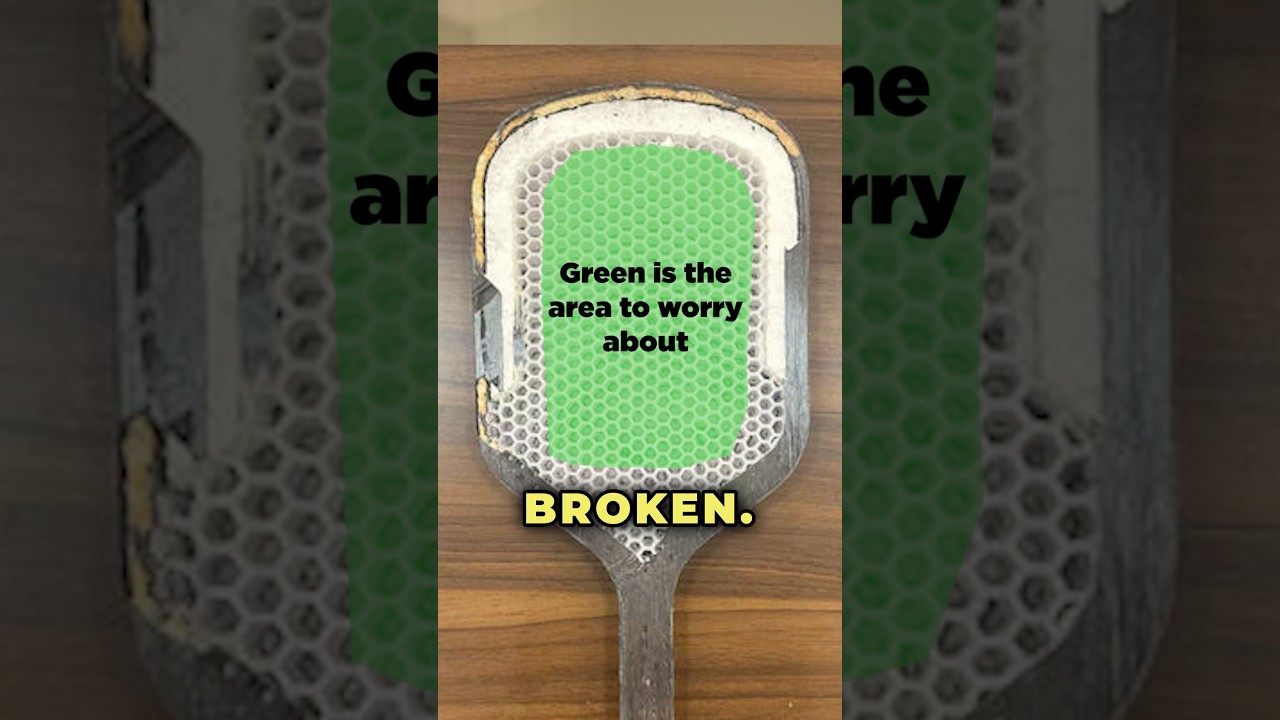
This isn't cosmetic. The sound reveals what's happening inside: the core construction is fundamentally different.
Real paddles use precisely engineered core materials that manufacturers spend years developing.
Counterfeits use cheaper alternatives that don't compress or respond the same way.
One counterfeit JOOLA Pro V in testing actually produced a buzzing sound with every hit, suggesting something was loose inside the core from day one.
That's not a defect you'd accept from a legitimate manufacturer, yet it's exactly what you get when you buy fake. Pro paddles are still failing onsite testing, which shows that paddle authenticity and certification standards are under scrutiny even at the highest levels of the sport.
Alex E. Weaver
Performance: Where Counterfeits Fall Apart
This is where the real damage shows.
Hit a few balls with a counterfeit pickleball paddle and the problems become impossible to ignore.
The sweet spot, that magical zone in the center of the paddle where power and control align, is dramatically smaller on counterfeit pickleball paddles.
Off-center hits feel jarring and flimsy, like the paddle might snap in half.
Real paddles are engineered to distribute impact evenly across a larger sweet spot, giving you forgiveness on mishits.
Stiffness is another critical difference.
Authentic paddles feel solid and responsive. Counterfeits feel flexible and cheap, almost like they're bending under the force of your swing.
This affects everything: power generation, control, spin potential, and overall confidence at the net.
The Enhanced Duo, a popular paddle from Enhance Pickleball, demonstrates this perfectly. The real version has a specific core that took years to develop.
The counterfeit feels significantly less durable, with a surface material that appears glossy rather than textured.
Players immediately notice the difference in how the paddle responds to their shots.
Alex E. Weaver
Legal and Ethical Issues You Can't Ignore
Here's something that doesn't get enough attention:
Counterfeit pickleball paddles are illegal for tournament play under USA Pickleball rules. Period. USA Pickleball now launches onsite testing at amateur events specifically to catch fake and non-certified paddles before they enter sanctioned competition.
If you show up to a sanctioned event with a fake paddle, you won't be allowed to compete.
But the legal issue goes deeper. Counterfeits often feature fake certifications.
One fake Enhanced Duo claimed UPA certification when the real paddle is USAP certified. Another counterfeit pickleball paddle, a fake JOOLA Pro 5, falsely displayed dual USAP and UPA certifications despite being completely unapproved. The UPA-A is now open-sourcing its counter-attack on counterfeit paddle brands as the problem reaches what league officials are calling an existential threat to the sport.
Beyond the rules, there's the ethical dimension. These brands are investing heavily in growing pickleball as a sport.
When you buy counterfeit gear, you're directly undermining those efforts and hurting the ecosystem that makes the sport possible.
Celine Leon
What Makes a Real Paddle Worth the Price?
You might be wondering: is a $300 paddle really that much better than a $30 knockoff? The answer is yes, but not for the reasons you might think.
Premium paddles aren't expensive because of marketing. They're expensive because of engineering, testing, and R&D. Any honest pickleball paddle review will tell you the same thing: the price gap between real and fake reflects a genuine performance gap, not just brand premium.
Real manufacturers invest in:
- Proprietary core materials that took years to develop
- Surface technologies like Selkirk's InfiniGrit that enhance spin and durability
- Precise weight distribution through engineered MOI systems
- Quality control that ensures consistency across every paddle
- Research and development that pushes the sport forward
A counterfeit pickleball paddle skips all of this.
It's a shortcut that saves money on manufacturing but costs you in performance, durability, and legality.
The Dink Media Team
The Budget Alternative That Actually Works
If you're price-conscious, there's good news: you don't have to choose between quality and affordability. Brands like Enhance Pickleball offer legitimate budget options that perform at a high level without breaking the bank.
The Enhance Turbo, for example, costs $99.99 with a discount code and performs comparably to paddles costing twice as much.
It's legal, it's durable, and it actually feels good in your hand. That's a legitimate alternative to counterfeit pickleball paddles, not a compromise, but a smart choice. The best pickleball paddles for beginners with a complete buying guide gives you a full list of legitimate options across every budget so you never need to consider a fake.
Alex E. Weaver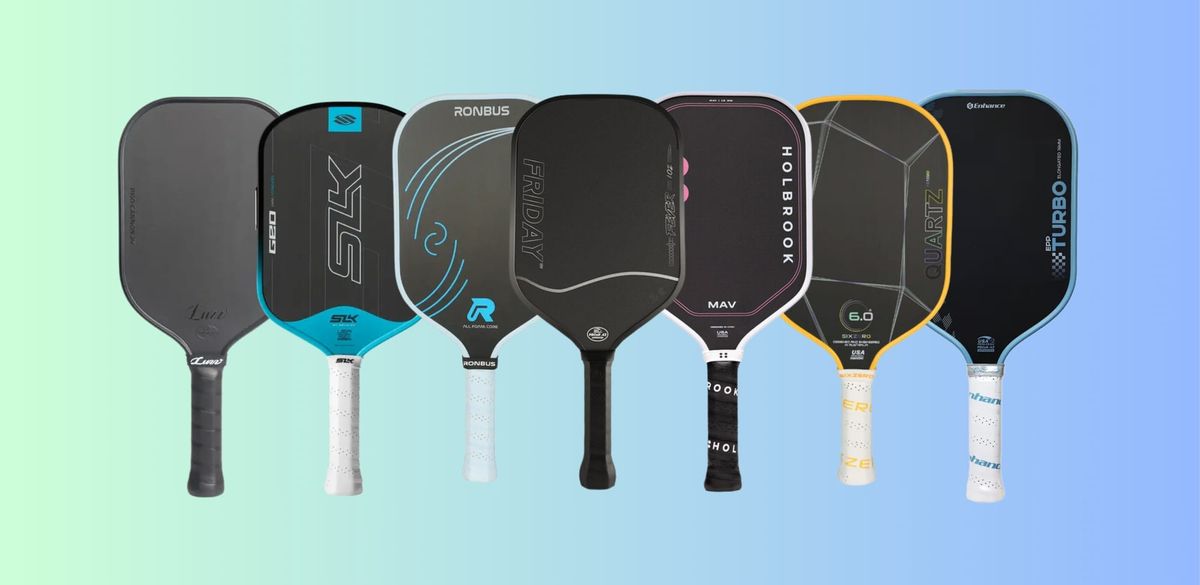
How to Spot a Fake Before You Buy
If you're shopping online for pickleball paddle deals, watch for these red flags before you buy:
- The price is suspiciously low. If a $300 paddle is selling for $30, it's fake.
- The seller is an unknown marketplace like AliExpress or Temu, not an authorized retailer.
- The product photos look slightly off or use images from the manufacturer's website rather than actual product shots.
- The certification markings are wrong or inconsistent with what the brand actually uses.
- The shipping address is from a country known for counterfeiting, not from the brand's headquarters.
When in doubt, buy from authorized retailers. It costs a bit more, but you're getting the real thing.
Frequently Asked Questions
Are counterfeit pickleball paddles illegal to own?
Owning a counterfeit paddle isn't necessarily illegal in the criminal sense, but using one in USA Pickleball sanctioned tournaments is strictly prohibited. You won't be allowed to compete, and your results won't count.
How can I tell if my paddle is counterfeit?
Check the weight, surface texture, and sound. Real paddles have consistent, high-quality construction. Counterfeits feel flimsy, sound hollow, and have visible quality issues. If you bought it from an unauthorized marketplace for an unusually low price, it's almost certainly fake.
Alex E. Weaver
Will a counterfeit paddle break quickly?
Yes. Counterfeits use cheaper core materials and lower-quality surface finishes. Players report durability issues within weeks of regular play. Real paddles last months or years with proper care.
Is it worth buying a counterfeit paddle to save money?
No. You're not saving money; you're wasting it. A fake paddle performs poorly, won't last, and can't be used in tournaments. A legitimate budget paddle like the Enhance Turbo is a far better investment.
What should I do if I accidentally bought a counterfeit paddle?
If you bought it from a legitimate retailer, return it immediately. If you bought it from an unauthorized marketplace, you likely have no recourse. In the future, stick to authorized dealers and official brand websites.
The bottom line: A counterfeit pickleball paddle might save you money upfront, but it costs you in every way that matters. Performance suffers, durability disappears, and you can't use it in tournaments. If you're serious about pickleball, invest in the real thing or choose a legitimate budget alternative. Your game will thank you.
Love Pickleball? Join 100k+ readers for free weekly tips, news & gear deals.
Subscribe to The Dink