

Recognize Your Court Position to Hit the Right Pickleball Shot Every Time
Hitting harder or faster won't fix your game if you're hitting the wrong shot at the wrong time. Learn to read the court, understand your position, and choose your shots accordingly.
Pickleball is a game of positioning, timing, and decision-making. But most players focus so hard on hitting the ball that they forget to think about what situation they're actually in.
- Are you attacking?
- Defending?
- Somewhere in between?
According to Jordan Briones of Briones Pickleball, recognizing these moments is the single most important skill that separates good players from great ones.
Love pickleball? Then you'll love our free newsletter. We send the latest news, tips, and highlights for free each week.
The Serving Team Starts on Defense
When you're serving, accept it: you're on defense.
Your opponents are advancing to the kitchen line while you and your partner are stuck at the baseline. That's the reality of the serve-and-return dynamic in pickleball. The returners have the advantage, so your job isn't to go from defense to offense in one shot.
Instead, think about moving from defense to neutral.
On your third shot, whether you're hitting a drive or a drop, aim at the player who just returned serve. They're still moving forward, so catching them off guard is easier than you'd think. But here's the key: don't expect to win the point outright. Get yourself into a safer position first, then hunt for that offensive opportunity once you're closer to the net.
The Returner's Job Is to Move Forward Fast
If you're returning serve, your partner is already at the kitchen line with the advantage. Your move is simple: get to that line immediately after you hit your return. Don't hang back.
If you stay at the baseline after returning, you're giving your opponents the green light to hit the ball deep and push you further back.
Here's the critical part: as your opponents hit their third shot, come to a complete stop. Being in motion when they strike means you'll be off-balance and vulnerable. A balanced, steady position lets you hit a quality ball. That split second of stillness makes all the difference.
 The Dink Media Team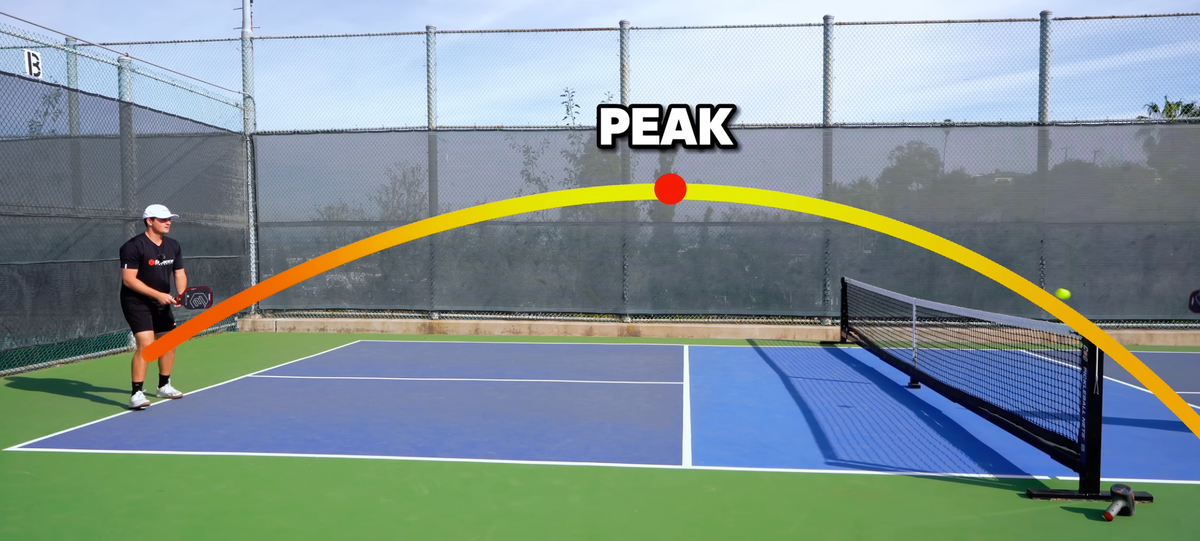
Dinking Battles Shift Between Offense and Defense Constantly
Once you're both at the kitchen line, things get complicated fast. The rally can swing from offense to defense to neutral and back again in seconds. Recognizing which mode you're in is what separates players who make smart shots from players who make mistakes.
When you get pushed wide, you're in a tough spot: off-balance and contacting the ball low. That forces you to play it safe, usually toward the middle of the court. Similarly, if your opponents are taking balls out of the air and pushing you back, don't try to blast it through them. Play a safer ball to the middle instead.
Stay Aggressive When You Have the Advantage
On the flip side, when you hit a good dink, don't stand up like a tree and admire your work. Stay low, stay ready, and lean in again. You're probably going to get another ball you can do something with, whether that's moving your opponent or attacking outright.
If you can't reach a ball out of the air but it's bouncing dead in front of you, don't just dink another dead ball back. That's giving up an offensive opportunity. Instead, shuffle behind the ball, get your contact out in front, and apply topspin. Topspin lets you be offensive while staying balanced, which means you can apply maximum pressure without overcommitting.
 The Dink Media Team
Practice Recognizing Your Position
Here's a drill you can use right now: play a regular rally (singles or doubles) and before every shot, call out whether you're on defense, offense, or neutral.
Say it out loud. This forces your brain to evaluate the situation instead of just reacting. Over time, this recognition becomes automatic, and your shot selection improves dramatically.
The bottom line is this: hitting harder or faster won't fix your game if you're hitting the wrong shot at the wrong time. Learn to read the court, understand your position, and choose your shots accordingly. That's the skill 90 percent of players are missing.

Love Pickleball? Join 100k+ readers for free weekly tips, news & gear deals.
Subscribe to The DinkGet 15% off pickleball gear at Midwest Racquet Sports